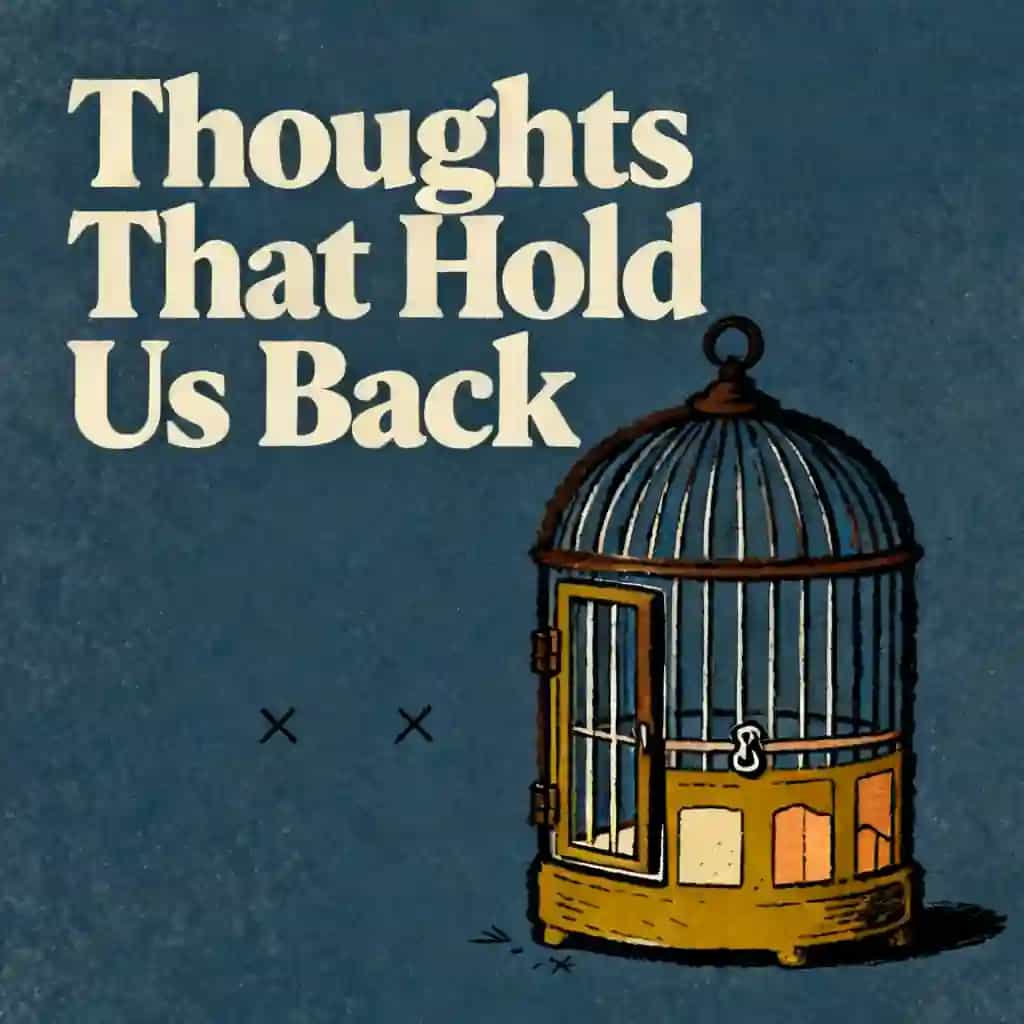
Why Your Attitude Isn't Just Positive Thinking
Stuck in a negative cycle? Learn how the ABC model of attitude helps you shift your perspective and change your mindset to reach your full potential.

Best quote from Why Your Attitude Isn't Just Positive Thinking
Attitude is a learned predisposition, which means we aren’t stuck with the mindset we have today; it is the lens that determines our altitude in life.

This audio lesson was created by a BeFreed community member
What even is the meaning of attitude, how one should improve his' and find greatest goods for self to achieve more in life, towards all things

Frequently Asked Questions
The ABC model is a psychological framework that breaks down every attitude into three distinct pillars: Affect, Behavior, and Cognition. Affect refers to your emotional or "gut" reaction to something, which is often the strongest predictor of how you will act. Cognition involves your rational beliefs, thoughts, and the factual information you associate with a subject. Behavior, or behavioral intention, is your predisposition or tendency to act in a certain way based on those feelings and beliefs. Understanding these layers allows you to "audit" your attitude by identifying which specific component might be out of alignment.
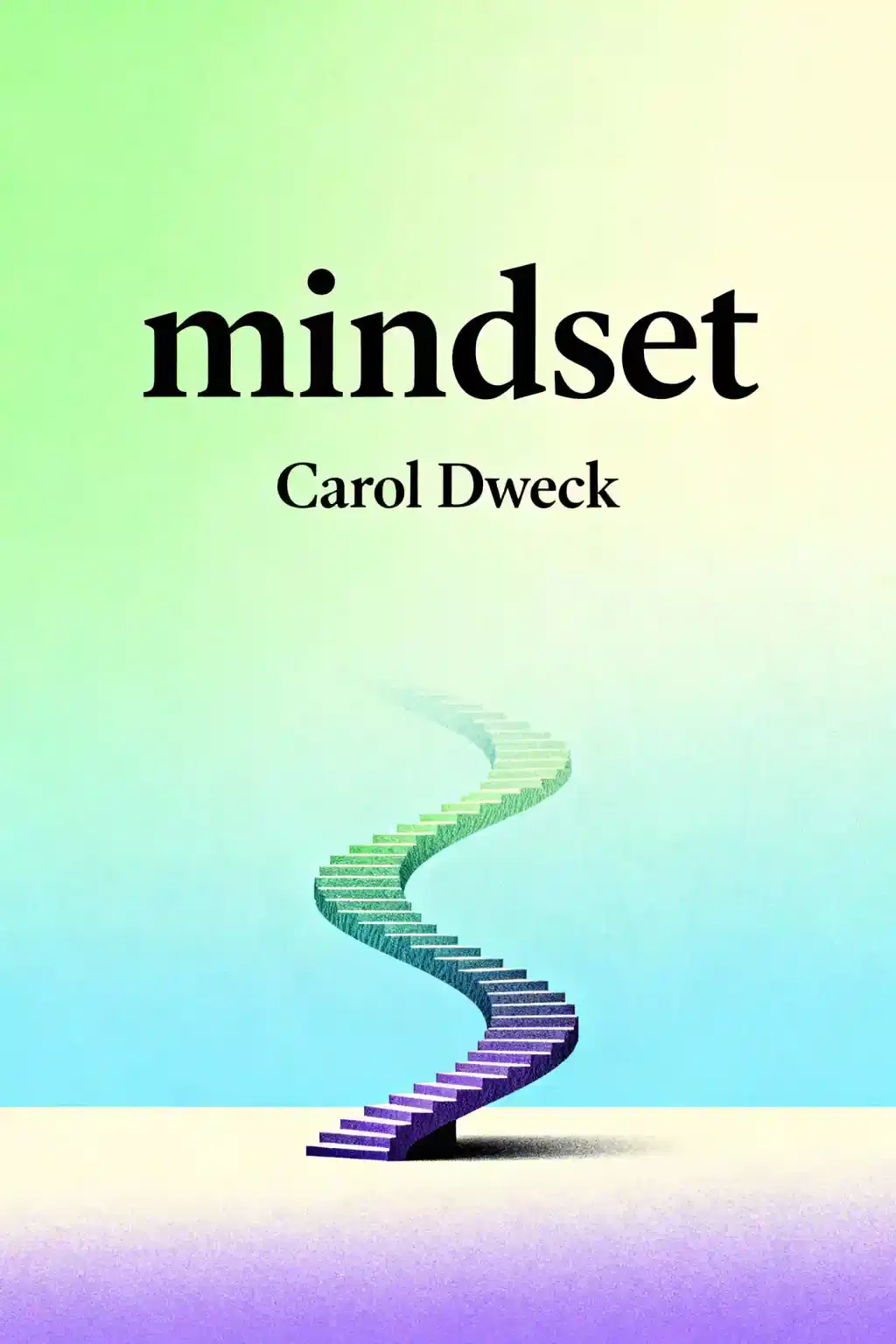
A fixed mindset is the belief that your qualities, intelligence, and talents are static traits that cannot be changed, leading you to view challenges as threats to your identity. In contrast, a growth mindset, popularized by Carol Dweck, is the belief that your abilities are dynamic and can be developed through effort and strategy. In a growth mindset, failure is viewed as helpful data rather than a personal indictment, and effort is seen as the literal mechanism of brain rewiring—supported by the biological reality of neuroplasticity.
Cognitive dissonance is the psychological discomfort felt when your actions do not match your beliefs or attitudes. While this "ick" feeling is often avoided, it can be used as a lever for change through the "act as if" principle. By intentionally changing your behavior first—acting like the person you want to become—the resulting internal tension forces your mind to shift its affective and cognitive components to resolve the discomfort. Over time, your attitude aligns with your new actions to eliminate the dissonance.
Stated values are the principles you claim to care about, while enacted values are the principles revealed by your actual daily behavior. To find your authentic values, you can look at "peak moments" of deep fulfillment or "deepest frustrations" where a value was likely violated. A "Values Audit" involves comparing your calendar and time commitments against your stated priorities; if there is a gap, such as valuing family but working excessive hours, you are experiencing "quiet friction" that requires intentional realignment to achieve true flourishing.
The Golden Mean is an Aristotelian concept suggesting that virtue lies in the balance between two extremes: a deficiency and an excess. For example, courage is the middle ground between cowardice and recklessness. Applying this requires "phronesis," or practical wisdom, which is the ability to read a situation and choose a balanced response. By repeatedly choosing this middle path, you develop excellence as a habit, eventually training your ABC model to gravitate toward virtuous choices naturally.
Discover more

Strengthen My Mindset
This plan is essential for high-performers and individuals feeling stuck in cycles of self-sabotage or burnout. It provides a scientific framework for anyone looking to bridge the gap between their current capabilities and their ultimate potential through psychological mastery.

The Book of Good Aspects
This plan is essential for individuals seeking to break free from habitual negativity and reactive living. It is designed for those who want to master the art of deliberate creation and emotional regulation through the practical application of appreciation.

Getting into a better head space
This learning plan is designed for anyone feeling overwhelmed by stress or trapped in cycles of negative thinking. It provides a comprehensive roadmap from foundational mindfulness to advanced cognitive restructuring, making it essential for building long-term emotional resilience.

Unshakable Presence: From Overthinking to Action
This plan is designed for professionals whose contributions are hindered by hesitation and mental loops. It provides actionable tools to shift from passive overthinking to assertive leadership and high-impact communication.

Unshakeable Confidence and Body Acceptance
This plan is essential for individuals struggling with social anxiety and negative body image who want to rebuild their self-esteem from the inside out. It combines physiological regulation with mindset shifts to help learners move beyond self-doubt and reclaim their personal power.

Break the Helplessness Cycle
This plan is essential for anyone feeling stuck in a cycle of inaction or overwhelmed by the belief that their efforts don't matter. It is particularly beneficial for professionals and students struggling with procrastination who want to rebuild their sense of personal mastery.
The Unshakable Mindset Blueprint
This plan is essential for professionals and leaders who feel drained by self-doubt or reactive stress. It provides the psychological tools needed to maintain composure and authority when facing high-pressure challenges.

Alignment and the Art of Receiving
This plan is essential for high-achievers who feel stuck despite their efforts, offering a path to success through internal alignment rather than sheer force. It is designed for individuals seeking to harmonize their emotional health, interpersonal relationships, and daily productivity.
From Columbia University alumni built in San Francisco
"Instead of endless scrolling, I just hit play on BeFreed. It saves me so much time."


"I never knew where to start with nonfiction—BeFreed’s book lists turned into podcasts gave me a clear path."


"Perfect balance between learning and entertainment. Finished ‘Thinking, Fast and Slow’ on my commute this week."
"Crazy how much I learned while walking the dog. BeFreed = small habits → big gains."
"Reading used to feel like a chore. Now it’s just part of my lifestyle."

"Feels effortless compared to reading. I’ve finished 6 books this month already."
"BeFreed turned my guilty doomscrolling into something that feels productive and inspiring."

"BeFreed turned my commute into learning time. 20-min podcasts are perfect for finishing books I never had time for."
"BeFreed replaced my podcast queue. Imagine Spotify for books — that’s it. 🙌"

"It is great for me to learn something from the book without reading it."
"The themed book list podcasts help me connect ideas across authors—like a guided audio journey."
"Makes me feel smarter every time before going to work"
From Columbia University alumni built in San Francisco
"Instead of endless scrolling, I just hit play on BeFreed. It saves me so much time."
"I never knew where to start with nonfiction—BeFreed’s book lists turned into podcasts gave me a clear path."
"Perfect balance between learning and entertainment. Finished ‘Thinking, Fast and Slow’ on my commute this week."
"Crazy how much I learned while walking the dog. BeFreed = small habits → big gains."
"Reading used to feel like a chore. Now it’s just part of my lifestyle."
"Feels effortless compared to reading. I’ve finished 6 books this month already."
"BeFreed turned my guilty doomscrolling into something that feels productive and inspiring."
"BeFreed turned my commute into learning time. 20-min podcasts are perfect for finishing books I never had time for."
"BeFreed replaced my podcast queue. Imagine Spotify for books — that’s it. 🙌"
"It is great for me to learn something from the book without reading it."
"The themed book list podcasts help me connect ideas across authors—like a guided audio journey."
"Makes me feel smarter every time before going to work"
"Instead of endless scrolling, I just hit play on BeFreed. It saves me so much time."
"I never knew where to start with nonfiction—BeFreed’s book lists turned into podcasts gave me a clear path."
"Perfect balance between learning and entertainment. Finished ‘Thinking, Fast and Slow’ on my commute this week."
"Crazy how much I learned while walking the dog. BeFreed = small habits → big gains."
"Reading used to feel like a chore. Now it’s just part of my lifestyle."
"Feels effortless compared to reading. I’ve finished 6 books this month already."
"BeFreed turned my guilty doomscrolling into something that feels productive and inspiring."
"BeFreed turned my commute into learning time. 20-min podcasts are perfect for finishing books I never had time for."
"BeFreed replaced my podcast queue. Imagine Spotify for books — that’s it. 🙌"
"It is great for me to learn something from the book without reading it."
"The themed book list podcasts help me connect ideas across authors—like a guided audio journey."
"Makes me feel smarter every time before going to work"
"Instead of endless scrolling, I just hit play on BeFreed. It saves me so much time."
"I never knew where to start with nonfiction—BeFreed’s book lists turned into podcasts gave me a clear path."
"Perfect balance between learning and entertainment. Finished ‘Thinking, Fast and Slow’ on my commute this week."
"Crazy how much I learned while walking the dog. BeFreed = small habits → big gains."
"Reading used to feel like a chore. Now it’s just part of my lifestyle."
"Feels effortless compared to reading. I’ve finished 6 books this month already."
"BeFreed turned my guilty doomscrolling into something that feels productive and inspiring."
"BeFreed turned my commute into learning time. 20-min podcasts are perfect for finishing books I never had time for."
"BeFreed replaced my podcast queue. Imagine Spotify for books — that’s it. 🙌"
"It is great for me to learn something from the book without reading it."
"The themed book list podcasts help me connect ideas across authors—like a guided audio journey."
"Makes me feel smarter every time before going to work"