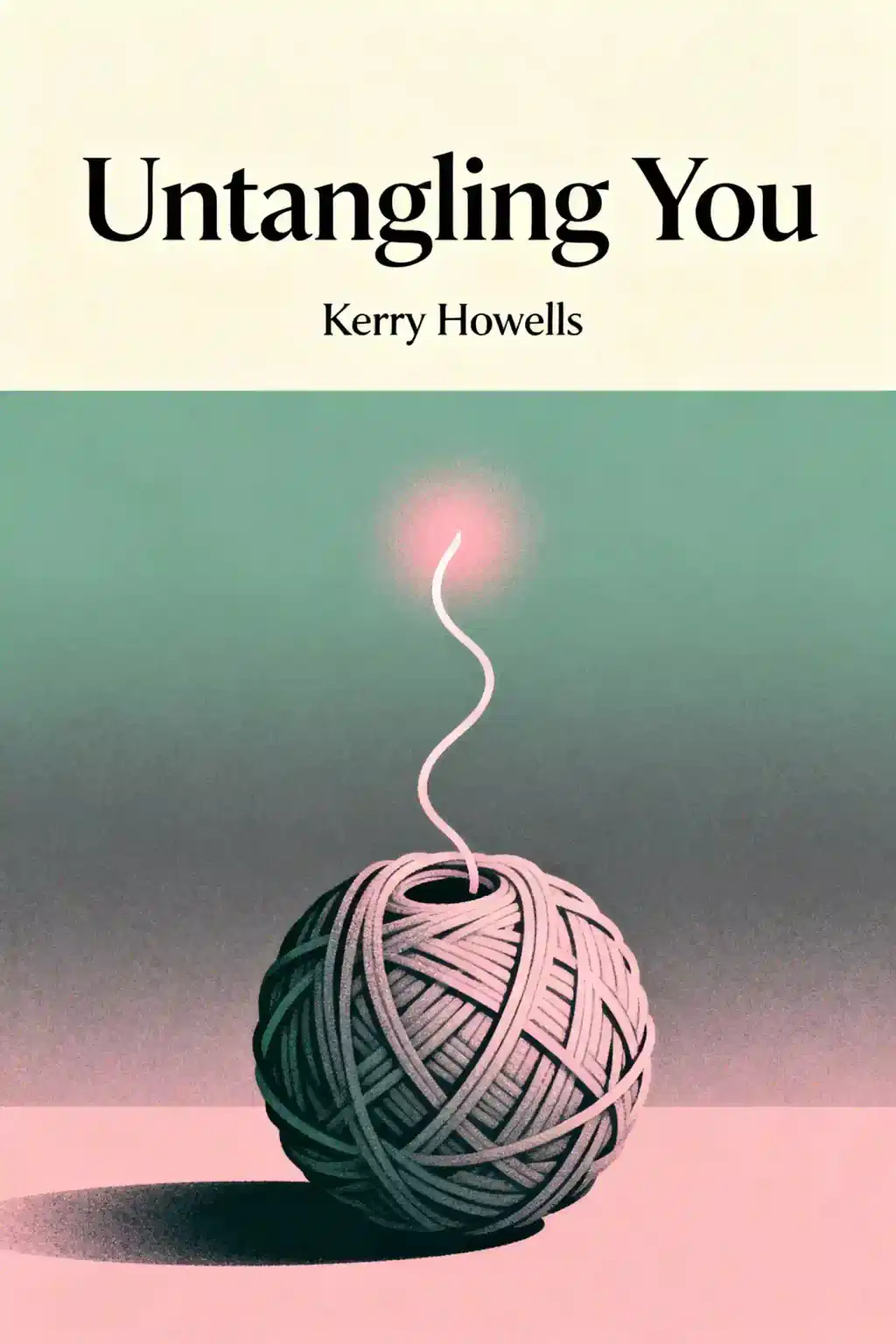
Why You Can't Hate the People Who Hurt You | Emotional Complexity
Explore the emotional complexity of why we struggle to hate those who hurt us. Learn about the conflict between your logical mind and emotional attachments.

Best quote from Why You Can't Hate the People Who Hurt You | Emotional Complexity
A really grown-up thing to say to yourself is: 'They had good parts, and they still were not good for me.' This allows you to see things exactly as they are—no better and no worse.

This audio lesson was created by a BeFreed community member
Create a lesson based on the attached source titled 'Why You Cannot Hate Someone Who Hurt You'. Focus on the psychological complexity of missing someone who caused pain, the conflict between logic and emotion, and the process of healing from disrespect or emotional damage. Verbatim text from the user input: 'Just say my text'.


Frequently Asked Questions
It is difficult because your heart does not store people as a simple list of good or bad facts. While your logical mind sees the disrespect and the hurt clearly, another part of you remembers the positive experiences and the 'good version' of that person. This creates a complex emotional attachment where you see both the beautiful memories and the painful moments simultaneously, making it hard to let go of the connection.
The logical mind acts like a smart teacher, identifying the facts of how someone was mean or ignored you. However, your emotions often function like a child wanting to play with a favorite toy, even if that toy now causes splinters. This internal struggle, often referred to as cognitive dissonance, means you might find yourself checking for messages or dreaming of better times despite knowing the person was disrespectful to your emotions.
No, missing someone who hurt you does not mean you are silly or weak. It is a natural part of processing hurt and emotional complexity. Your brain keeps the 'beautiful pages' of your history with that person even when the overall relationship is falling apart. Understanding that your heart is like a complicated picture book with both torn and lovely pages can help you navigate the healing process without self-judgment.
From Columbia University alumni built in San Francisco
"Instead of endless scrolling, I just hit play on BeFreed. It saves me so much time."


"I never knew where to start with nonfiction—BeFreed’s book lists turned into podcasts gave me a clear path."


"Perfect balance between learning and entertainment. Finished ‘Thinking, Fast and Slow’ on my commute this week."
"Crazy how much I learned while walking the dog. BeFreed = small habits → big gains."
"Reading used to feel like a chore. Now it’s just part of my lifestyle."

"Feels effortless compared to reading. I’ve finished 6 books this month already."
"BeFreed turned my guilty doomscrolling into something that feels productive and inspiring."

"BeFreed turned my commute into learning time. 20-min podcasts are perfect for finishing books I never had time for."
"BeFreed replaced my podcast queue. Imagine Spotify for books — that’s it. 🙌"

"It is great for me to learn something from the book without reading it."
"The themed book list podcasts help me connect ideas across authors—like a guided audio journey."
"Makes me feel smarter every time before going to work"
From Columbia University alumni built in San Francisco
"Instead of endless scrolling, I just hit play on BeFreed. It saves me so much time."
"I never knew where to start with nonfiction—BeFreed’s book lists turned into podcasts gave me a clear path."
"Perfect balance between learning and entertainment. Finished ‘Thinking, Fast and Slow’ on my commute this week."
"Crazy how much I learned while walking the dog. BeFreed = small habits → big gains."
"Reading used to feel like a chore. Now it’s just part of my lifestyle."
"Feels effortless compared to reading. I’ve finished 6 books this month already."
"BeFreed turned my guilty doomscrolling into something that feels productive and inspiring."
"BeFreed turned my commute into learning time. 20-min podcasts are perfect for finishing books I never had time for."
"BeFreed replaced my podcast queue. Imagine Spotify for books — that’s it. 🙌"
"It is great for me to learn something from the book without reading it."
"The themed book list podcasts help me connect ideas across authors—like a guided audio journey."
"Makes me feel smarter every time before going to work"
"Instead of endless scrolling, I just hit play on BeFreed. It saves me so much time."
"I never knew where to start with nonfiction—BeFreed’s book lists turned into podcasts gave me a clear path."
"Perfect balance between learning and entertainment. Finished ‘Thinking, Fast and Slow’ on my commute this week."
"Crazy how much I learned while walking the dog. BeFreed = small habits → big gains."
"Reading used to feel like a chore. Now it’s just part of my lifestyle."
"Feels effortless compared to reading. I’ve finished 6 books this month already."
"BeFreed turned my guilty doomscrolling into something that feels productive and inspiring."
"BeFreed turned my commute into learning time. 20-min podcasts are perfect for finishing books I never had time for."
"BeFreed replaced my podcast queue. Imagine Spotify for books — that’s it. 🙌"
"It is great for me to learn something from the book without reading it."
"The themed book list podcasts help me connect ideas across authors—like a guided audio journey."
"Makes me feel smarter every time before going to work"
"Instead of endless scrolling, I just hit play on BeFreed. It saves me so much time."
"I never knew where to start with nonfiction—BeFreed’s book lists turned into podcasts gave me a clear path."
"Perfect balance between learning and entertainment. Finished ‘Thinking, Fast and Slow’ on my commute this week."
"Crazy how much I learned while walking the dog. BeFreed = small habits → big gains."
"Reading used to feel like a chore. Now it’s just part of my lifestyle."
"Feels effortless compared to reading. I’ve finished 6 books this month already."
"BeFreed turned my guilty doomscrolling into something that feels productive and inspiring."
"BeFreed turned my commute into learning time. 20-min podcasts are perfect for finishing books I never had time for."
"BeFreed replaced my podcast queue. Imagine Spotify for books — that’s it. 🙌"
"It is great for me to learn something from the book without reading it."
"The themed book list podcasts help me connect ideas across authors—like a guided audio journey."
"Makes me feel smarter every time before going to work"