Why We Fall for People Who Hurt Us
Struggling with the same painful relationship patterns? Discover how your nervous system mistakes familiar friction for chemistry and how to heal.
Best quote from Why We Fall for People Who Hurt Us
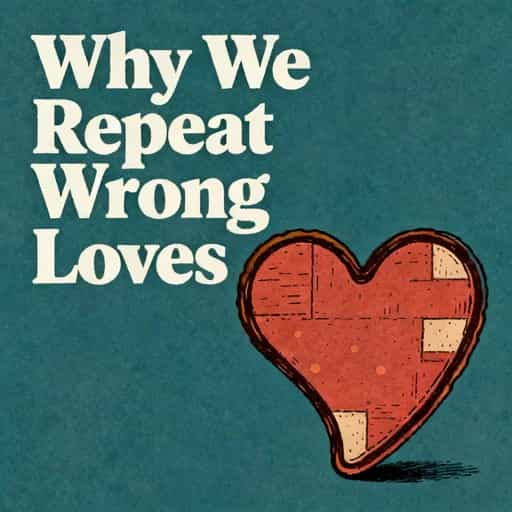
We often mistake the high-voltage anxiety of familiar, painful patterns for 'chemistry,' while dismissing healthy, stable connections as 'boring.' That spark isn't a sign of a soulmate; it’s the sound of your attachment system recognizing a specific type of trouble.
Generated with BeFreed
Why We Fall for People Who Hurt Us






Frequently Asked Questions
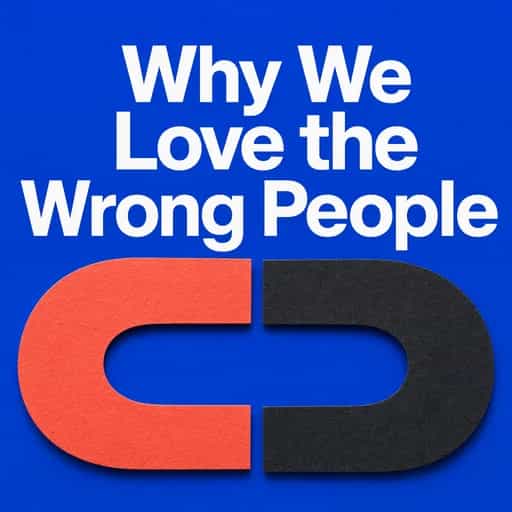
This intense attraction is often not a sign of a soulmate, but rather your nervous system recognizing a familiar pattern from your past. Psychologists call this repetition compulsion, where your brain mistakes high-voltage anxiety and the "push-pull" of inconsistent affection for chemistry. This "spark" is actually your attachment system sounding an alarm because it recognizes a relational dynamic—such as having to work hard for love—that matches your earliest childhood blueprints.
Intermittent reinforcement is a powerful conditioning schedule where rewards, like affection or reconciliation, are given unpredictably. Much like a slot machine, the uncertainty of when you will receive warmth makes the eventual "hit" of dopamine incredibly intense. In a hurtful relationship, your brain begins to associate the person who causes you distress as the only source of relief from that distress, creating a neurochemical dependency known as a trauma bond.
If your nervous system is calibrated to the highs and lows of a "rollercoaster" relationship, stability can feel flat because it lacks the constant activation of your stress response. When there is no threat of abandonment, there is no massive dopamine spike from reconciliation. This "boredom" is actually the presence of safety, and it takes time for your brain to recalibrate and learn to value peaceful, predictable warmth over anxious intensity.
High-functioning professionals often apply their work-related strengths—like persistence, resilience, and problem-solving—to their personal lives. You may treat a partner’s emotional distance as a challenge to be overcome through harder work or better communication. This "don't quit" mentality can lead you to stay in destructive situations far longer than you should, viewing your endurance as a sign of loyalty or strength rather than recognizing a toxic pattern.
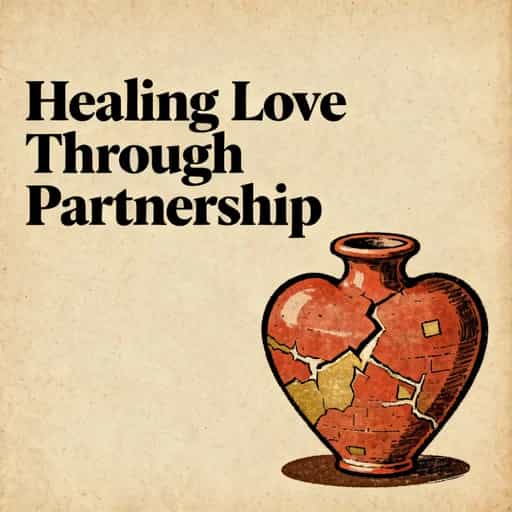
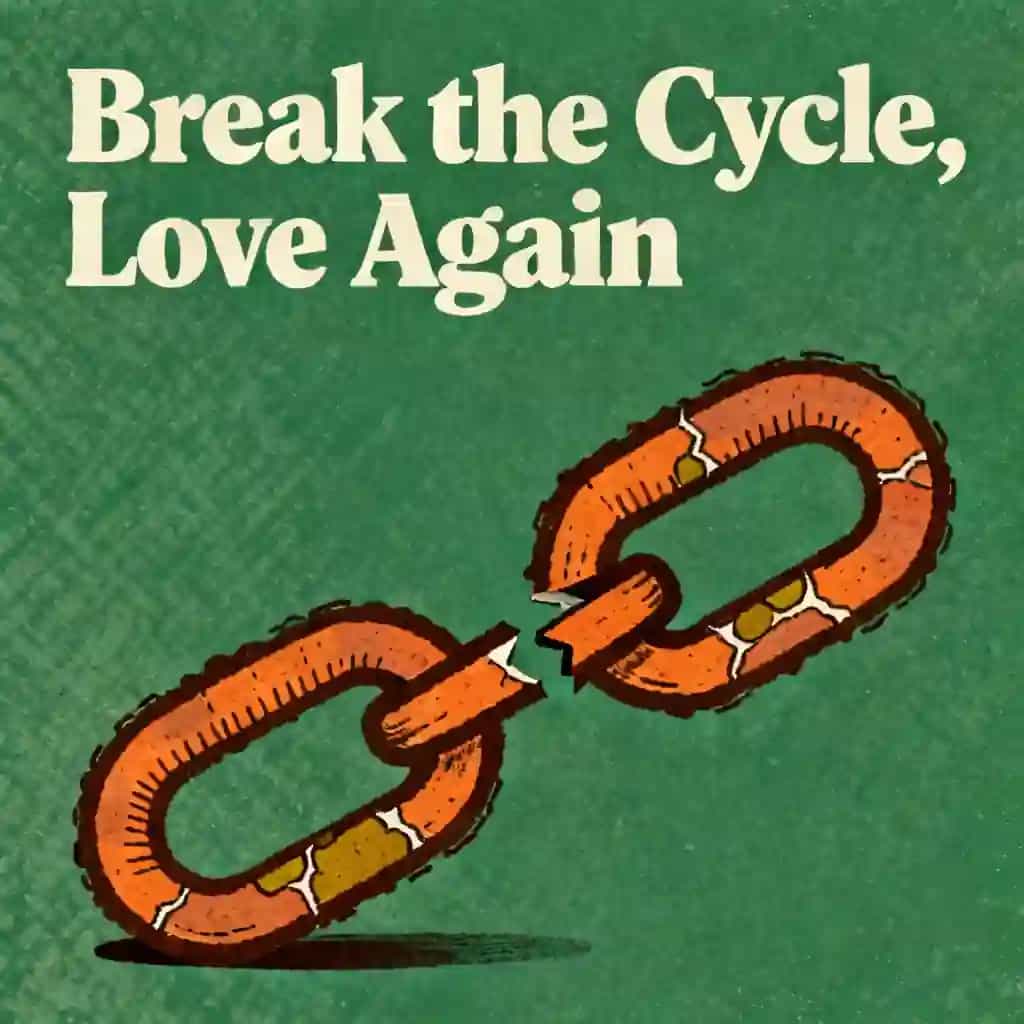
Breaking the cycle requires a neurobiological recalibration rather than just intellectual insight. First, you must stabilize your nervous system through grounding practices to lower chronic stress. Second, you need to identify the specific physical sensations that signal you are being drawn into an old pattern. Finally, you must allow yourself to grieve the original childhood wounds directly, which stops you from trying to "fix" the past by choosing similar, hurtful characters in your adult life.
From Columbia University alumni built in San Francisco
BeFreed Brings Together A Global Community Of Curious Minds


"Instead of endless scrolling, I just hit play on BeFreed. It saves me so much time."


"I never knew where to start with nonfiction—BeFreed’s book lists turned into podcasts gave me a clear path."


"Perfect balance between learning and entertainment. Finished ‘Thinking, Fast and Slow’ on my commute this week."
"Crazy how much I learned while walking the dog. BeFreed = small habits → big gains."
"Reading used to feel like a chore. Now it’s just part of my lifestyle."

"Feels effortless compared to reading. I’ve finished 6 books this month already."
"BeFreed turned my guilty doomscrolling into something that feels productive and inspiring."

"BeFreed turned my commute into learning time. 20-min podcasts are perfect for finishing books I never had time for."
"BeFreed replaced my podcast queue. Imagine Spotify for books — that’s it. 🙌"

"It is great for me to learn something from the book without reading it."
"The themed book list podcasts help me connect ideas across authors—like a guided audio journey."
"Makes me feel smarter every time before going to work"
From Columbia University alumni built in San Francisco
BeFreed Brings Together A Global Community Of Curious Minds
"Instead of endless scrolling, I just hit play on BeFreed. It saves me so much time."
"I never knew where to start with nonfiction—BeFreed’s book lists turned into podcasts gave me a clear path."
"Perfect balance between learning and entertainment. Finished ‘Thinking, Fast and Slow’ on my commute this week."
"Crazy how much I learned while walking the dog. BeFreed = small habits → big gains."
"Reading used to feel like a chore. Now it’s just part of my lifestyle."
"Feels effortless compared to reading. I’ve finished 6 books this month already."
"BeFreed turned my guilty doomscrolling into something that feels productive and inspiring."
"BeFreed turned my commute into learning time. 20-min podcasts are perfect for finishing books I never had time for."
"BeFreed replaced my podcast queue. Imagine Spotify for books — that’s it. 🙌"
"It is great for me to learn something from the book without reading it."
"The themed book list podcasts help me connect ideas across authors—like a guided audio journey."
"Makes me feel smarter every time before going to work"
"Instead of endless scrolling, I just hit play on BeFreed. It saves me so much time."
"I never knew where to start with nonfiction—BeFreed’s book lists turned into podcasts gave me a clear path."
"Perfect balance between learning and entertainment. Finished ‘Thinking, Fast and Slow’ on my commute this week."
"Crazy how much I learned while walking the dog. BeFreed = small habits → big gains."
"Reading used to feel like a chore. Now it’s just part of my lifestyle."
"Feels effortless compared to reading. I’ve finished 6 books this month already."
"BeFreed turned my guilty doomscrolling into something that feels productive and inspiring."
"BeFreed turned my commute into learning time. 20-min podcasts are perfect for finishing books I never had time for."
"BeFreed replaced my podcast queue. Imagine Spotify for books — that’s it. 🙌"
"It is great for me to learn something from the book without reading it."
"The themed book list podcasts help me connect ideas across authors—like a guided audio journey."
"Makes me feel smarter every time before going to work"
"Instead of endless scrolling, I just hit play on BeFreed. It saves me so much time."
"I never knew where to start with nonfiction—BeFreed’s book lists turned into podcasts gave me a clear path."
"Perfect balance between learning and entertainment. Finished ‘Thinking, Fast and Slow’ on my commute this week."
"Crazy how much I learned while walking the dog. BeFreed = small habits → big gains."
"Reading used to feel like a chore. Now it’s just part of my lifestyle."
"Feels effortless compared to reading. I’ve finished 6 books this month already."
"BeFreed turned my guilty doomscrolling into something that feels productive and inspiring."
"BeFreed turned my commute into learning time. 20-min podcasts are perfect for finishing books I never had time for."
"BeFreed replaced my podcast queue. Imagine Spotify for books — that’s it. 🙌"
"It is great for me to learn something from the book without reading it."
"The themed book list podcasts help me connect ideas across authors—like a guided audio journey."
"Makes me feel smarter every time before going to work"