BeFreed
    Categories>Psychology>Why Smart People Make Predictably Irrational Workplace Decisions

    Why Smart People Make Predictably Irrational Workplace Decisions

    8 min
    |
    |
    Sep 30, 2025
    PsychologyBusinessSelf Help

    Discover how behavioral operations reveals the hidden psychology behind workplace decision-making. Learn why our brains consistently trick us and how to design systems that work with human nature, not against it.

    Why Smart People Make Predictably Irrational Workplace Decisions

    Best quote from Why Smart People Make Predictably Irrational Workplace Decisions

    “

    It’s like we were designing systems for robots when we were actually dealing with humans. We're not randomly irrational—we're predictably irrational, and the key is designing operations that work with human nature instead of against it.

    ”

    This audio lesson was created by a BeFreed community member

    Input question

    Human behaviour psychology based on behavior ops book

    Host voices
    Lenaplay
    Eliplay
    Knowledge sources
    [PDF] Toward a Theory of Behavioral Operations - Harvard Business School
    link
    https://www.hbs.edu/ris/Publication%20Files/07-096.pdf
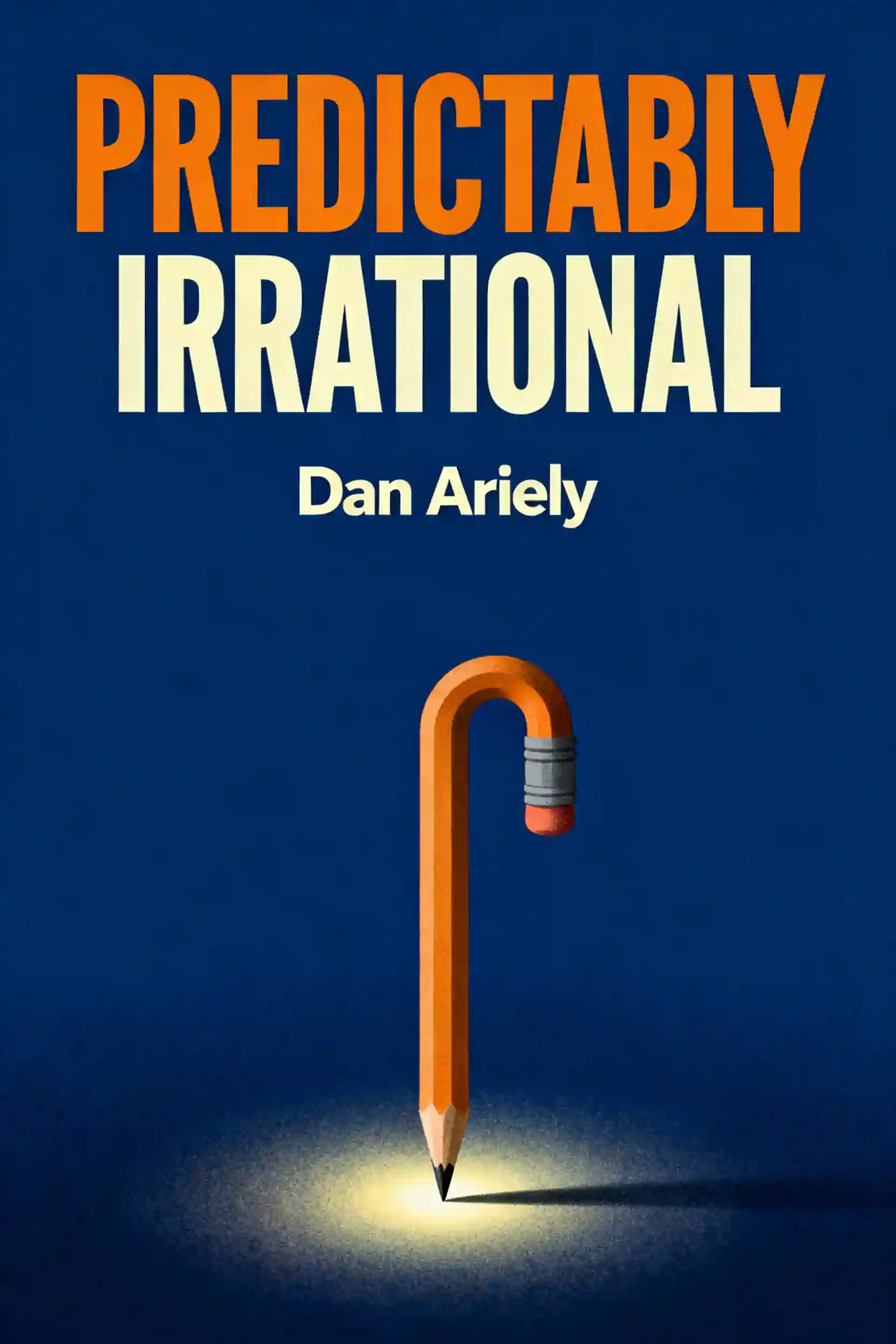
    Predictably Irrational
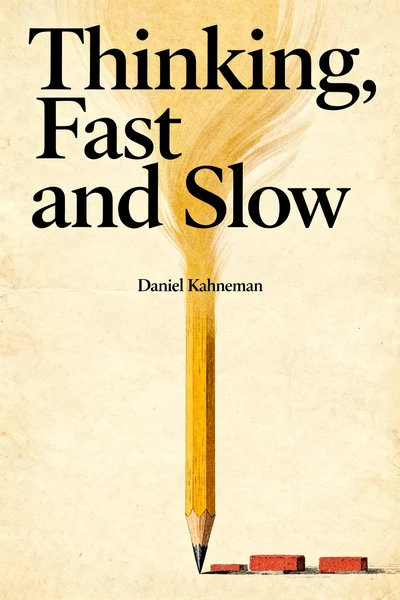
    Thinking, fast and slow
    Behavioral Operations: Past, Present, and Future
    link
    https://dspace.mit.edu/bitstream/1721.1/136436/2/SSRN-id3379894.pdf
    The Handbook of Behavioral Operations
    link
    https://onlinelibrary.wiley.com/doi/book/10.1002/9781119138341
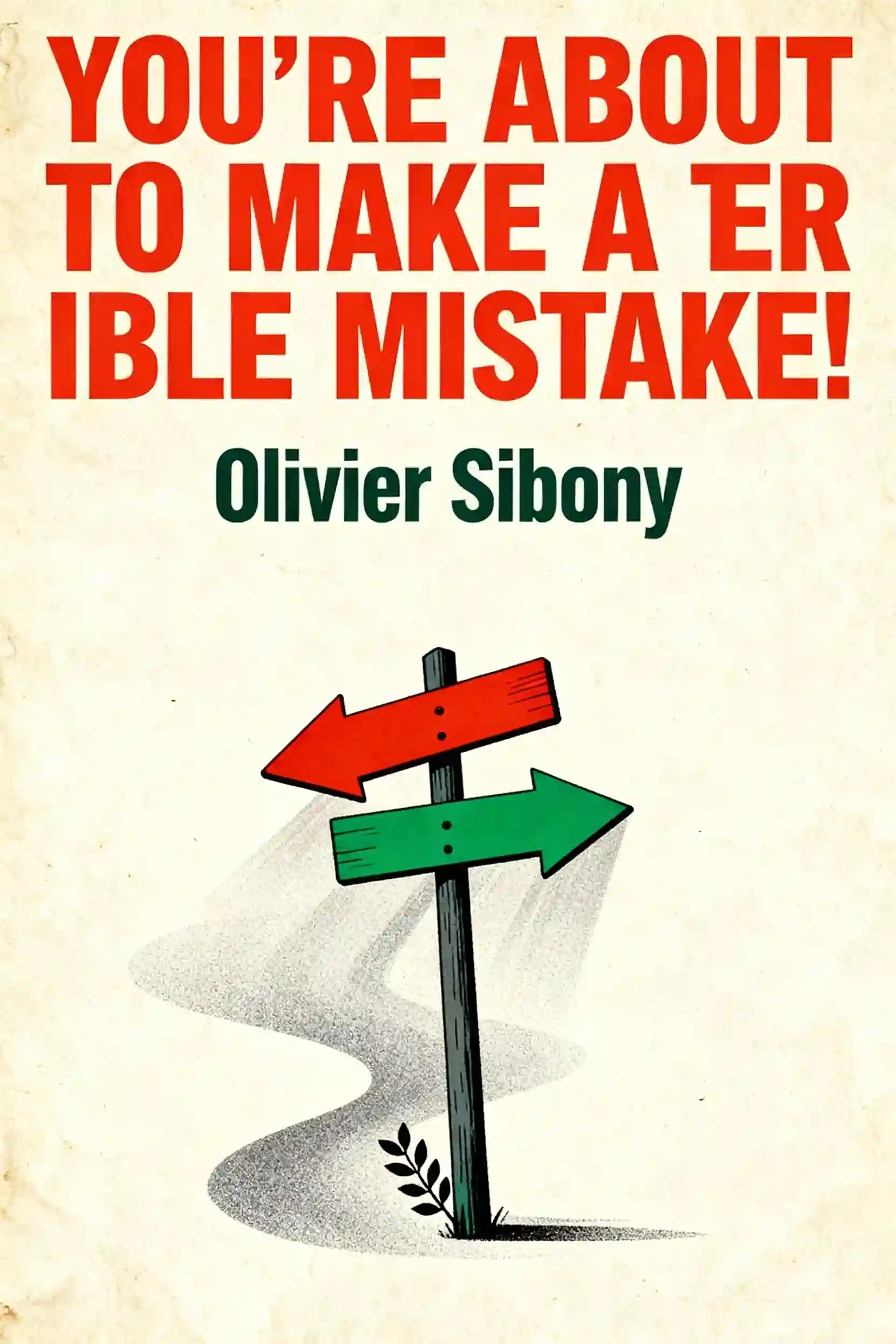
    You're About to Make a Terrible Mistake!

    Discover more

    Understand & influence human decision-making

    Understand & influence human decision-making

    LEARNING PLAN

    Understand & influence human decision-making

    In an era of information overload, understanding the hidden mechanics of the mind is a critical competitive advantage. This plan is ideal for leaders, marketers, and designers looking to leverage behavioral science to drive better results and ethical engagement.

    2 h 50 m•4 Sections
    Human behavior

    Human behavior

    LEARNING PLAN

    Human behavior

    Understanding the hidden drivers of human nature is essential for navigating social dynamics and making smarter personal choices. This plan is ideal for leaders, marketers, or anyone looking to master behavioral psychology and improve their interpersonal influence.

    2 h 35 m•4 Sections
    Master behavioral economics

    Master behavioral economics

    LEARNING PLAN

    Master behavioral economics

    Behavioral economics has revolutionized how we understand human decision-making, revealing that people consistently make predictable errors in judgment that traditional economics cannot explain. This learning plan is essential for professionals in business, policy, marketing, product design, and leadership roles who want to understand what truly drives human behavior and how to design systems that lead to better outcomes. Whether you're optimizing user experiences, crafting policies, developing marketing strategies, or simply seeking to make better decisions yourself, mastering these principles provides a powerful competitive advantage.

    1 h 59 m•4 Sections
    Decode Human Nature for Business Success

    Decode Human Nature for Business Success

    LEARNING PLAN

    Decode Human Nature for Business Success

    Understanding the psychological drivers of behavior is the ultimate competitive advantage in modern commerce. This learning plan is designed for leaders and entrepreneurs who want to master decision-making, persuasion, and emotional intelligence to drive better business outcomes.

    2 h 15 m•4 Sections
    Mind reading

    Mind reading

    LEARNING PLAN

    Mind reading

    This learning plan bridges the gap between surface-level interaction and deep psychological insight, making it essential for leaders and communicators. It is designed for anyone looking to enhance their social intelligence and master the art of reading human behavior through scientific observation.

    2 h 23 m•4 Sections
    Build Better Habits & Read People Psychically

    Build Better Habits & Read People Psychically

    LEARNING PLAN

    Build Better Habits & Read People Psychically

    This plan bridges the gap between self-mastery and social intelligence by combining behavioral science with nonverbal communication. It is ideal for leaders and professionals looking to optimize their personal routines while gaining a competitive edge in reading people.

    2 h 34 m•4 Sections
    Psychology

    Psychology

    LEARNING PLAN

    Psychology

    Understanding the human psyche is essential for navigating modern relationships, leadership, and personal well-being. This plan is ideal for curious learners and professionals seeking to master the mechanics of the mind, from cognitive biases to clinical wellness.

    3 h 27 m•5 Sections
    Psychology & Manipulation Tactics

    Psychology & Manipulation Tactics

    LEARNING PLAN

    Psychology & Manipulation Tactics

    In an era of constant digital and social influence, understanding the mechanics of the mind is a vital survival skill. This plan is essential for professionals and individuals who want to safeguard their autonomy and navigate complex social dynamics with confidence.

    3 h 27 m•4 Sections

    From Columbia University alumni built in San Francisco

    BeFreed Brings Together A Global Community Of 1,000,000 Curious Minds
    See more on how BeFreed is discussed across the web

    "Instead of endless scrolling, I just hit play on BeFreed. It saves me so much time."

    @Moemenn
    platform
    star
    star
    star
    star
    star

    "I never knew where to start with nonfiction—BeFreed’s book lists turned into podcasts gave me a clear path."

    @Chloe, Solo founder, LA
    platform
    comments
    12
    likes
    117

    "Perfect balance between learning and entertainment. Finished ‘Thinking, Fast and Slow’ on my commute this week."

    @Raaaaaachelw
    platform
    star
    star
    star
    star
    star

    "Crazy how much I learned while walking the dog. BeFreed = small habits → big gains."

    @Matt, YC alum
    platform
    comments
    12
    likes
    108

    "Reading used to feel like a chore. Now it’s just part of my lifestyle."

    @Erin, Investment Banking Associate , NYC
    platform
    comments
    254
    likes
    17

    "Feels effortless compared to reading. I’ve finished 6 books this month already."

    @djmikemoore
    platform
    star
    star
    star
    star
    star

    "BeFreed turned my guilty doomscrolling into something that feels productive and inspiring."

    @Pitiful
    platform
    comments
    96
    likes
    4.5K

    "BeFreed turned my commute into learning time. 20-min podcasts are perfect for finishing books I never had time for."

    @SofiaP
    platform
    star
    star
    star
    star
    star

    "BeFreed replaced my podcast queue. Imagine Spotify for books — that’s it. 🙌"

    @Jaded_Falcon
    platform
    comments
    201
    thumbsUp
    16

    "It is great for me to learn something from the book without reading it."

    @OojasSalunke
    platform
    star
    star
    star
    star
    star

    "The themed book list podcasts help me connect ideas across authors—like a guided audio journey."

    @Leo, Law Student, UPenn
    platform
    comments
    37
    likes
    483

    "Makes me feel smarter every time before going to work"

    @Cashflowbubu
    platform
    star
    star
    star
    star
    star

    From Columbia University alumni built in San Francisco

    BeFreed Brings Together A Global Community Of 1,000,000 Curious Minds
    See more on how BeFreed is discussed across the web

    "Instead of endless scrolling, I just hit play on BeFreed. It saves me so much time."

    @Moemenn
    platform
    star
    star
    star
    star
    star

    "I never knew where to start with nonfiction—BeFreed’s book lists turned into podcasts gave me a clear path."

    @Chloe, Solo founder, LA
    platform
    comments
    12
    likes
    117

    "Perfect balance between learning and entertainment. Finished ‘Thinking, Fast and Slow’ on my commute this week."

    @Raaaaaachelw
    platform
    star
    star
    star
    star
    star

    "Crazy how much I learned while walking the dog. BeFreed = small habits → big gains."

    @Matt, YC alum
    platform
    comments
    12
    likes
    108

    "Reading used to feel like a chore. Now it’s just part of my lifestyle."

    @Erin, Investment Banking Associate , NYC
    platform
    comments
    254
    likes
    17

    "Feels effortless compared to reading. I’ve finished 6 books this month already."

    @djmikemoore
    platform
    star
    star
    star
    star
    star

    "BeFreed turned my guilty doomscrolling into something that feels productive and inspiring."

    @Pitiful
    platform
    comments
    96
    likes
    4.5K

    "BeFreed turned my commute into learning time. 20-min podcasts are perfect for finishing books I never had time for."

    @SofiaP
    platform
    star
    star
    star
    star
    star

    "BeFreed replaced my podcast queue. Imagine Spotify for books — that’s it. 🙌"

    @Jaded_Falcon
    platform
    comments
    201
    thumbsUp
    16

    "It is great for me to learn something from the book without reading it."

    @OojasSalunke
    platform
    star
    star
    star
    star
    star

    "The themed book list podcasts help me connect ideas across authors—like a guided audio journey."

    @Leo, Law Student, UPenn
    platform
    comments
    37
    likes
    483

    "Makes me feel smarter every time before going to work"

    @Cashflowbubu
    platform
    star
    star
    star
    star
    star

    "Instead of endless scrolling, I just hit play on BeFreed. It saves me so much time."

    @Moemenn
    platform
    star
    star
    star
    star
    star

    "I never knew where to start with nonfiction—BeFreed’s book lists turned into podcasts gave me a clear path."

    @Chloe, Solo founder, LA
    platform
    comments
    12
    likes
    117

    "Perfect balance between learning and entertainment. Finished ‘Thinking, Fast and Slow’ on my commute this week."

    @Raaaaaachelw
    platform
    star
    star
    star
    star
    star

    "Crazy how much I learned while walking the dog. BeFreed = small habits → big gains."

    @Matt, YC alum
    platform
    comments
    12
    likes
    108

    "Reading used to feel like a chore. Now it’s just part of my lifestyle."

    @Erin, Investment Banking Associate , NYC
    platform
    comments
    254
    likes
    17

    "Feels effortless compared to reading. I’ve finished 6 books this month already."

    @djmikemoore
    platform
    star
    star
    star
    star
    star

    "BeFreed turned my guilty doomscrolling into something that feels productive and inspiring."

    @Pitiful
    platform
    comments
    96
    likes
    4.5K

    "BeFreed turned my commute into learning time. 20-min podcasts are perfect for finishing books I never had time for."

    @SofiaP
    platform
    star
    star
    star
    star
    star

    "BeFreed replaced my podcast queue. Imagine Spotify for books — that’s it. 🙌"

    @Jaded_Falcon
    platform
    comments
    201
    thumbsUp
    16

    "It is great for me to learn something from the book without reading it."

    @OojasSalunke
    platform
    star
    star
    star
    star
    star

    "The themed book list podcasts help me connect ideas across authors—like a guided audio journey."

    @Leo, Law Student, UPenn
    platform
    comments
    37
    likes
    483

    "Makes me feel smarter every time before going to work"

    @Cashflowbubu
    platform
    star
    star
    star
    star
    star

    "Instead of endless scrolling, I just hit play on BeFreed. It saves me so much time."

    @Moemenn
    platform
    star
    star
    star
    star
    star

    "I never knew where to start with nonfiction—BeFreed’s book lists turned into podcasts gave me a clear path."

    @Chloe, Solo founder, LA
    platform
    comments
    12
    likes
    117

    "Perfect balance between learning and entertainment. Finished ‘Thinking, Fast and Slow’ on my commute this week."

    @Raaaaaachelw
    platform
    star
    star
    star
    star
    star

    "Crazy how much I learned while walking the dog. BeFreed = small habits → big gains."

    @Matt, YC alum
    platform
    comments
    12
    likes
    108

    "Reading used to feel like a chore. Now it’s just part of my lifestyle."

    @Erin, Investment Banking Associate , NYC
    platform
    comments
    254
    likes
    17

    "Feels effortless compared to reading. I’ve finished 6 books this month already."

    @djmikemoore
    platform
    star
    star
    star
    star
    star

    "BeFreed turned my guilty doomscrolling into something that feels productive and inspiring."

    @Pitiful
    platform
    comments
    96
    likes
    4.5K

    "BeFreed turned my commute into learning time. 20-min podcasts are perfect for finishing books I never had time for."

    @SofiaP
    platform
    star
    star
    star
    star
    star

    "BeFreed replaced my podcast queue. Imagine Spotify for books — that’s it. 🙌"

    @Jaded_Falcon
    platform
    comments
    201
    thumbsUp
    16

    "It is great for me to learn something from the book without reading it."

    @OojasSalunke
    platform
    star
    star
    star
    star
    star

    "The themed book list podcasts help me connect ideas across authors—like a guided audio journey."

    @Leo, Law Student, UPenn
    platform
    comments
    37
    likes
    483

    "Makes me feel smarter every time before going to work"

    @Cashflowbubu
    platform
    star
    star
    star
    star
    star
    1.5K Ratings4.7
    Start your learning journey, now
    BeFreed App
    BeFreed

    Learn Anything, Personalized

    DiscordLinkedIn
    Featured book summaries
    Crucial ConversationsThe Perfect MarriageInto the WildNever Split the DifferenceAttachedGood to GreatSay Nothing
    Trending categories
    Self HelpCommunication SkillRelationshipMindfulnessPhilosophyInspirationProductivity
    Celebrities' reading list
    Elon MuskCharlie KirkBill GatesSteve JobsAndrew HubermanJoe RoganJordan Peterson
    Award winning collection
    Pulitzer PrizeNational Book AwardGoodreads Choice AwardsNobel Prize in LiteratureNew York TimesCaldecott MedalNebula Award
    Featured Topics
    ManagementAmerican HistoryWarTradingStoicismAnxietySex
    Best books by Year
    2025 Best Non Fiction Books2024 Best Non Fiction Books2023 Best Non Fiction Books
    Featured authors
    Chimamanda Ngozi AdichieGeorge OrwellO. J. SimpsonBarbara O'NeillWinston ChurchillCharlie Kirk
    BeFreed vs other apps
    BeFreed vs. Other Book Summary AppsBeFreed vs. ElevenReaderBeFreed vs. ReadwiseBeFreed vs. Anki
    Learning tools
    Knowledge VisualizerAI Podcast Generator
    Information
    About Usarrow
    Pricingarrow
    FAQarrow
    Blogarrow
    Careerarrow
    Partnershipsarrow
    Ambassador Programarrow
    Directoryarrow
    BeFreed
    Try now
    © 2026 BeFreed
    Term of UsePrivacy Policy
    BeFreed

    Learn Anything, Personalized

    DiscordLinkedIn
    Featured book summaries
    Crucial ConversationsThe Perfect MarriageInto the WildNever Split the DifferenceAttachedGood to GreatSay Nothing
    Trending categories
    Self HelpCommunication SkillRelationshipMindfulnessPhilosophyInspirationProductivity
    Celebrities' reading list
    Elon MuskCharlie KirkBill GatesSteve JobsAndrew HubermanJoe RoganJordan Peterson
    Award winning collection
    Pulitzer PrizeNational Book AwardGoodreads Choice AwardsNobel Prize in LiteratureNew York TimesCaldecott MedalNebula Award
    Featured Topics
    ManagementAmerican HistoryWarTradingStoicismAnxietySex
    Best books by Year
    2025 Best Non Fiction Books2024 Best Non Fiction Books2023 Best Non Fiction Books
    Learning tools
    Knowledge VisualizerAI Podcast Generator
    Featured authors
    Chimamanda Ngozi AdichieGeorge OrwellO. J. SimpsonBarbara O'NeillWinston ChurchillCharlie Kirk
    BeFreed vs other apps
    BeFreed vs. Other Book Summary AppsBeFreed vs. ElevenReaderBeFreed vs. ReadwiseBeFreed vs. Anki
    Information
    About Usarrow
    Pricingarrow
    FAQarrow
    Blogarrow
    Careerarrow
    Partnershipsarrow
    Ambassador Programarrow
    Directoryarrow
    BeFreed
    Try now
    © 2026 BeFreed
    Term of UsePrivacy Policy

    Key Takeaways

    1

    Welcome & Setting the Stage

    0:00

    Lena: Hey everyone, welcome back to your personalized BeFreed podcast! I'm Lena, and I'm absolutely thrilled to dive into something that's been fascinating me lately-how our brains actually work when we're making decisions in the workplace.

    0:14

    Eli: And I'm Eli! Oh man, Lena, this is going to be such a fun conversation. We're exploring human behavior psychology through the lens of behavioral operations, and honestly? It's going to change how our listeners think about every decision they make at work.

    0:28

    Lena: Exactly! We're going to uncover why smart people make predictably irrational choices, and more importantly, what we can do about it.
    2

    The Birth of Behavioral Operations

    0:38

    Eli: So let's start with the big picture here. For decades, operations management assumed people were perfectly rational decision-makers. You know, like little calculators walking around optimizing everything!

    0:50

    Lena: Right, but that's not how humans actually work, is it? I was reading about this groundbreaking work from Harvard Business School that really challenged this assumption. They called it "Toward a Theory of Behavioral Operations."

    1:02

    Eli: Absolutely! And what's fascinating is that other fields-economics, finance, marketing-they'd already figured this out. They started incorporating behavioral insights and saw huge breakthroughs. But operations management was still stuck in this rational actor model.

    1:17

    Lena: It's like we were designing systems for robots when we were actually dealing with humans! The research shows that people are the critical component in most operating systems, yet we kept ignoring how they actually behave.

    1:30

    Eli: Exactly! And here's what really gets me excited-when researchers started looking at actual human behavior in operations, they found these systematic, predictable patterns of "irrationality."

    3

    The Predictable Patterns of Irrationality

    1:43

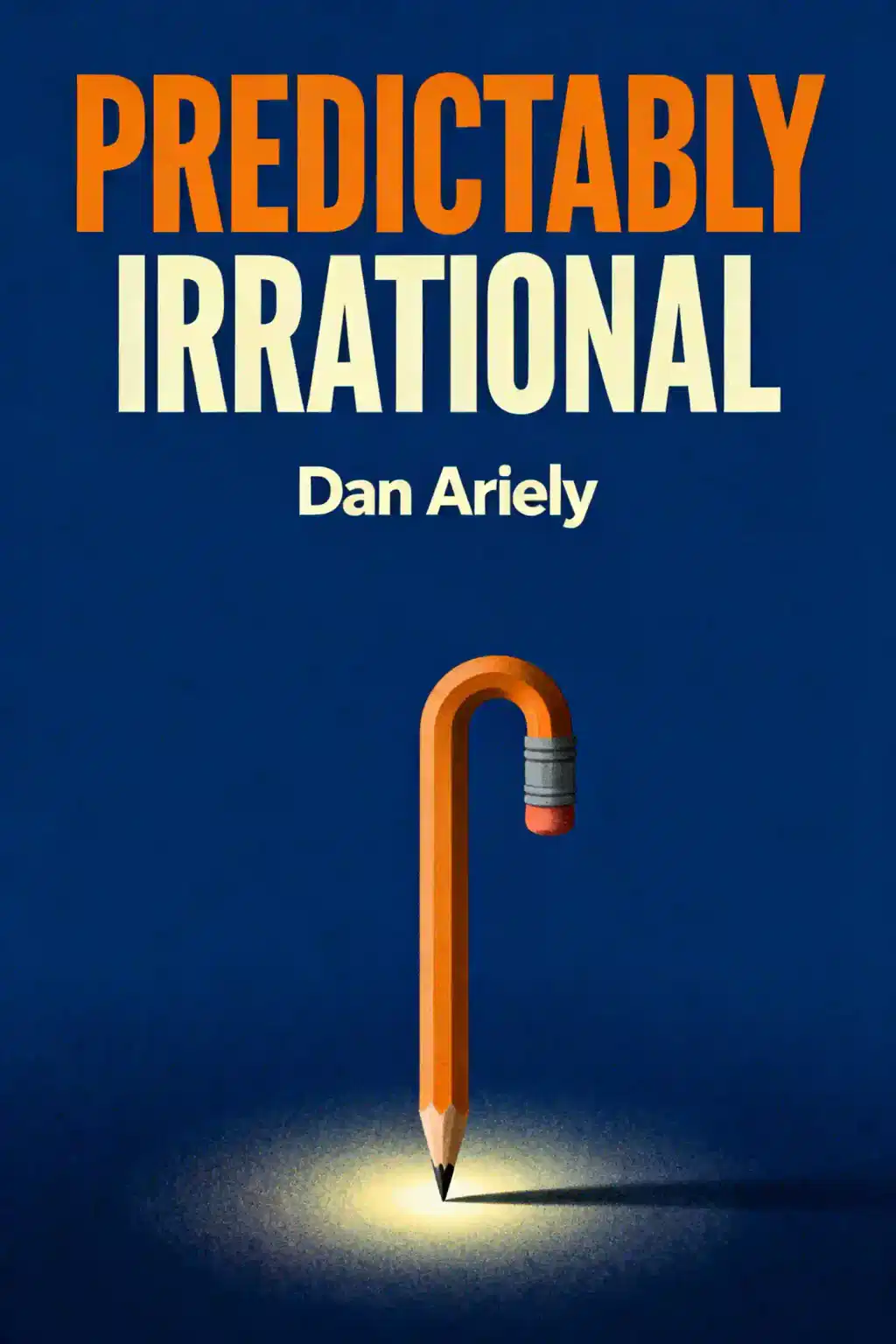
    Lena: Speaking of predictable patterns, I'm fascinated by what Dan Ariely discovered about our decision-making. We're not randomly irrational-we're predictably irrational!

    1:54

    Eli: Oh, this is so good! Like that Williams-Sonoma bread maker example. They couldn't sell their $275 bread maker until they introduced a $429 model. Suddenly, the original seemed like a bargain! Nothing rational changed, but sales skyrocketed.

    2:10

    Lena: That's the relativity trap in action! We rarely evaluate things in absolute terms. Instead, we're constantly comparing. It's why that Economist subscription offer was so brilliant-or devious, depending on how you look at it.

    2:25

    Eli: Right! The print-only option for $125 made the print-and-web combo at the same price look amazing. But when they removed that "decoy," preferences completely shifted. Our brains are just wired to make relative comparisons.

    2:39

    Lena: And this shows up everywhere in operations. Think about how employees evaluate their compensation, or how customers perceive value. Understanding this relativity bias can completely change how we design systems and processes.

    4

    The Two Systems of Thinking

    2:55

    Eli: Now, if we really want to understand behavior in operations, we need to talk about how our brains actually work. Kahneman's research on fast and slow thinking is absolutely revolutionary here.

    3:05

    Lena: Yes! System 1 is that quick, intuitive, automatic thinking-like recognizing a colleague's face or feeling alarmed by an angry customer. System 2 is the slow, deliberate, analytical thinking we use for complex problems.

    3:21

    Eli: And here's the kicker-System 2, our conscious analytical self, is incredibly lazy! It requires mental effort, and our brains want to conserve energy. So we default to System 1's quick judgments way more than we should.

    3:35

    Lena: This has huge implications for operations management. When workers are mentally depleted-maybe it's late in the day, or they're dealing with multiple complex tasks-they're going to rely more on those quick, automatic responses.

    1:30

    Eli: Exactly! And that's when we see more errors, more shortcuts, more reliance on heuristics. Smart operations managers need to design systems that account for this mental fatigue and cognitive load.

    5

    When Emotions Override Logic

    4:02

    Lena: Let's talk about something that really challenges traditional operations thinking-the role of emotions. We used to think good decision-making meant removing emotions entirely.

    4:13

    Eli: But that's completely wrong! Ariely's research on the "hot-cold empathy gap" shows we literally can't predict how we'll behave when our emotions are running high. It's like we become completely different people.

    4:25

    Lena: Those Berkeley students who answered questions about risky behaviors while calm versus aroused-the differences were staggering! When aroused, they predicted 72% higher desire for unusual activities and were 25% more likely to skip safety precautions.

    4:42

    Eli: This is so relevant for operations! Think about high-pressure situations-emergency responses, critical system failures, tight deadlines. People don't behave the same way they would in calm, rational planning sessions.

    4:55

    Lena: So instead of just training people to "stay calm under pressure," we need to design systems and processes that work even when people are in those emotional states. It's about building in safeguards and decision support.

    6

    The Power of FREE and Social Norms

    5:10

    Eli: Here's something that absolutely blows my mind about human psychology-the word "FREE!" It literally short-circuits our rational decision-making.

    5:18

    Lena: The truffle versus Hershey's Kiss experiment is perfect! When the truffle cost 15 cents and the Kiss cost 1 cent, 73% chose the superior truffle. But make the Kiss free and the truffle 14 cents? Suddenly 69% chose the inferior free option!

    5:36

    Eli: It's because FREE eliminates the fear of loss that comes with every transaction. There's this emotional surge that overrides rational calculation. Amazon figured this out with free shipping-it boosted sales everywhere except France, where they had a tiny shipping fee.

    5:51

    Lena: And this connects to something equally powerful-the collision between social norms and market norms. When we treat relationships as transactions, we actually destroy motivation.

    6:02

    Eli: That Israeli daycare study is the perfect example! They imposed fines for late pickups, thinking it would reduce the problem. Instead, parents started treating lateness as a purchasable service, and late pickups increased!

    6:15

    Lena: Once you replace social norms with market norms, it's incredibly difficult to go back. This has huge implications for how we motivate employees and design incentive systems.

    7

    Practical Applications for Better Operations

    6:27

    Lena: So for everyone listening, how do we actually apply these insights? I think the key is becoming what some researchers call "decision architects."

    6:36

    Eli: I love that term! It's about designing processes and systems that account for these predictable human behaviors instead of fighting against them.

    0:28

    Lena: Exactly! Like using precommitment mechanisms to help with procrastination. That MIT study showed students with instructor-imposed deadlines performed best, while those with complete flexibility performed worst.

    6:58

    Eli: And think about inventory management-the classic newsvendor problem. Traditional models assume people will order optimally, but research consistently shows this "pull-to-center" bias where people anchor to average demand.

    7:10

    Lena: So instead of just training people to follow the optimal formula, smart operations managers design decision support systems that counteract these biases. Maybe they present information differently, or build in automatic adjustments.

    7:24

    Eli: The bullwhip effect in supply chains is another perfect example. Even when you remove all the operational causes, the behavioral causes persist-people's cognitive limitations and inability to coordinate effectively.

    8

    The Future of Human-Centered Operations

    7:38

    Lena: As we wrap this up, I'm really excited about where this field is heading. We're moving beyond just describing these biases to actually designing better systems.

    1:02

    Eli: Absolutely! It's not about changing human nature-that's impossible. It's about designing operations that work with human nature instead of against it.

    7:56

    Lena: And the research shows this isn't just academic theory. Companies that understand and account for behavioral factors consistently outperform those that don't. It's about creating what some call "cognitive repairs"-organizational practices that compensate for individual cognitive limitations.

    8:14

    Eli: For our listeners, this means looking at your own workplace with fresh eyes. Where are people making predictable errors? Where are good intentions being derailed by cognitive biases? Those are opportunities to design better processes.

    8:28

    Lena: The beautiful thing is, once you start seeing these patterns, you can't unsee them. You become much more effective at creating systems that actually work for real humans, not theoretical rational actors.

    8:41

    Eli: And on that note, stay curious, keep questioning those assumptions about how people "should" behave, and remember-we're all predictably irrational, and that's actually a superpower once you know how to work with it!

    More like this

    podcast cover
    You Are Not So SmartThe Art Of Thinking ClearlyIrrationalityClear Thinking
    18 sources
    Why Smart People Think Irrationally
    Explore the fascinating phenomenon of dysrationalia - when intelligent people consistently make irrational decisions - and discover why our brains are wired to win arguments rather than find truth.
    11 min
    book cover
    Predictably Irrational
    Dan Ariely
    Explores hidden forces shaping our decisions, revealing systematic irrationality in human behavior through engaging experiments and real-world applications.
    9 min
    podcast cover
    Predictably IrrationalHow to DecideThe Art of ChoosingScarcity
    21 sources
    The Hidden Psychology of Choice
    Explore how our decisions are shaped by unconscious biases, emotional drivers, and cognitive shortcuts—and why even brilliant minds fall into predictable traps. Discover frameworks that explain the gap between our rational and emotional decision systems.
    52 min
    podcast cover
    Predictably IrrationalDrunk Tank PinkHow to DecideThe Social Animal
    27 sources
    The Hidden Mind Behind Human Behavior
    Discover why 90% of our actions are driven by subconscious forces, not rational thought. Explore the fascinating psychology behind our everyday decisions and self-deceptions.
    40 min
    book cover
    Irrationality
    Stuart Sutherland
    A thought-provoking exploration of human irrationality, examining cognitive biases and flawed decision-making through psychological research and real-world examples.
    9 min
    book cover
    Mindware
    Richard E. Nisbett
    A psychologist's toolkit for smarter thinking, offering scientific concepts to improve decision-making in work and life.
    9 min
    podcast cover
    Get Things Done
    1 source
    The Hidden Psychology Behind Our Scattered Minds
    Discover how mindful dopamine regulation transforms productivity for high-achievers. Learn why traditional advice fails and how understanding your brain's reward systems creates sustainable focus and lasting change.
    9 min
    podcast cover
    source 1source 2source 3source 4
    6 sources
    Psychology: Your Mind's Hidden Operating System
    Explore how your ancient brain navigates modern life through fascinating insights from cognitive biases to social influence. Discover practical tools for better decisions, relationships, and mental health.
    35 min