A Stranger Helps You When You're Lost | Episode 1
Listen to Episode 1 as we explore personal stories of getting lost and the human connection found through acts of kindness when a stranger helps you find your way.

Best quote from A Stranger Helps You When You're Lost | Episode 1
We are all, at some point, totally dependent on the kindness of a stranger. Whether it’s a car breakdown, a lost map, or a medical emergency, there will be a moment where your survival depends on a person you haven't met yet.

This audio lesson was created by a BeFreed community member
Episode 1: A Stranger Helps You When You're Lost


Frequently Asked Questions
Episode 1 focuses on the profound impact of human connection and acts of kindness. Through personal stories, the episode explores the vulnerable experience of getting lost and the relief found when a stranger helps you. It highlights how brief encounters with helpful individuals can restore our faith in others and turn a stressful situation into a meaningful memory of compassion.
Yes, this episode features personal stories centered on the theme of getting lost and receiving unexpected assistance. These narratives delve into the emotions of being disoriented in an unfamiliar place and the specific moments where a stranger helping you changed the outcome of the day. The episode aims to showcase authentic examples of kindness that occur in everyday life.
The podcast highlights these moments to emphasize the power of acts of kindness and the strength of human connection. Getting lost is a universal experience that often leads to anxiety, but when a stranger steps in to help, it creates a unique bond between two people. By sharing these stories, Episode 1 celebrates the selfless nature of individuals who go out of their way for others.
Discover more

Talk to Strangers Without Overthinking
This plan is essential for anyone who feels paralyzed by social anxiety or struggles to find the right words in new environments. It provides a science-based approach to managing the body's stress response while offering practical tools for real-world interaction.

From Strangers to Close Friends
In an increasingly isolated world, many struggle to move past surface-level interactions. This guide is designed for professionals and social seekers who want to master the art of rapport and build meaningful, long-term relationships.

The Map of Your Inner World
This learning plan is essential for individuals feeling disconnected from their intuition or overwhelmed by self-criticism. It provides a practical framework for anyone seeking to transition from external approval to a grounded, self-led life.

The Social Intuition Blueprint
In an era of rapid communication, understanding the subtle undercurrents of human interaction is a vital competitive advantage. This plan is ideal for leaders, negotiators, and anyone looking to master social perception and behavioral decoding.

Clear Intuition in the Storm
This plan is essential for individuals who feel overwhelmed by emotional triggers and struggle to trust their inner voice during conflict. It is designed for those seeking to bridge the gap between somatic regulation and clear-headed decision-making in high-stakes personal or professional situations.

The Hidden Language of Trust
In an era of digital disconnect, mastering the nuances of human behavior is essential for effective leadership and conflict resolution. This plan is designed for professionals and negotiators who need to read between the lines and build psychological safety in high-stakes environments.

Reclaim Your Inner Compass
In a world driven by external metrics, many lose touch with their own intuition and value. This plan is designed for high-achievers and people-pleasers who want to break free from the exhaustion of seeking validation and finally trust their own voice.
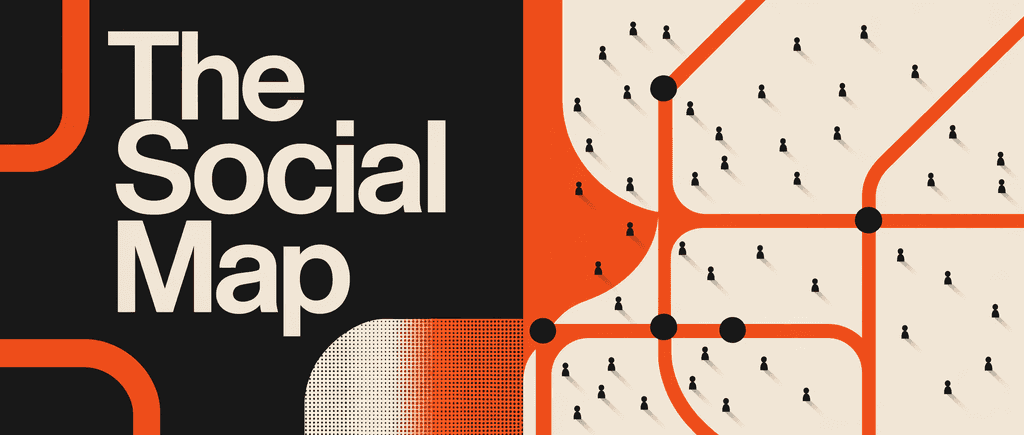
The Social Map: Decoding Human Dynamics
In an increasingly complex world, understanding the underlying drivers of human behavior is a critical competitive advantage. This plan is designed for leaders, collaborators, and anyone looking to master the psychological tools necessary to navigate social landscapes and influence group outcomes.
From Columbia University alumni built in San Francisco
"Instead of endless scrolling, I just hit play on BeFreed. It saves me so much time."


"I never knew where to start with nonfiction—BeFreed’s book lists turned into podcasts gave me a clear path."


"Perfect balance between learning and entertainment. Finished ‘Thinking, Fast and Slow’ on my commute this week."
"Crazy how much I learned while walking the dog. BeFreed = small habits → big gains."
"Reading used to feel like a chore. Now it’s just part of my lifestyle."

"Feels effortless compared to reading. I’ve finished 6 books this month already."
"BeFreed turned my guilty doomscrolling into something that feels productive and inspiring."

"BeFreed turned my commute into learning time. 20-min podcasts are perfect for finishing books I never had time for."
"BeFreed replaced my podcast queue. Imagine Spotify for books — that’s it. 🙌"

"It is great for me to learn something from the book without reading it."
"The themed book list podcasts help me connect ideas across authors—like a guided audio journey."
"Makes me feel smarter every time before going to work"
From Columbia University alumni built in San Francisco
"Instead of endless scrolling, I just hit play on BeFreed. It saves me so much time."
"I never knew where to start with nonfiction—BeFreed’s book lists turned into podcasts gave me a clear path."
"Perfect balance between learning and entertainment. Finished ‘Thinking, Fast and Slow’ on my commute this week."
"Crazy how much I learned while walking the dog. BeFreed = small habits → big gains."
"Reading used to feel like a chore. Now it’s just part of my lifestyle."
"Feels effortless compared to reading. I’ve finished 6 books this month already."
"BeFreed turned my guilty doomscrolling into something that feels productive and inspiring."
"BeFreed turned my commute into learning time. 20-min podcasts are perfect for finishing books I never had time for."
"BeFreed replaced my podcast queue. Imagine Spotify for books — that’s it. 🙌"
"It is great for me to learn something from the book without reading it."
"The themed book list podcasts help me connect ideas across authors—like a guided audio journey."
"Makes me feel smarter every time before going to work"
"Instead of endless scrolling, I just hit play on BeFreed. It saves me so much time."
"I never knew where to start with nonfiction—BeFreed’s book lists turned into podcasts gave me a clear path."
"Perfect balance between learning and entertainment. Finished ‘Thinking, Fast and Slow’ on my commute this week."
"Crazy how much I learned while walking the dog. BeFreed = small habits → big gains."
"Reading used to feel like a chore. Now it’s just part of my lifestyle."
"Feels effortless compared to reading. I’ve finished 6 books this month already."
"BeFreed turned my guilty doomscrolling into something that feels productive and inspiring."
"BeFreed turned my commute into learning time. 20-min podcasts are perfect for finishing books I never had time for."
"BeFreed replaced my podcast queue. Imagine Spotify for books — that’s it. 🙌"
"It is great for me to learn something from the book without reading it."
"The themed book list podcasts help me connect ideas across authors—like a guided audio journey."
"Makes me feel smarter every time before going to work"
"Instead of endless scrolling, I just hit play on BeFreed. It saves me so much time."
"I never knew where to start with nonfiction—BeFreed’s book lists turned into podcasts gave me a clear path."
"Perfect balance between learning and entertainment. Finished ‘Thinking, Fast and Slow’ on my commute this week."
"Crazy how much I learned while walking the dog. BeFreed = small habits → big gains."
"Reading used to feel like a chore. Now it’s just part of my lifestyle."
"Feels effortless compared to reading. I’ve finished 6 books this month already."
"BeFreed turned my guilty doomscrolling into something that feels productive and inspiring."
"BeFreed turned my commute into learning time. 20-min podcasts are perfect for finishing books I never had time for."
"BeFreed replaced my podcast queue. Imagine Spotify for books — that’s it. 🙌"
"It is great for me to learn something from the book without reading it."
"The themed book list podcasts help me connect ideas across authors—like a guided audio journey."
"Makes me feel smarter every time before going to work"