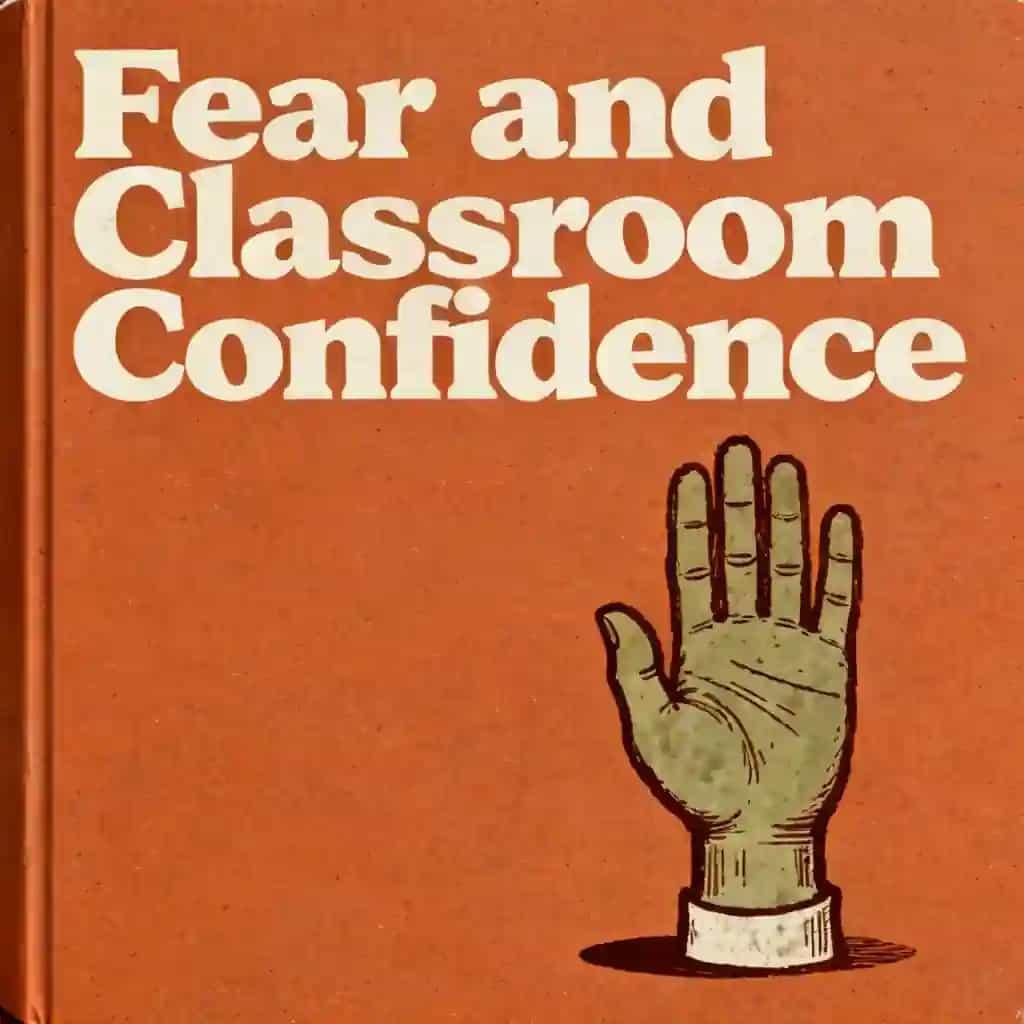
When Honor Students Freeze: Navigating Classroom Shame
Explore the psychological impact of public call-outs and your legal rights under RA 7610 when classroom expectations lead to verbal abuse.

Best quote from When Honor Students Freeze: Navigating Classroom Shame
You’re owning the behavior, not the identity. By approaching the teacher privately to apologize for the freeze, you’re actually modeling the behavior you wanted from her—showing that serious matters should be handled one-on-one.
Generated by Anna
My filipino teacher is mad and disappointed at me. After I didn't stand up and answer for the recitation. She told us that she didn't like when she called someone then didn't stand. It's embarrassing, especially when you're honor student. She called me many times but I just staring at nothing or zoning out then glancing at her a little. She can talk to me in private too, than saying that infront of everyone. I get what she meant but yk

Frequently Asked Questions
This reaction, often called academic paralysis, is typically not a result of laziness or a lack of respect. For high achievers, the intense pressure to be perfect can cause the brain to overload and shut down, similar to a computer with too many tabs open. Psychologists note that perfectionism can trigger "perseveration," a state of mental spinning where the fear of making a mistake makes it impossible to initiate a task or respond to a prompt.
Yes, Philippine law and educational policies provide clear protections for students' dignity. RA 7610 protects children from public humiliation and verbal abuse that causes psychological harm or demeans their dignity. Additionally, DepEd Order No. 40 (Child Protection Policy) specifically prohibits acts that debase or belittle a student. Teachers are also bound by a Code of Ethics that requires them to treat students with respect and manage their frustrations without resorting to public shaming.
The framework consists of Remorse, Ownership, and Repair. First, the student expresses sincere remorse by naming the specific action (e.g., "I’m sorry I didn't stand up when called"). Second, the student takes ownership of the behavior without making excuses (e.g., "I realize I was zoned out and it was disrespectful"). Finally, the student offers a repair to regain agency, such as asking if they can attempt the recitation again privately or how they can make the situation right.
The imposter phenomenon is the feeling of being a "phony" despite academic success, and public criticism can feel like a confirmation of these fears. To combat this, students are encouraged to seek internal validation rather than relying solely on teacher or parent approval. Normalizing the struggle—recognizing that even the brightest students experience "blank page" days—helps decouple a single mistake from one's overall identity as a capable student.
Students can use "chunking" to break down tasks into tiny, manageable steps, such as simply focusing on the physical act of standing up first. "Low-to-high stimulation transitions," like taking deep breaths before a stressful class, can help calm the nervous system. Additionally, having an "emergency script" ready—such as "I’m having a hard time focusing, may I have a moment?"—allows a student to communicate their needs to the teacher before a "freeze" is misinterpreted as defiance.
From Columbia University alumni built in San Francisco
"Instead of endless scrolling, I just hit play on BeFreed. It saves me so much time."


"I never knew where to start with nonfiction—BeFreed’s book lists turned into podcasts gave me a clear path."


"Perfect balance between learning and entertainment. Finished ‘Thinking, Fast and Slow’ on my commute this week."
"Crazy how much I learned while walking the dog. BeFreed = small habits → big gains."
"Reading used to feel like a chore. Now it’s just part of my lifestyle."

"Feels effortless compared to reading. I’ve finished 6 books this month already."
"BeFreed turned my guilty doomscrolling into something that feels productive and inspiring."

"BeFreed turned my commute into learning time. 20-min podcasts are perfect for finishing books I never had time for."
"BeFreed replaced my podcast queue. Imagine Spotify for books — that’s it. 🙌"

"It is great for me to learn something from the book without reading it."
"The themed book list podcasts help me connect ideas across authors—like a guided audio journey."
"Makes me feel smarter every time before going to work"
From Columbia University alumni built in San Francisco
"Instead of endless scrolling, I just hit play on BeFreed. It saves me so much time."
"I never knew where to start with nonfiction—BeFreed’s book lists turned into podcasts gave me a clear path."
"Perfect balance between learning and entertainment. Finished ‘Thinking, Fast and Slow’ on my commute this week."
"Crazy how much I learned while walking the dog. BeFreed = small habits → big gains."
"Reading used to feel like a chore. Now it’s just part of my lifestyle."
"Feels effortless compared to reading. I’ve finished 6 books this month already."
"BeFreed turned my guilty doomscrolling into something that feels productive and inspiring."
"BeFreed turned my commute into learning time. 20-min podcasts are perfect for finishing books I never had time for."
"BeFreed replaced my podcast queue. Imagine Spotify for books — that’s it. 🙌"
"It is great for me to learn something from the book without reading it."
"The themed book list podcasts help me connect ideas across authors—like a guided audio journey."
"Makes me feel smarter every time before going to work"
"Instead of endless scrolling, I just hit play on BeFreed. It saves me so much time."
"I never knew where to start with nonfiction—BeFreed’s book lists turned into podcasts gave me a clear path."
"Perfect balance between learning and entertainment. Finished ‘Thinking, Fast and Slow’ on my commute this week."
"Crazy how much I learned while walking the dog. BeFreed = small habits → big gains."
"Reading used to feel like a chore. Now it’s just part of my lifestyle."
"Feels effortless compared to reading. I’ve finished 6 books this month already."
"BeFreed turned my guilty doomscrolling into something that feels productive and inspiring."
"BeFreed turned my commute into learning time. 20-min podcasts are perfect for finishing books I never had time for."
"BeFreed replaced my podcast queue. Imagine Spotify for books — that’s it. 🙌"
"It is great for me to learn something from the book without reading it."
"The themed book list podcasts help me connect ideas across authors—like a guided audio journey."
"Makes me feel smarter every time before going to work"
"Instead of endless scrolling, I just hit play on BeFreed. It saves me so much time."
"I never knew where to start with nonfiction—BeFreed’s book lists turned into podcasts gave me a clear path."
"Perfect balance between learning and entertainment. Finished ‘Thinking, Fast and Slow’ on my commute this week."
"Crazy how much I learned while walking the dog. BeFreed = small habits → big gains."
"Reading used to feel like a chore. Now it’s just part of my lifestyle."
"Feels effortless compared to reading. I’ve finished 6 books this month already."
"BeFreed turned my guilty doomscrolling into something that feels productive and inspiring."
"BeFreed turned my commute into learning time. 20-min podcasts are perfect for finishing books I never had time for."
"BeFreed replaced my podcast queue. Imagine Spotify for books — that’s it. 🙌"
"It is great for me to learn something from the book without reading it."
"The themed book list podcasts help me connect ideas across authors—like a guided audio journey."
"Makes me feel smarter every time before going to work"