When Attachment Becomes Betrayal
Exploring why we stay connected to those who hurt us, this episode examines betrayal trauma theory and ambiguous loss—psychological phenomena that explain our complex responses when attachment figures become sources of harm.

Best quote from When Attachment Becomes Betrayal
For children, the attachment figure is their shore—even when that's where the threat is coming from. Our minds prioritize relationship preservation over accurate reality processing because, from an evolutionary perspective, attachment is survival.

This audio lesson was created by a BeFreed community member
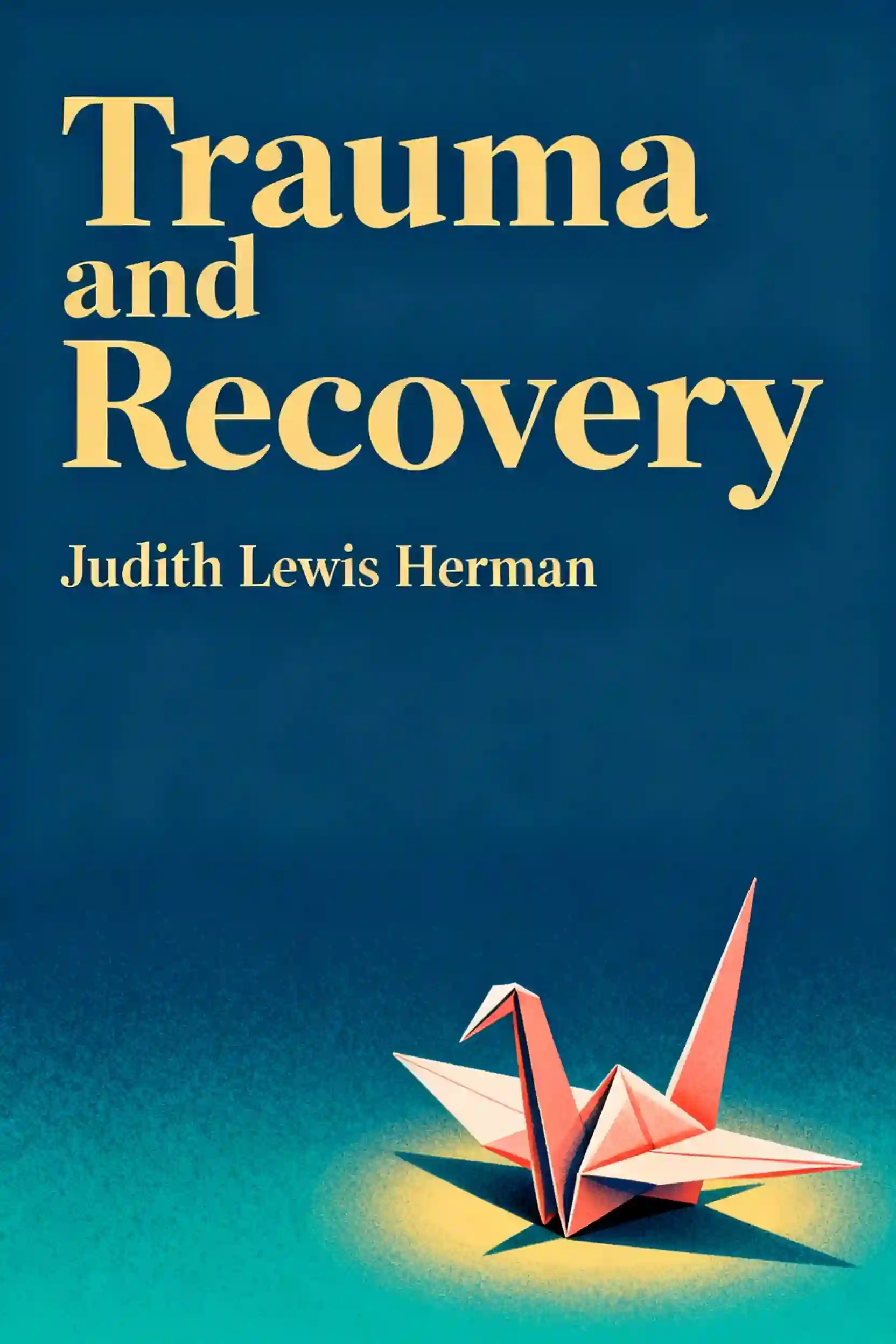
Betrayal trauma (Freyd) and ambiguous loss (Boss): how trauma operates when the source is an attachment figure, and why losses without closure — where the person exists but is gone, where the past turned out to be false — resist normal processing.

Discover more

Rebuild Trust After Betrayal
Betrayal can shatter even the strongest relationships, leaving lasting emotional wounds that seem impossible to heal. This learning plan provides essential tools for anyone who has experienced betrayal or broken trust, whether in romantic partnerships, friendships, or family relationships.

Heal abandonment trauma
Abandonment trauma shapes how we relate to ourselves and others, often creating patterns of anxiety, fear of rejection, and difficulty trusting in relationships. This learning plan is designed for anyone who struggles with insecure attachment, fears of being left behind, or recognizes that childhood experiences continue to impact their adult relationships and self-worth.
Study attachment in relations
Attachment patterns formed in early childhood significantly impact our adult relationships, influencing how we connect with others, handle conflict, and experience intimacy. This learning plan helps anyone struggling with relationship patterns, trust issues, or emotional connection to understand their attachment style and develop healthier relationship dynamics.

Overcome anxious attachment
Anxious attachment affects millions of people, causing relationship anxiety, fear of abandonment, and dependency on partner validation. This learning plan is essential for anyone who struggles with clinginess, overthinking in relationships, or losing themselves trying to keep their partner happy. By addressing the neurological and psychological roots of attachment anxiety, learners gain practical tools to build secure, fulfilling relationships.
Healing attachment wounds for avoidants
Avoidant attachment patterns often develop as protective responses to childhood experiences, creating barriers to intimacy and emotional connection in adult relationships. This learning plan helps those with avoidant tendencies understand their patterns, heal underlying wounds, and develop the capacity for secure, fulfilling relationships.

Attachment Theory in Clinical Practice
Understanding the developmental roots of human connection is essential for any clinician aiming to foster deep, lasting change. This plan is designed for mental health professionals who want to bridge the gap between developmental theory and practical, real-world therapeutic application.
Identify my attachment style
Attachment styles formed in childhood significantly impact our adult relationships, influencing everything from partner selection to conflict resolution. This learning plan helps anyone struggling with relationship patterns identify their attachment style and develop healthier connection strategies.

From Bracing to Breathing
This plan is essential for survivors of emotional abuse seeking to untangle their true identity from trauma-induced defense mechanisms. It is designed for anyone struggling with avoidant attachment or chronic hypervigilance who wants to restore a sense of safety and flow in their relationships.
From Columbia University alumni built in San Francisco
"Instead of endless scrolling, I just hit play on BeFreed. It saves me so much time."


"I never knew where to start with nonfiction—BeFreed’s book lists turned into podcasts gave me a clear path."


"Perfect balance between learning and entertainment. Finished ‘Thinking, Fast and Slow’ on my commute this week."
"Crazy how much I learned while walking the dog. BeFreed = small habits → big gains."
"Reading used to feel like a chore. Now it’s just part of my lifestyle."

"Feels effortless compared to reading. I’ve finished 6 books this month already."
"BeFreed turned my guilty doomscrolling into something that feels productive and inspiring."

"BeFreed turned my commute into learning time. 20-min podcasts are perfect for finishing books I never had time for."
"BeFreed replaced my podcast queue. Imagine Spotify for books — that’s it. 🙌"

"It is great for me to learn something from the book without reading it."
"The themed book list podcasts help me connect ideas across authors—like a guided audio journey."
"Makes me feel smarter every time before going to work"
From Columbia University alumni built in San Francisco
"Instead of endless scrolling, I just hit play on BeFreed. It saves me so much time."
"I never knew where to start with nonfiction—BeFreed’s book lists turned into podcasts gave me a clear path."
"Perfect balance between learning and entertainment. Finished ‘Thinking, Fast and Slow’ on my commute this week."
"Crazy how much I learned while walking the dog. BeFreed = small habits → big gains."
"Reading used to feel like a chore. Now it’s just part of my lifestyle."
"Feels effortless compared to reading. I’ve finished 6 books this month already."
"BeFreed turned my guilty doomscrolling into something that feels productive and inspiring."
"BeFreed turned my commute into learning time. 20-min podcasts are perfect for finishing books I never had time for."
"BeFreed replaced my podcast queue. Imagine Spotify for books — that’s it. 🙌"
"It is great for me to learn something from the book without reading it."
"The themed book list podcasts help me connect ideas across authors—like a guided audio journey."
"Makes me feel smarter every time before going to work"
"Instead of endless scrolling, I just hit play on BeFreed. It saves me so much time."
"I never knew where to start with nonfiction—BeFreed’s book lists turned into podcasts gave me a clear path."
"Perfect balance between learning and entertainment. Finished ‘Thinking, Fast and Slow’ on my commute this week."
"Crazy how much I learned while walking the dog. BeFreed = small habits → big gains."
"Reading used to feel like a chore. Now it’s just part of my lifestyle."
"Feels effortless compared to reading. I’ve finished 6 books this month already."
"BeFreed turned my guilty doomscrolling into something that feels productive and inspiring."
"BeFreed turned my commute into learning time. 20-min podcasts are perfect for finishing books I never had time for."
"BeFreed replaced my podcast queue. Imagine Spotify for books — that’s it. 🙌"
"It is great for me to learn something from the book without reading it."
"The themed book list podcasts help me connect ideas across authors—like a guided audio journey."
"Makes me feel smarter every time before going to work"
"Instead of endless scrolling, I just hit play on BeFreed. It saves me so much time."
"I never knew where to start with nonfiction—BeFreed’s book lists turned into podcasts gave me a clear path."
"Perfect balance between learning and entertainment. Finished ‘Thinking, Fast and Slow’ on my commute this week."
"Crazy how much I learned while walking the dog. BeFreed = small habits → big gains."
"Reading used to feel like a chore. Now it’s just part of my lifestyle."
"Feels effortless compared to reading. I’ve finished 6 books this month already."
"BeFreed turned my guilty doomscrolling into something that feels productive and inspiring."
"BeFreed turned my commute into learning time. 20-min podcasts are perfect for finishing books I never had time for."
"BeFreed replaced my podcast queue. Imagine Spotify for books — that’s it. 🙌"
"It is great for me to learn something from the book without reading it."
"The themed book list podcasts help me connect ideas across authors—like a guided audio journey."
"Makes me feel smarter every time before going to work"