Regret isn't a mistake to fix; it's a form of grief. Learn why your brain loops on the past and how to move from self-criticism toward real growth.
Best quote from Healing from regret and the pain of heartache
“
The goal of healing isn't to delete the memory, but to 'de-tag' it—to lower the emotional charge so it becomes just a story, not a live wire.
”
K
Generated by Kristine
Input question
Dealing with heartache and regret
Host voices
Lena
Eli
Knowledge sources
Frequently Asked Questions
This sensation is rooted in your neurobiology rather than a character flaw. Research indicates that for some people, the brain's reward system—specifically the nucleus accumbens—remains hyper-active during grief, creating a biological craving for the lost connection. Because the brain is "expecting" the person or situation to still be there, it creates an agonizing mismatch with reality. Furthermore, rumination activates the same neural circuits as physical pain, and the amygdala "emotionally tags" these memories as high-level dangers, repeatedly pushing them to the front of your mind to ensure you don't forget the "threat."
A simple apology is often just a sentence intended to end a conflict, but a real repair is a comprehensive process that addresses the nervous system's need for safety. An effective repair consists of five specific parts: acknowledging exactly what happened, demonstrating an understanding of the specific impact on the other person, taking full responsibility without making excuses, expressing genuine empathy, and showing changed behavior. Changed behavior is particularly vital because it is the only thing that signals to the other person's nervous system that the wound is not still actively occurring in the present.
The ACCEPT framework is a method used to move from being a victim of the past to becoming a student of it. It begins with acknowledging the pain specifically—naming the exact feeling, such as "I am sad because I lost my sense of trust"—rather than pretending it isn't there. The process involves separating the objective facts of what happened from the interpretations or "cognitive distortions" we build around them, such as all-or-nothing thinking or catastrophizing. By examining whether we are grieving the actual reality or just an imagined future, we can begin to de-tag the emotional charge of the memory.
If direct amends are impossible because the person is no longer in your life, you can engage in "symbolic amends." This involves transforming your guilt into a motivator for change in your current life by committing to the values you previously violated; for example, if you regret being unkind in the past, you commit to radical kindness today. Another effective tool is writing a letter that you never send, which allows the emotion to be expressed outside of your body. These actions help "complete" the grief cycle rather than repeating it, proving to yourself that the lesson has been integrated into your character.
A practical starting point is a three-prompt writing exercise designed to move thoughts out of the brain's "default mode network" loop. First, write down exactly what you regret with high specificity to remove the mystery. Second, identify what that regret tells you about your values; for instance, if you regret a lack of courage, it reveals that you deeply value bravery. Finally, identify one small action you can take today that aligns with that value. This shifts the brain from a state of passive rumination to active, value-driven movement.
From Columbia University alumni | built in San Francisco
BeFreed Brings Together A Global Community Of Curious Minds
4.7
avg rating
7.84k+ App Rating
BeFreed Community
Seriously I haven’t even explored this app fully yet but from using it the last few days I am so impressed... BeFreed is on a different level from any other learning app I have used. This makes it ultra engaging and can actually improve your concentration which is great for all the doom scrollers!
@ladyInfinity
I bought BeFreed exactly 23 days ago, and I have used it every single day since. It has completely embedded itself into my daily workflow and learning habit.
@jayallen
The truth is, the app has exceeded all my expectations. I can ask it to generate audio on any topic, whatever it may be, and the result is impressive. My professional field is a specialization in psychotherapy and it is multidisciplinary; however, the answers are very accurate.
@Raguipa
What I appreciate most is how much it's reduced my scrolling – I'm spending less time searching and more time absorbing information. The combination of full audiobooks, podcasts, the learning plans are brilliant.
@colonyofcreatorsNGO
I have been a PhotoReading Accelerated Learning Instructor for the past 24 years... books and reading and learning are my thing, and BeFreed has done a great job in providing an innovative approach to disseminating and delivering information in an easy to consume way.
@BeFreed user
It is not just a book summary app, I have used the 'fun reading' option and it's a much better summary and way to grasp ideas the traditional way, that alone is worth this deal.
@austinakon
I love this app. Used it for several days and I cannot stop listening. Such a great way to start.
@jcrules328
I really like the program; I have already tested it for around one month, and I feel that it's an amazing gem. It works so well because I can use BeFreed to create my own topics, and the voice is so good with unlimited choice of narrations.
@DanielCZ
Seriously I haven’t even explored this app fully yet but from using it the last few days I am so impressed... BeFreed is on a different level from any other learning app I have used. This makes it ultra engaging and can actually improve your concentration which is great for all the doom scrollers!
@ladyInfinity
I bought BeFreed exactly 23 days ago, and I have used it every single day since. It has completely embedded itself into my daily workflow and learning habit.
@jayallen
The truth is, the app has exceeded all my expectations. I can ask it to generate audio on any topic, whatever it may be, and the result is impressive. My professional field is a specialization in psychotherapy and it is multidisciplinary; however, the answers are very accurate.
@Raguipa
What I appreciate most is how much it's reduced my scrolling – I'm spending less time searching and more time absorbing information. The combination of full audiobooks, podcasts, the learning plans are brilliant.
@colonyofcreatorsNGO
I have been a PhotoReading Accelerated Learning Instructor for the past 24 years... books and reading and learning are my thing, and BeFreed has done a great job in providing an innovative approach to disseminating and delivering information in an easy to consume way.
@BeFreed user
It is not just a book summary app, I have used the 'fun reading' option and it's a much better summary and way to grasp ideas the traditional way, that alone is worth this deal.
@austinakon
I love this app. Used it for several days and I cannot stop listening. Such a great way to start.
@jcrules328
I really like the program; I have already tested it for around one month, and I feel that it's an amazing gem. It works so well because I can use BeFreed to create my own topics, and the voice is so good with unlimited choice of narrations.
@DanielCZ
I love the fact that I can get useful, condensed, information and ideas in a 8 - 15 minute podcast style audio. I'm not a general fan of podcasts because of all the fluff, but this cuts through all that.
@BeFreed user
I am finishing up my doctorate, and have to read a lot of unfamiliar material... With BeFreed, you simply enter a prompt, and the app finds source material for you and generates an audio podcast. I find the process in BeFreed to be more streamlined than NotebookLM.
@Brad
I often search YouTube for something to listen to whilst making breakfast, when I'm out walking, commuting, etc, and BeFreed has provided an even more targeted approach, without the adverts and the fluff!
@BeFreed user
The absolute best part about this platform is its versatility. There is literally no subject that is off-topic. It handles whatever you throw at it... It is rare to find an learning tool with zero limitations that actually delivers on its promises.
@jayallen
BeFreed is fantastic. The user-friendly design means I spend less time navigating and more time learning. The mix of audiobooks, podcasts, and learning plans is a genius combo that has completely changed my daily routine.
@BeFreed user
At the start I needed a while to understand how to create podcasts in italian language and boom! It is so great! I can ask to explain every argument and it does so well and so smartly!
@matteo77
BeFreed has become my daily app for audio books tools... What I like the most is the way you put your text and come with an audio that you can listen on the go.
@kotanzu1
I love the fact that I can get useful, condensed, information and ideas in a 8 - 15 minute podcast style audio. I'm not a general fan of podcasts because of all the fluff, but this cuts through all that.
@BeFreed user
I am finishing up my doctorate, and have to read a lot of unfamiliar material... With BeFreed, you simply enter a prompt, and the app finds source material for you and generates an audio podcast. I find the process in BeFreed to be more streamlined than NotebookLM.
@Brad
I often search YouTube for something to listen to whilst making breakfast, when I'm out walking, commuting, etc, and BeFreed has provided an even more targeted approach, without the adverts and the fluff!
@BeFreed user
The absolute best part about this platform is its versatility. There is literally no subject that is off-topic. It handles whatever you throw at it... It is rare to find an learning tool with zero limitations that actually delivers on its promises.
@jayallen
BeFreed is fantastic. The user-friendly design means I spend less time navigating and more time learning. The mix of audiobooks, podcasts, and learning plans is a genius combo that has completely changed my daily routine.
@BeFreed user
At the start I needed a while to understand how to create podcasts in italian language and boom! It is so great! I can ask to explain every argument and it does so well and so smartly!
@matteo77
BeFreed has become my daily app for audio books tools... What I like the most is the way you put your text and come with an audio that you can listen on the go.
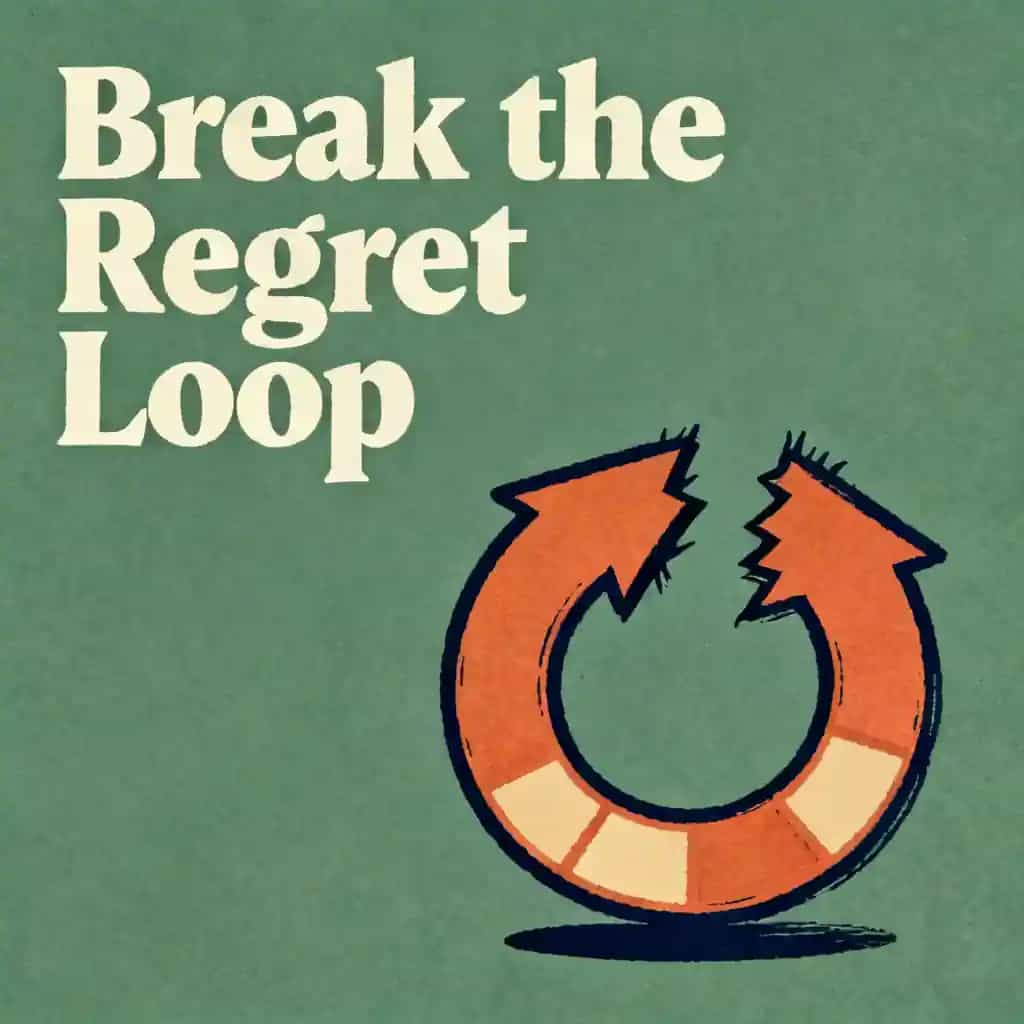
Stop ignoring your past mistakes and start using them as diagnostic tools. Learn to turn personal regret into emotional sobriety and better connection.
Explore why 74% of people regret what they didn't do rather than what they did, and discover practical strategies to transform painful 'what ifs' into valuable life lessons and personal growth.
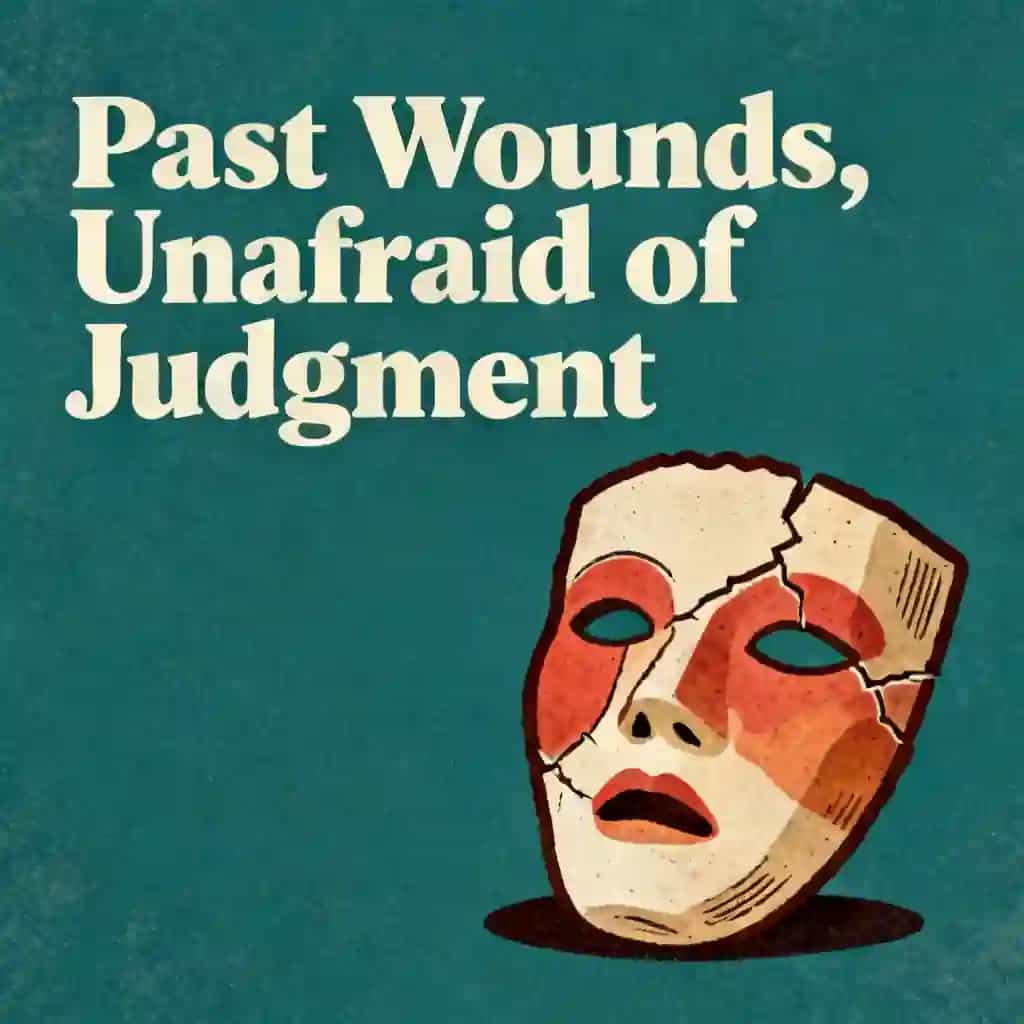
Discover how forgiveness after betrayal isn't about condoning actions but freeing yourself from emotional burden. Learn practical steps to transform pain into personal growth and reclaim your peace.