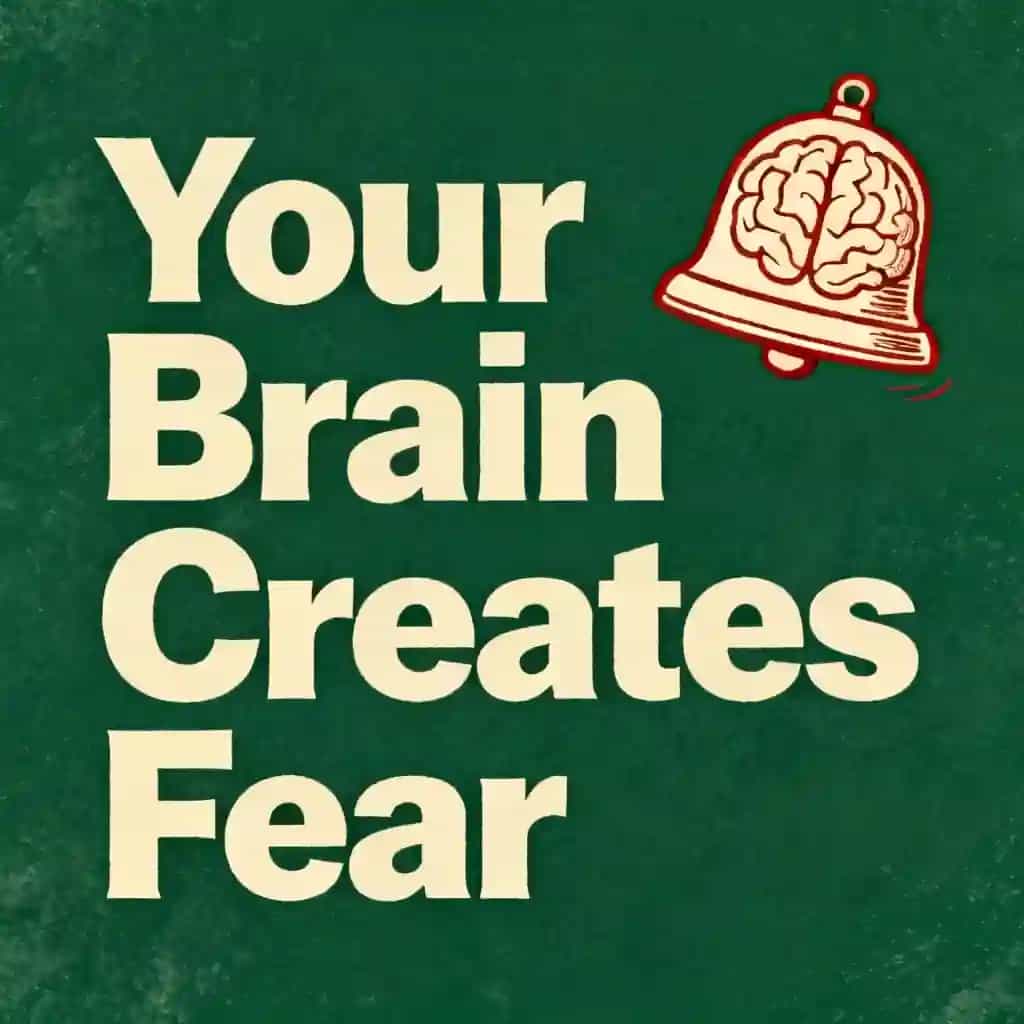
What Fear Really Is and How to Beat It
Discover why everything you've been taught about courage is backwards. Learn the real biology of fear and practical strategies to break free from the cowardice trap.

Best quote from What Fear Really Is and How to Beat It
True courage isn't about conquering fear or being fearless, but actually about having a completely different relationship with fear itself. It is not the original fear that's the problem; it's how we react to feeling afraid that traps us.

This audio lesson was created by a BeFreed community member
What even is fear? In real life? How to overcome it and never be a coward

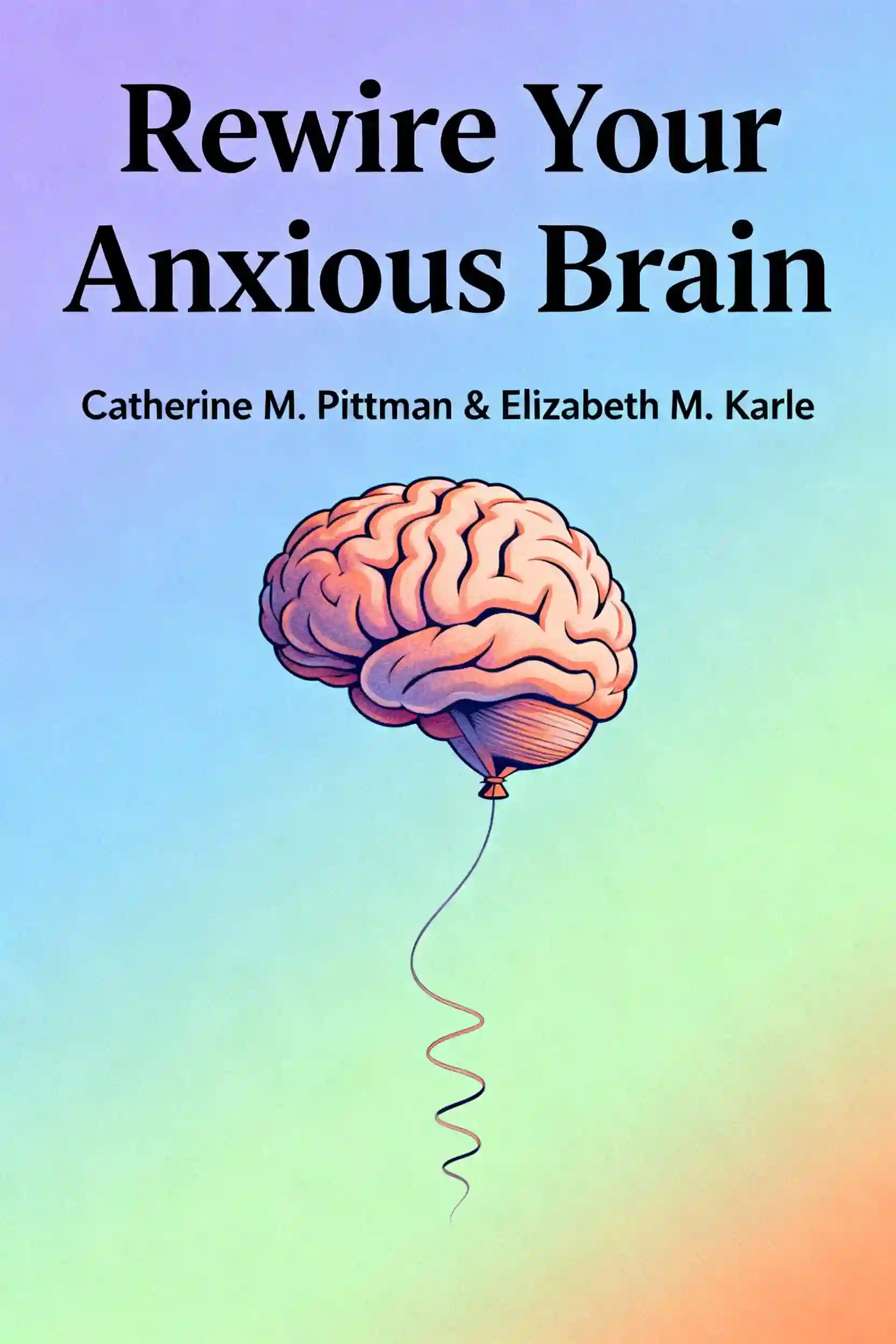
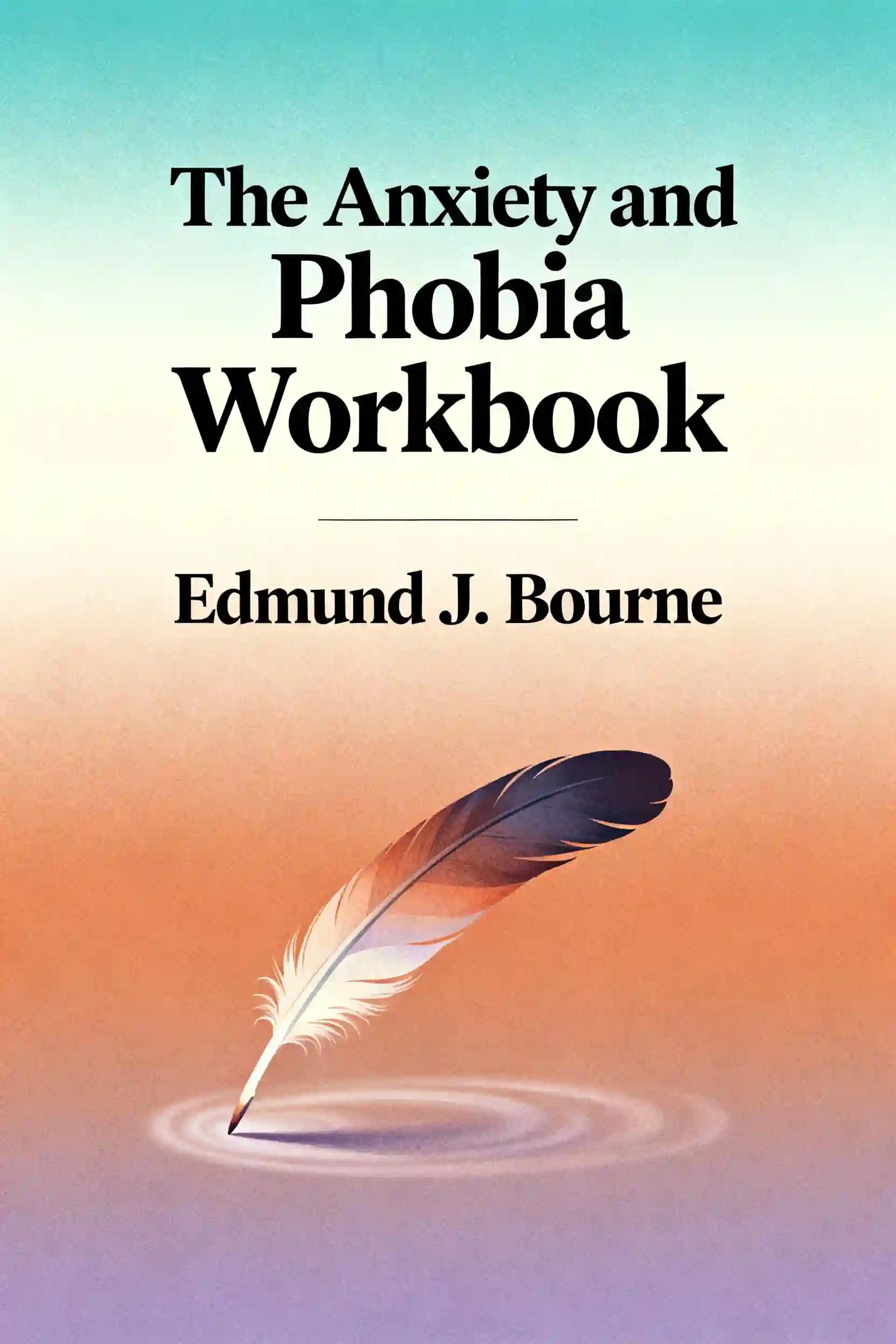
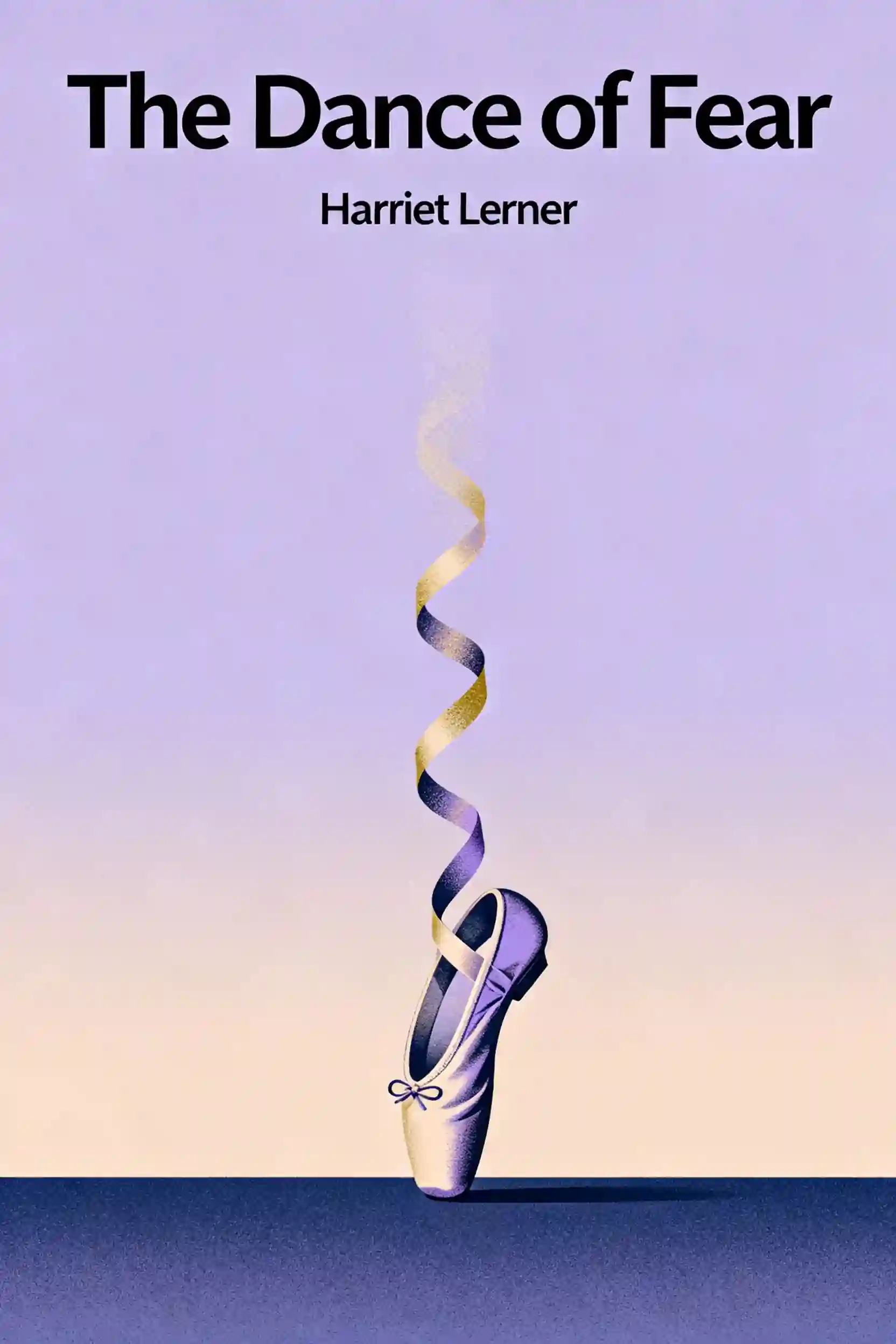
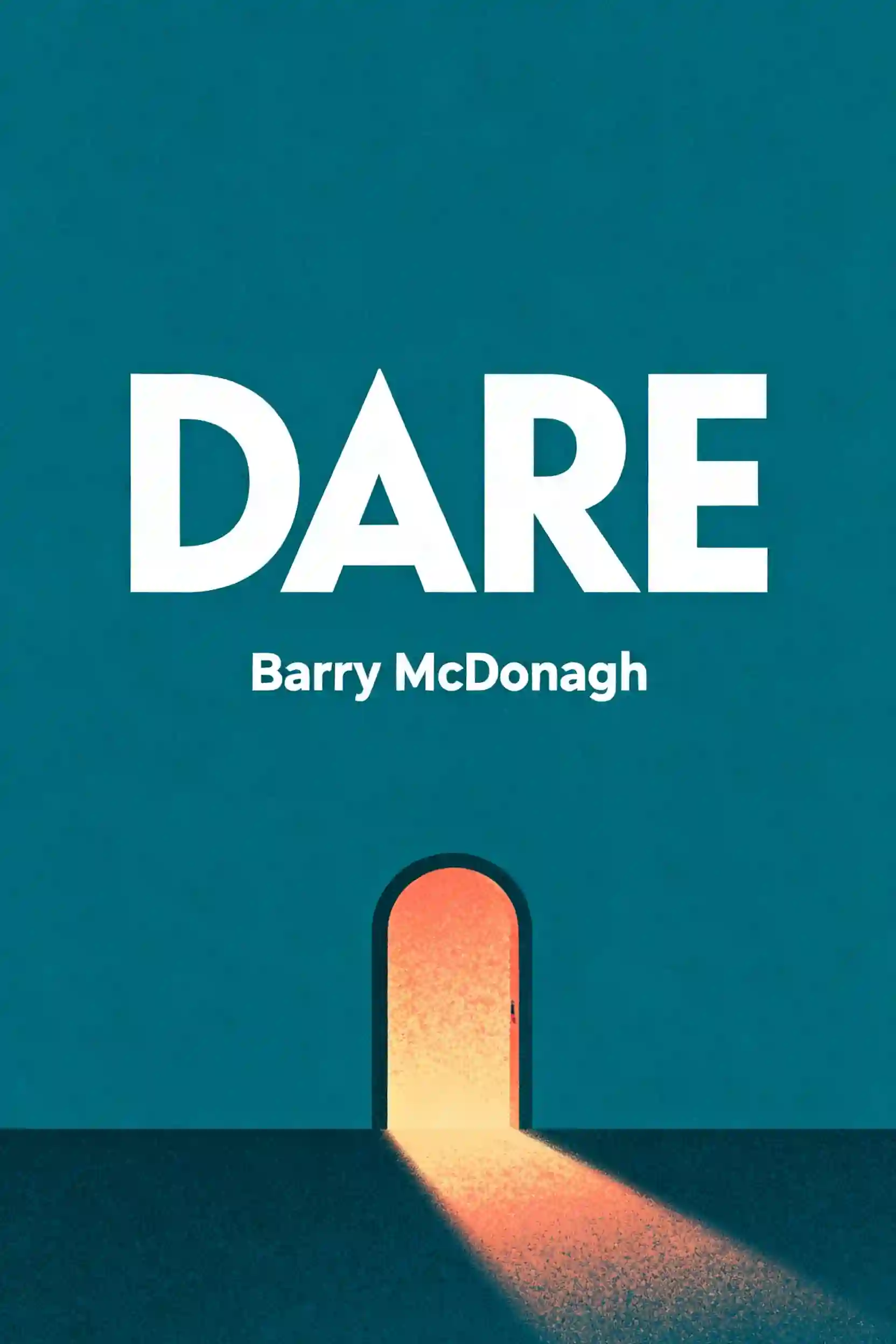
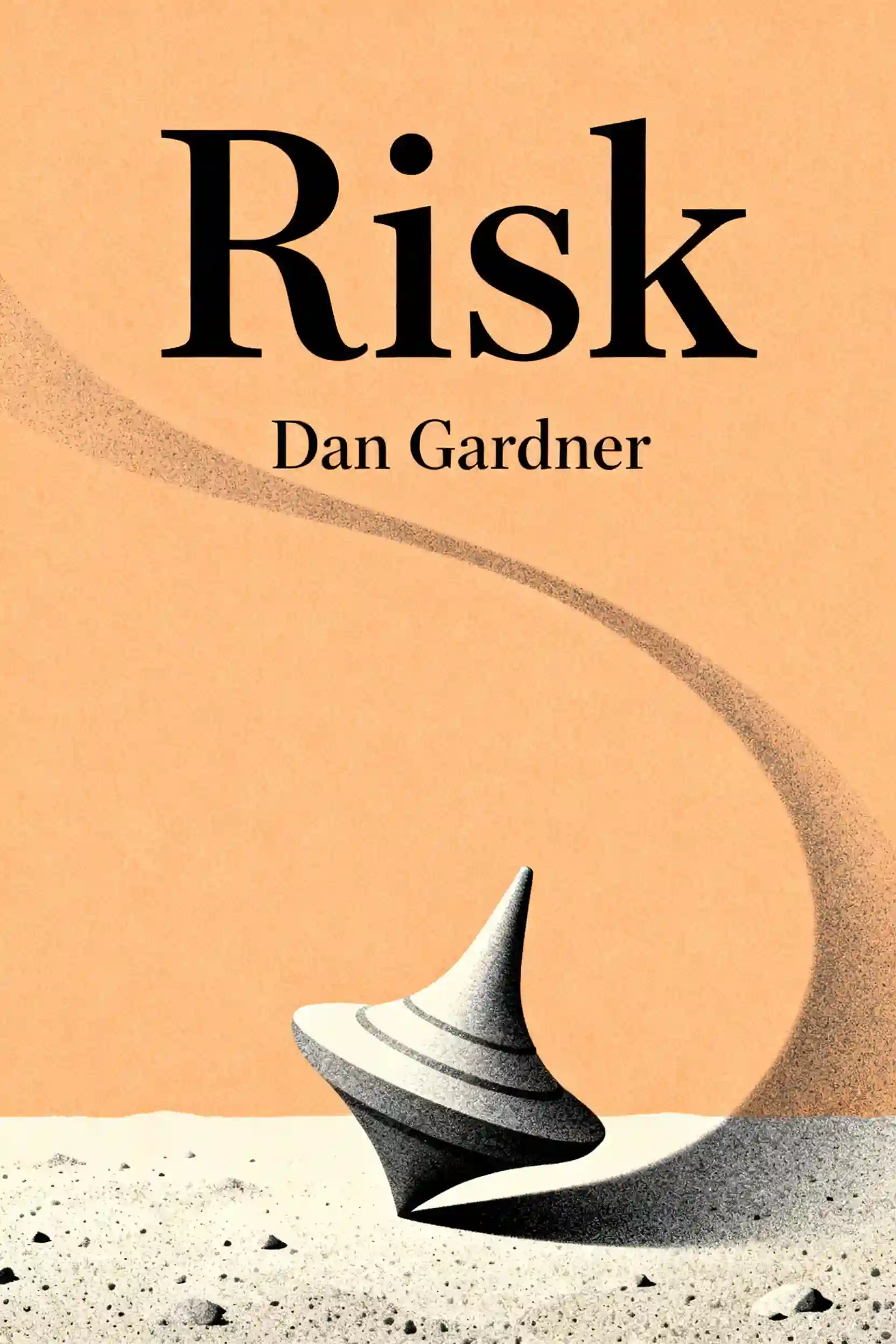
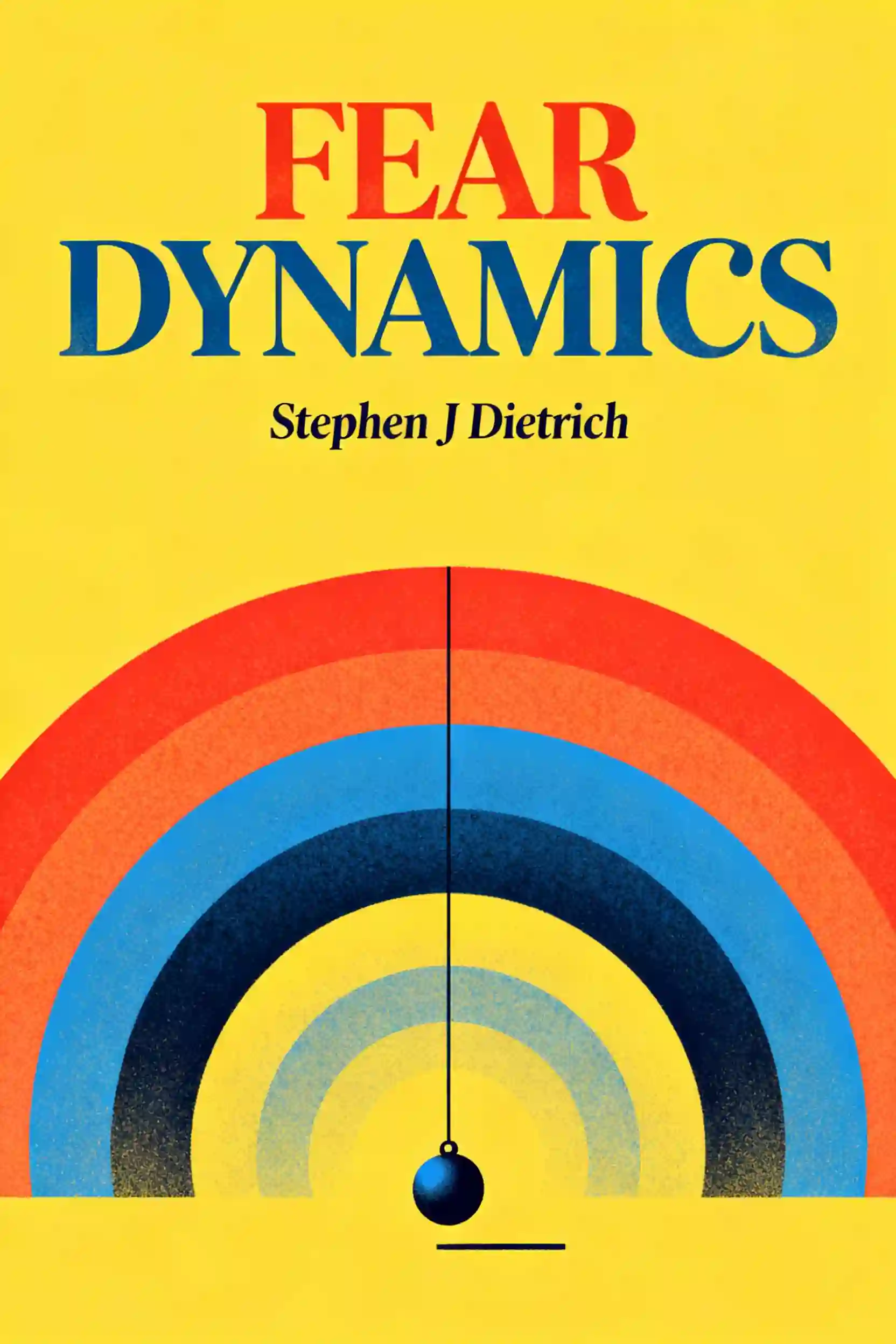
Discover more

Overcome fear and regain control of my life
Fear can paralyze even the most capable individuals, preventing them from living fully and pursuing meaningful goals. This learning plan provides practical tools for anyone feeling stuck in anxiety patterns, helping them recognize fear triggers, take courageous action, and develop the mental resilience needed to reclaim control of their life.

Courage to Face Life
This plan is essential for anyone feeling paralyzed by anxiety or the urge to avoid difficult conversations and situations. It is specifically designed for individuals looking to build emotional resilience and practical communication skills to reclaim control over their professional and personal lives.

Build Self-Belief & Overcome Anxiety & Doubt
This plan is essential for professionals and individuals whose progress is stalled by persistent self-doubt or performance anxiety. It provides a science-backed framework to transition from a mindset of limitation to one of resilient, actionable confidence.

From Avoidance to Social Action
This plan is designed for individuals who feel held back by social anxiety or a persistent fear of judgment. It provides a biological and behavioral framework to move from passive avoidance to active, confident social engagement.

Heal childhood fear cycles
Many adults struggle with anxiety, self-doubt, and fear responses that originated in childhood experiences and were reinforced through family patterns. This learning plan is essential for anyone who recognizes that their current emotional challenges stem from early trauma, attachment wounds, or inherited family dynamics, offering science-based tools to heal at the root level rather than just managing symptoms.

Unshakable Presence: Overcoming the Freeze Response
This plan is essential for professionals who find themselves paralyzed by anxiety during high-stakes meetings or difficult conversations. It provides a practical bridge between biological self-regulation and tactical communication skills for anyone looking to lead with composure.

Breaking Free from Shame
This plan is essential for professionals and individuals whose growth is stalled by persistent self-doubt and social withdrawal. It provides actionable tools to dismantle toxic shame and replace it with grounded confidence and resilient connections.
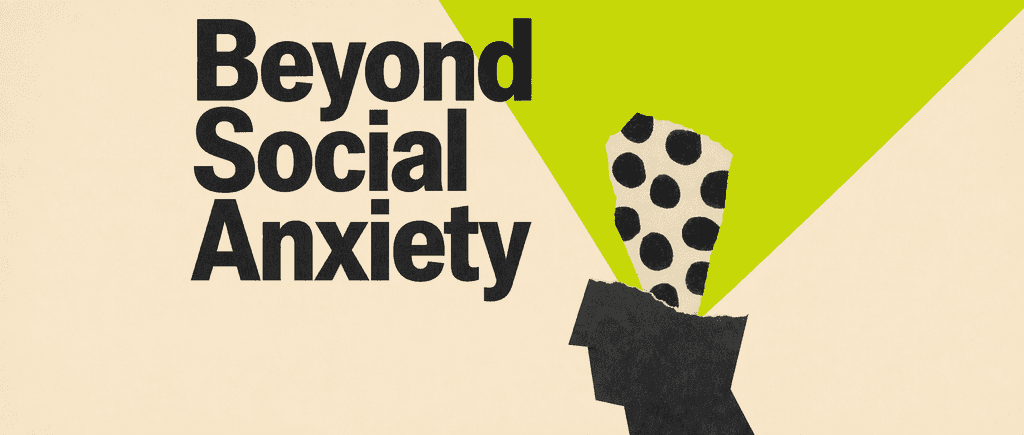
Understand and Overcome Social Anxiety
Social anxiety affects millions of people, preventing them from forming meaningful connections, advancing in careers, and fully enjoying life. This learning plan combines neuroscience, proven therapeutic techniques, and practical social skills to help anyone struggling with social fear—from those avoiding social situations entirely to high-functioning individuals who hide their internal discomfort. Whether you experience occasional nervousness or persistent anxiety in social settings, these evidence-based strategies will help you break free from limiting patterns and build genuine confidence.
From Columbia University alumni built in San Francisco
"Instead of endless scrolling, I just hit play on BeFreed. It saves me so much time."


"I never knew where to start with nonfiction—BeFreed’s book lists turned into podcasts gave me a clear path."


"Perfect balance between learning and entertainment. Finished ‘Thinking, Fast and Slow’ on my commute this week."
"Crazy how much I learned while walking the dog. BeFreed = small habits → big gains."
"Reading used to feel like a chore. Now it’s just part of my lifestyle."

"Feels effortless compared to reading. I’ve finished 6 books this month already."
"BeFreed turned my guilty doomscrolling into something that feels productive and inspiring."

"BeFreed turned my commute into learning time. 20-min podcasts are perfect for finishing books I never had time for."
"BeFreed replaced my podcast queue. Imagine Spotify for books — that’s it. 🙌"

"It is great for me to learn something from the book without reading it."
"The themed book list podcasts help me connect ideas across authors—like a guided audio journey."
"Makes me feel smarter every time before going to work"
From Columbia University alumni built in San Francisco
"Instead of endless scrolling, I just hit play on BeFreed. It saves me so much time."
"I never knew where to start with nonfiction—BeFreed’s book lists turned into podcasts gave me a clear path."
"Perfect balance between learning and entertainment. Finished ‘Thinking, Fast and Slow’ on my commute this week."
"Crazy how much I learned while walking the dog. BeFreed = small habits → big gains."
"Reading used to feel like a chore. Now it’s just part of my lifestyle."
"Feels effortless compared to reading. I’ve finished 6 books this month already."
"BeFreed turned my guilty doomscrolling into something that feels productive and inspiring."
"BeFreed turned my commute into learning time. 20-min podcasts are perfect for finishing books I never had time for."
"BeFreed replaced my podcast queue. Imagine Spotify for books — that’s it. 🙌"
"It is great for me to learn something from the book without reading it."
"The themed book list podcasts help me connect ideas across authors—like a guided audio journey."
"Makes me feel smarter every time before going to work"
"Instead of endless scrolling, I just hit play on BeFreed. It saves me so much time."
"I never knew where to start with nonfiction—BeFreed’s book lists turned into podcasts gave me a clear path."
"Perfect balance between learning and entertainment. Finished ‘Thinking, Fast and Slow’ on my commute this week."
"Crazy how much I learned while walking the dog. BeFreed = small habits → big gains."
"Reading used to feel like a chore. Now it’s just part of my lifestyle."
"Feels effortless compared to reading. I’ve finished 6 books this month already."
"BeFreed turned my guilty doomscrolling into something that feels productive and inspiring."
"BeFreed turned my commute into learning time. 20-min podcasts are perfect for finishing books I never had time for."
"BeFreed replaced my podcast queue. Imagine Spotify for books — that’s it. 🙌"
"It is great for me to learn something from the book without reading it."
"The themed book list podcasts help me connect ideas across authors—like a guided audio journey."
"Makes me feel smarter every time before going to work"
"Instead of endless scrolling, I just hit play on BeFreed. It saves me so much time."
"I never knew where to start with nonfiction—BeFreed’s book lists turned into podcasts gave me a clear path."
"Perfect balance between learning and entertainment. Finished ‘Thinking, Fast and Slow’ on my commute this week."
"Crazy how much I learned while walking the dog. BeFreed = small habits → big gains."
"Reading used to feel like a chore. Now it’s just part of my lifestyle."
"Feels effortless compared to reading. I’ve finished 6 books this month already."
"BeFreed turned my guilty doomscrolling into something that feels productive and inspiring."
"BeFreed turned my commute into learning time. 20-min podcasts are perfect for finishing books I never had time for."
"BeFreed replaced my podcast queue. Imagine Spotify for books — that’s it. 🙌"
"It is great for me to learn something from the book without reading it."
"The themed book list podcasts help me connect ideas across authors—like a guided audio journey."
"Makes me feel smarter every time before going to work"