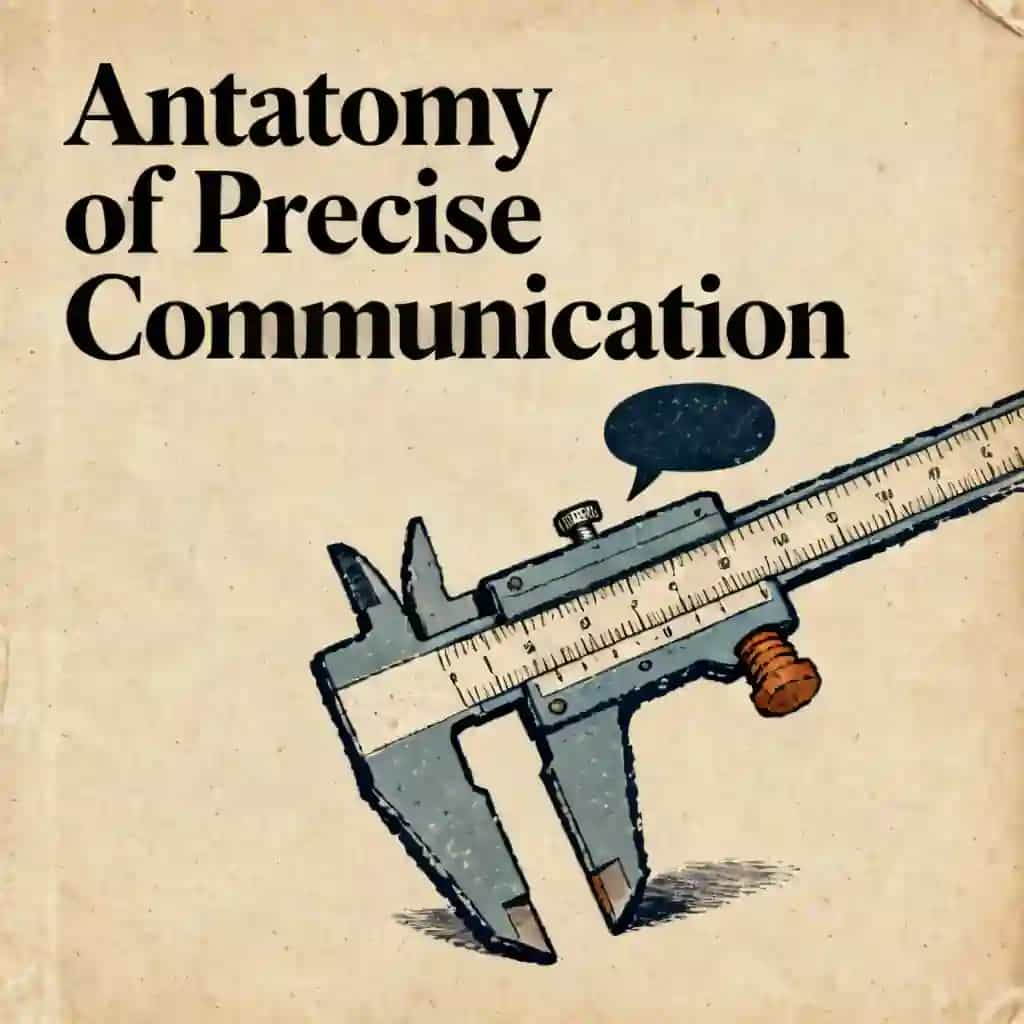
Vague language often leads to miscommunication. Learn how to use precise semantics and the Last Sound technique to ensure your message lands with clarity.
Best quote from Using Semantics to Be Better Understood
“
Precision is an act of generosity; it is the labor you do so that your listener doesn't have to.
”
D
Generated by Dale
Input question
How can I use semantics more when I speak to other people so they can understand what I’m saying
Host voices
Lena
Knowledge sources
Frequently Asked Questions
The Ladder of Abstraction is a concept that visualizes how language moves from concrete, physical objects at the bottom to vague, mental concepts at the top. For example, "Bessie the cow" is at the bottom because she is a specific, touchable being, while "wealth" is at the top because it is an abstract idea. Communication often fails when speakers stay at the top of the ladder using words like "success" or "optimization," which act as Rorschach tests for the listener. To be understood, you must drive your language down the ladder by replacing vague ideas with concrete standards and specific details.
The Curse of Knowledge is a cognitive bias where once you understand a topic, you find it nearly impossible to imagine what it is like not to know it. This leads speakers to assume their listeners share the same reference points and background information, which is rarely the case. To overcome this, the script suggests using "Shared Reference Grounding," which involves starting an explanation with a concept the listener already understands—essentially building a bridge from the known to the unknown.
Most people use "slow revelation," providing background and evidence before reaching their conclusion, which exhausts the listener's working memory. Research shows that people remember information 65% more often when the message is well-structured and the main point is stated upfront. By providing the "box" before the "puzzle pieces," you create a cognitive slot for the listener to store the details you provide, making it physically easier for them to process your message.
A Whole Message is a communication tool that includes four distinct elements: observations, thoughts, feelings, and needs. This provides a complete data set that allows the listener to accurately update their mental model of a situation. In contrast, a Partial Message—such as only sharing a thought like "I don't trust this data"—leaves the listener guessing about your underlying observations or specific needs, which often leads to "Model Drift" and misalignment within a team.
Neuroscience shows that the brain uses the same inhibitory control mechanism to process "semantic violations" (unexpected words) as it does to physically stop a movement. When a speaker is unclear or uses words that violate a listener's predictions, it taxes the listener's brain, forcing them to "stop and restart" their mental simulation. This "inhibitory load" can actually make it harder for the listener to think or perform other tasks, meaning that clear, predictable language is an act of generosity that preserves the listener's neural resources.
From Columbia University alumni | built in San Francisco
BeFreed Brings Together A Global Community Of Curious Minds
4.7
avg rating
7.84k+ App Rating
BeFreed Community
Seriously I haven’t even explored this app fully yet but from using it the last few days I am so impressed... BeFreed is on a different level from any other learning app I have used. This makes it ultra engaging and can actually improve your concentration which is great for all the doom scrollers!
@ladyInfinity
I bought BeFreed exactly 23 days ago, and I have used it every single day since. It has completely embedded itself into my daily workflow and learning habit.
@jayallen
The truth is, the app has exceeded all my expectations. I can ask it to generate audio on any topic, whatever it may be, and the result is impressive. My professional field is a specialization in psychotherapy and it is multidisciplinary; however, the answers are very accurate.
@Raguipa
What I appreciate most is how much it's reduced my scrolling – I'm spending less time searching and more time absorbing information. The combination of full audiobooks, podcasts, the learning plans are brilliant.
@colonyofcreatorsNGO
I have been a PhotoReading Accelerated Learning Instructor for the past 24 years... books and reading and learning are my thing, and BeFreed has done a great job in providing an innovative approach to disseminating and delivering information in an easy to consume way.
@BeFreed user
It is not just a book summary app, I have used the 'fun reading' option and it's a much better summary and way to grasp ideas the traditional way, that alone is worth this deal.
@austinakon
I love this app. Used it for several days and I cannot stop listening. Such a great way to start.
@jcrules328
I really like the program; I have already tested it for around one month, and I feel that it's an amazing gem. It works so well because I can use BeFreed to create my own topics, and the voice is so good with unlimited choice of narrations.
@DanielCZ
Seriously I haven’t even explored this app fully yet but from using it the last few days I am so impressed... BeFreed is on a different level from any other learning app I have used. This makes it ultra engaging and can actually improve your concentration which is great for all the doom scrollers!
@ladyInfinity
I bought BeFreed exactly 23 days ago, and I have used it every single day since. It has completely embedded itself into my daily workflow and learning habit.
@jayallen
The truth is, the app has exceeded all my expectations. I can ask it to generate audio on any topic, whatever it may be, and the result is impressive. My professional field is a specialization in psychotherapy and it is multidisciplinary; however, the answers are very accurate.
@Raguipa
What I appreciate most is how much it's reduced my scrolling – I'm spending less time searching and more time absorbing information. The combination of full audiobooks, podcasts, the learning plans are brilliant.
@colonyofcreatorsNGO
I have been a PhotoReading Accelerated Learning Instructor for the past 24 years... books and reading and learning are my thing, and BeFreed has done a great job in providing an innovative approach to disseminating and delivering information in an easy to consume way.
@BeFreed user
It is not just a book summary app, I have used the 'fun reading' option and it's a much better summary and way to grasp ideas the traditional way, that alone is worth this deal.
@austinakon
I love this app. Used it for several days and I cannot stop listening. Such a great way to start.
@jcrules328
I really like the program; I have already tested it for around one month, and I feel that it's an amazing gem. It works so well because I can use BeFreed to create my own topics, and the voice is so good with unlimited choice of narrations.
@DanielCZ
I love the fact that I can get useful, condensed, information and ideas in a 8 - 15 minute podcast style audio. I'm not a general fan of podcasts because of all the fluff, but this cuts through all that.
@BeFreed user
I am finishing up my doctorate, and have to read a lot of unfamiliar material... With BeFreed, you simply enter a prompt, and the app finds source material for you and generates an audio podcast. I find the process in BeFreed to be more streamlined than NotebookLM.
@Brad
I often search YouTube for something to listen to whilst making breakfast, when I'm out walking, commuting, etc, and BeFreed has provided an even more targeted approach, without the adverts and the fluff!
@BeFreed user
The absolute best part about this platform is its versatility. There is literally no subject that is off-topic. It handles whatever you throw at it... It is rare to find an learning tool with zero limitations that actually delivers on its promises.
@jayallen
BeFreed is fantastic. The user-friendly design means I spend less time navigating and more time learning. The mix of audiobooks, podcasts, and learning plans is a genius combo that has completely changed my daily routine.
@BeFreed user
At the start I needed a while to understand how to create podcasts in italian language and boom! It is so great! I can ask to explain every argument and it does so well and so smartly!
@matteo77
BeFreed has become my daily app for audio books tools... What I like the most is the way you put your text and come with an audio that you can listen on the go.
@kotanzu1
I love the fact that I can get useful, condensed, information and ideas in a 8 - 15 minute podcast style audio. I'm not a general fan of podcasts because of all the fluff, but this cuts through all that.
@BeFreed user
I am finishing up my doctorate, and have to read a lot of unfamiliar material... With BeFreed, you simply enter a prompt, and the app finds source material for you and generates an audio podcast. I find the process in BeFreed to be more streamlined than NotebookLM.
@Brad
I often search YouTube for something to listen to whilst making breakfast, when I'm out walking, commuting, etc, and BeFreed has provided an even more targeted approach, without the adverts and the fluff!
@BeFreed user
The absolute best part about this platform is its versatility. There is literally no subject that is off-topic. It handles whatever you throw at it... It is rare to find an learning tool with zero limitations that actually delivers on its promises.
@jayallen
BeFreed is fantastic. The user-friendly design means I spend less time navigating and more time learning. The mix of audiobooks, podcasts, and learning plans is a genius combo that has completely changed my daily routine.
@BeFreed user
At the start I needed a while to understand how to create podcasts in italian language and boom! It is so great! I can ask to explain every argument and it does so well and so smartly!
@matteo77
BeFreed has become my daily app for audio books tools... What I like the most is the way you put your text and come with an audio that you can listen on the go.
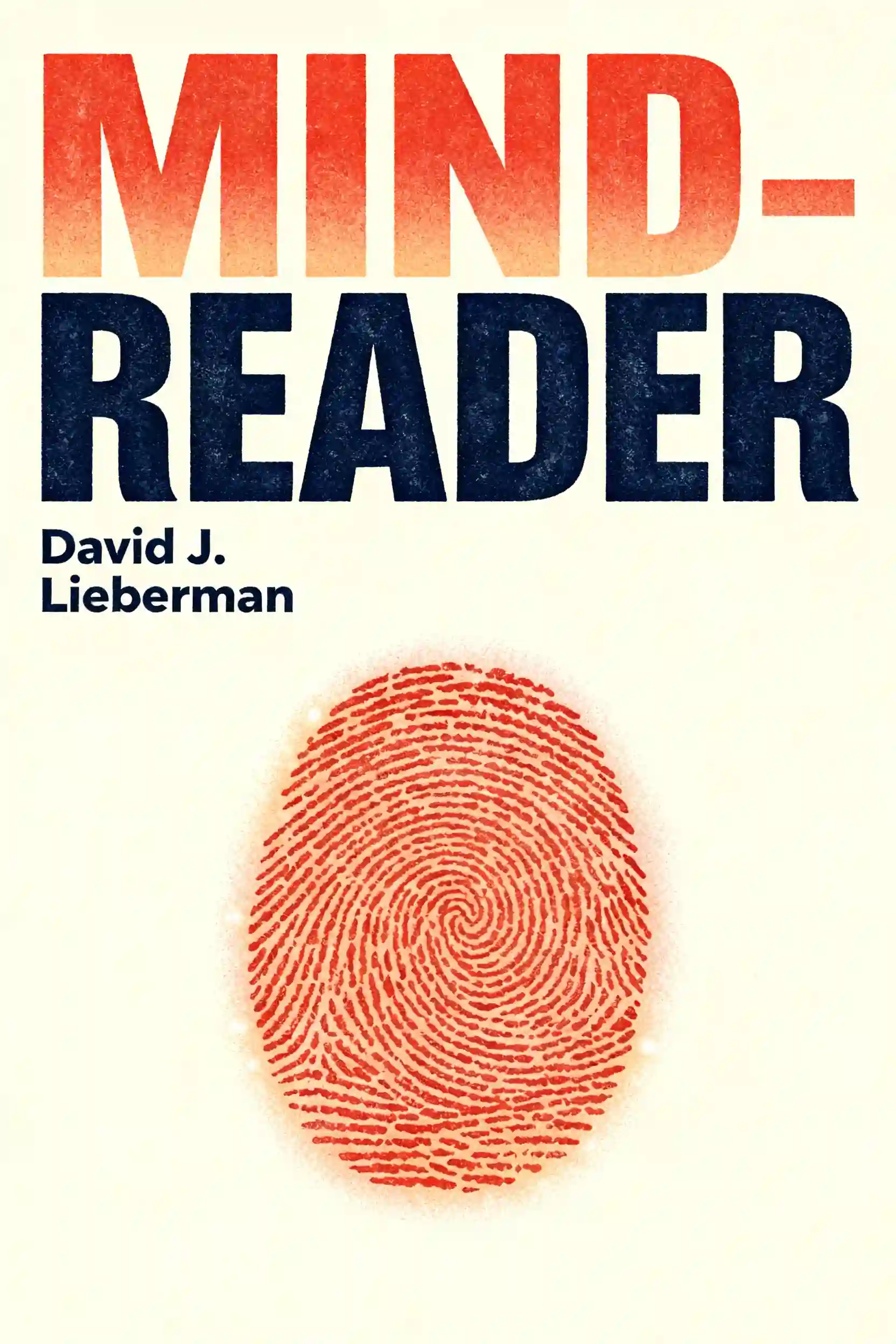
Struggling to be understood? Learn how to decode hidden meanings and assumptions in every conversation to turn confusing arguments into clear insights.
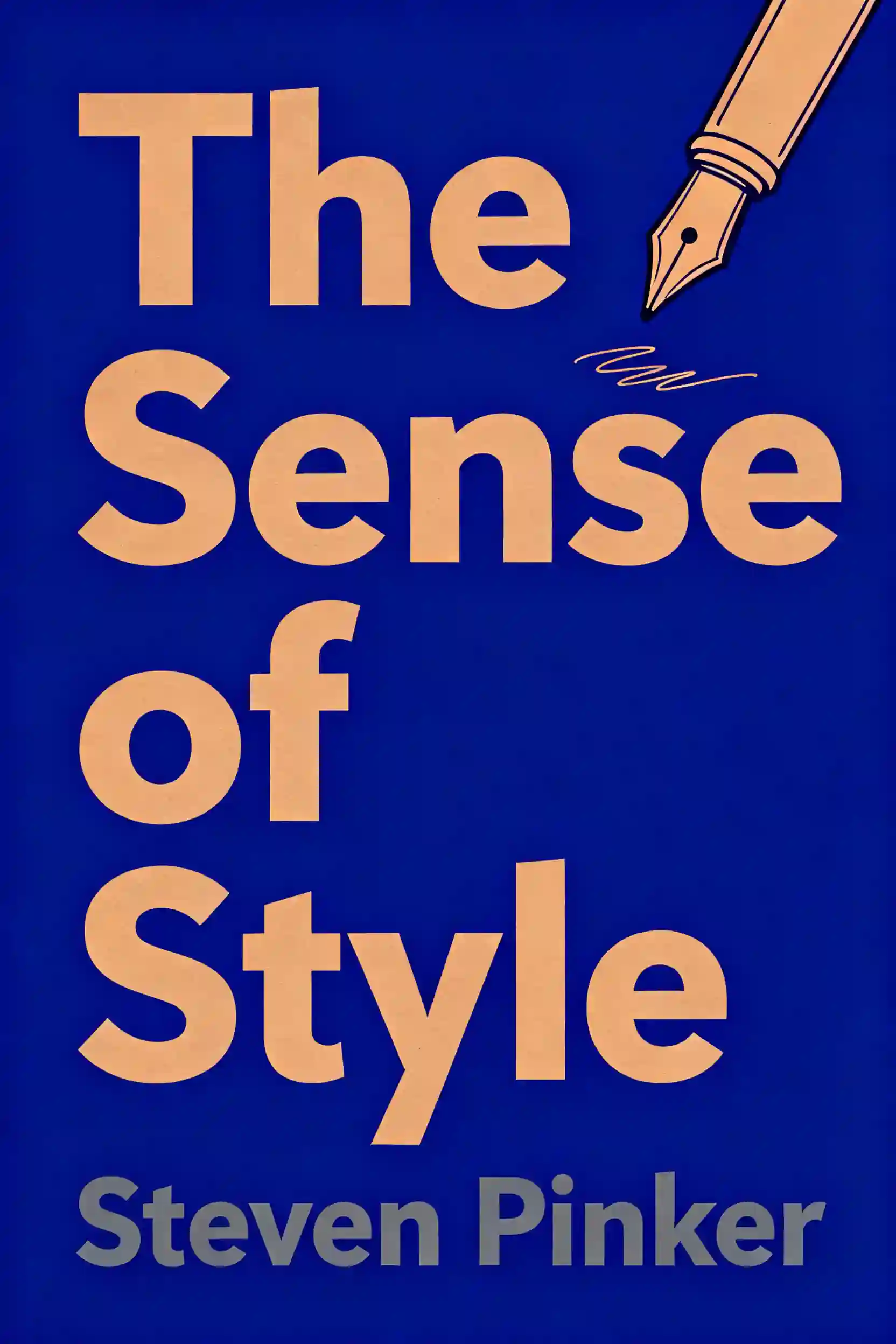
We often mistake talking for communicating, yet listeners miss half of what we say. Learn to prioritize clarity over detail to ensure your message lands.
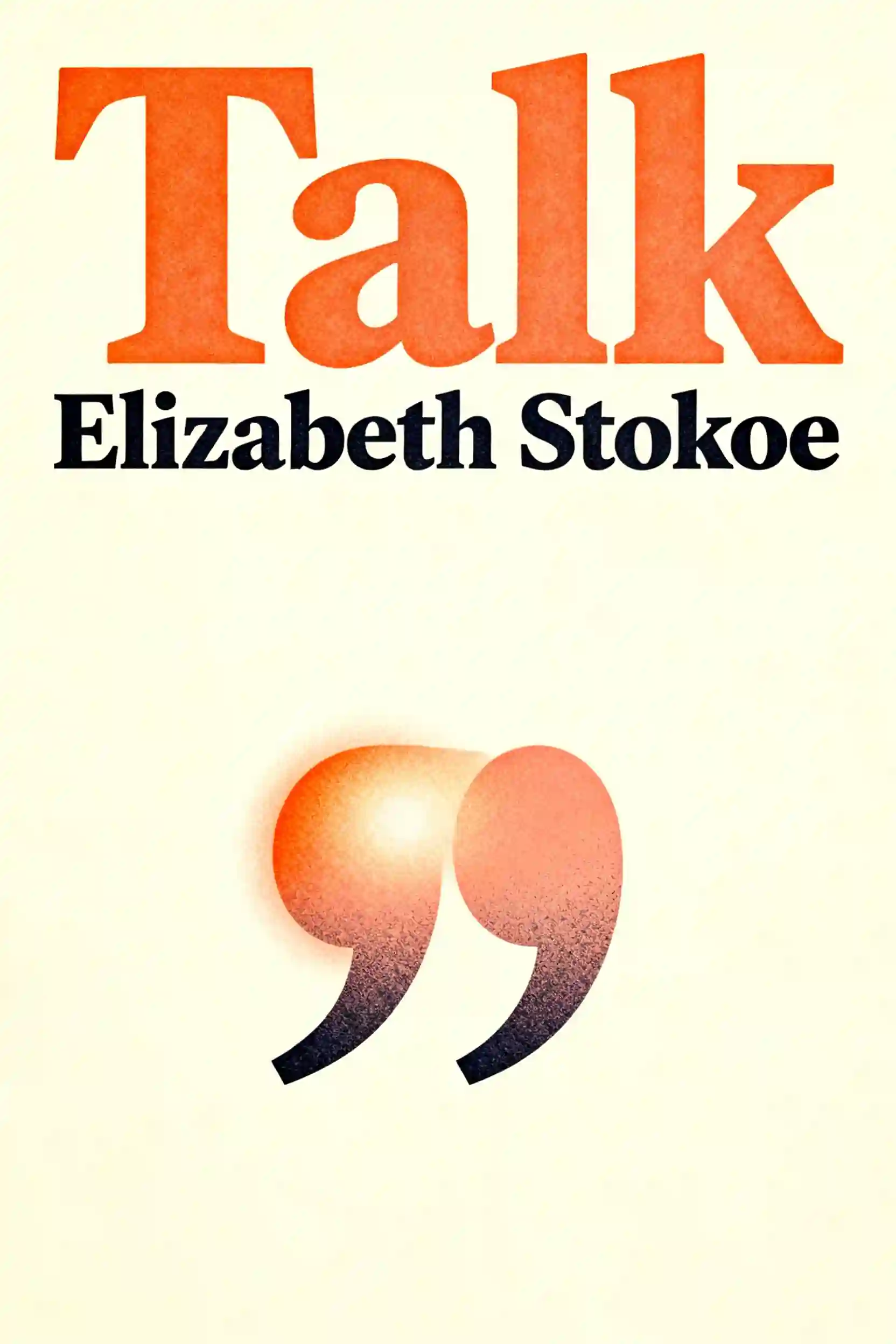
Struggling to turn complex thoughts into clear words? Learn why simple language beats big vocabulary and how daily habits help you speak with confidence.
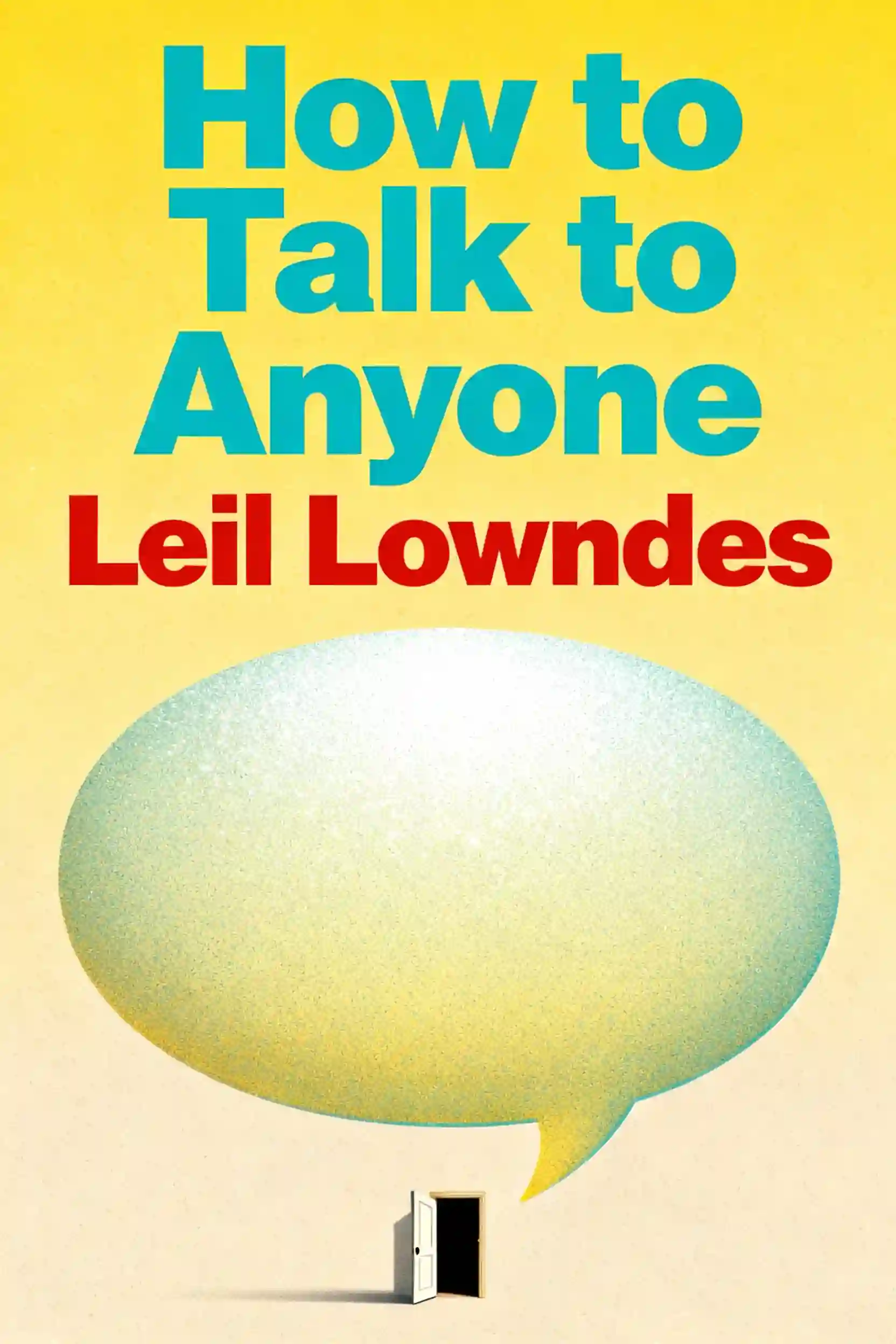
Struggling to get your point across? Learn how nonverbal cues and active listening bridge the gap between just talking and truly connecting with others.
Master the science of effective dialogue by replacing vague qualifiers with precise language and proven frameworks like H.E.A.R. and DEAR MAN to bridge the gap between intent and impact.