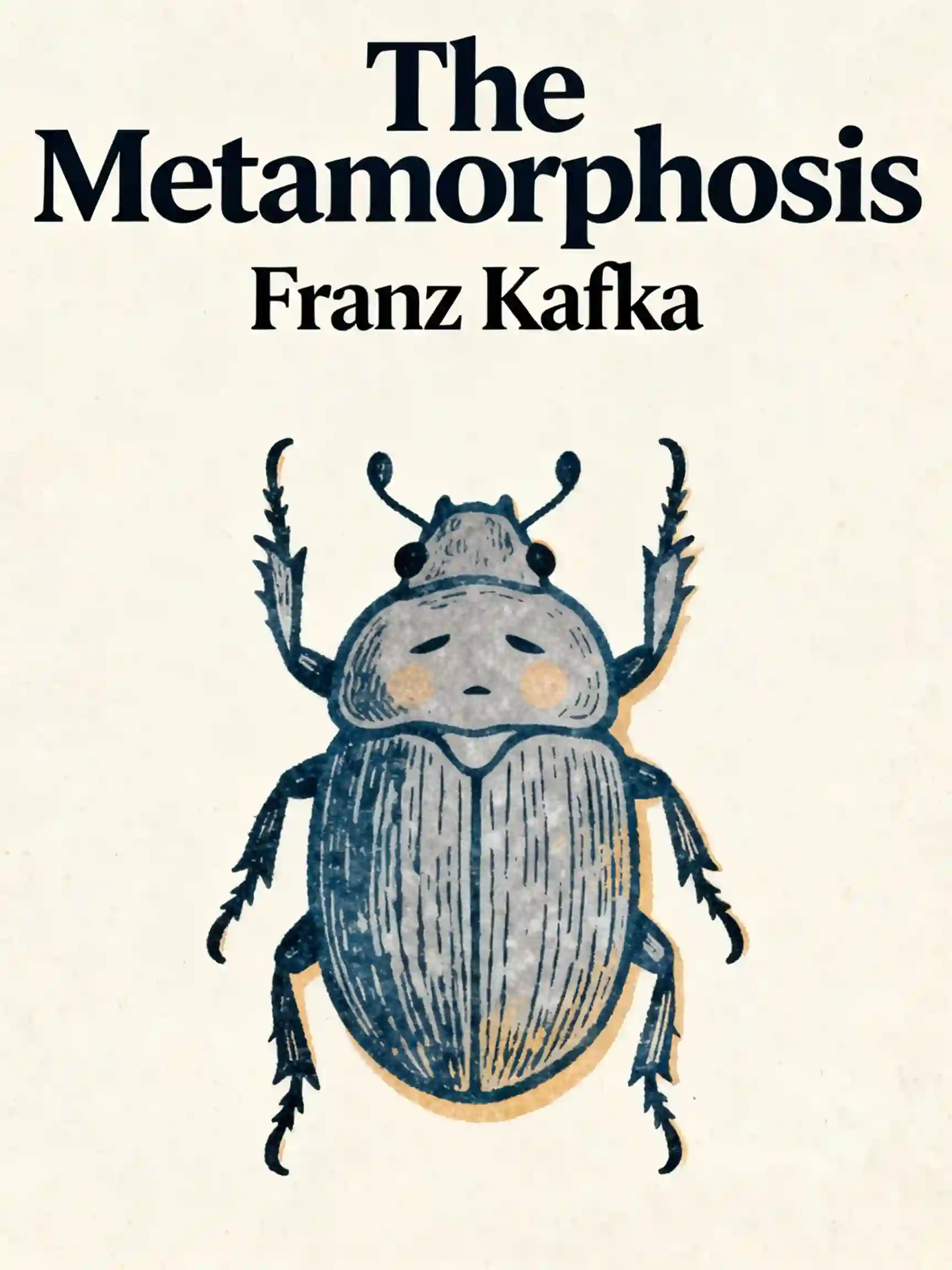
Unpacking Kafka: The Absurdity of The Metamorphosis
Explore the haunting world of Gregor Samsa as we dive into Kafka’s masterpiece on family, capitalism, and existential dread. Discover why this tale of a man turned vermin remains a profound mirror of the human condition.

Best quote from Unpacking Kafka: The Absurdity of The Metamorphosis
The moment Gregor can no longer work, he loses his status as a human being. In a capitalist system, your worth is measured solely by your productivity.
Generated by Dhanush
Can know about metamorphosis book????

Frequently Asked Questions
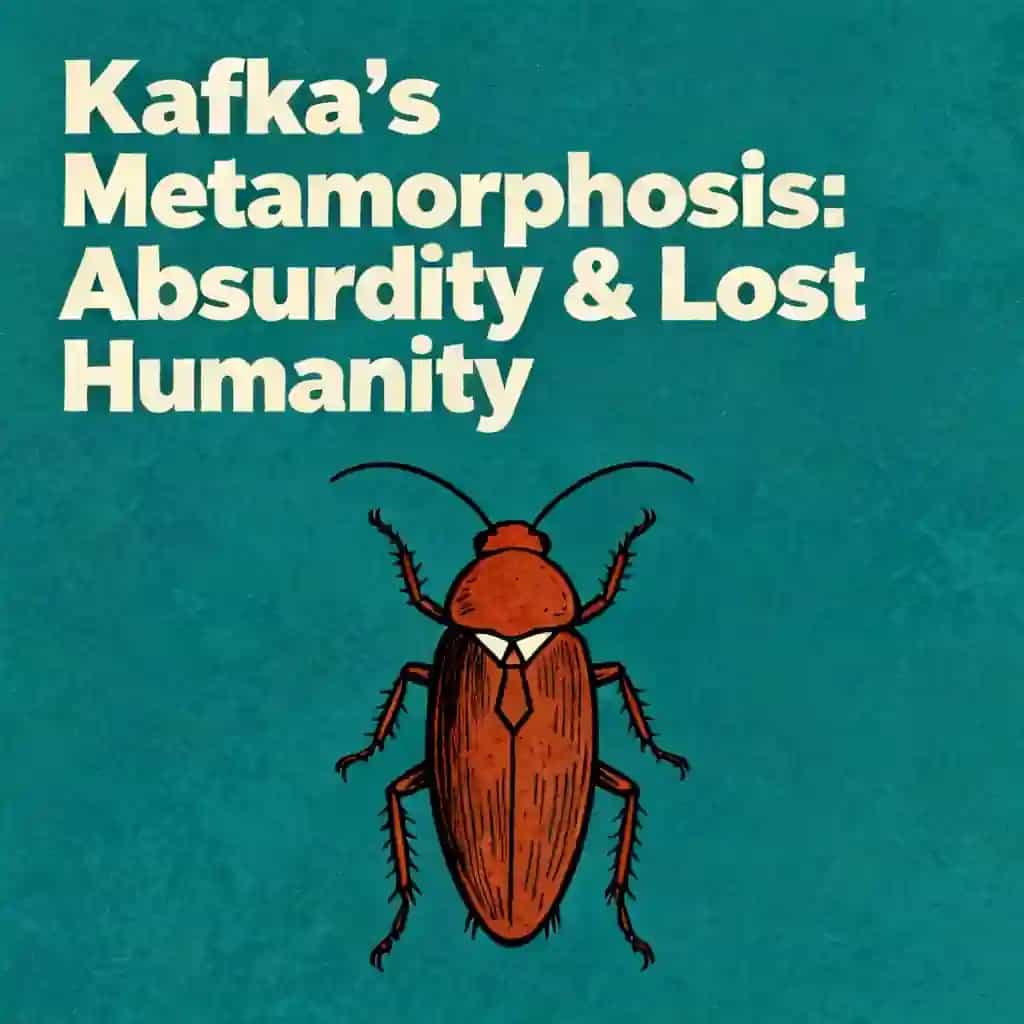
Gregor’s passive reaction stems from his extreme exhaustion and alienation as a traveling salesman. He is so accustomed to suffering and the mechanical routine of his job that he views becoming a "monstrous vermin" as merely another morning inconvenience, similar to a bad cold or a missed train. His first instinct is not horror at his physical state, but anxiety over his boss’s reaction to his tardiness and how he will continue to provide for his family.
Before the metamorphosis, the family acted as parasites living off Gregor’s labor while remaining stagnant themselves. Once Gregor is incapacitated, a role reversal occurs: the father transforms from a sluggish man in a bathrobe into a vital, authoritative bank messenger, and the sister, Grete, moves from a carefree girl to a worker and caretaker. However, this newfound vitality is rooted in the rejection of Gregor; as they become self-sufficient, they stop seeing him as a family member and begin to view him as a "shameful secret" and a financial burden.
The apple serves as both a literal and metaphorical wound inflicted by Gregor’s father. During a moment of chaos, Mr. Samsa pelts Gregor with apples, and one sinks into his back and rots there, eventually contributing to his physical decline. Philosophically, it symbolizes the "fall of man" and the ultimate rejection by the patriarch; it represents the moment Gregor is "nailed to the spot" by the realization that he is no longer loved or wanted by the family he sacrificed everything to support.
The novella presents a scathing critique of capitalism, suggesting that an individual’s worth is measured solely by their productivity. Gregor is treated as a "beast of burden" by both his boss and his family; the moment he can no longer perform his job, he loses his status as a human being. The family’s eventual relief at his death highlights a cycle of exploitation, as they immediately begin looking toward Grete’s future marriage as a new source of financial security.
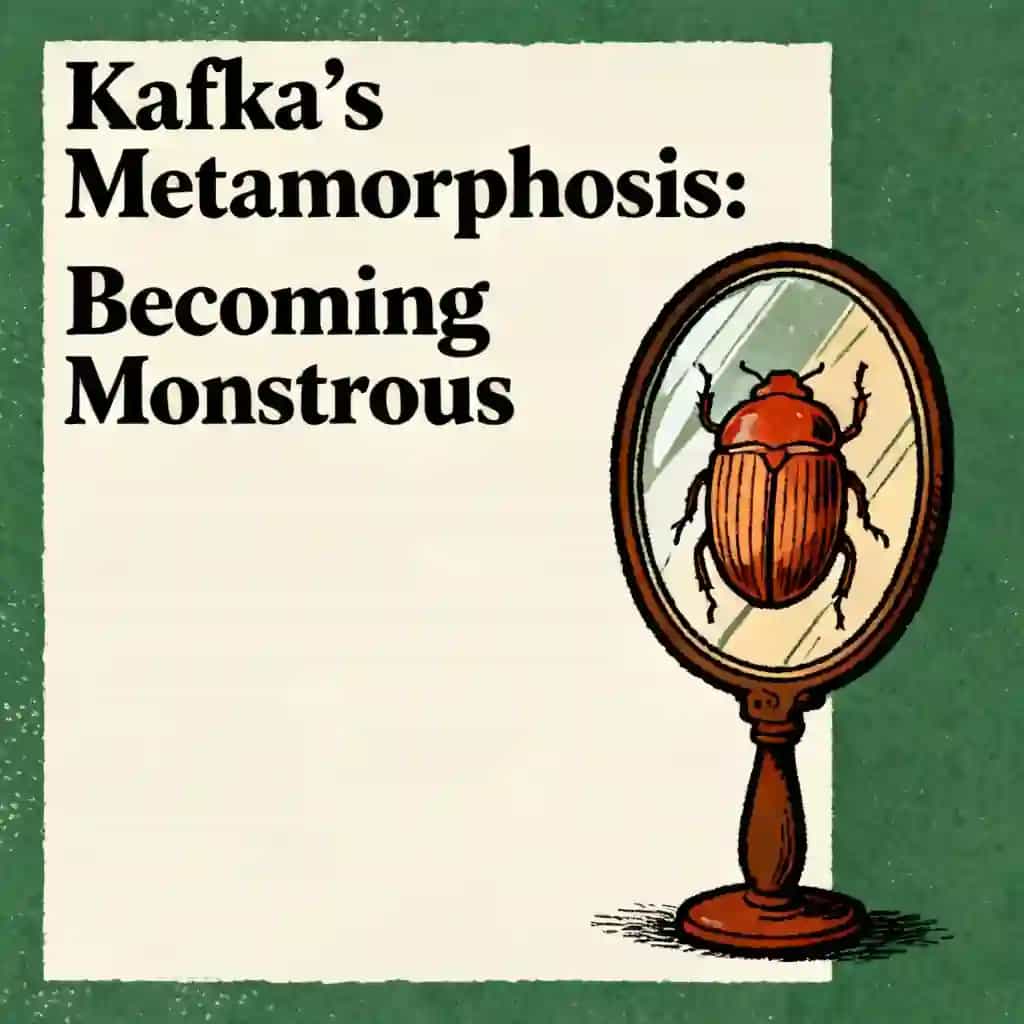
Kafka wanted to preserve the tension between Gregor’s human mind and his insect body. By keeping the physical form ambiguous or unseen, the focus remains on the internal experience of the character and the "Kafkaesque" absurdity of his situation. The story is less about the biology of a bug and more about the universal feelings of being an outsider, the limits of human empathy, and the struggle to maintain identity when society only values you for your economic function.
From Columbia University alumni built in San Francisco
"Instead of endless scrolling, I just hit play on BeFreed. It saves me so much time."


"I never knew where to start with nonfiction—BeFreed’s book lists turned into podcasts gave me a clear path."


"Perfect balance between learning and entertainment. Finished ‘Thinking, Fast and Slow’ on my commute this week."
"Crazy how much I learned while walking the dog. BeFreed = small habits → big gains."
"Reading used to feel like a chore. Now it’s just part of my lifestyle."

"Feels effortless compared to reading. I’ve finished 6 books this month already."
"BeFreed turned my guilty doomscrolling into something that feels productive and inspiring."

"BeFreed turned my commute into learning time. 20-min podcasts are perfect for finishing books I never had time for."
"BeFreed replaced my podcast queue. Imagine Spotify for books — that’s it. 🙌"

"It is great for me to learn something from the book without reading it."
"The themed book list podcasts help me connect ideas across authors—like a guided audio journey."
"Makes me feel smarter every time before going to work"
From Columbia University alumni built in San Francisco
"Instead of endless scrolling, I just hit play on BeFreed. It saves me so much time."
"I never knew where to start with nonfiction—BeFreed’s book lists turned into podcasts gave me a clear path."
"Perfect balance between learning and entertainment. Finished ‘Thinking, Fast and Slow’ on my commute this week."
"Crazy how much I learned while walking the dog. BeFreed = small habits → big gains."
"Reading used to feel like a chore. Now it’s just part of my lifestyle."
"Feels effortless compared to reading. I’ve finished 6 books this month already."
"BeFreed turned my guilty doomscrolling into something that feels productive and inspiring."
"BeFreed turned my commute into learning time. 20-min podcasts are perfect for finishing books I never had time for."
"BeFreed replaced my podcast queue. Imagine Spotify for books — that’s it. 🙌"
"It is great for me to learn something from the book without reading it."
"The themed book list podcasts help me connect ideas across authors—like a guided audio journey."
"Makes me feel smarter every time before going to work"
"Instead of endless scrolling, I just hit play on BeFreed. It saves me so much time."
"I never knew where to start with nonfiction—BeFreed’s book lists turned into podcasts gave me a clear path."
"Perfect balance between learning and entertainment. Finished ‘Thinking, Fast and Slow’ on my commute this week."
"Crazy how much I learned while walking the dog. BeFreed = small habits → big gains."
"Reading used to feel like a chore. Now it’s just part of my lifestyle."
"Feels effortless compared to reading. I’ve finished 6 books this month already."
"BeFreed turned my guilty doomscrolling into something that feels productive and inspiring."
"BeFreed turned my commute into learning time. 20-min podcasts are perfect for finishing books I never had time for."
"BeFreed replaced my podcast queue. Imagine Spotify for books — that’s it. 🙌"
"It is great for me to learn something from the book without reading it."
"The themed book list podcasts help me connect ideas across authors—like a guided audio journey."
"Makes me feel smarter every time before going to work"
"Instead of endless scrolling, I just hit play on BeFreed. It saves me so much time."
"I never knew where to start with nonfiction—BeFreed’s book lists turned into podcasts gave me a clear path."
"Perfect balance between learning and entertainment. Finished ‘Thinking, Fast and Slow’ on my commute this week."
"Crazy how much I learned while walking the dog. BeFreed = small habits → big gains."
"Reading used to feel like a chore. Now it’s just part of my lifestyle."
"Feels effortless compared to reading. I’ve finished 6 books this month already."
"BeFreed turned my guilty doomscrolling into something that feels productive and inspiring."
"BeFreed turned my commute into learning time. 20-min podcasts are perfect for finishing books I never had time for."
"BeFreed replaced my podcast queue. Imagine Spotify for books — that’s it. 🙌"
"It is great for me to learn something from the book without reading it."
"The themed book list podcasts help me connect ideas across authors—like a guided audio journey."
"Makes me feel smarter every time before going to work"




![[the-myth-of-sisyphus-by-albert-camus:c0001] The Myth of Sisyphus p1-1](/_next/image?url=https%3A%2F%2Fd1y2du6z1jfm9e.cloudfront.net%2Fassets%2Fpodcast%2Fgreen.png&w=1024&q=50)