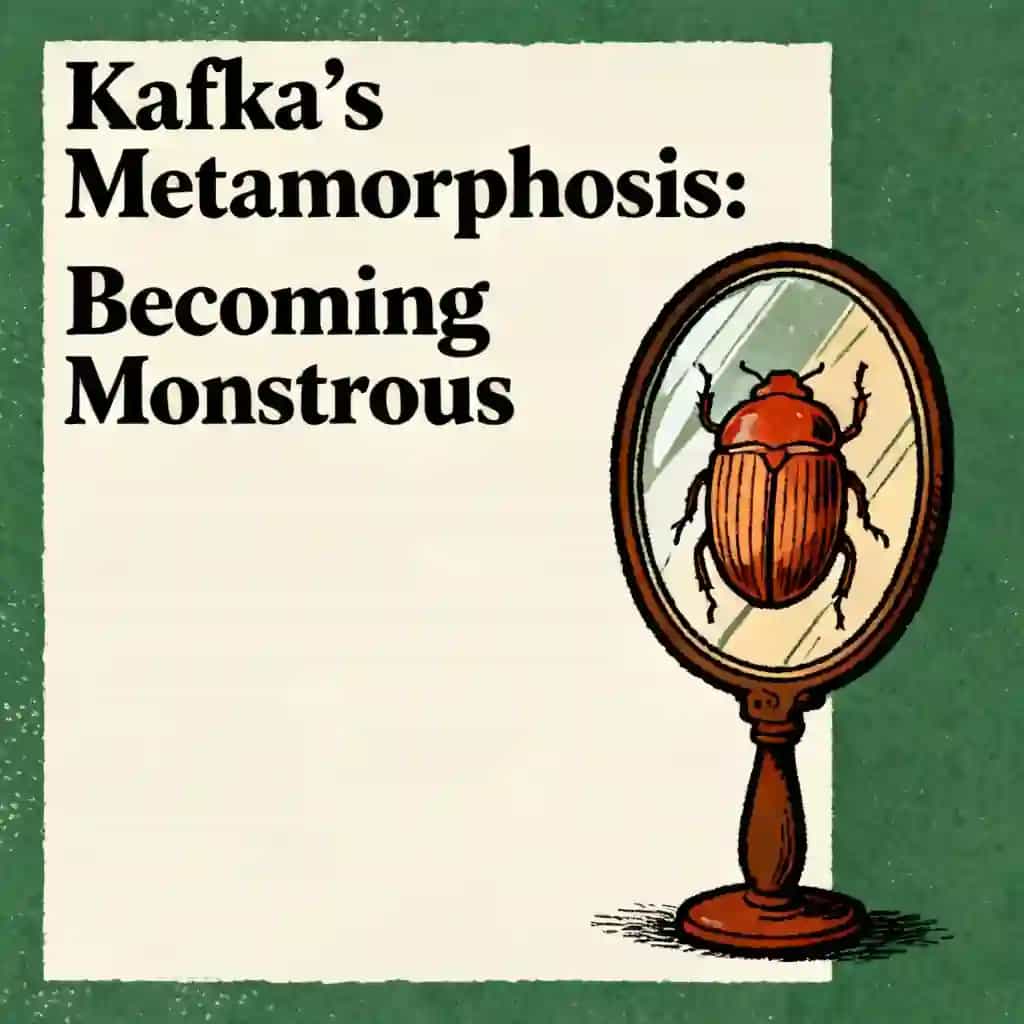
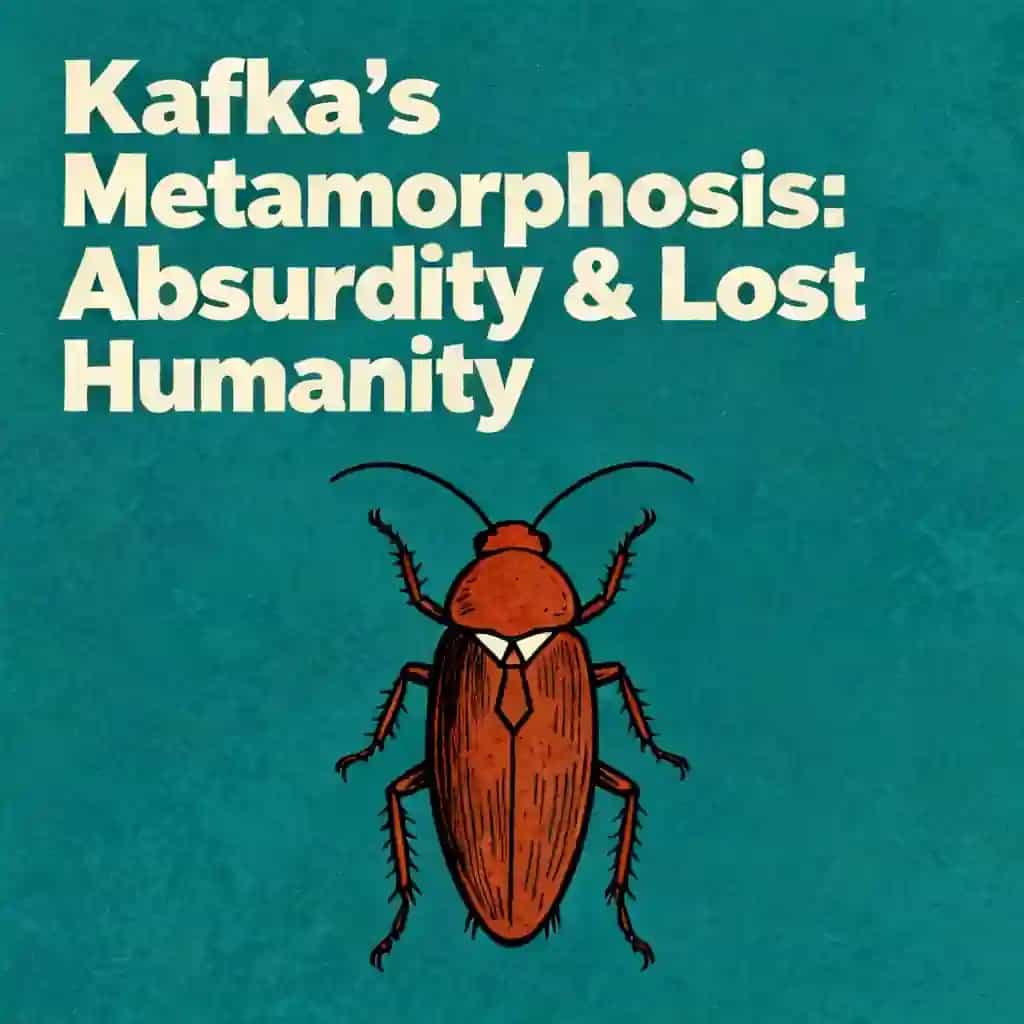
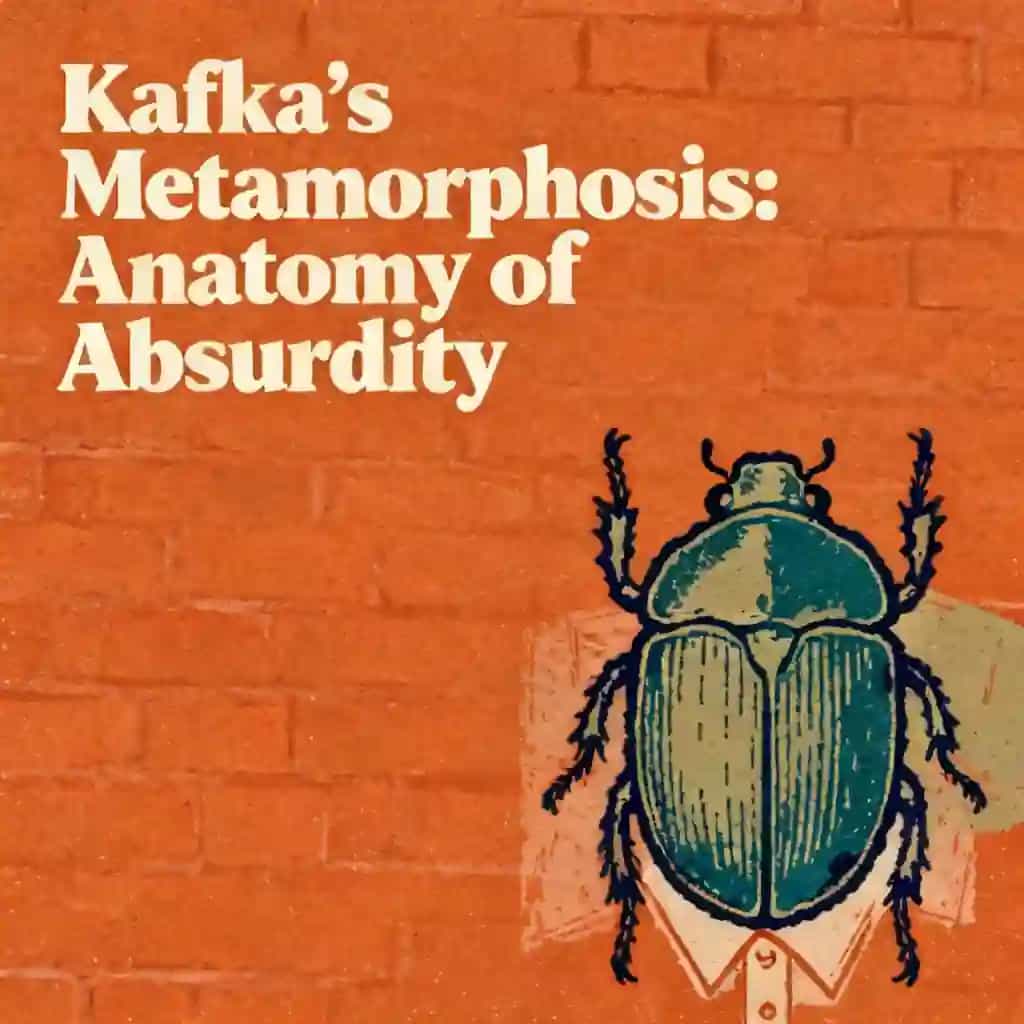
Overview of The Metamorphosis
Kafka's "The Metamorphosis" - a man wakes as an insect, written in just three weeks yet reshaping modern literature. Vladimir Nabokov called Kafka "the greatest German writer of our time." What terrifying truth about alienation made this 1915 novella so hauntingly universal?
- Kafkaesque alienation reveals the dehumanizing effects of modern work and family dynamics
- Gregor Samsa's physical transformation mirrors the existential burden of being a breadwinner
- Family loyalty becomes conditional when financial contributions cease in Kafka's bleak universe
- The disconnect between human consciousness and insect body symbolizes societal indifference to suffering
- Silent scream of existential despair permeates Kafka's exploration of isolation and identity loss
- Metamorphosis as metaphor for the crushing weight of familial expectations and duty
- Emotional isolation proves more devastating than physical transformation in Kafka's psychological nightmare
- Franz Kafka exposes the transactional nature of love through decaying family bonds
- The Samsa family's transformation from dependents to oppressors mirrors Gregor's physical change
- Gregor's insect form becomes prison and protest against dehumanizing capitalist systems
- Kafka's unfinished metamorphosis concept questions whether true self-liberation is ever possible
- Existential confinement persists whether trapped in human responsibilities or insect anatomy
About the Author of The Metamorphosis
Franz Kafka (1883–1924), the visionary Czech-born German-language author of The Metamorphosis, remains a towering figure in 20th-century existential and absurdist fiction.
This seminal novella—featuring Gregor Samsa’s surreal transformation into an insect—epitomizes Kafka’s exploration of alienation, bureaucratic oppression, and existential dread, themes shaped by his legal career in Prague’s insurance industry and fraught familial relationships.
Kafka’s distinctive "Kafkaesque" style resonates in works like The Trial and The Castle, published posthumously against his wishes by friend Max Brod, who preserved manuscripts Kafka sought to destroy. Though only a fraction of his writing survived, Kafka’s influence permeates modern literature, with The Metamorphosis recognized as a foundational text of literary modernism.
Translated into over 100 languages, the novella has inspired countless adaptations in theater, film, and art, cementing its status as a universal parable of human vulnerability.
FAQs About The Metamorphosis
What is The Metamorphosis by Franz Kafka about?
The Metamorphosis explores existential alienation through Gregor Samsa, a traveling salesman who wakes up as a giant insect. The novella examines his physical and emotional isolation from his family and society, symbolizing the dehumanizing effects of modern work and familial duty. Kafka’s absurdist narrative critiques capitalism, identity, and the fragility of human connections.
Who should read The Metamorphosis by Franz Kafka?
Readers interested in existential philosophy, modernist literature, or psychological allegories will find this seminal work compelling. Its themes of alienation and identity crises resonate with those exploring human vulnerability, societal expectations, or Kafka’s signature bleak yet darkly humorous style.
Is The Metamorphosis worth reading?
Yes—it’s a cornerstone of 20th-century literature, offering a haunting exploration of human isolation. At just 75 pages, its layered symbolism and stark prose provide timeless insights into selfhood, duty, and societal alienation. Modern readers often relate its themes to workplace burnout or familial estrangement.
What does the insect symbolize in The Metamorphosis?
Gregor’s transformation into an insect embodies his pre-existing emotional detachment and dehumanization. The physical grotesqueness mirrors his internal struggles: a mind trapped in a body (and life) he despises. Critics interpret it as a metaphor for illness, disability, or the artist’s marginalization in a utilitarian society.
What are the major themes in The Metamorphosis?
- Alienation: Gregor’s physical change exacerbates his isolation from family and humanity.
- Duty vs. Selfhood: His role as a breadwinner conflicts with personal desires.
- Absurdity: The nonsensical premise underscores life’s unpredictability and lack of meaning.
- Guilt: Gregor internalizes blame for his transformation, reflecting Kafka’s own familial tensions.
How does Kafka’s life influence The Metamorphosis?
Kafka’s fraught relationship with his authoritarian father mirrors Gregor’s dynamic with his family. Working a bureaucratic job he loathed, Kafka channeled his existential despair into Gregor’s trapped existence. The novella’s claustrophobic tone reflects his own struggles with anxiety and perceived inadequacy.
What is the significance of Gregor’s death in The Metamorphosis?
Gregor’s death, met with relief by his family, underscores the transactional nature of his relationships. His sacrifice highlights themes of expendability and the cost of unconditional duty. The ending suggests liberation for Gregor but critiques societal indifference to suffering.
How does The Metamorphosis reflect modernist literature?
Kafka rejects traditional narrative logic, using surrealism to dissect psychological and social fragmentation. The novella’s focus on internal turmoil, ambiguous symbolism, and critique of industrialization align with modernist explorations of identity in a destabilized world.
What criticisms exist about The Metamorphosis?
Some argue the female characters are underdeveloped, reflecting Kafka’s personal biases. Others find the bleak tone emotionally exhausting or critique its lack of resolution. However, these elements are often interpreted as intentional reflections of existential futility.
How does The Metamorphosis compare to Kafka’s other works?
Like The Trial and The Castle, it features trapped protagonists navigating opaque systems. However, The Metamorphosis is more accessible due to its concise length and visceral imagery. All three works share themes of bureaucratic absurdity and individual powerlessness.
Why is The Metamorphosis still relevant today?
Its exploration of isolation resonates in an era of remote work and social fragmentation. Modern readers relate to Gregor’s burnout, family pressures, and the struggle to maintain autonomy in a demanding world. The novella’s ambiguity allows endless reinterpretation across cultural contexts.
What is the most famous quote from The Metamorphosis?
“As Gregor Samsa awoke one morning from uneasy dreams he found himself transformed in his bed into a gigantic insect.” This opening line immediately establishes the story’s absurdist tone and metaphorical depth, inviting analysis of reality vs. perception.
Feel the book through the author's voice
Turn knowledge into engaging, example-rich insights
Capture key ideas in a flash for fast learning
Enjoy the book in a fun and engaging way
Key Themes in The Metamorphosis
Quotes from The Metamorphosis
What a fate, to be condemned to work for a firm where the slightest negligence at once gave rise to the greatest suspicion!
"If he could hear us, he would realize that people aren't able to endure being with an animal like that for long," said the sister, and Gregor understood that she had become the main advocate for getting rid of him.
Was he an animal, that music had such an effect on him?
Then his head sank to the floor of its own accord and from his nostrils came the last faint flicker.
Characters in The Metamorphosis
Quick Summary Mode - Read or listen to The Metamorphosis Summary in 8 Minutes

Break down key ideas from The Metamorphosis into bite-sized takeaways to understand how innovative teams create, collaborate, and grow.

Flash Card Mode - Top 10 Insights from The Metamorphosis in a Nutshell

Distill The Metamorphosis into rapid-fire memory cues that highlight key principles of candor, teamwork, and creative resilience.

Fun Mode - The Metamorphosis Lessons Told Through 22-Min Stories

Experience The Metamorphosis through vivid storytelling that turns innovation lessons into moments you'll remember and apply.
Personalize Mode - Read or listen to The Metamorphosis Summary in 0 Minutes

Ask anything, pick the voice, and co-create insights that truly resonate with you.

From Columbia University alumni built in San Francisco
"Instead of endless scrolling, I just hit play on BeFreed. It saves me so much time."


"I never knew where to start with nonfiction—BeFreed’s book lists turned into podcasts gave me a clear path."


"Perfect balance between learning and entertainment. Finished ‘Thinking, Fast and Slow’ on my commute this week."
"Crazy how much I learned while walking the dog. BeFreed = small habits → big gains."
"Reading used to feel like a chore. Now it’s just part of my lifestyle."

"Feels effortless compared to reading. I’ve finished 6 books this month already."
"BeFreed turned my guilty doomscrolling into something that feels productive and inspiring."

"BeFreed turned my commute into learning time. 20-min podcasts are perfect for finishing books I never had time for."
"BeFreed replaced my podcast queue. Imagine Spotify for books — that’s it. 🙌"

"It is great for me to learn something from the book without reading it."
"The themed book list podcasts help me connect ideas across authors—like a guided audio journey."
"Makes me feel smarter every time before going to work"
From Columbia University alumni built in San Francisco
"Instead of endless scrolling, I just hit play on BeFreed. It saves me so much time."
"I never knew where to start with nonfiction—BeFreed’s book lists turned into podcasts gave me a clear path."
"Perfect balance between learning and entertainment. Finished ‘Thinking, Fast and Slow’ on my commute this week."
"Crazy how much I learned while walking the dog. BeFreed = small habits → big gains."
"Reading used to feel like a chore. Now it’s just part of my lifestyle."
"Feels effortless compared to reading. I’ve finished 6 books this month already."
"BeFreed turned my guilty doomscrolling into something that feels productive and inspiring."
"BeFreed turned my commute into learning time. 20-min podcasts are perfect for finishing books I never had time for."
"BeFreed replaced my podcast queue. Imagine Spotify for books — that’s it. 🙌"
"It is great for me to learn something from the book without reading it."
"The themed book list podcasts help me connect ideas across authors—like a guided audio journey."
"Makes me feel smarter every time before going to work"
"Instead of endless scrolling, I just hit play on BeFreed. It saves me so much time."
"I never knew where to start with nonfiction—BeFreed’s book lists turned into podcasts gave me a clear path."
"Perfect balance between learning and entertainment. Finished ‘Thinking, Fast and Slow’ on my commute this week."
"Crazy how much I learned while walking the dog. BeFreed = small habits → big gains."
"Reading used to feel like a chore. Now it’s just part of my lifestyle."
"Feels effortless compared to reading. I’ve finished 6 books this month already."
"BeFreed turned my guilty doomscrolling into something that feels productive and inspiring."
"BeFreed turned my commute into learning time. 20-min podcasts are perfect for finishing books I never had time for."
"BeFreed replaced my podcast queue. Imagine Spotify for books — that’s it. 🙌"
"It is great for me to learn something from the book without reading it."
"The themed book list podcasts help me connect ideas across authors—like a guided audio journey."
"Makes me feel smarter every time before going to work"
"Instead of endless scrolling, I just hit play on BeFreed. It saves me so much time."
"I never knew where to start with nonfiction—BeFreed’s book lists turned into podcasts gave me a clear path."
"Perfect balance between learning and entertainment. Finished ‘Thinking, Fast and Slow’ on my commute this week."
"Crazy how much I learned while walking the dog. BeFreed = small habits → big gains."
"Reading used to feel like a chore. Now it’s just part of my lifestyle."
"Feels effortless compared to reading. I’ve finished 6 books this month already."
"BeFreed turned my guilty doomscrolling into something that feels productive and inspiring."
"BeFreed turned my commute into learning time. 20-min podcasts are perfect for finishing books I never had time for."
"BeFreed replaced my podcast queue. Imagine Spotify for books — that’s it. 🙌"
"It is great for me to learn something from the book without reading it."
"The themed book list podcasts help me connect ideas across authors—like a guided audio journey."
"Makes me feel smarter every time before going to work"

Get the The Metamorphosis summary as a free PDF or EPUB. Print it or read offline anytime.