Unlock Your Charisma: Read Emotions, Build Connections

Audio guide overview: reading emotional cues and building rapport
This episode guide helps you learn how to read emotional cues and build rapport in everyday conversations. It is not about diagnosing people, detecting lies, or forcing connection. Instead, it treats emotional signals as tentative information: you notice what may be happening, stay curious, and confirm your understanding through listening and respectful questions.
- Best for learners who want more confidence in conversations, meetings, introductions, and difficult discussions.
- Focuses on genuine charisma: warmth, attention, empathy, and mutual comfort.
- Avoids the common mistake of treating one facial expression, gesture, or posture as definitive proof of what someone feels.
Create Your Podcast in a Click
Generated by Travis May
Input question
I want to learn how to read how people are feeling, adapt my behavior to make them feel at ease, and ultimately become more charismatic.
Host voices

What you’ll learn about emotional cues, rapport, and ethical charisma
- 1
Opening & Welcome
 00:0000:00
Nia: Hey everyone, welcome back to your personalized podcast from BeFreed! I'm Nia, and I'm absolutely thrilled to dive into something that could literally transform how you connect with people. Eli: And I'm Eli! Nia, when I saw today's topic-learning to read emotions, adapt your behavior, and become more charismatic-I got so excited because this is like unlocking a superpower we all have but never learned to use properly. Nia: Right? It's fascinating how much we miss in our daily interactions when we don't know what to look for.
- 2
Topic Introduction & Source Material Setup
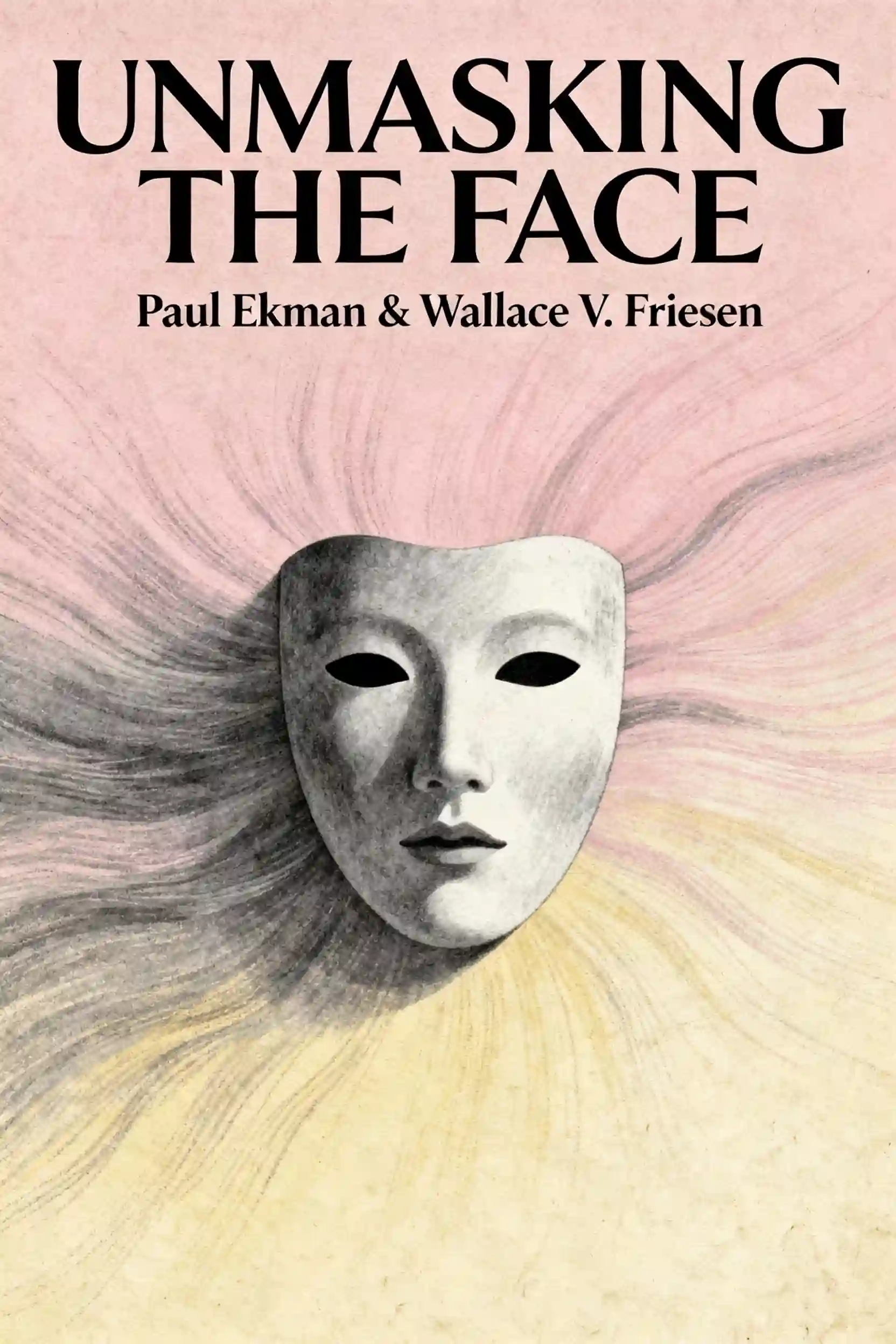
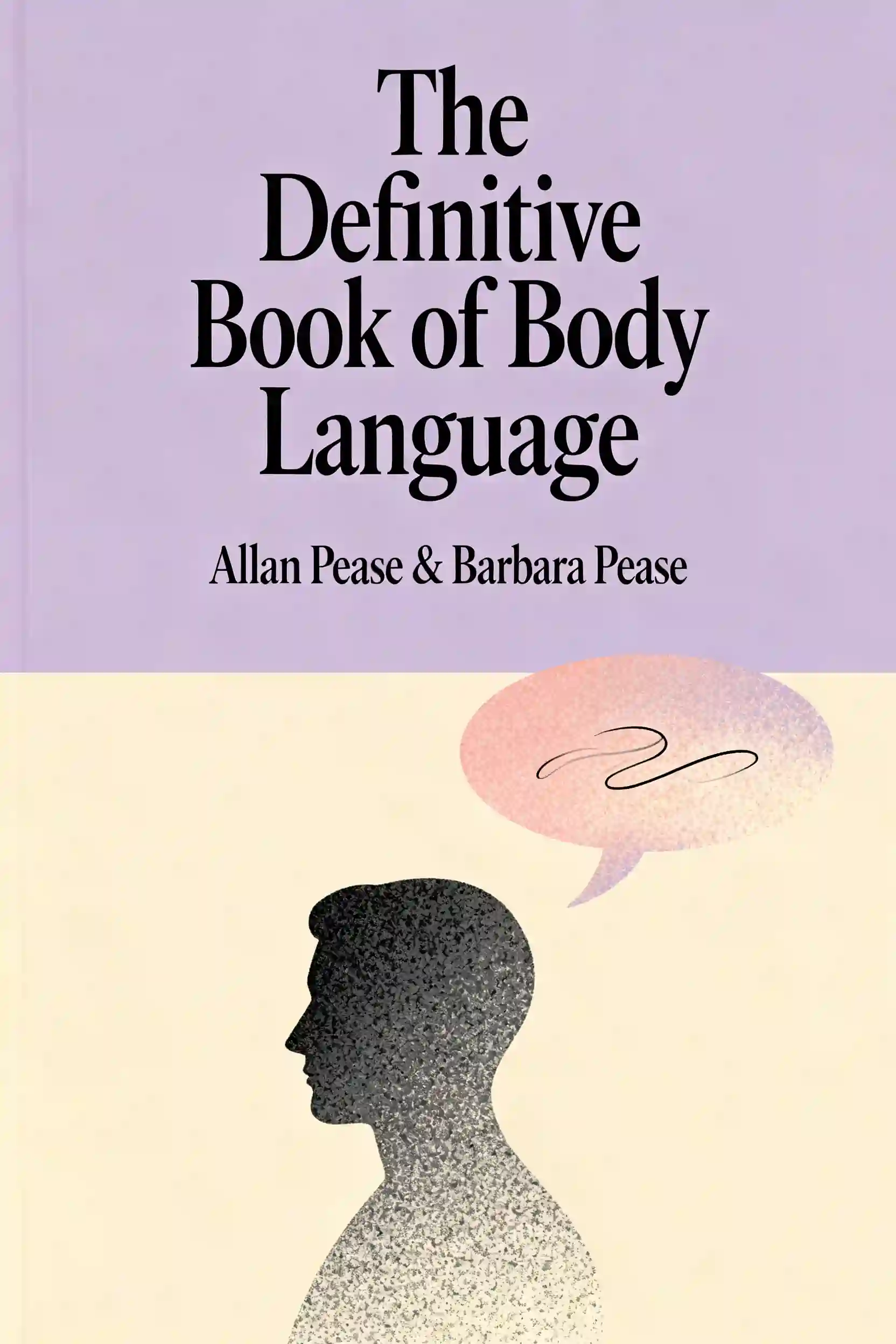
Nia: So we're drawing from some incredible research today-books like "The Charisma Myth," "Unmasking the Face," and "The Definitive Book of Body Language." What strikes me is how these all point to the same truth: charisma isn't some magical gift. Eli: Exactly! Remember Marilyn Monroe's subway experiment? She could literally switch between being invisible Norma Jean and magnetic Marilyn Monroe at will. That's because charisma breaks down into specific, learnable behaviors. The research in "The Charisma Myth" shows it's all about presence, power, and warmth. Nia: And here's what blew my mind-when we communicate face-to-face, only 7% comes from our actual words. A whopping 55% is body language, and 38% is voice tone. No wonder texting leads to so many misunderstandings! Eli: That's why "The Art of Reading Minds" emphasizes that we're constantly broadcasting signals whether we realize it or not. Our primitive brain controls our body language, often contradicting our carefully chosen words.
- 3
The Foundation: Reading Emotional Signals
Nia: Let's start with the basics-how do we actually read what people are feeling? Because I'll admit, sometimes I'm completely clueless about what's going on behind someone's smile. Eli: You're not alone! "Unmasking the Face" reveals that we have seven universal emotions expressed identically across all cultures. But here's the key-you need to look for clusters of signals, not isolated gestures. A crossed arm alone means nothing, but paired with a frown, leaning away, and minimal eye contact? That's clear discomfort. Nia: So it's like reading sentences instead of individual words? Eli: Exactly! And microexpressions are crucial here. These split-second facial expressions-lasting just fractions of a second-often reveal concealed emotions. When someone's trying to hide anger, you might catch a quick scrunching of the eyebrows before they mask it with a smile. Nia: That's incredible. What about body language beyond the face? Eli: Our hands are goldmines of information! "The Definitive Book of Body Language" shows that palm positions signal distinct intentions. Palm-up appears submissive, palm-down projects authority, and pointing fingers comes across as aggressive. Even handshakes reveal power dynamics-turning your palm downward communicates dominance.
- Chapter 4
Building Rapport Through Mirroring and Adaptation
**Nia:** Okay, so we're getting better at reading people. But how do we use this to make others feel more comfortable around us? **Eli:** This is where mirroring becomes your secret weapon. When we unconsciously match someone's body language, vocal patterns, and even word choices, we create what researchers call "chemistry." It's hardwired in our brains through mirror neurons-the same ones that fire when we perform an action and when we watch someone else perform it. **Nia:** So when I mirror someone, their brain literally feels rewarded? **Eli:** Absolutely! Studies show that when someone mirrors your behavior, the areas of your brain that process rewards light up. But here's the art-you need to be subtle. Wait 20-30 seconds, then do a similar move, not an exact copy. Mirror their pace and volume when speaking, match their vocal cadence, even pick up on their favorite words. **Nia:** I love this! What about adapting to different communication styles? **Eli:** Great question! People process information through different sensory channels. Visual people use words like "look," "focus," and "picture." Auditory people prefer "say," "rhythm," and "tone." Kinesthetic people gravitate toward "touch," "handle," and "warm." Match their language, and you're speaking their mental language.
Chapter 5The Charisma Equation: Presence, Power, and Warmth
**Nia:** Let's talk about charisma itself. How do we actually become more magnetic? **Eli:** "The Charisma Myth" breaks it down beautifully-it's presence plus power plus warmth. Presence means being fully engaged in the moment. Power is being perceived as able to affect change. Warmth is whether people believe you'll use that power for their benefit. **Nia:** And there are different charisma styles, right? **Eli:** Yes! Focus charisma comes from intense attention-think Bill Gates making you feel like the only person in the room. Visionary charisma inspires through conviction, like Steve Jobs. Kindness charisma creates complete acceptance, like the Dalai Lama. Authority charisma commands respect through presence. **Nia:** What about removing obstacles to charisma? Because sometimes I feel like my own worst enemy. **Eli:** That's so relatable! Mental discomfort creates the biggest barriers-anxiety from uncertainty, self-criticism, self-doubt. The key is learning to be comfortable with discomfort. Try seeing negative thoughts as just "graffiti" in your mind rather than absolute truth. Reframe situations in ways that serve you better.
Chapter 6Advanced Techniques: Voice, Touch, and Emotional Intelligence
**Nia:** What about our voices? I never really thought about how much that affects people. **Eli:** Voice is huge! Cornell professor Stephen Ceci taught identical content two different ways-changing only his vocal delivery. Students rated everything 20% higher, even the unchanged textbook! Lower pitch conveys power, slower tempo suggests confidence, and strategic pauses command attention. **Nia:** And touch-that seems tricky to navigate appropriately. **Eli:** It's powerful when done right. The "Phone Booth Test" showed that lightly touching someone's elbow for three seconds while making a request increased compliance from 23% to 68%. The key is public spaces like elbows or shoulders, brief contact, and reading the situation. **Nia:** What about detecting when someone's being deceptive? **Eli:** Look for contradictions between verbal and nonverbal signals. Liars often maintain more eye contact than usual to appear truthful, but their hand gestures typically decrease. The most common deceptive gesture? Covering the mouth, as if physically stopping the lie. And watch their feet-we rarely monitor these signals, so they reveal true feelings.
Chapter 7Practical Applications & Listener Takeaways
**Nia:** This is all fascinating, but how do our listeners actually implement this in real life? **Eli:** Start small! Practice the triple nod-it makes people speak 3-4 times longer and builds a "yes set" that strengthens connections. Pay attention to punctuators-those favorite gestures people use to make points. When you mirror these subtly, people feel understood on a deep level. **Nia:** And for everyone listening, remember that this isn't about manipulation-it's about genuine connection and making others feel valued. **Eli:** Exactly! Use visualization techniques before important interactions. Professional athletes like Jack Nicklaus never take a shot without visualizing it first. Your brain can't tell the difference between a vividly imagined experience and reality, so you'll naturally project more confidence. **Nia:** What about cultivating warmth? Because that seems like the hardest part for some people. **Eli:** Gratitude is your secret weapon here. When you genuinely focus on someone's well-being-like Bill Clinton making people feel like "the only person in the world"-your body language naturally becomes warmer. Self-compassion matters too-be kind to yourself, and that warmth radiates outward.
Chapter 8Wrap-up & Closing Reflection
**Nia:** So as we wrap things up, what's the most important thing for our listeners to remember? **Eli:** That charisma isn't magic-it's a learnable skill set. You already have everything you need; it's just about refining these natural abilities. Start by being fully present with people, really listening, and genuinely caring about their experience. **Nia:** And remember, people won't always remember what you said, but they'll never forget how you made them feel. When you combine reading emotions accurately with adapting your behavior to put others at ease, you're not just becoming more charismatic-you're becoming someone who genuinely enriches other people's lives. **Eli:** The beautiful thing is that as you practice these skills, they become second nature. You'll start noticing the subtle eyebrow flash of attraction, the genuine Duchenne smile versus the polite one, the way someone's posture shifts when they're truly engaged. **Nia:** And on that note, we encourage everyone listening to start experimenting with these techniques today. Begin with presence-put down your phone, make eye contact, and really listen to the next person you talk to. **Eli:** Keep practicing, stay curious about the people around you, and remember-every interaction is an opportunity to create genuine connection. Thanks for joining us, and keep those questions coming!
What people search for about how to read emotional cues and build rapport
People searching this topic usually want practical guidance: examples of emotional cues, ways to read social cues, what nonverbal signals can and cannot tell you, and simple rapport-building habits. The useful answer is not a secret code for reading minds. It is a repeatable process for observing, listening, and responding with care.
Emotional cues are patterns, not certainties
A crossed arm, a quiet tone, or a short reply can mean many things. Look for clusters of cues and consider the situation before deciding what they might mean.
Rapport grows through comfort and respect
People tend to feel more connected when they feel heard, not analyzed. Warm eye contact where appropriate, relaxed pacing, and thoughtful follow-up questions can help create ease.
Direct communication still matters
If a cue seems important, check it gently: “I may be misreading this, but does that feel frustrating?” or “Would you rather pause and come back to this?”
A practical guide to reading emotional cues and building rapport
Use this sequence as a practice model: observe, interpret lightly, respond kindly, and check your assumption. The goal is not to be right instantly; it is to become more attentive and easier to talk to.
1. Start with context
Before interpreting a cue, ask what else could explain it: the setting, time pressure, fatigue, unfamiliar people, cultural norms, neurodiversity, disability, or stress. Context keeps you from turning a single behavior into a false conclusion.
2. Notice clusters of cues
Look for combinations: facial expression, tone, posture, pace, pauses, gestures, and word choice. A cue becomes more meaningful when several signals point in the same direction, but it still remains a hypothesis.
3. Listen for emotional content in words
Words matter. If someone says they are fine but sounds hesitant, do not ignore either signal. You might respond, “I hear you saying it’s okay, and I also want to make sure we’re not rushing past anything.”
4. Mirror gently, not mechanically
Mirroring means matching the general energy of a conversation: calmer when someone is quiet, more animated when they are enthusiastic. Avoid copying gestures exactly, which can feel unnatural or mocking.
5. Adjust tone and pacing
Rapport often improves when your speaking pace leaves room for the other person. Slow down during sensitive moments, use a softer tone when appropriate, and pause before filling silence.
6. Ask consent-based questions
A respectful check-in can prevent misreading: “Do you want advice, or would it help more if I just listened?” This supports connection without taking control of the conversation.
Practice exercises for reading cues and creating rapport
These exercises are designed for everyday learning, not clinical assessment or interrogation. Practice them in low-stakes conversations and keep the other person’s comfort at the center.
Observation drill
During a conversation, silently notice three categories: tone, pace, and posture. Do not interpret immediately. Afterward, ask yourself what you observed versus what you assumed.
Reflection drill
Practice summarizing the other person’s meaning before adding your own opinion: “So the main concern is timing, not the idea itself—is that right?”
Pacing drill
Match the general speed and energy of the conversation. If someone is speaking slowly or carefully, give them more space. If they are excited, allow more liveliness while staying attentive.
Posture reset
Before a conversation, relax your shoulders, uncross your jaw, and angle your body toward the person without crowding them. Aim for approachable, not performative.
Assumption-checking phrase
Use a low-pressure check: “I might be reading this wrong, but it seems like this part matters most to you. Is that fair?”
Continue learning in BeFreed
Listen to the guided lesson, save it to your learning library, and continue in the BeFreed app.
Best quote from Unlock Your Charisma: Read Emotions, Build Connections
Charisma isn't some magical gift; it's a learnable skill set that breaks down into specific behaviors like presence, power, and warmth. People won't always remember what you said, but they'll never forget how you made them feel.
Knowledge sources



FAQ
Read emotional cues by observing patterns in context: tone of voice, facial expression, posture, pacing, pauses, word choice, and the situation around the conversation. Treat each cue as a clue, not proof. Then check your assumption respectfully, for example: “I may be misreading this, but does that feel uncomfortable?”
The “93 7 rule” is often used in popular communication advice to suggest that nonverbal cues matter more than words. It should not be treated as a universal rule for every conversation. Words, tone, context, and body language all matter, and none of them should be used alone to decide exactly what someone feels.
There is no single universal set of three C’s, but a practical version is curiosity, clarity, and care. Curiosity helps you ask instead of assume, clarity helps you reflect what you heard, and care helps the other person feel respected rather than analyzed.
From Columbia University alumni built in San Francisco
"Instead of endless scrolling, I just hit play on BeFreed. It saves me so much time."


"I never knew where to start with nonfiction—BeFreed’s book lists turned into podcasts gave me a clear path."


"Perfect balance between learning and entertainment. Finished ‘Thinking, Fast and Slow’ on my commute this week."
"Crazy how much I learned while walking the dog. BeFreed = small habits → big gains."
"Reading used to feel like a chore. Now it’s just part of my lifestyle."

"Feels effortless compared to reading. I’ve finished 6 books this month already."
"BeFreed turned my guilty doomscrolling into something that feels productive and inspiring."

"BeFreed turned my commute into learning time. 20-min podcasts are perfect for finishing books I never had time for."
"BeFreed replaced my podcast queue. Imagine Spotify for books — that’s it. 🙌"

"It is great for me to learn something from the book without reading it."
"The themed book list podcasts help me connect ideas across authors—like a guided audio journey."
"Makes me feel smarter every time before going to work"
From Columbia University alumni built in San Francisco
"Instead of endless scrolling, I just hit play on BeFreed. It saves me so much time."
"I never knew where to start with nonfiction—BeFreed’s book lists turned into podcasts gave me a clear path."
"Perfect balance between learning and entertainment. Finished ‘Thinking, Fast and Slow’ on my commute this week."
"Crazy how much I learned while walking the dog. BeFreed = small habits → big gains."
"Reading used to feel like a chore. Now it’s just part of my lifestyle."
"Feels effortless compared to reading. I’ve finished 6 books this month already."
"BeFreed turned my guilty doomscrolling into something that feels productive and inspiring."
"BeFreed turned my commute into learning time. 20-min podcasts are perfect for finishing books I never had time for."
"BeFreed replaced my podcast queue. Imagine Spotify for books — that’s it. 🙌"
"It is great for me to learn something from the book without reading it."
"The themed book list podcasts help me connect ideas across authors—like a guided audio journey."
"Makes me feel smarter every time before going to work"
"Instead of endless scrolling, I just hit play on BeFreed. It saves me so much time."
"I never knew where to start with nonfiction—BeFreed’s book lists turned into podcasts gave me a clear path."
"Perfect balance between learning and entertainment. Finished ‘Thinking, Fast and Slow’ on my commute this week."
"Crazy how much I learned while walking the dog. BeFreed = small habits → big gains."
"Reading used to feel like a chore. Now it’s just part of my lifestyle."
"Feels effortless compared to reading. I’ve finished 6 books this month already."
"BeFreed turned my guilty doomscrolling into something that feels productive and inspiring."
"BeFreed turned my commute into learning time. 20-min podcasts are perfect for finishing books I never had time for."
"BeFreed replaced my podcast queue. Imagine Spotify for books — that’s it. 🙌"
"It is great for me to learn something from the book without reading it."
"The themed book list podcasts help me connect ideas across authors—like a guided audio journey."
"Makes me feel smarter every time before going to work"
"Instead of endless scrolling, I just hit play on BeFreed. It saves me so much time."
"I never knew where to start with nonfiction—BeFreed’s book lists turned into podcasts gave me a clear path."
"Perfect balance between learning and entertainment. Finished ‘Thinking, Fast and Slow’ on my commute this week."
"Crazy how much I learned while walking the dog. BeFreed = small habits → big gains."
"Reading used to feel like a chore. Now it’s just part of my lifestyle."
"Feels effortless compared to reading. I’ve finished 6 books this month already."
"BeFreed turned my guilty doomscrolling into something that feels productive and inspiring."
"BeFreed turned my commute into learning time. 20-min podcasts are perfect for finishing books I never had time for."
"BeFreed replaced my podcast queue. Imagine Spotify for books — that’s it. 🙌"
"It is great for me to learn something from the book without reading it."
"The themed book list podcasts help me connect ideas across authors—like a guided audio journey."
"Makes me feel smarter every time before going to work"