The Self-Awareness Paradox
Discover why only 10-15% of people are truly self-aware despite most believing otherwise, and learn practical techniques to develop both internal understanding and external perception awareness.

Best quote from The Self-Awareness Paradox
Self-awareness is essentially your ability to recognize and understand your own thoughts, feelings, behaviors, and how they align with your values—plus how others perceive you. It's like having an internal mirror and an external window at the same time.

This audio lesson was created by a BeFreed community member
Self-awareness.

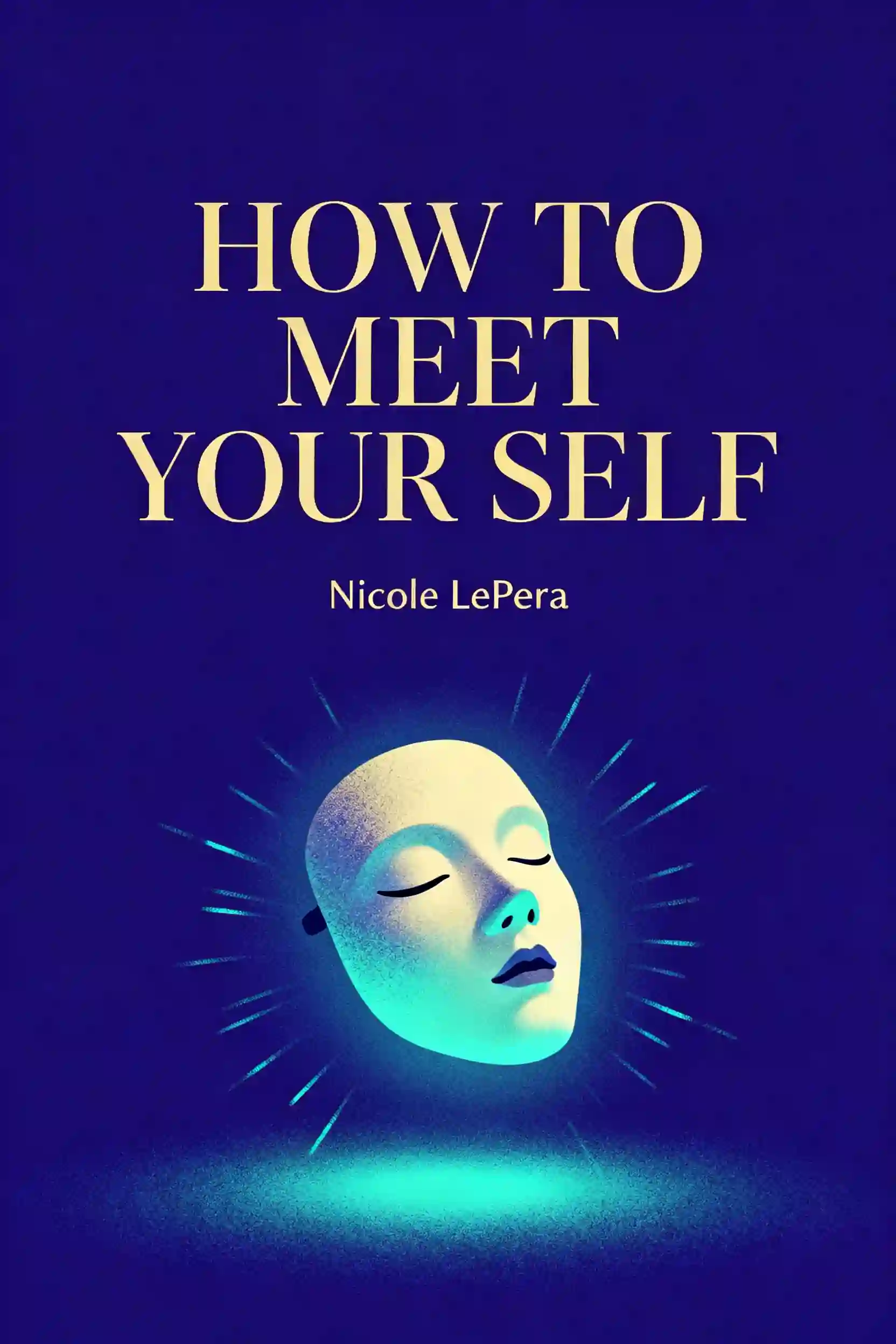
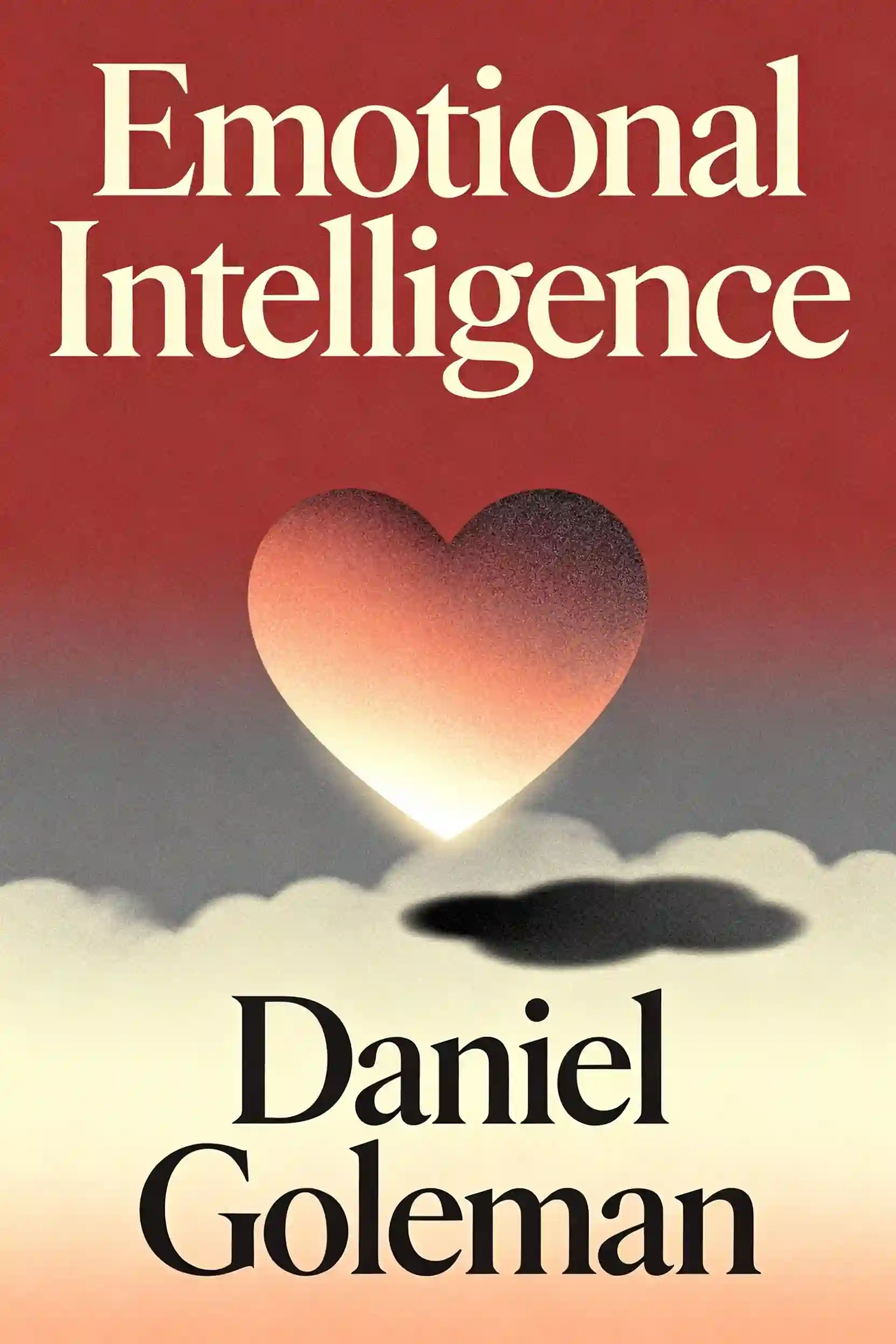
Discover more

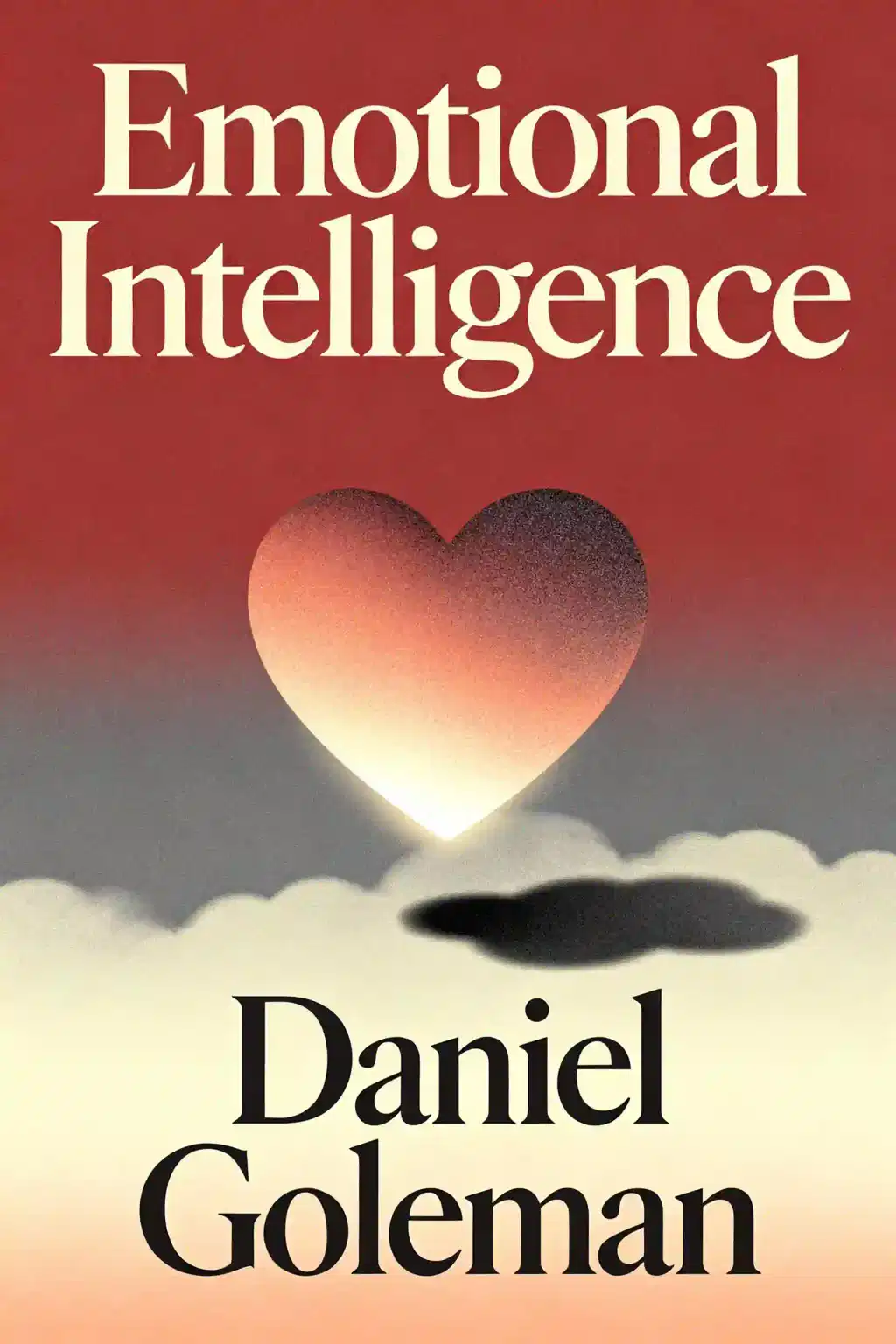
I want to be emotionally aware of my self
In an era of constant distraction, developing self-awareness is essential for mental clarity and relational health. This plan is ideal for individuals seeking to move beyond reactive habits and achieve a deeper, more compassionate understanding of their inner psyche.

Master self-deception
In a world full of cognitive shortcuts, understanding how we lie to ourselves is the ultimate competitive advantage. This plan is essential for leaders, decision-makers, and individuals seeking personal growth who want to strip away mental illusions and see reality clearly.

The Psychology of Self-Mastery
This plan is essential for high-performers and individuals seeking to move beyond reactive living by mastering their internal landscape. It combines behavioral science and cognitive psychology to help professionals and lifelong learners build resilience and mental clarity.

Raise consciousness
In an era of constant distraction, mastering one's internal state is essential for true mental freedom. This plan is designed for seekers looking to move beyond surface-level mindfulness into deep spiritual transformation and ego transcendence.

The Unshakable Self
In an era of constant social comparison, building an internal anchor is essential for long-term mental health. This plan is designed for individuals seeking to break free from people-pleasing and develop the resilience needed to navigate life's inevitable frictions with confidence.

Overcome Self Doubt
Self-doubt affects nearly everyone, limiting potential and preventing many from pursuing goals and opportunities. This learning plan provides practical tools to recognize limiting beliefs, develop self-compassion, and build authentic confidence that transforms how you approach challenges.

The Map of Your Inner World
This learning plan is essential for individuals feeling disconnected from their intuition or overwhelmed by self-criticism. It provides a practical framework for anyone seeking to transition from external approval to a grounded, self-led life.
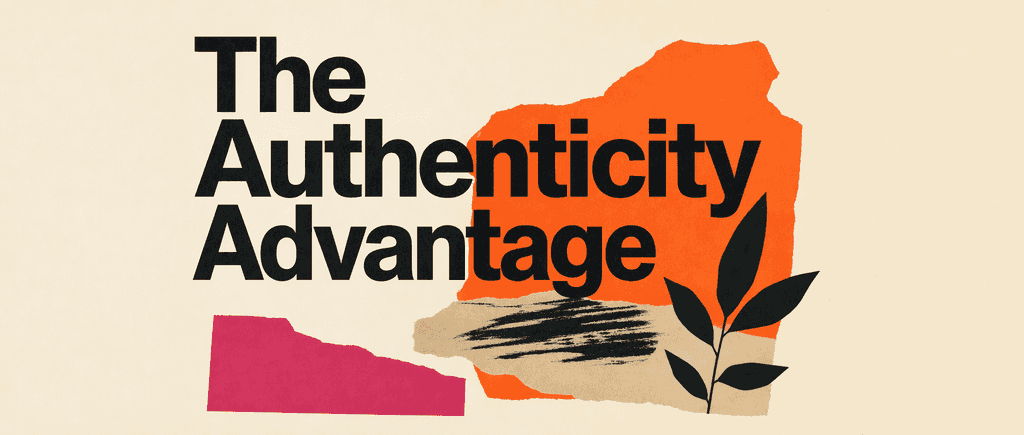
The Authenticity Advantage
This plan is essential for anyone feeling exhausted by the pressure to act 'cool' or perform in social situations. It is designed for individuals seeking to transform social anxiety into grounded confidence by embracing radical honesty and inner security.
From Columbia University alumni built in San Francisco
"Instead of endless scrolling, I just hit play on BeFreed. It saves me so much time."


"I never knew where to start with nonfiction—BeFreed’s book lists turned into podcasts gave me a clear path."


"Perfect balance between learning and entertainment. Finished ‘Thinking, Fast and Slow’ on my commute this week."
"Crazy how much I learned while walking the dog. BeFreed = small habits → big gains."
"Reading used to feel like a chore. Now it’s just part of my lifestyle."

"Feels effortless compared to reading. I’ve finished 6 books this month already."
"BeFreed turned my guilty doomscrolling into something that feels productive and inspiring."

"BeFreed turned my commute into learning time. 20-min podcasts are perfect for finishing books I never had time for."
"BeFreed replaced my podcast queue. Imagine Spotify for books — that’s it. 🙌"

"It is great for me to learn something from the book without reading it."
"The themed book list podcasts help me connect ideas across authors—like a guided audio journey."
"Makes me feel smarter every time before going to work"
From Columbia University alumni built in San Francisco
"Instead of endless scrolling, I just hit play on BeFreed. It saves me so much time."
"I never knew where to start with nonfiction—BeFreed’s book lists turned into podcasts gave me a clear path."
"Perfect balance between learning and entertainment. Finished ‘Thinking, Fast and Slow’ on my commute this week."
"Crazy how much I learned while walking the dog. BeFreed = small habits → big gains."
"Reading used to feel like a chore. Now it’s just part of my lifestyle."
"Feels effortless compared to reading. I’ve finished 6 books this month already."
"BeFreed turned my guilty doomscrolling into something that feels productive and inspiring."
"BeFreed turned my commute into learning time. 20-min podcasts are perfect for finishing books I never had time for."
"BeFreed replaced my podcast queue. Imagine Spotify for books — that’s it. 🙌"
"It is great for me to learn something from the book without reading it."
"The themed book list podcasts help me connect ideas across authors—like a guided audio journey."
"Makes me feel smarter every time before going to work"
"Instead of endless scrolling, I just hit play on BeFreed. It saves me so much time."
"I never knew where to start with nonfiction—BeFreed’s book lists turned into podcasts gave me a clear path."
"Perfect balance between learning and entertainment. Finished ‘Thinking, Fast and Slow’ on my commute this week."
"Crazy how much I learned while walking the dog. BeFreed = small habits → big gains."
"Reading used to feel like a chore. Now it’s just part of my lifestyle."
"Feels effortless compared to reading. I’ve finished 6 books this month already."
"BeFreed turned my guilty doomscrolling into something that feels productive and inspiring."
"BeFreed turned my commute into learning time. 20-min podcasts are perfect for finishing books I never had time for."
"BeFreed replaced my podcast queue. Imagine Spotify for books — that’s it. 🙌"
"It is great for me to learn something from the book without reading it."
"The themed book list podcasts help me connect ideas across authors—like a guided audio journey."
"Makes me feel smarter every time before going to work"
"Instead of endless scrolling, I just hit play on BeFreed. It saves me so much time."
"I never knew where to start with nonfiction—BeFreed’s book lists turned into podcasts gave me a clear path."
"Perfect balance between learning and entertainment. Finished ‘Thinking, Fast and Slow’ on my commute this week."
"Crazy how much I learned while walking the dog. BeFreed = small habits → big gains."
"Reading used to feel like a chore. Now it’s just part of my lifestyle."
"Feels effortless compared to reading. I’ve finished 6 books this month already."
"BeFreed turned my guilty doomscrolling into something that feels productive and inspiring."
"BeFreed turned my commute into learning time. 20-min podcasts are perfect for finishing books I never had time for."
"BeFreed replaced my podcast queue. Imagine Spotify for books — that’s it. 🙌"
"It is great for me to learn something from the book without reading it."
"The themed book list podcasts help me connect ideas across authors—like a guided audio journey."
"Makes me feel smarter every time before going to work"