The Petrodollar Trap: When the Global Loop Breaks
Explore the secret history of the U.S.-Saudi oil deal and the seismic economic risks facing America as the petrodollar recycling system begins to fracture.
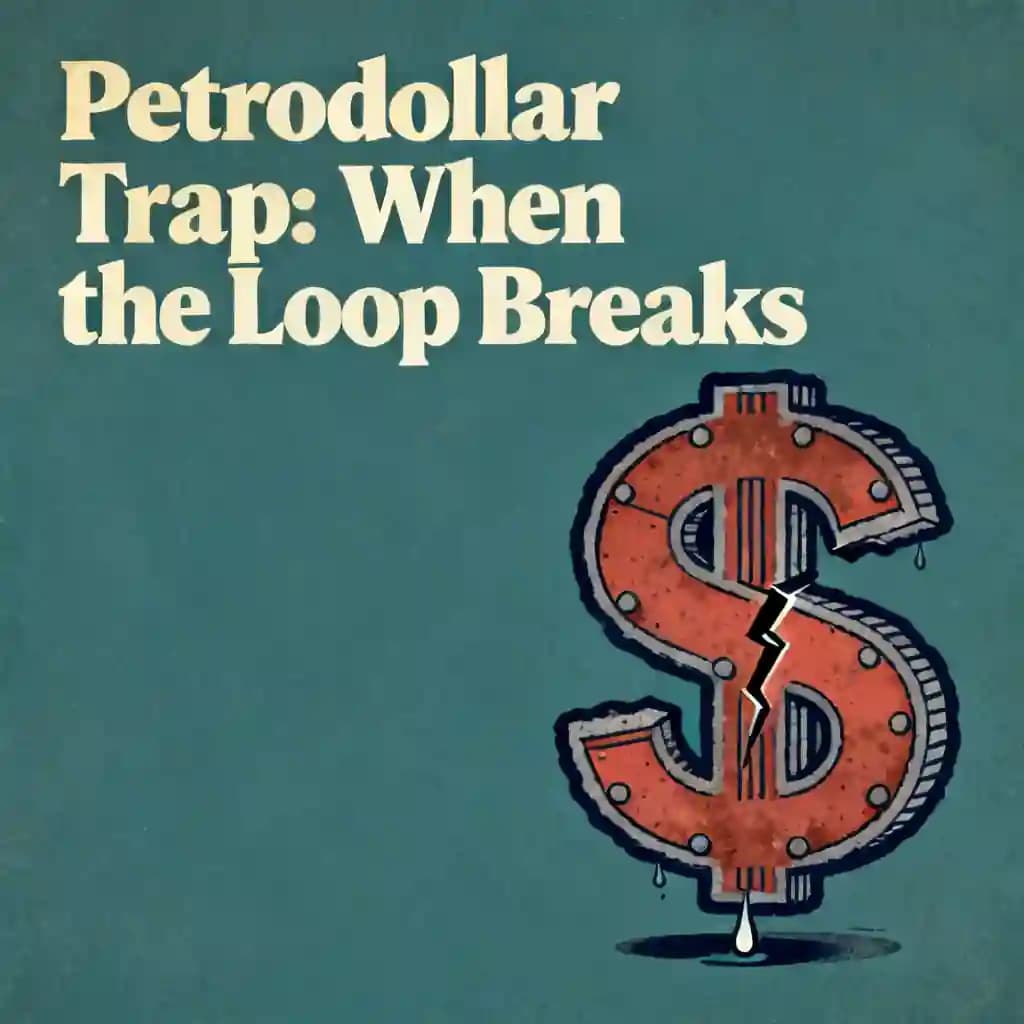
Best quote from The Petrodollar Trap: When the Global Loop Breaks
We’ve had an invisible credit line with the rest of the world for fifty years, and the bill might finally be coming due as the world moves toward a multipolar financial system. It’s not just about oil—it’s about the very foundation of how the U.S. finances its existence.
Generated by Freedee_08C6A32A
The Petro dollar recycling American dollars back into the American economy and the consequences of the end of the petro dollar

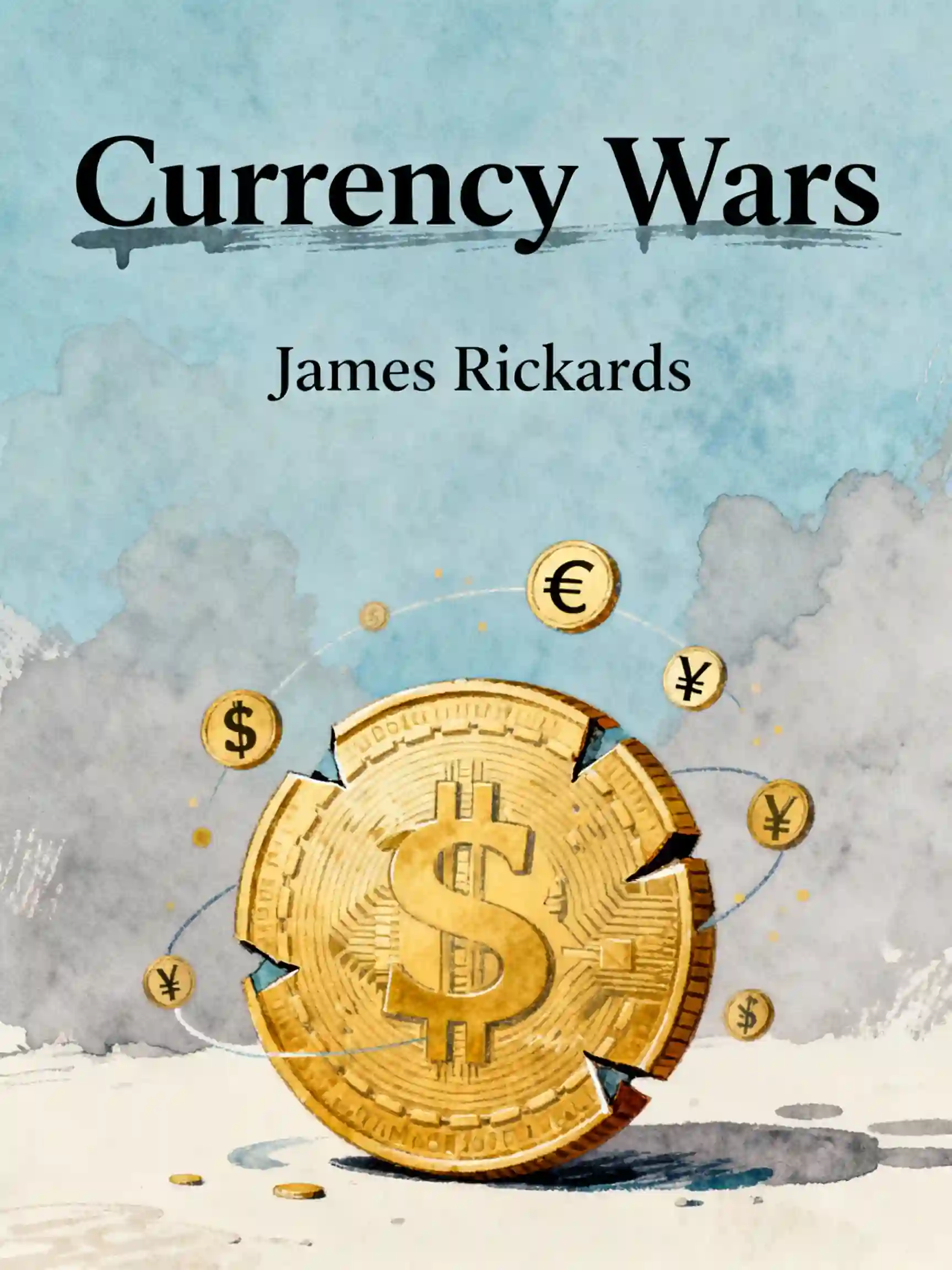
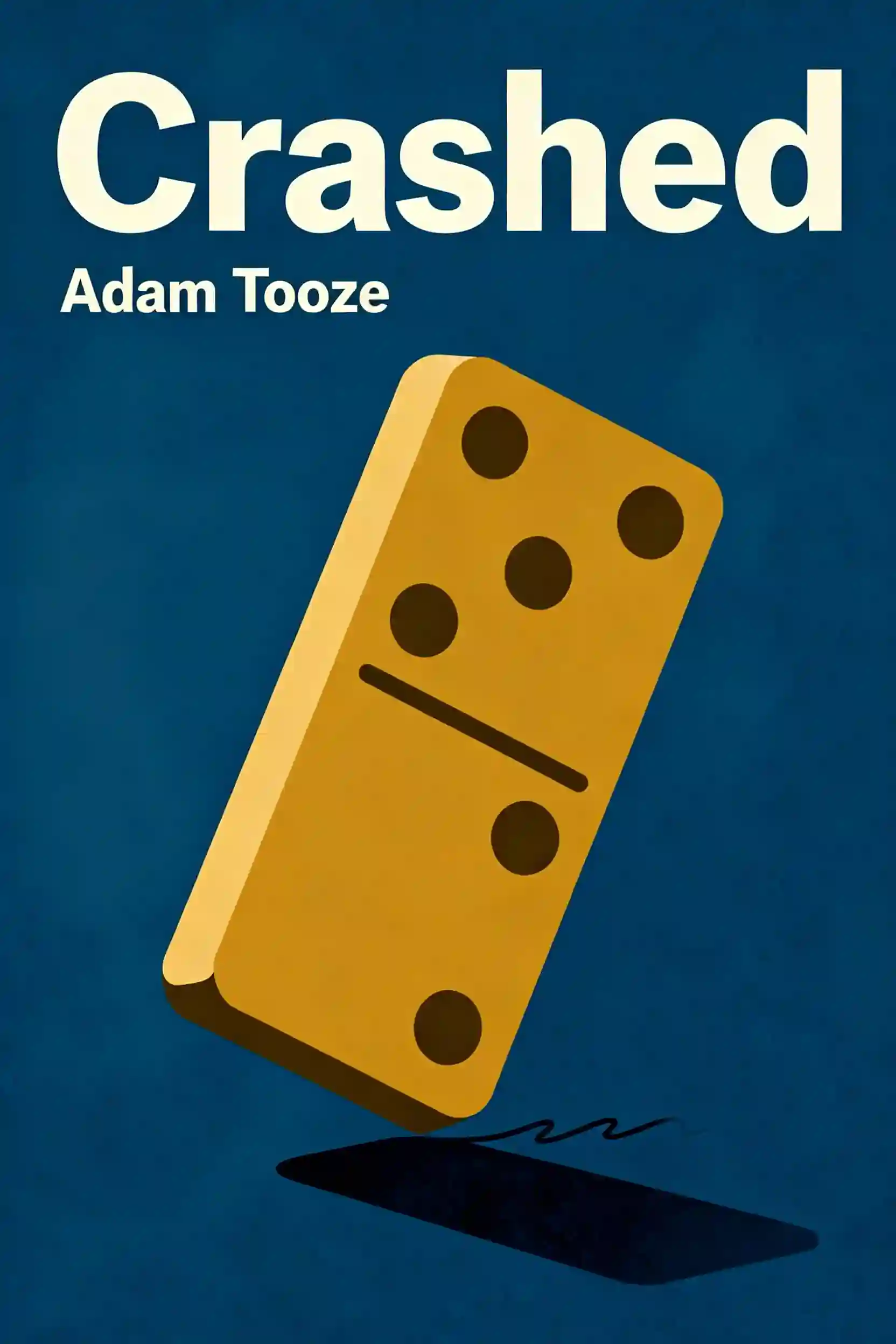
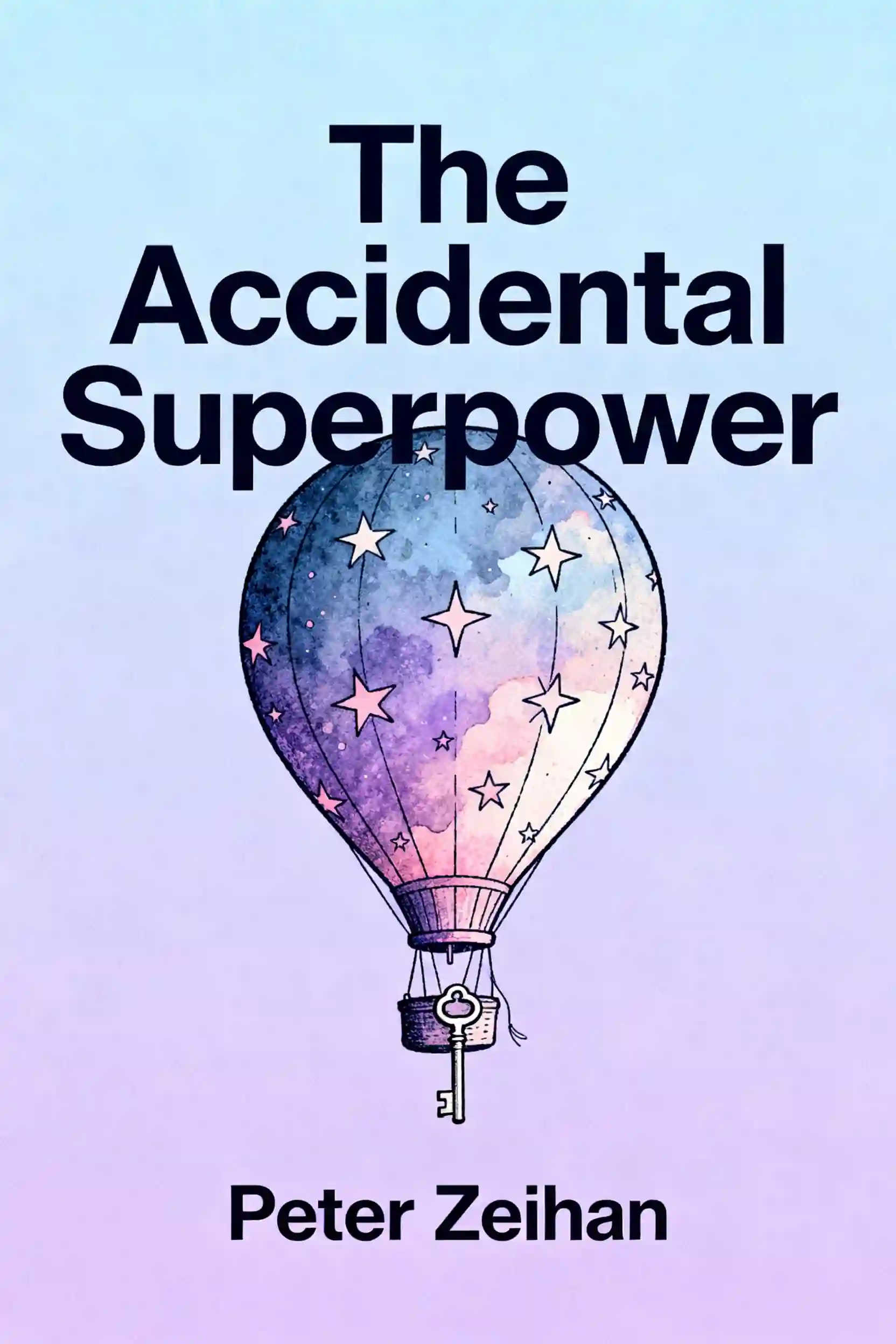
Frequently Asked Questions
The petrodollar recycling loop was a financial circuit created by a secret deal between the U.S. and Saudi Arabia. Under this agreement, Saudi Arabia priced its oil exclusively in U.S. dollars and invested its surplus profits back into U.S. Treasury bonds. In exchange, the U.S. provided the kingdom with military protection. This system created a constant global demand for the dollar and allowed the U.S. government to fund massive budget deficits at low interest rates, essentially acting as an invisible credit line for the American economy.
Because the entire world required U.S. dollars to purchase energy, foreign central banks and oil-exporting nations held trillions of dollars in reserve. When the Federal Reserve printed money, a significant portion of that currency remained outside the domestic U.S. economy in these foreign reserves or was recycled back into government debt. This prevented the excess money supply from circulating at local grocery stores, which kept the prices of domestic goods and services lower than they would have been otherwise.
The Triffin Dilemma is an economic paradox where the country providing the world's reserve currency must run constant trade deficits to supply the global market with liquidity. While this keeps global trade moving, the continuous pumping of dollars into the world eventually undermines the currency's long-term value. As the U.S. debt grows—reaching thirty-nine trillion dollars—other nations begin to worry that the currency is no longer backed by sufficient value, leading them to seek alternatives like gold, the Yuan, or other regional currencies.
The U.S. uses the dollar's dominance as a "sanctions weapon" because most global trade cleared through U.S. banks falls under U.S. legal jurisdiction. By cutting countries like Iran or Russia off from the SWIFT messaging system or freezing their sovereign reserves, the U.S. can effectively "kill switch" an opponent's economy. This has signaled to other nations—including allies—that relying on the dollar is a political risk, prompting them to build parallel financial infrastructures, such as China’s CIPS, to protect their own monetary sovereignty.
The shift toward renewable energy acts as a "structural dagger" to the petrodollar because solar and wind power are decentralized and do not require a global dollar-clearinghouse to trade. Furthermore, the "new oil"—critical minerals like lithium and cobalt—is largely controlled and processed by China, which does not price these resources in dollars. As the world moves toward "Net Zero," the commodity that anchored the dollar's global demand for fifty years is becoming less relevant, forcing the U.S. to find new ways to back its currency's value.
From Columbia University alumni built in San Francisco
"Instead of endless scrolling, I just hit play on BeFreed. It saves me so much time."


"I never knew where to start with nonfiction—BeFreed’s book lists turned into podcasts gave me a clear path."


"Perfect balance between learning and entertainment. Finished ‘Thinking, Fast and Slow’ on my commute this week."
"Crazy how much I learned while walking the dog. BeFreed = small habits → big gains."
"Reading used to feel like a chore. Now it’s just part of my lifestyle."

"Feels effortless compared to reading. I’ve finished 6 books this month already."
"BeFreed turned my guilty doomscrolling into something that feels productive and inspiring."

"BeFreed turned my commute into learning time. 20-min podcasts are perfect for finishing books I never had time for."
"BeFreed replaced my podcast queue. Imagine Spotify for books — that’s it. 🙌"

"It is great for me to learn something from the book without reading it."
"The themed book list podcasts help me connect ideas across authors—like a guided audio journey."
"Makes me feel smarter every time before going to work"
From Columbia University alumni built in San Francisco
"Instead of endless scrolling, I just hit play on BeFreed. It saves me so much time."
"I never knew where to start with nonfiction—BeFreed’s book lists turned into podcasts gave me a clear path."
"Perfect balance between learning and entertainment. Finished ‘Thinking, Fast and Slow’ on my commute this week."
"Crazy how much I learned while walking the dog. BeFreed = small habits → big gains."
"Reading used to feel like a chore. Now it’s just part of my lifestyle."
"Feels effortless compared to reading. I’ve finished 6 books this month already."
"BeFreed turned my guilty doomscrolling into something that feels productive and inspiring."
"BeFreed turned my commute into learning time. 20-min podcasts are perfect for finishing books I never had time for."
"BeFreed replaced my podcast queue. Imagine Spotify for books — that’s it. 🙌"
"It is great for me to learn something from the book without reading it."
"The themed book list podcasts help me connect ideas across authors—like a guided audio journey."
"Makes me feel smarter every time before going to work"
"Instead of endless scrolling, I just hit play on BeFreed. It saves me so much time."
"I never knew where to start with nonfiction—BeFreed’s book lists turned into podcasts gave me a clear path."
"Perfect balance between learning and entertainment. Finished ‘Thinking, Fast and Slow’ on my commute this week."
"Crazy how much I learned while walking the dog. BeFreed = small habits → big gains."
"Reading used to feel like a chore. Now it’s just part of my lifestyle."
"Feels effortless compared to reading. I’ve finished 6 books this month already."
"BeFreed turned my guilty doomscrolling into something that feels productive and inspiring."
"BeFreed turned my commute into learning time. 20-min podcasts are perfect for finishing books I never had time for."
"BeFreed replaced my podcast queue. Imagine Spotify for books — that’s it. 🙌"
"It is great for me to learn something from the book without reading it."
"The themed book list podcasts help me connect ideas across authors—like a guided audio journey."
"Makes me feel smarter every time before going to work"
"Instead of endless scrolling, I just hit play on BeFreed. It saves me so much time."
"I never knew where to start with nonfiction—BeFreed’s book lists turned into podcasts gave me a clear path."
"Perfect balance between learning and entertainment. Finished ‘Thinking, Fast and Slow’ on my commute this week."
"Crazy how much I learned while walking the dog. BeFreed = small habits → big gains."
"Reading used to feel like a chore. Now it’s just part of my lifestyle."
"Feels effortless compared to reading. I’ve finished 6 books this month already."
"BeFreed turned my guilty doomscrolling into something that feels productive and inspiring."
"BeFreed turned my commute into learning time. 20-min podcasts are perfect for finishing books I never had time for."
"BeFreed replaced my podcast queue. Imagine Spotify for books — that’s it. 🙌"
"It is great for me to learn something from the book without reading it."
"The themed book list podcasts help me connect ideas across authors—like a guided audio journey."
"Makes me feel smarter every time before going to work"