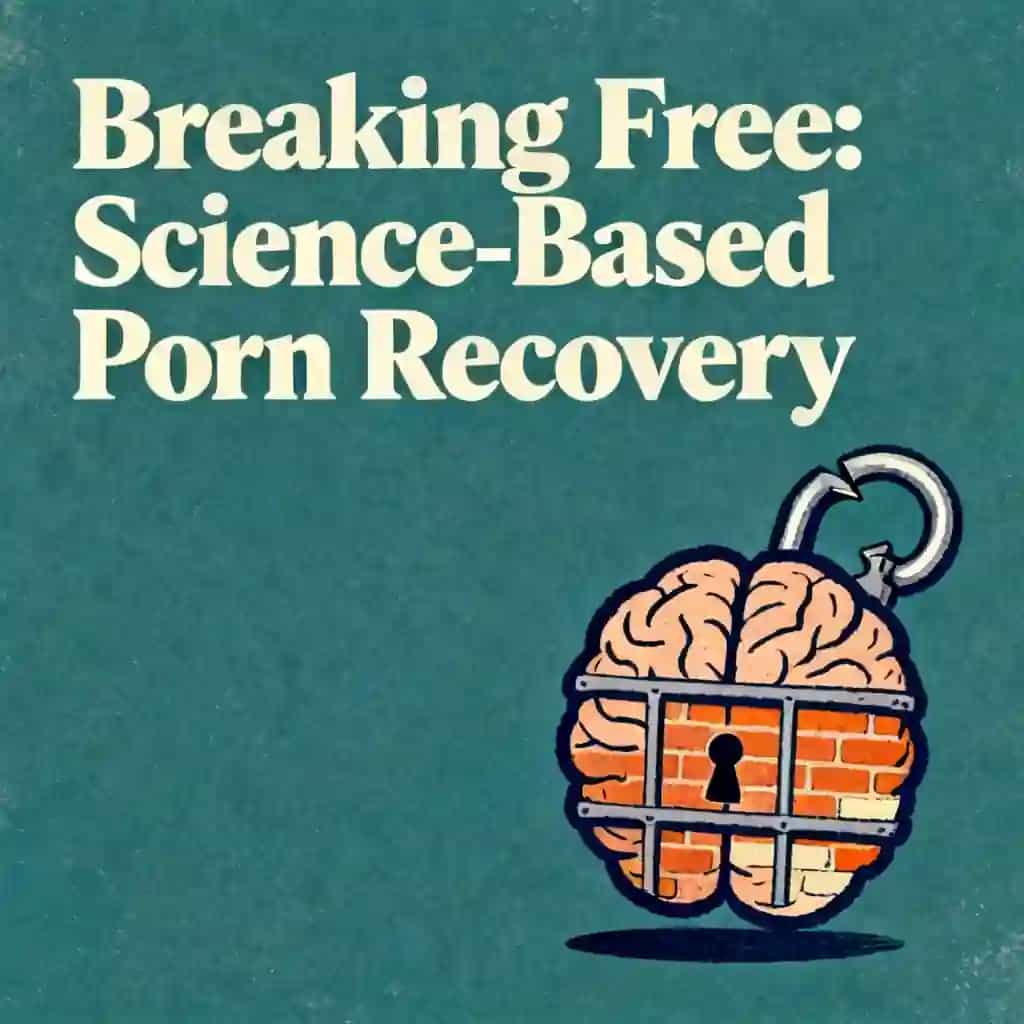
Explore the NoFap phenomenon, its claims of brain rebooting, and the science behind the movement. Learn about the impact on mental health and sexual well-being.

The 'treatment' of believing you are an addict and must abstain may actually be the very thing causing sexual dysfunction, creating a 'nocebo' effect where the belief that you are damaged causes the symptoms of damage.
Is nofap legit? Or is it just an internet hoax?


The NoFap movement is a global phenomenon that encourages men to abstain from masturbation and pornography to 'reboot' their brains. Followers believe that by avoiding digital stimulation, they can reclaim their masculinity and unlock 'superpowers' such as enhanced confidence and physical virility. Starting as a small Reddit thread, the community has grown to over half a million members seeking self-improvement and better sexual health through this practice.
Proponents of the NoFap movement claim that 'rebooting' the brain leads to significant personal transformations, including increased mental clarity and improved agency. Many personal anecdotes suggest that abstaining from pornography helps individuals overcome addiction and regain a sense of virility. However, the podcast explores whether these claims are supported by clinical data or if they are part of an elaborate internet hoax fueled by misinformation.
While many see NoFap as a path to self-improvement, researchers are uncovering potential 'iatrogenic' effects, which are harms caused by the treatment itself. The movement exists at a strange intersection where vulnerable personal stories often clash with clinical science. This episode examines these dangerous side effects and looks past the memes to understand how this simple challenge evolved into a complex web of psychological and physical health concerns.
The podcast discusses how living in a world saturated with digital stimulation affects fundamental aspects of well-being, such as mental clarity and sexual health. The NoFap phenomenon highlights the struggle many face in maintaining agency over their own lives when confronted with constant online triggers. By peeling back the layers of this movement, the episode investigates the actual science behind pornography addiction recovery and the psychological impact of digital consumption.
From Columbia University alumni built in San Francisco
"Instead of endless scrolling, I just hit play on BeFreed. It saves me so much time."
"I never knew where to start with nonfiction—BeFreed’s book lists turned into podcasts gave me a clear path."
"Perfect balance between learning and entertainment. Finished ‘Thinking, Fast and Slow’ on my commute this week."
"Crazy how much I learned while walking the dog. BeFreed = small habits → big gains."
"Reading used to feel like a chore. Now it’s just part of my lifestyle."
"Feels effortless compared to reading. I’ve finished 6 books this month already."
"BeFreed turned my guilty doomscrolling into something that feels productive and inspiring."
"BeFreed turned my commute into learning time. 20-min podcasts are perfect for finishing books I never had time for."
"BeFreed replaced my podcast queue. Imagine Spotify for books — that’s it. 🙌"
"It is great for me to learn something from the book without reading it."
"The themed book list podcasts help me connect ideas across authors—like a guided audio journey."
"Makes me feel smarter every time before going to work"
From Columbia University alumni built in San Francisco