The Neurobiology of Female Desire: Dopamine and the VTA
Explore the neurobiology of female desire and how the VTA and dopamine drive romantic attraction, based on Helen Fisher's fMRI studies and brain science.

Best quote from The Neurobiology of Female Desire: Dopamine and the VTA
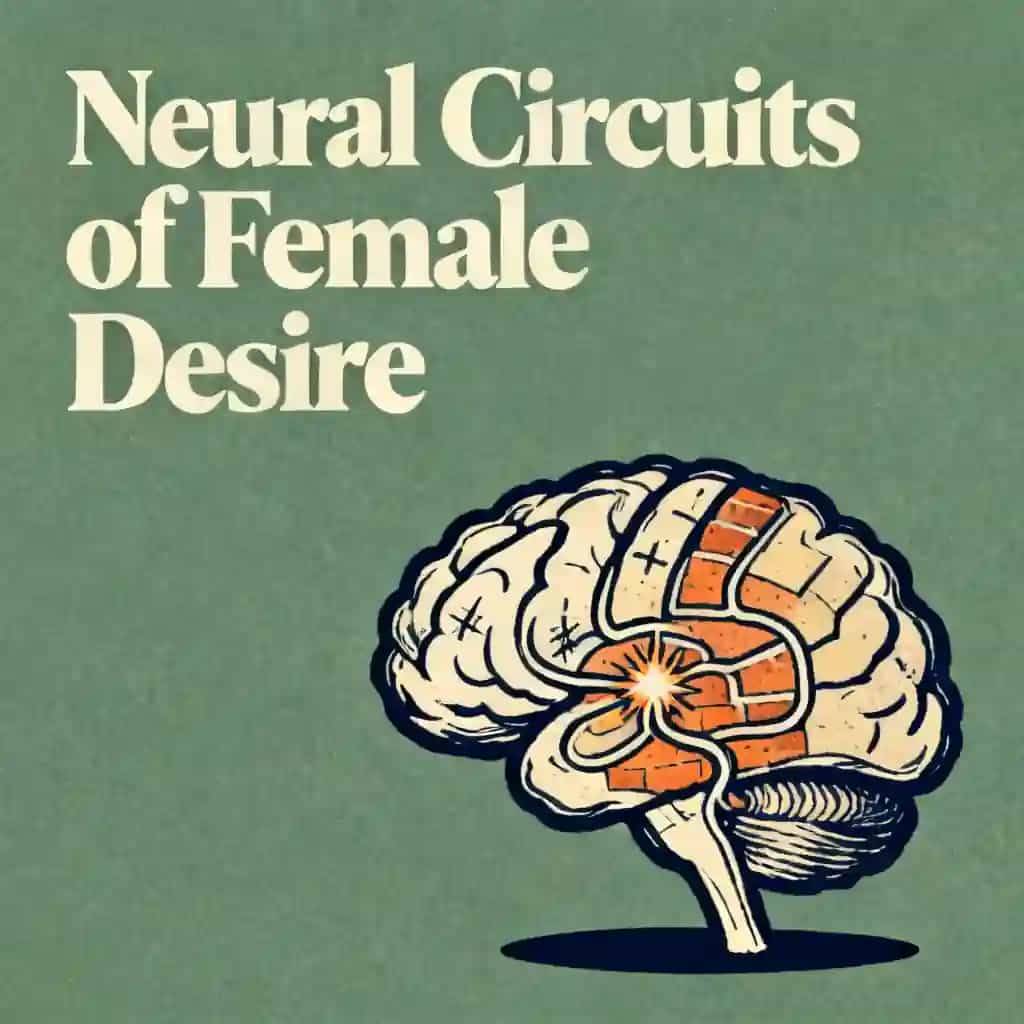
Romantic love isn't just an emotion; it’s actually a drive—a powerful physiological need, like hunger or thirst, designed by evolution to focus our energy on a specific partner.
Generated by Steve
The neurobiology of female desire: how dopamine, oxytocin, and brain reward systems drive lust and attraction in women, based on Helen Fisher's fMRI research and Masters & Johnson.






Frequently Asked Questions
The neurobiology of female desire is a complex biological process involving specific gears turning within the brain. Rather than being a vague sense of chemistry, romantic attraction is a powerful physiological drive similar to hunger or thirst. Research, including Helen Fisher's fMRI studies, shows that this drive is rooted in the brain's reward system, creating an intense internal machinery that governs how women experience attraction and romantic love.
The Ventral Tegmental Area, or VTA, acts as a tiny factory near the base of the brain that produces and distributes dopamine. During stages of intense lust or early romantic attraction, this region becomes highly active. It serves as the brain's power plant, fueling the physiological need for a specific person. The VTA is central to the neurobiological foundation of 'wanting' and helps explain the intense focus associated with new love.
Dopamine is often described as the chemical of 'more' within the context of brain science. It is responsible for driving energy, elation, and the laser-focused attention one feels toward a partner. When the VTA floods the system with dopamine, it creates the neurobiological basis for desire. This chemical release is what makes romantic love feel like a high-stakes drive, leading to the obsessive thoughts and intense pull characteristic of attraction.
According to Helen Fisher's fMRI studies and the neurobiology of female desire, romantic love is classified as a drive rather than just an emotion. It is a powerful physiological need, functioning much like the basic human requirements for hunger or thirst. This drive originates in the brain's VTA, where dopamine production creates a craving for a specific person, making the experience of attraction a fundamental biological necessity.
From Columbia University alumni built in San Francisco
"Instead of endless scrolling, I just hit play on BeFreed. It saves me so much time."


"I never knew where to start with nonfiction—BeFreed’s book lists turned into podcasts gave me a clear path."


"Perfect balance between learning and entertainment. Finished ‘Thinking, Fast and Slow’ on my commute this week."
"Crazy how much I learned while walking the dog. BeFreed = small habits → big gains."
"Reading used to feel like a chore. Now it’s just part of my lifestyle."

"Feels effortless compared to reading. I’ve finished 6 books this month already."
"BeFreed turned my guilty doomscrolling into something that feels productive and inspiring."

"BeFreed turned my commute into learning time. 20-min podcasts are perfect for finishing books I never had time for."
"BeFreed replaced my podcast queue. Imagine Spotify for books — that’s it. 🙌"

"It is great for me to learn something from the book without reading it."
"The themed book list podcasts help me connect ideas across authors—like a guided audio journey."
"Makes me feel smarter every time before going to work"
From Columbia University alumni built in San Francisco
"Instead of endless scrolling, I just hit play on BeFreed. It saves me so much time."
"I never knew where to start with nonfiction—BeFreed’s book lists turned into podcasts gave me a clear path."
"Perfect balance between learning and entertainment. Finished ‘Thinking, Fast and Slow’ on my commute this week."
"Crazy how much I learned while walking the dog. BeFreed = small habits → big gains."
"Reading used to feel like a chore. Now it’s just part of my lifestyle."
"Feels effortless compared to reading. I’ve finished 6 books this month already."
"BeFreed turned my guilty doomscrolling into something that feels productive and inspiring."
"BeFreed turned my commute into learning time. 20-min podcasts are perfect for finishing books I never had time for."
"BeFreed replaced my podcast queue. Imagine Spotify for books — that’s it. 🙌"
"It is great for me to learn something from the book without reading it."
"The themed book list podcasts help me connect ideas across authors—like a guided audio journey."
"Makes me feel smarter every time before going to work"
"Instead of endless scrolling, I just hit play on BeFreed. It saves me so much time."
"I never knew where to start with nonfiction—BeFreed’s book lists turned into podcasts gave me a clear path."
"Perfect balance between learning and entertainment. Finished ‘Thinking, Fast and Slow’ on my commute this week."
"Crazy how much I learned while walking the dog. BeFreed = small habits → big gains."
"Reading used to feel like a chore. Now it’s just part of my lifestyle."
"Feels effortless compared to reading. I’ve finished 6 books this month already."
"BeFreed turned my guilty doomscrolling into something that feels productive and inspiring."
"BeFreed turned my commute into learning time. 20-min podcasts are perfect for finishing books I never had time for."
"BeFreed replaced my podcast queue. Imagine Spotify for books — that’s it. 🙌"
"It is great for me to learn something from the book without reading it."
"The themed book list podcasts help me connect ideas across authors—like a guided audio journey."
"Makes me feel smarter every time before going to work"
"Instead of endless scrolling, I just hit play on BeFreed. It saves me so much time."
"I never knew where to start with nonfiction—BeFreed’s book lists turned into podcasts gave me a clear path."
"Perfect balance between learning and entertainment. Finished ‘Thinking, Fast and Slow’ on my commute this week."
"Crazy how much I learned while walking the dog. BeFreed = small habits → big gains."
"Reading used to feel like a chore. Now it’s just part of my lifestyle."
"Feels effortless compared to reading. I’ve finished 6 books this month already."
"BeFreed turned my guilty doomscrolling into something that feels productive and inspiring."
"BeFreed turned my commute into learning time. 20-min podcasts are perfect for finishing books I never had time for."
"BeFreed replaced my podcast queue. Imagine Spotify for books — that’s it. 🙌"
"It is great for me to learn something from the book without reading it."
"The themed book list podcasts help me connect ideas across authors—like a guided audio journey."
"Makes me feel smarter every time before going to work"