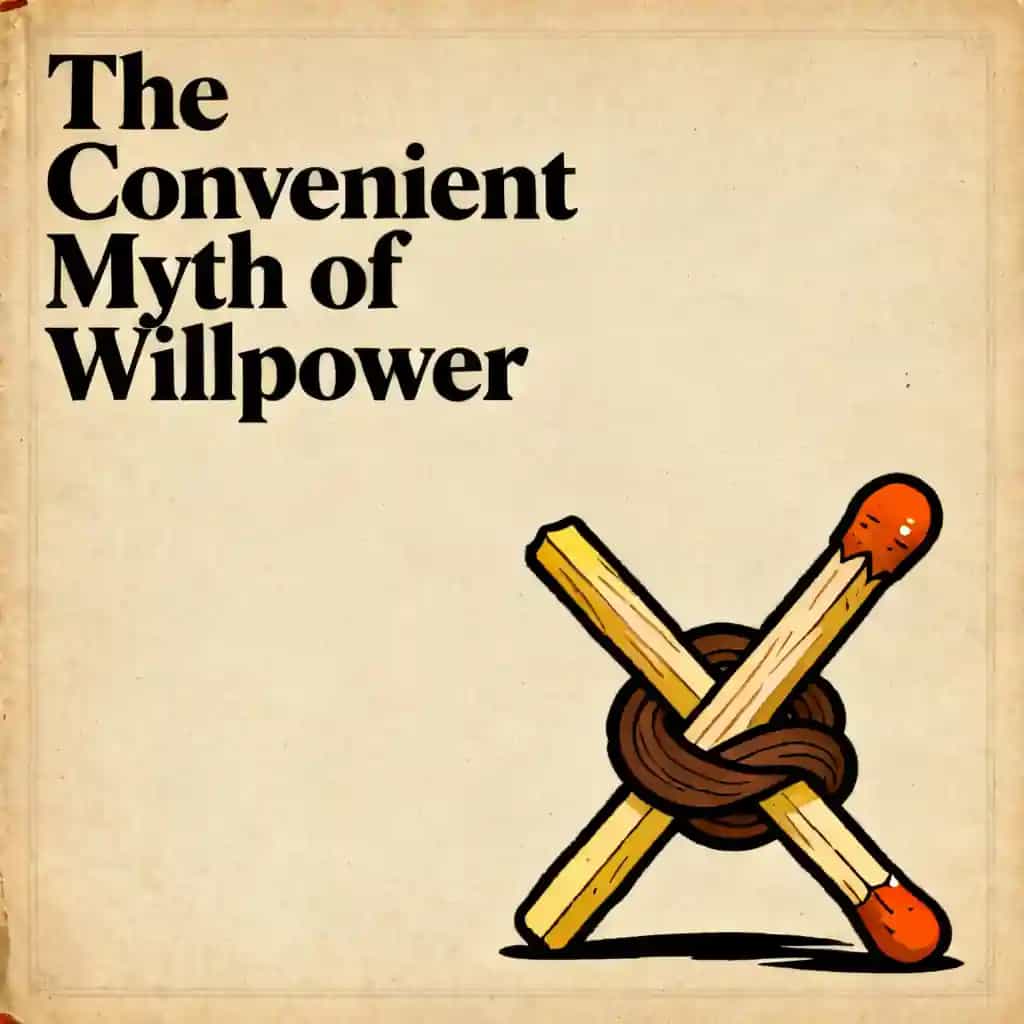
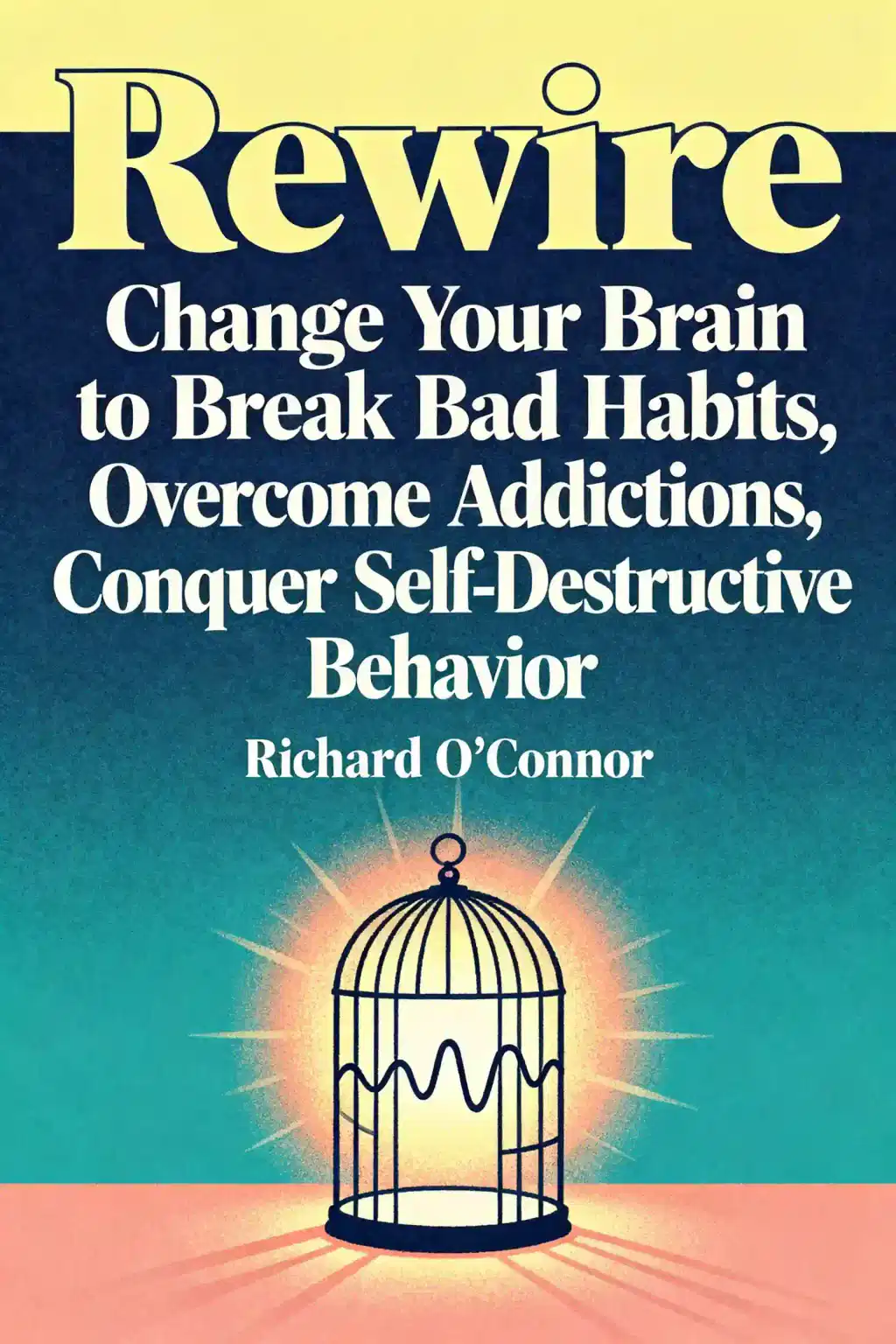
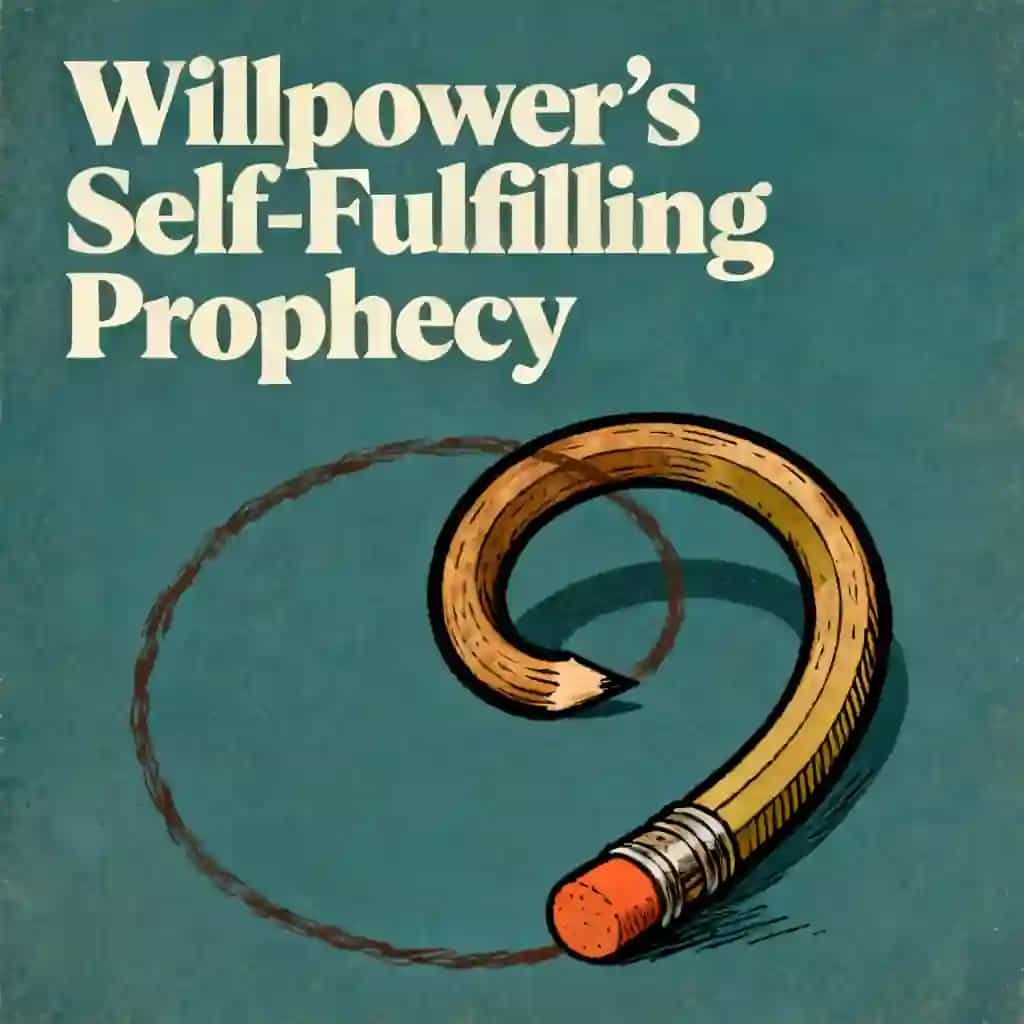
The Myth of Willpower
Struggling with self-control isn't a lack of fuel. Learn why the 'ego depletion' model is flawed and how to use friction engineering to win.
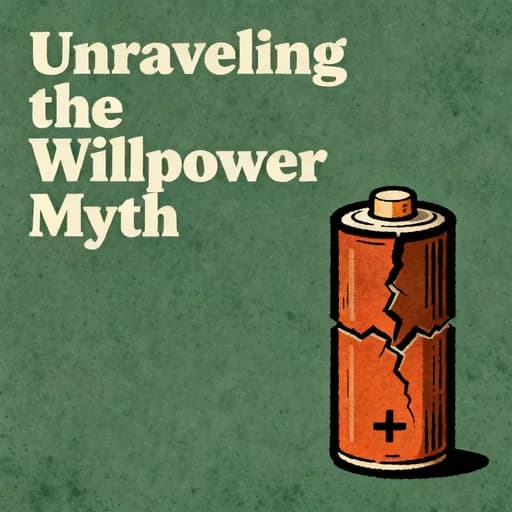
Best quote from The Myth of Willpower
The most successful people are not those with the most willpower, but those who arrange their lives so they need self-control the least.
Generated with BeFreed
The Myth of Willpower






Frequently Asked Questions
Recent large-scale scientific studies have debunked the "ego depletion" model, which suggested that willpower is a physiological resource like a battery or fuel tank. Massive replication efforts involving thousands of participants found that the effect of "running out" of willpower is essentially non-existent. Instead of a loss of fuel, what we feel at the end of a long day is a motivational shift where the brain moves from "have-to" tasks to "want-to" tasks because it no longer perceives the effort of resistance as being worth the reward.
Research indicates that people who score high on self-control scales do not actually have stronger "willpower muscles." Instead, they use willpower less often than others because they have designed their lives to encounter fewer temptations. These individuals rely on automated habits and stable environments rather than heroics. By automating "good" behaviors, they ensure that their daily routines require very little conscious effort or "white-knuckling."
Friction Engineering is a strategy used to manipulate the effort required to perform a behavior. To break a bad habit, you increase the "friction" by making the task more difficult or annoying, such as putting a phone in another room or placing snacks on a high, hard-to-reach shelf. Conversely, to build a good habit, you decrease friction by making the task the path of least resistance, such as laying out gym clothes the night before or placing a book directly on your pillow.
According to the "Three Gears" approach, you can override cravings by updating the "reward value" in your brain through mindfulness and curiosity. Instead of fighting a craving, you pay intense attention to the actual experience of the behavior while it is happening—noticing the smell, taste, or physical sensations. When the brain experientially realizes that a habit like smoking or stress-eating is actually unsatisfying or "gross," the drive to perform that behavior naturally fades without the need for forceful resistance.
Identity-based change involves shifting your self-concept from someone who is "trying" to change to someone who simply embodies the new behavior. Every "tiny habit" you perform acts as a "behavioral vote" for the person you want to become. For example, writing one sentence a day provides evidence to your brain that you are a writer. Once an identity is established, the friction of performing related tasks drops significantly because you are simply acting in alignment with who you believe you are.
From Columbia University alumni built in San Francisco
"Instead of endless scrolling, I just hit play on BeFreed. It saves me so much time."


"I never knew where to start with nonfiction—BeFreed’s book lists turned into podcasts gave me a clear path."


"Perfect balance between learning and entertainment. Finished ‘Thinking, Fast and Slow’ on my commute this week."
"Crazy how much I learned while walking the dog. BeFreed = small habits → big gains."
"Reading used to feel like a chore. Now it’s just part of my lifestyle."

"Feels effortless compared to reading. I’ve finished 6 books this month already."
"BeFreed turned my guilty doomscrolling into something that feels productive and inspiring."

"BeFreed turned my commute into learning time. 20-min podcasts are perfect for finishing books I never had time for."
"BeFreed replaced my podcast queue. Imagine Spotify for books — that’s it. 🙌"

"It is great for me to learn something from the book without reading it."
"The themed book list podcasts help me connect ideas across authors—like a guided audio journey."
"Makes me feel smarter every time before going to work"
From Columbia University alumni built in San Francisco
"Instead of endless scrolling, I just hit play on BeFreed. It saves me so much time."
"I never knew where to start with nonfiction—BeFreed’s book lists turned into podcasts gave me a clear path."
"Perfect balance between learning and entertainment. Finished ‘Thinking, Fast and Slow’ on my commute this week."
"Crazy how much I learned while walking the dog. BeFreed = small habits → big gains."
"Reading used to feel like a chore. Now it’s just part of my lifestyle."
"Feels effortless compared to reading. I’ve finished 6 books this month already."
"BeFreed turned my guilty doomscrolling into something that feels productive and inspiring."
"BeFreed turned my commute into learning time. 20-min podcasts are perfect for finishing books I never had time for."
"BeFreed replaced my podcast queue. Imagine Spotify for books — that’s it. 🙌"
"It is great for me to learn something from the book without reading it."
"The themed book list podcasts help me connect ideas across authors—like a guided audio journey."
"Makes me feel smarter every time before going to work"
"Instead of endless scrolling, I just hit play on BeFreed. It saves me so much time."
"I never knew where to start with nonfiction—BeFreed’s book lists turned into podcasts gave me a clear path."
"Perfect balance between learning and entertainment. Finished ‘Thinking, Fast and Slow’ on my commute this week."
"Crazy how much I learned while walking the dog. BeFreed = small habits → big gains."
"Reading used to feel like a chore. Now it’s just part of my lifestyle."
"Feels effortless compared to reading. I’ve finished 6 books this month already."
"BeFreed turned my guilty doomscrolling into something that feels productive and inspiring."
"BeFreed turned my commute into learning time. 20-min podcasts are perfect for finishing books I never had time for."
"BeFreed replaced my podcast queue. Imagine Spotify for books — that’s it. 🙌"
"It is great for me to learn something from the book without reading it."
"The themed book list podcasts help me connect ideas across authors—like a guided audio journey."
"Makes me feel smarter every time before going to work"
"Instead of endless scrolling, I just hit play on BeFreed. It saves me so much time."
"I never knew where to start with nonfiction—BeFreed’s book lists turned into podcasts gave me a clear path."
"Perfect balance between learning and entertainment. Finished ‘Thinking, Fast and Slow’ on my commute this week."
"Crazy how much I learned while walking the dog. BeFreed = small habits → big gains."
"Reading used to feel like a chore. Now it’s just part of my lifestyle."
"Feels effortless compared to reading. I’ve finished 6 books this month already."
"BeFreed turned my guilty doomscrolling into something that feels productive and inspiring."
"BeFreed turned my commute into learning time. 20-min podcasts are perfect for finishing books I never had time for."
"BeFreed replaced my podcast queue. Imagine Spotify for books — that’s it. 🙌"
"It is great for me to learn something from the book without reading it."
"The themed book list podcasts help me connect ideas across authors—like a guided audio journey."
"Makes me feel smarter every time before going to work"