Jackson and Miles explore the fascinating foundations of human psychology, from brain biology and unconscious forces to learning, emotions, and social influence. Discover how understanding your mind can transform your daily life.

Psychology is the science behind being human, acting as an operating manual that helps us understand why we do what we do, why we think the way we think, and how we can work with our natural tendencies to live more fulfilling lives.
Very basics of human psychology

From Columbia University alumni built in San Francisco
"Instead of endless scrolling, I just hit play on BeFreed. It saves me so much time."
"I never knew where to start with nonfiction—BeFreed’s book lists turned into podcasts gave me a clear path."
"Perfect balance between learning and entertainment. Finished ‘Thinking, Fast and Slow’ on my commute this week."
"Crazy how much I learned while walking the dog. BeFreed = small habits → big gains."
"Reading used to feel like a chore. Now it’s just part of my lifestyle."
"Feels effortless compared to reading. I’ve finished 6 books this month already."
"BeFreed turned my guilty doomscrolling into something that feels productive and inspiring."
"BeFreed turned my commute into learning time. 20-min podcasts are perfect for finishing books I never had time for."
"BeFreed replaced my podcast queue. Imagine Spotify for books — that’s it. 🙌"
"It is great for me to learn something from the book without reading it."
"The themed book list podcasts help me connect ideas across authors—like a guided audio journey."
"Makes me feel smarter every time before going to work"
From Columbia University alumni built in San Francisco

Jackson: Hey everyone, welcome back to another personalized episode from BeFreed! I'm Jackson, and I'm absolutely thrilled to dive into today's topic with my co-host Miles. We're exploring something that affects every single moment of our lives-the very basics of human psychology.
Miles: Hey there! Yeah, I'm Miles, and honestly, I can't think of a more fascinating subject to explore together. You know, psychology is like this incredible lens that helps us understand why we do what we do, why we think the way we think, and why we sometimes act in ways that even surprise ourselves.
Jackson: Exactly! And what's amazing is that psychology touches literally everything-from why you might feel nervous before a big presentation to why certain songs can instantly transport you back to childhood memories. It's the science behind being human, right?
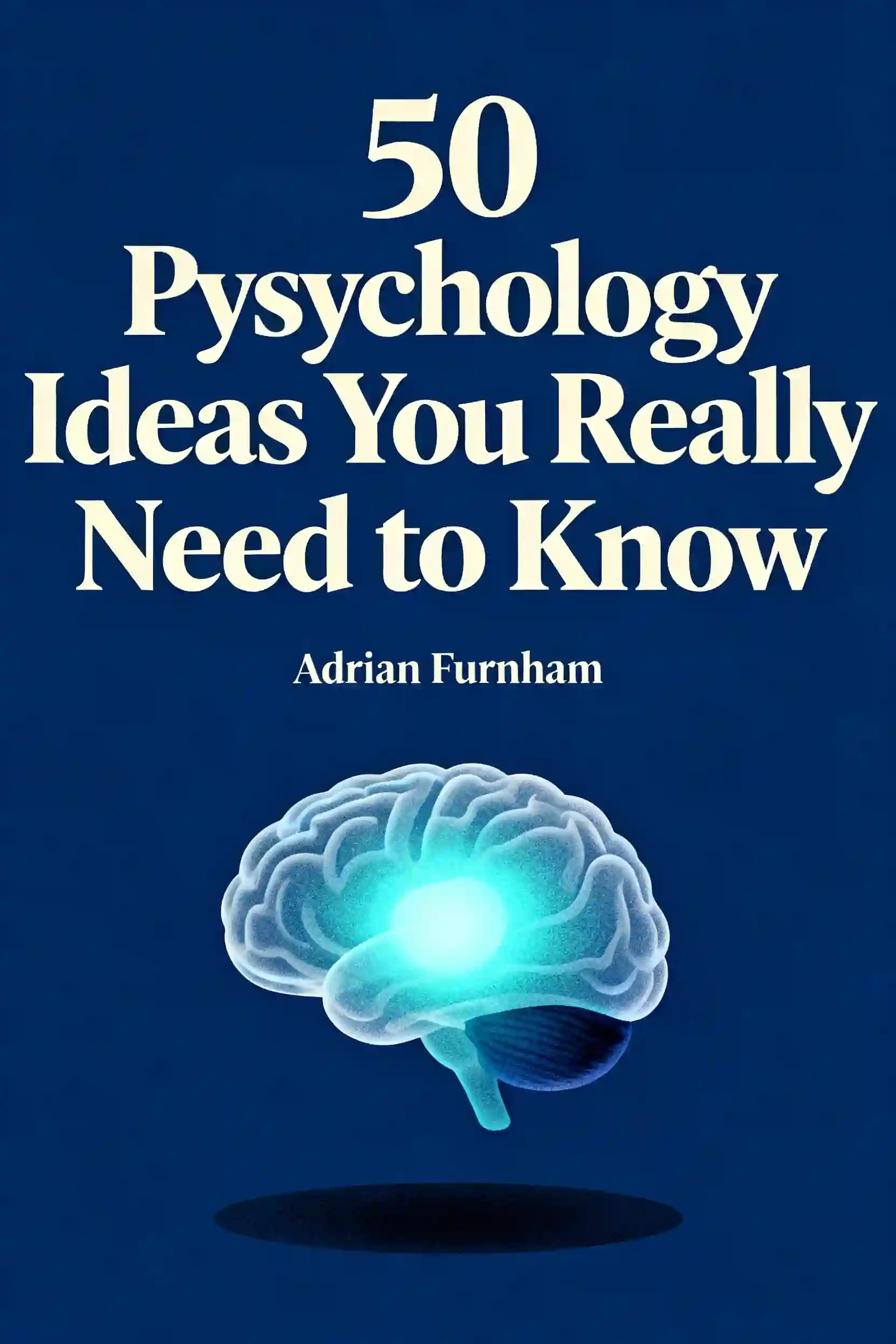
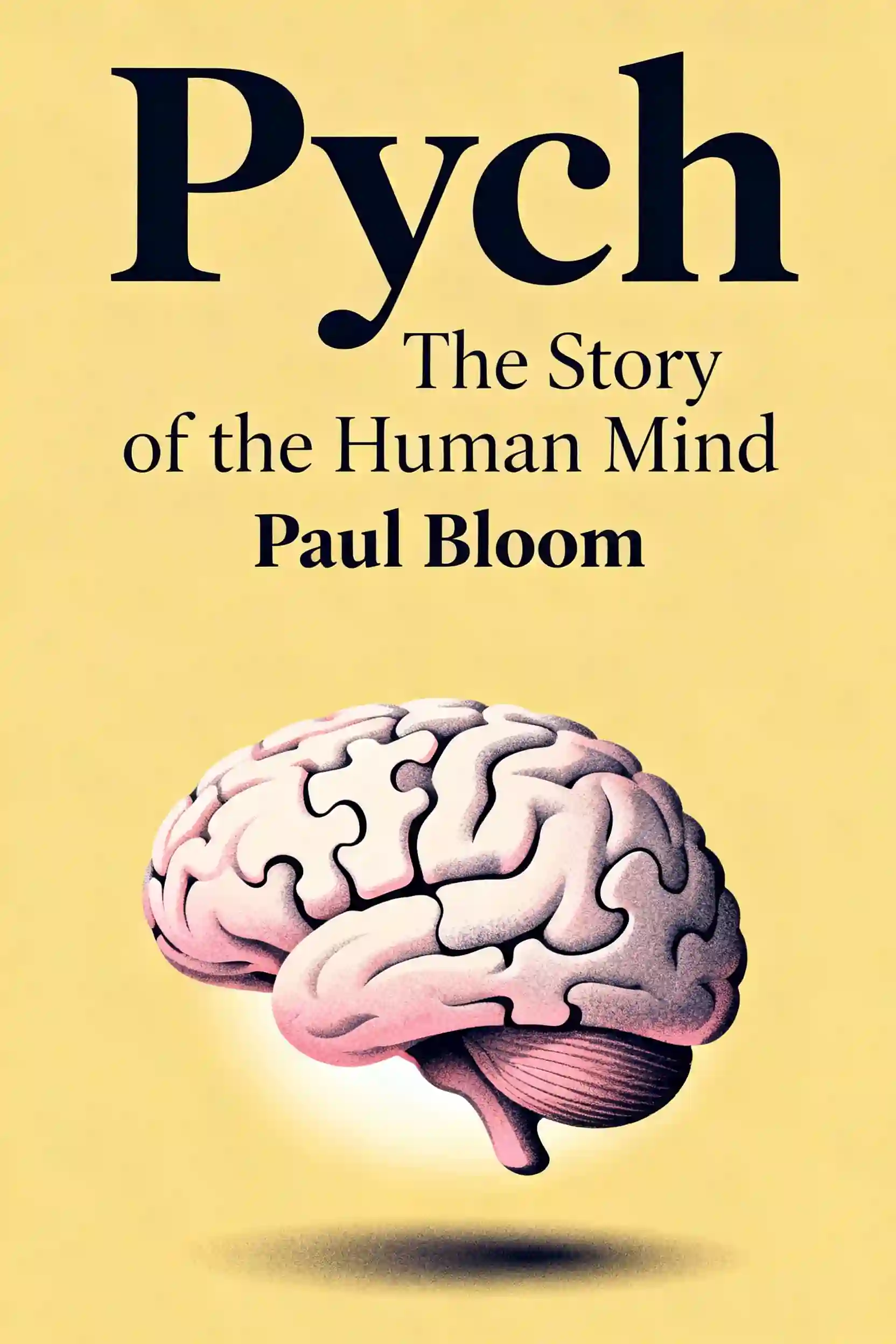
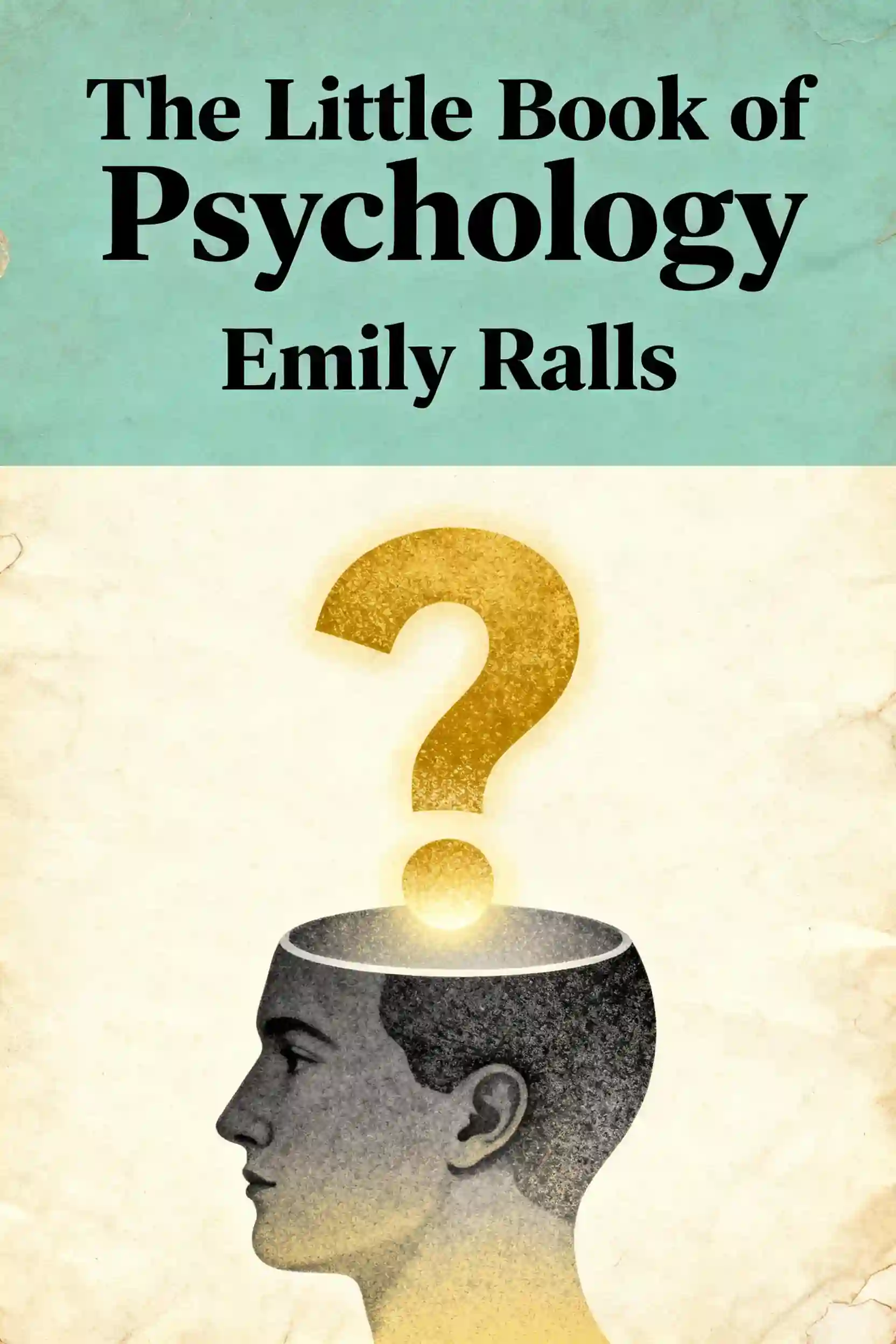
Miles: Absolutely, man. And the cool thing is, we're going to be drawing from some really solid sources today. We've got insights from "50 Psychology Ideas You Really Need to Know," "The Story of the Human Mind," "The Little Book of Psychology," and several other comprehensive resources that really break down these fundamental concepts in ways that make sense.
Jackson: So Miles, let's start with the basics. When someone hears the word "psychology," what exactly are we talking about here?
Miles: Great question, Jackson. You know, psychology literally comes from the Greek words "psyche," meaning breath, spirit, or soul, and "logia," meaning study of. So we're talking about the scientific study of the mind and behavior. But here's what's really interesting-psychology is actually a pretty young discipline, even though, as one psychologist put it, it has "a short past but a long history."
Jackson: That's a fascinating way to put it. What do you mean by that exactly?
Miles: Well, people have been thinking about the mind and behavior for thousands of years, right? Philosophers like Aristotle and Plato were pondering questions about human nature, consciousness, and behavior way back in ancient times. But psychology as a rigorous science? That really only began in 1879 when Wilhelm Wundt established the first experimental psychology laboratory in Leipzig, Germany.
Jackson: So that was the moment when psychology transformed from philosophical speculation into actual science?
Miles: Exactly! Wundt's innovation was treating the mind itself as something measurable, something that could be studied with the same precision that physicists applied to matter and energy. Before that, it was all armchair theorizing. Suddenly, you had trained observers in labs actually reporting their inner experiences through what they called introspection.
Jackson: That's incredible. And I imagine that opened the floodgates for all the different approaches we see in psychology today?
Miles: Absolutely. What's fascinating is how psychology has evolved to encompass multiple perspectives. You've got the biological perspective looking at brain structures and neurotransmitters, the cognitive perspective examining mental processes like memory and decision-making, the behavioral perspective focusing on observable actions, and the humanistic perspective celebrating our drive toward self-actualization.
Jackson: It sounds like each perspective offers a different piece of the puzzle when it comes to understanding human behavior.
Miles: That's exactly right, Jackson. Think about something like bullying, for example. A researcher taking a biological perspective might look at genetic factors or brain chemistry. Someone with a behavioral perspective would examine how bullying behaviors get reinforced by the environment. A social psychologist would analyze group pressure and social dynamics. No single perspective gives you the complete picture, but together they create this rich, multifaceted understanding.
Jackson: That makes so much sense. And I'm guessing this is why psychology has become so influential in so many different areas of life?
Miles: Oh, absolutely. Psychology isn't just happening in therapy offices or research labs anymore. It's everywhere-the design of websites you use, the marketing messages you see, the way your workplace is organized, even how your smartphone apps are designed to keep you engaged. Understanding human psychology has become essential for everything from education to business to public policy.
Jackson: Let's dive into the biological foundation of all this. Miles, when we talk about psychology, we're really talking about the brain, aren't we?
Miles: We absolutely are, and Jackson, the numbers here are just staggering. Your brain weighs about three pounds but consumes roughly 20% of your body's total energy. Inside that three pounds, you've got 86 billion neurons forming trillions of connections. To put that in perspective, that's more connections than there are stars in the Milky Way galaxy.
Jackson: That's mind-blowing! And I imagine different parts of the brain handle different functions?
Miles: Exactly. The brain is like this incredibly sophisticated city with specialized districts. Your frontal lobe handles planning and impulse control-which, by the way, explains why teenagers sometimes make decisions that seem completely irrational despite knowing better. Their frontal lobes are still developing well into their twenties.
Jackson: Ah, that explains a lot! What about the other regions?
Miles: Well, your temporal lobes process memory and language, your parietal lobes interpret sensory information, and your occipital lobe is so specialized for face recognition that damage there can prevent you from recognizing your spouse by sight, even though their voice remains perfectly identifiable to you.
Jackson: That's fascinating and a little unsettling. How do all these neurons actually communicate with each other?
Miles: Great question. Neurons communicate through electrical signals that race along at about 268 miles per hour. When a signal reaches the end of a neuron, it triggers the release of chemical messengers called neurotransmitters. These chemicals jump across tiny gaps called synapses to influence the next neuron.
Jackson: And this is where things like depression and anxiety come into play, right?
Miles: Exactly, Jackson. What we experience as psychological phenomena often have very real biological underpinnings. Depression involves imbalances in neurotransmitters like serotonin. Addiction literally hijacks your brain's dopamine pathways, which are normally designed to reward behaviors that help survival. Anxiety can stem from an overactive amygdala-your brain's alarm system.
Jackson: It's remarkable how these tiny chemical processes can have such profound effects on our entire experience of life.
Miles: It really is. And here's something that really drives this home-remember the famous case of Phineas Gage from 1848? He was a railway foreman who survived having an iron rod blast through his skull. Physically, he could walk and talk and remember everything. But he wasn't Phineas anymore.
Jackson: What do you mean?
Miles: Before the accident, he was responsible, temperate, well-liked by his coworkers. After the accident, he became impulsive, childlike, unable to hold down a job. The rod had damaged his frontal lobe, completely changing his personality. It was one of the first clear demonstrations that our sense of self-our personality, our decision-making, our impulse control-all of that emerges from the physical brain.
Jackson: That's both fascinating and somewhat unsettling. It really challenges our sense of who we are, doesn't it?
Miles: It does, and that's what Francis Crick called the "Astonishing Hypothesis"-the idea that everything we experience as consciousness, every thought and emotion and memory, is essentially the behavior of nerve cells and molecules. Damage the brain, and you damage the person.
Jackson: Now Miles, while we're talking about the biological foundations, we can't ignore one of psychology's most influential figures, even if his reputation has taken some hits over the years. Let's talk about Freud and the unconscious mind.
Miles: Oh, absolutely, Jackson. Sigmund Freud's scientific reputation has pretty much collapsed-he altered facts, claimed success in treatments that failed, developed some pretty bizarre theories. But here's the thing: his core insight about unconscious forces shaping our behavior? That's been completely vindicated by modern research.
Jackson: What exactly do you mean by unconscious forces?
Miles: Well, think about it this way. We like to believe we understand our own motivations, right? We think we know why we're attracted to certain people, why we forget names at crucial moments, why we sometimes say things we didn't mean to say. But what if most of our mental processing actually happens outside our awareness?
Jackson: That's a pretty unsettling thought. Can you give us some examples?
Miles: Sure! You know those Freudian slips that everyone jokes about? There might be something to them. Like when Donald Trump once referred to his child as "she's got a son," or when Ross said "Rachel" during his wedding vows to Emily on Friends. These aren't just random mistakes-they might reveal unconscious thoughts and feelings.
Jackson: Interesting. And how did Freud conceptualize the mind working?
Miles: Freud saw the mind as three warring factions constantly battling for control. The Id is pure animal desire-it wants what it wants right now, consequences be damned. The Superego is your internalized moral compass, often overly harsh and critical. And the Ego is your rational, reality-testing consciousness trying to mediate between these two forces.
Jackson: So when you're standing in front of the dessert table at a party, that's literally a battle happening in your mind?
Miles: Exactly! Your Id is screaming "I want that chocolate cake NOW!" Your Superego is lecturing about calories and self-control and what people will think. And your poor Ego is trying to find some reasonable middle ground-maybe just a small piece, or perhaps choosing the fruit instead.
Jackson: That framework actually explains a lot of the internal conflicts we all experience.
Miles: It really does. And modern neuroscience has shown that Freud was onto something big. We now know that most mental processing does happen outside conscious awareness. Implicit biases shape our judgments without us realizing it. Our conscious explanations for our behavior are often just post-hoc rationalizations-stories we tell ourselves after our unconscious mind has already made the decision.
Jackson: That's pretty humbling when you think about it. How much control do we really have over our own thoughts and actions?
Miles: It's a great question, Jackson. The research suggests we have less conscious control than we like to think, but we're not completely helpless either. Understanding these unconscious processes actually gives us more power to influence them. It's like the difference between being pushed around by invisible forces versus recognizing those forces and learning to work with them.
Jackson: Let's shift gears and talk about how we learn and adapt. Miles, I know behaviorism was a major force in psychology for decades. What did those researchers discover about how we acquire new behaviors?
Miles: Great transition, Jackson. So while Freud was diving deep into the unconscious, behaviorists like John B. Watson were taking the complete opposite approach. They basically said, "Forget about the mind-it's an unopenable black box. Let's just focus on observable behavior."
Jackson: That seems like a pretty radical departure from studying mental processes.
Miles: It was revolutionary, actually. Watson famously boasted that he could take any healthy infant and train them to become anything-a doctor, lawyer, artist, or even a thief-regardless of their talents or background. It was this radical environmental determinism that said nurture trumps nature every time.
Jackson: And how did they study learning without looking at mental processes?
Miles: Well, it actually started with a happy accident. Ivan Pavlov was studying dog digestion-totally different research-when he noticed something interesting. The dogs weren't just salivating when they saw food. They were salivating when they heard footsteps in the hallway, when they saw lab coats, even when they heard a bell that had been paired with feeding time.
Jackson: Ah, classical conditioning! So the dogs learned to associate neutral stimuli with food.
Miles: Exactly! And this explains so much about our daily experience. Why do certain songs instantly transport you to specific memories? Why does your ex's favorite restaurant make your stomach tighten even years later? Why might you feel hungry just driving past a McDonald's? It's all classical conditioning.
Jackson: That's fascinating. But there's more to learning than just associations, right?
Miles: Absolutely. Edward Thorndike discovered what he called the Law of Effect-actions that produce satisfying results become more likely, while those that cause discomfort become less likely. Seems obvious, but here's the kicker: B.F. Skinner found that intermittent rewards create much more persistent behaviors than consistent ones.
Jackson: What do you mean by intermittent rewards?
Miles: Think about gambling. If a slot machine paid out every single time, you'd quickly get bored. But because it pays out unpredictably-sometimes after two pulls, sometimes after fifty-people can become completely hooked. That intermittent reinforcement schedule is incredibly powerful.
Jackson: Oh wow, that explains so much about social media addiction, doesn't it?
Miles: Exactly! You never know when you're going to get that dopamine hit from a like, comment, or message, so you keep checking compulsively. Or think about children's tantrums-if parents occasionally give in just to stop the screaming, they're actually reinforcing the tantrum behavior on an intermittent schedule, making it more likely to persist.
Jackson: So even though behaviorism had its limitations, these principles are still incredibly relevant today?
Miles: Absolutely, Jackson. While we now know that purely behaviorist explanations fall short-humans aren't just sophisticated rats-the practical insights about reinforcement, conditioning, and learning are invaluable for understanding everything from addiction treatment to habit formation to effective parenting strategies.
Jackson: Now Miles, let's talk about how these learning processes unfold over a lifetime. I know child development has revealed some pretty amazing things about how young minds work.
Miles: Oh man, Jackson, this is where psychology gets really mind-blowing. For the longest time, people thought of children as basically miniature adults with less knowledge. Then Jean Piaget came along and completely revolutionized our understanding.
Jackson: What did Piaget discover that was so groundbreaking?
Miles: He showed that children don't just know less than adults-they think in fundamentally different ways. Watch a baby repeatedly drop toys from their high chair. Annoying for parents, right? But that baby is actually conducting sophisticated experiments about object permanence, gravity, and cause and effect.
Jackson: So they're like little scientists?
Miles: Exactly! Piaget identified four major stages of cognitive development. Infants start in what he called the sensorimotor stage, where they understand the world through their senses and actions. Then comes the preoperational stage around age two, where they develop symbolic thinking and language but still can't see things from other people's perspectives.
Jackson: That explains why young children can be so egocentric, right?
Miles: Right! Piaget had this famous test called the Three Mountains task. A child sits on one side of a model with three mountains, and there's a doll on the other side. When asked what the doll sees, young children describe what they see from their own perspective. They literally can't imagine that someone else might have a different viewpoint.
Jackson: That's fascinating. What happens as they get older?
Miles: Around age seven, they enter what Piaget called the concrete operational stage. Now they can think logically about physical objects and understand that spreading out a row of candies doesn't actually create more candy-that's called conservation. Finally, in adolescence, they develop formal operational thinking and can reason about abstract concepts and hypothetical situations.
Jackson: But I imagine there's more to development than just individual cognitive growth, right?
Miles: Absolutely, Jackson. Lev Vygotsky emphasized that cognitive development happens through social interaction. He had this concept called the "zone of proximal development"-the gap between what a child can do alone versus what they can do with guidance from someone more skilled.
Jackson: So learning is inherently social?
Miles: Exactly. Intelligence develops through relationships, not in isolation. And here's something really profound-Harry Harlow's experiments with rhesus monkeys showed that emotional bonds are just as crucial as cognitive development. When infant monkeys were given two surrogate mothers-one made of wire that provided food, another made of soft cloth without food-they overwhelmingly preferred the cloth surrogate.
Jackson: So comfort and attachment are as essential as basic needs?
Miles: That's right. And perhaps most remarkably, we now know that development never stops. Neuroplasticity research shows our brains remain adaptable throughout life. London taxi drivers actually develop enlarged hippocampi from memorizing the city's complex street layout. We're not finished products at eighteen or even sixty-we're continually evolving beings.
Jackson: That's incredibly hopeful, actually. It means we can keep growing and changing throughout our entire lives.
Miles: Exactly, Jackson. Every new skill you learn, every new experience you have, literally reshapes your brain. We're all works in progress, which is pretty amazing when you think about it.
Jackson: Miles, let's dive into something that I think people often underestimate-the role of emotions in our daily lives. We like to think we're rational beings, but that's not really the whole story, is it?
Miles: Oh, absolutely not, Jackson. Here's something that'll blow your mind: that "logical" decision you made this morning about what to wear or what to eat for breakfast? Your emotions likely made those decisions first, before your conscious reasoning even kicked in.
Jackson: Really? How do we know that?
Miles: There's this fascinating research by Antonio Damasio. He studied patients who had brain damage in regions that connect emotions to reasoning. These people had completely normal intelligence-they could solve complex math problems, understand abstract concepts, everything. But they made catastrophically poor decisions in real life.
Jackson: What kind of poor decisions?
Miles: Well, in gambling experiments, healthy participants quickly learned which card decks were risky and which were safe. But these patients with emotional brain damage? They kept choosing from the losing decks over and over, even when they could verbally explain that those decks were bad choices. Without emotional input, pure logic actually fails us.
Jackson: That's counterintuitive. We usually think emotions get in the way of good decisions.
Miles: Right! But Damasio proposed what he called the somatic marker hypothesis. Basically, our emotional experiences create bodily responses that get associated with different situations. When you're deciding what to do, these "somatic markers" provide gut feelings that guide your choices before conscious reasoning even begins.
Jackson: So that feeling of "I just know this is right" actually has a scientific basis?
Miles: Exactly! And here's another fascinating piece-Paul Ekman showed that basic emotions produce identical facial expressions across all cultures. Even isolated tribes in Papua New Guinea who had never seen Western faces could correctly identify expressions of anger, fear, happiness, sadness, surprise, and disgust.
Jackson: So emotions are truly universal human experiences?
Miles: They are, and there's even this interesting theory called the James-Lange theory that suggests our bodily changes might actually cause emotions rather than the other way around. You don't tremble because you're afraid-you feel afraid because you're trembling. Studies have actually shown that forcing yourself to smile can genuinely make you feel happier.
Jackson: That's wild! But I imagine our emotional systems aren't perfectly adapted to modern life?
Miles: Oh, you've hit the nail on the head, Jackson. Our emotional systems evolved for a very different world. Daniel Kahneman and Amos Tversky discovered something called prospect theory-we're "risk-seeking for losses" but "risk-averse for gains." Basically, the emotional impact of losing twenty dollars is about twice as strong as the good feeling of finding twenty dollars.
Jackson: That explains why people hold onto losing stocks too long, doesn't it?
Miles: Exactly! And there's this concept called ego depletion that Roy Baumeister discovered. Willpower is actually finite-it's like a muscle that gets tired with use. So if you spend all day resisting temptations and making difficult decisions, by evening you're much more likely to give in to that pint of ice cream.
Jackson: So understanding our emotional systems can actually help us make better choices?
Miles: Absolutely, Jackson. Once you understand that your brain is wired to overweight losses, you can design systems to counteract that bias. Once you know willpower depletes, you can schedule important decisions for when you're fresh and save routine tasks for when you're mentally tired.
Jackson: Miles, I want to explore something that I find both fascinating and a little disturbing-how much other people influence our behavior, often without us even realizing it.
Miles: Oh man, Jackson, this is where psychology gets really eye-opening. We like to think we're independent thinkers, but the research on social influence is just staggering. Let me tell you about Solomon Asch's conformity experiments from the 1950s.
Jackson: What did Asch discover?
Miles: He had people do this simple task-just identify which of three lines matched the length of a reference line. Super easy, right? When people did it alone, they got it right 99% of the time. But when Asch surrounded them with confederates who gave obviously wrong answers, 75% of participants conformed at least once, and about a third conformed consistently.
Jackson: Even when they could clearly see the right answer?
Miles: Even when the evidence of their own eyes contradicted what the group was saying! But here's the hopeful part-having just one ally, just one other person who gave the correct answer, dramatically reduced conformity. We're powerfully influenced by groups, but we're not completely helpless.
Jackson: That's somewhat reassuring. But I know there are even more disturbing examples of social influence, aren't there?
Miles: Unfortunately, yes. Stanley Milgram's obedience experiments are probably the most famous and unsettling studies in psychology. He had ordinary people-teachers, salespeople, engineers-come into a lab where an authority figure instructed them to give what they believed were potentially lethal electric shocks to another person.
Jackson: And people actually did this?
Miles: Sixty-five percent delivered what they thought was the maximum voltage, despite hearing screams from the other room. These weren't sadists or psychopaths-they were normal people who got caught in what Milgram called an "agentic state," where they saw themselves as instruments executing orders rather than autonomous moral agents.
Jackson: That's terrifying when you think about the implications for real-world situations.
Miles: It really is, Jackson. And then there's Philip Zimbardo's Stanford Prison Experiment, which showed how quickly we adapt to social roles. College students were randomly assigned to be either guards or prisoners in a mock prison. Within days, the "guards" were engaging in abusive behavior while the "prisoners" became increasingly submissive and distressed.
Jackson: So our behavior is more situational than we'd like to admit?
Miles: Exactly. But understanding these mechanisms actually gives us power. When you know about the bystander effect-how people are less likely to help when others are present because responsibility gets diffused-you can counteract it by directly asking specific individuals for help.
Jackson: What about positive social influences? It can't all be doom and gloom, right?
Miles: Absolutely! Gordon Allport's contact hypothesis shows that meaningful interaction between different groups reduces prejudice. And there's fascinating research on social contagion-emotions and behaviors literally spread through groups. If you want to be happier, spend time with happy people. If you want to be more motivated, surround yourself with motivated people.
Jackson: So we can actually use social psychology to improve our lives?
Miles: Definitely, Jackson. Understanding how social influence works helps us design our environments to bring out our best selves while maintaining our autonomy and ethical standards even under pressure.
Jackson: Now Miles, while we've been talking about these universal psychological principles, we obviously can't ignore the fact that people are incredibly different from each other. How does psychology account for individual differences?
Miles: That's such a crucial point, Jackson. One of the most robust frameworks we have for understanding personality differences is called the Big Five model. It identifies five major dimensions where people vary: extraversion, neuroticism, conscientiousness, agreeableness, and openness to experience.
Jackson: Can you break those down for us?
Miles: Sure! Extraversion is about how outgoing and social you are versus preferring solitude. Neuroticism measures emotional stability-how prone you are to anxiety, worry, and mood swings. Conscientiousness is about organization, self-discipline, and reliability. Agreeableness reflects how cooperative and trusting you are. And openness is about curiosity, creativity, and willingness to try new experiences.
Jackson: And everyone has all five traits to different degrees?
Miles: Exactly! It's not like you're either extraverted or introverted-you fall somewhere on a continuum. What's fascinating is that these dimensions appear consistently across cultures, and they have moderate heritability, meaning genetics play a role but so does environment.
Jackson: Speaking of genetics versus environment, that's been a huge debate in psychology, hasn't it?
Miles: Oh absolutely, Jackson. But modern research shows it's not really an either-or question. There's this amazing study from New Zealand that followed people for decades and looked at a gene called MAOA. People with a less active version of this gene were more likely to develop antisocial personalities-but only if they experienced childhood maltreatment.
Jackson: So it's the interaction between genes and environment?
Miles: Exactly! And epigenetics has shown us that experiences can actually change how genes function without changing the DNA itself. There are studies with rat pups showing that those who receive more maternal grooming show different stress responses throughout their entire lives.
Jackson: That's incredible. What about intelligence? How much of that is fixed versus changeable?
Miles: Great question. Intelligence is another area where both nature and nurture matter enormously. The Flynn Effect shows that IQ scores rose consistently throughout the 20th century, which suggests environmental factors like education, nutrition, and technology exposure have huge impacts.
Jackson: And what about the idea that practice makes perfect?
Miles: Well, Anders Ericsson's research on deliberate practice suggests that excellence in any field requires at least 10,000 hours of focused, challenging work that pushes you beyond your current abilities. But here's the key-it's not just any practice, it's deliberate practice with immediate feedback and constant adjustment.
Jackson: So while we all have different starting points, we have tremendous capacity for growth and development?
Miles: Absolutely, Jackson. And here's something really important-our self-perceptions are systematically biased. Most people think they're above average at most things-what's called the Lake Wobegon Effect. We also tend to attribute other people's behaviors to their personality while explaining our own behavior through circumstances.
Jackson: So understanding these biases can help us be more accurate in our self-assessments?
Miles: Exactly. Psychology gives us this incredible toolkit for understanding not just how people differ, but how we can work with our natural tendencies and biases to become more effective and self-aware.
Jackson: Miles, I think we need to address something that touches so many people's lives-mental health. How does psychology help us understand when minds are struggling?
Miles: This is such an important topic, Jackson. First, it's crucial to understand that mental disorders affect nearly one in five adults annually, and they represent complex interactions between biological vulnerabilities, psychological factors, and social environments. They're not character flaws or signs of weakness.
Jackson: That's a really important distinction. How has our understanding of mental health evolved?
Miles: Well, one major breakthrough came from Aaron Beck's work with cognitive therapy. Beck started as a Freudian psychoanalyst, but he discovered that depression involves specific negative thinking patterns rather than just repressed anger. Depressed individuals consistently interpret ambiguous situations negatively, overgeneralize from failures, and discount positive experiences.
Jackson: So it's not just about feeling sad-there are actual distorted thought patterns involved?
Miles: Exactly! Beck identified what he called the "cognitive triad"-negative views about oneself, the world, and the future. This led to cognitive behavioral therapy, or CBT, which helps people identify and challenge these distorted thinking patterns. And the research shows it's incredibly effective for many conditions.
Jackson: What about more severe conditions like schizophrenia? How has our understanding of that evolved?
Miles: Schizophrenia understanding has come a long way, Jackson. Shitij Kapur proposed something called the aberrant salience theory. Normally, dopamine in your brain highlights what's motivationally important-like food when you're hungry or danger when you're threatened. But when this system malfunctions, completely irrelevant things start appearing critically significant.
Jackson: So that's how delusions form?
Miles: Right! Imagine if your brain suddenly made the microwave seem incredibly important and threatening. You'd try to make sense of that feeling, and you might conclude that someone is controlling your thoughts through the microwave. The delusion is actually your rational mind trying to explain this aberrant brain signal.
Jackson: That makes delusions seem much more understandable, actually.
Miles: Exactly, and that's crucial for reducing stigma. There's also this famous study by David Rosenhan called "On Being Sane in Insane Places" where he sent eight mentally healthy people to emergency rooms claiming to hear voices. All were diagnosed with schizophrenia and admitted to psychiatric hospitals, where they behaved completely normally but were still seen as mentally ill.
Jackson: What was the point of that study?
Miles: It demonstrated how powerfully context influences psychiatric diagnosis and treatment. Once someone is labeled as mentally ill, their behavior gets interpreted through that lens. It led to much more rigorous diagnostic criteria and a greater emphasis on evidence-based treatment.
Jackson: Are there more positive approaches to mental health as well?
Miles: Absolutely! Abraham Maslow's humanistic psychology emphasized self-actualization-achieving psychological freedom "to become everything that one is capable of becoming." This influenced Carl Rogers's client-centered therapy, which focuses on providing unconditional positive regard, empathy, and genuineness.
Jackson: So it's not just about fixing what's broken, but also about helping people flourish?
Miles: Exactly, Jackson. These perspectives remind us that mental health exists on a continuum. Mental disorders represent extreme variations of normal processes rather than categorically different states. We all experience anxiety, sadness, and stress-it's when these become overwhelming and interfere with daily functioning that they become clinical concerns.
Jackson: Miles, as we start to wrap up our exploration, I want to focus on something our listeners are probably wondering about-how can they actually apply these psychological insights to improve their daily lives?
Miles: That's the beauty of psychology, Jackson-it's not just academic theory. These insights offer practical tools for everything from breaking bad habits to improving relationships to making better decisions. Let's start with something everyone struggles with-changing behavior.
Jackson: Right, like New Year's resolutions that fizzle out by February?
Miles: Exactly! Understanding behavioral psychology can be a game-changer here. Remember those principles of operant conditioning we discussed? You can use them to design your own behavior change programs. Instead of relying on willpower alone, you can set up environmental cues and reward systems that work with your brain's natural tendencies.
Jackson: Can you give us a specific example?
Miles: Sure! Say you want to exercise more. Instead of just telling yourself "I should work out," you could lay out your workout clothes the night before-that's a visual cue. Then reward yourself immediately after exercising, maybe with a favorite healthy smoothie or an episode of a show you love. You're basically hacking your own reinforcement system.
Jackson: That makes so much sense. What about dealing with stress and anxiety?
Miles: Cognitive behavioral techniques are incredibly powerful here, Jackson. When you notice yourself feeling anxious, you can ask yourself: "What thoughts am I having right now? Are these thoughts realistic or am I catastrophizing?" Often, anxiety stems from our minds jumping to worst-case scenarios that are statistically unlikely.
Jackson: So it's about catching those distorted thought patterns in action?
Miles: Exactly. And there's also the concept of mindfulness, which has solid research backing. It's essentially training your awareness to notice thoughts and feelings without immediately reacting to them. You start to realize that thoughts are just mental events-they don't necessarily reflect reality, and you don't have to believe or act on every thought that pops into your head.
Jackson: What about improving our relationships and social interactions?
Miles: Understanding social psychology can be incredibly helpful here. For instance, knowing about the fundamental attribution error-how we tend to attribute others' behavior to their character while attributing our own behavior to circumstances-can make us more compassionate and less judgmental.
Jackson: How so?
Miles: Well, when someone cuts you off in traffic, instead of immediately thinking "what a jerk," you might consider that they could be rushing to the hospital or dealing with an emergency. And when you make a mistake, instead of being overly harsh on yourself, you can recognize that circumstances played a role.
Jackson: That seems like it would reduce a lot of unnecessary conflict and stress.
Miles: Absolutely, Jackson. And there's research on gratitude that shows actively appreciating what you have-maybe writing down three things you're grateful for each day-can significantly improve life satisfaction and even physical health. It's literally rewiring your brain to notice positive aspects of your experience.
Jackson: These all seem like relatively simple practices, but I imagine they require consistency to be effective?
Miles: That's exactly right. The key is understanding that change happens gradually through repeated practice, not through sudden willpower-driven transformations. But the beautiful thing is that every small step builds on the previous one, creating momentum over time.
Jackson: Miles, as we bring our exploration to a close, I'm curious about where psychology is headed. What exciting developments are on the horizon?
Miles: Oh man, Jackson, we're living in such an exciting time for psychology! The integration of technology is opening up possibilities we couldn't have imagined even a decade ago. Functional MRI technology has revolutionized our understanding by letting us watch the brain in action while people are actually thinking, feeling, and making decisions.
Jackson: That must be revealing things we never knew before about how the mind works.
Miles: Absolutely! We're discovering neural networks that activate during different tasks, seeing how meditation literally changes brain structure, and understanding how social interactions affect neural activity. It's like having a window into the mind that we've never had before.
Jackson: What about new areas of study that are emerging?
Miles: There are some fascinating new specializations addressing contemporary challenges. Environmental psychology examines how our surroundings affect behavior-like how natural light improves mood and productivity, or how urban design can reduce crime. Cyberpsychology studies our relationship with technology-why we get addicted to social media, how virtual reality affects learning, things like that.
Jackson: Those seem incredibly relevant to modern life.
Miles: They really are. And there's been this huge shift toward positive psychology, which Martin Seligman launched in 1998. Instead of just focusing on what's wrong with people, positive psychology studies human strengths, resilience, and what makes life worth living.
Jackson: That sounds like a much more hopeful approach.
Miles: It is, and it's yielding practical insights about building resilience, cultivating happiness, and helping people flourish. We're learning that well-being isn't just the absence of mental illness-it's a positive state that can be actively developed.
Jackson: What do you think is psychology's greatest strength as we move forward?
Miles: I think it's psychology's integrative perspective, Jackson. Modern psychology recognizes that behavior results from biological, psychological, social, and environmental factors all interacting simultaneously. We're not just looking at genes or just environment or just thoughts-we're seeing the whole picture.
Jackson: And why is that important for the challenges we're facing today?
Miles: Well, think about the issues humanity is confronting-technological disruption, environmental crisis, social polarization, mental health challenges. Understanding cognitive biases helps us navigate misinformation. Recognizing social influence helps us resist manipulation. Applying learning principles helps us develop healthier habits and more effective educational systems.
Jackson: So psychology isn't just academic-it's a practical toolkit for navigating modern life?
Miles: Exactly, Jackson. It's like having an operating manual for being human. And as our world becomes more complex and fast-paced, understanding how our minds work becomes even more crucial for making wise decisions, building meaningful relationships, and living fulfilling lives.
Jackson: That's a beautiful way to think about it. Psychology as an operating manual for being human.
Miles: And the best part is that this understanding keeps evolving. Every new study, every technological advance, every cross-cultural investigation adds to our knowledge. We're constantly refining our understanding of what it means to be human, and that knowledge empowers us to live better lives and create better communities.
Jackson: Miles, as we wrap up this incredible journey through the basics of human psychology, I'm struck by how much we've covered and yet how much more there is to explore. What would you say is the most important takeaway for our listeners?
Miles: You know, Jackson, I think the most profound realization is that understanding psychology doesn't diminish the wonder of being human-it actually enhances it. Every time you recognize a face in a crowd, form a sentence, or make a decision, billions of neurons are performing computational miracles that no computer can match.
Jackson: It really puts our daily experiences in a whole new light, doesn't it?
Miles: Absolutely. We are these incredibly sophisticated biological machines built by evolution, shaped by experience, driven by emotions we barely understand, yet somehow capable of understanding ourselves. That paradox-using our minds to study our minds-is what makes psychology endlessly fascinating.
Jackson: And I love how psychology gives us this compassionate lens for viewing human behavior. When we understand the unconscious forces, the social pressures, the cognitive biases that influence everyone, it becomes harder to judge others harshly.
Miles: That's beautifully put, Jackson. Psychology reveals that we're all doing our best with the mental equipment we have, shaped by experiences we didn't choose, operating in a world that's often confusing and overwhelming. That understanding naturally leads to more empathy and patience, both with others and with ourselves.
Jackson: What advice would you give to someone who wants to continue exploring these ideas?
Miles: I'd say start by becoming a keen observer of your own mind. Notice your thought patterns, your emotional reactions, your social behaviors. Psychology is unique because you have direct access to the phenomena you're studying-your own consciousness, your own decision-making processes, your own biases and blind spots.
Jackson: So we can all be amateur psychologists in our own lives?
Miles: Exactly! And remember that small insights can lead to big changes. Understanding that willpower is finite might help you schedule important decisions for when you're fresh. Recognizing confirmation bias might make you seek out different perspectives. Knowing about the fundamental attribution error might improve your relationships.
Jackson: It's empowering to realize that knowledge really can translate into wisdom and better living.
Miles: And here's something I find particularly hopeful, Jackson-psychology shows us that we're not fixed entities. Our brains remain plastic throughout life, our personalities can evolve, our habits can change, our relationships can improve. We're all works in progress with tremendous capacity for growth.
Jackson: That's such an optimistic note to end on. The human mind is simultaneously the tool we use to investigate the world and the most fascinating object of study itself.
Miles: Exactly. And every time you pause to consider why you reacted a certain way, or notice a bias in your thinking, or choose compassion over judgment, you're applying psychological wisdom. You're using your understanding of the human mind to become more fully human.
Jackson: Well, everyone listening, I hope this exploration has given you some new insights into the incredible machinery of your own mind. Psychology isn't just an academic subject-it's a toolkit for self-understanding, better relationships, and wiser choices.
Miles: And remember, this is just the beginning. Every interaction you have, every decision you make, every emotion you experience is an opportunity to deepen your understanding of psychology in action. Stay curious, keep observing, and don't be afraid to question your own assumptions.
Jackson: Thanks for joining us on this fascinating journey into the basics of human psychology. Keep exploring, stay curious, keep those questions coming, and we'll catch you next time!
Miles: Until next time, everyone-remember that understanding your mind is one of the most valuable investments you can make. Take care!