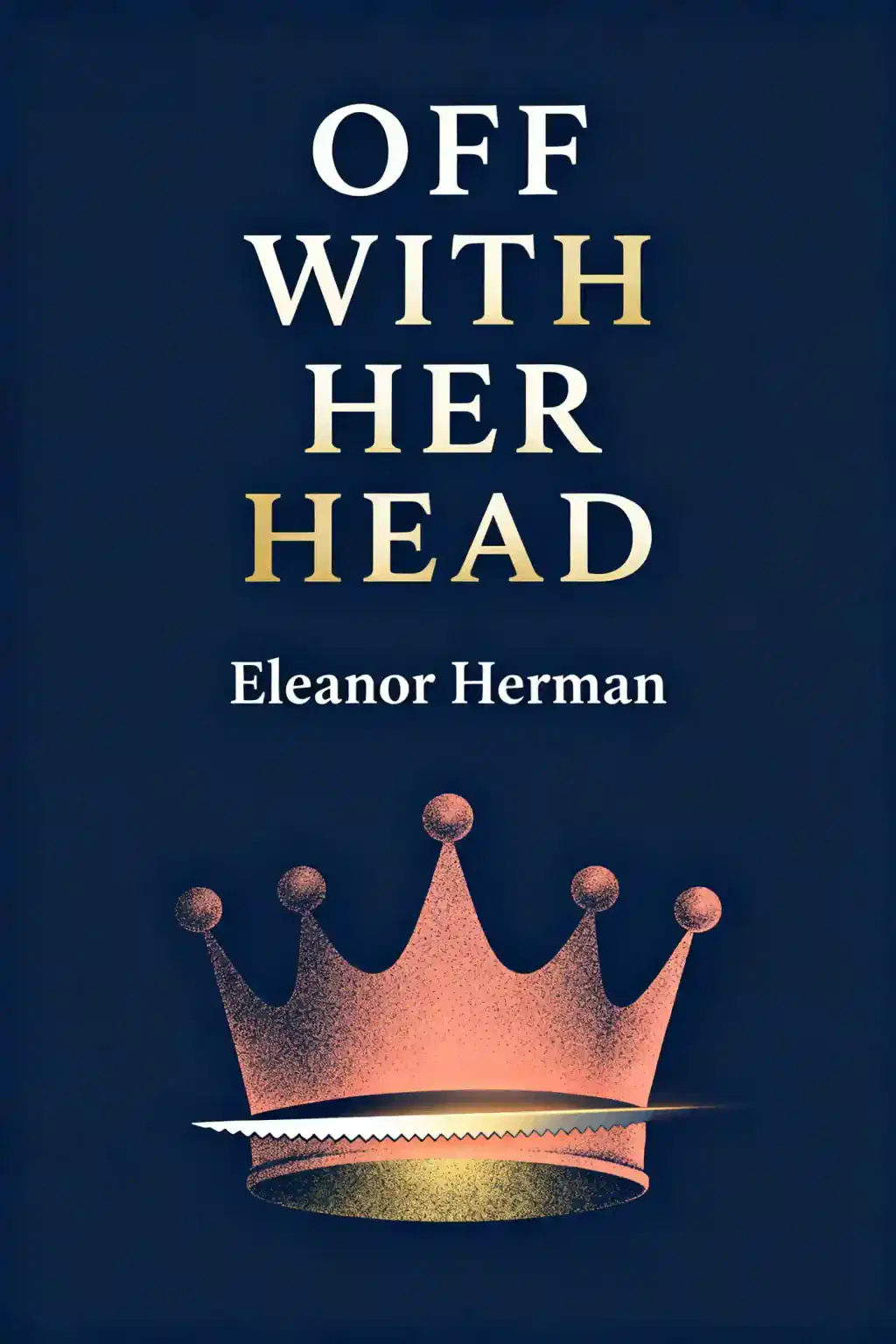
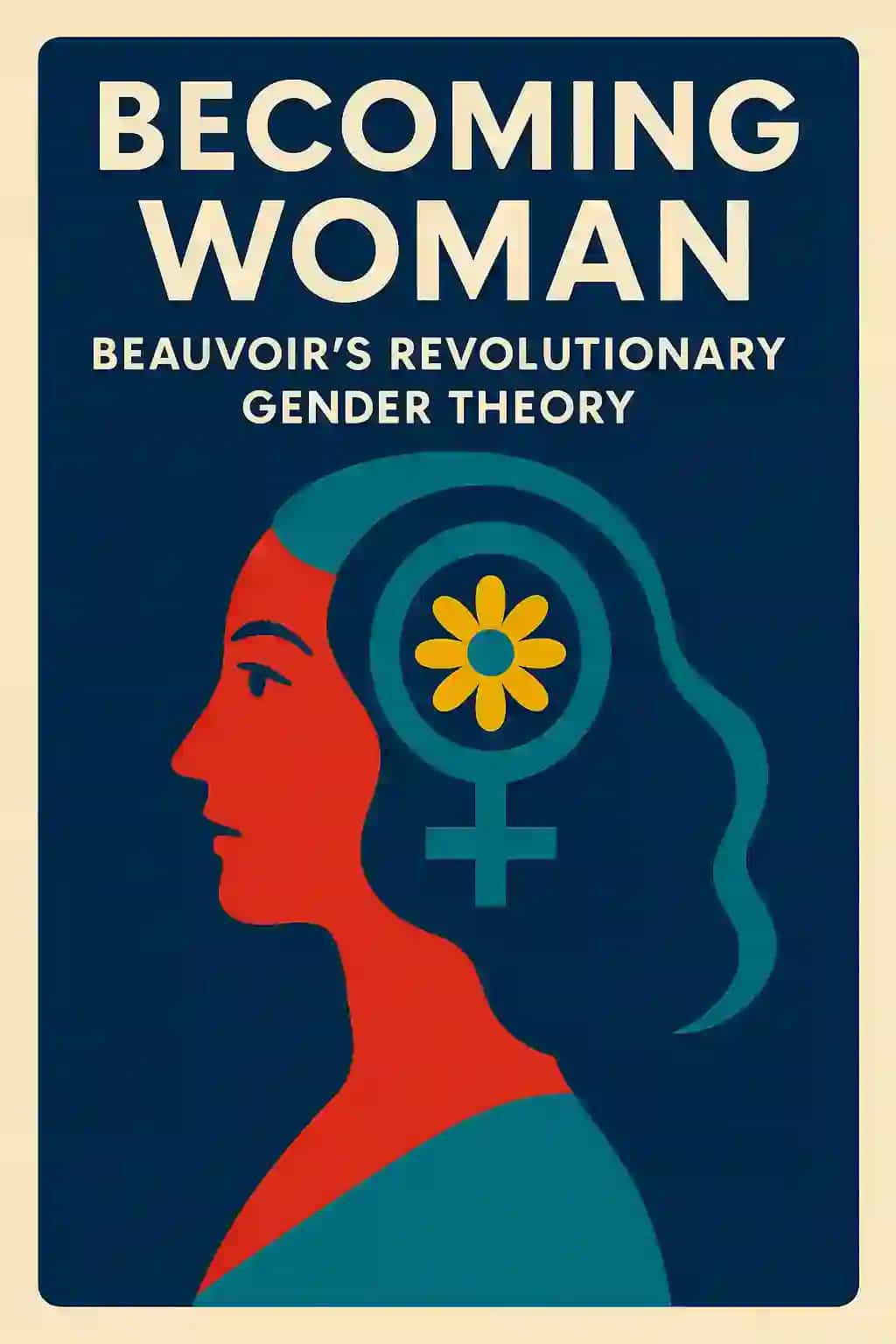
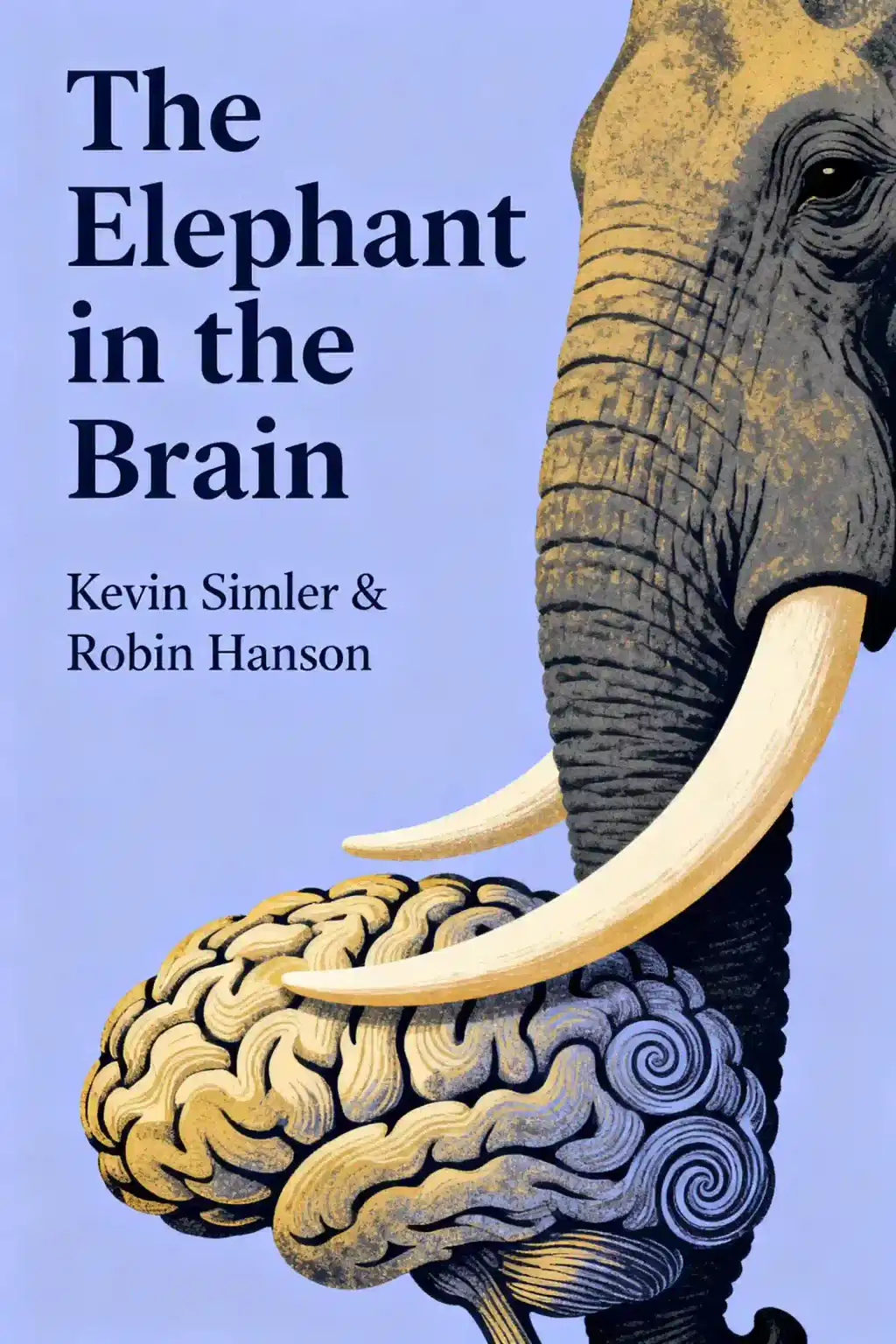
The Great Divide: Bonobos, Chimpanzees, and the Patriarchy
Explore the Great Divide in primate evolution. Learn how the Congo River split chimpanzees and bonobos, shaping the roots of patriarchy and the human condition.
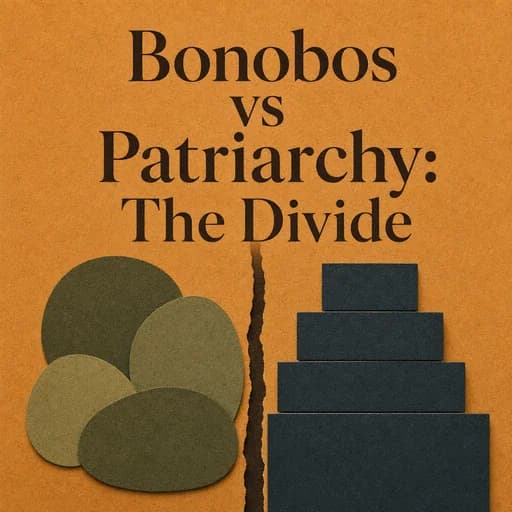
Best quote from The Great Divide: Bonobos, Chimpanzees, and the Patriarchy
The 'fall' wasn't a moral failure; it was a biological shift where the 'Apple' of knowledge gave us the power to feed thousands but cost us our peace, triggering a systemic fight-or-flight response that has been passed down for six thousand years.
Generated by Ava
An exploration of human origins and the 'fall' from an egalitarian matriarchal state, comparing evolutionary biology (specifically the Bonobo/Chimpanzee divergence at the Congo River) with the myth of the Garden of Eden and the 'apple' as a metaphor for encountering scarcity and violence. Focus on the development of male coalitions, the reptilian brain's fight-and-flight response, and the shift from matriarchal abundance to patriarchal hierarchy.






Frequently Asked Questions
The Great Divide refers to a pivotal moment in primate evolution two million years ago at the Congo River. This geographical barrier split our ancestral family tree into two distinct paths: the chimpanzees and the bonobos. While chimpanzees evolved into a patriarchal society defined by intense competition and violence, bonobos developed a matriarchal society centered on peace, play, and social connection. This split serves as a profound mirror for understanding the modern human condition and our own biological leanings.
The Congo River acted as a liquid wall that primates could not cross, leading to isolated evolutionary destinies on either side. On one side, environmental factors led to the development of patriarchal structures and chimpanzee violence. On the opposite bank, bonobos established a matriarchal Eden. This divergence suggests that the patriarchy and social competition seen in human history are linked to specific evolutionary switches flipped by scarcity and geography rather than being an inevitable biological certainty for all primates.
Research into primate biology reveals that bonobos possess more gray matter in the specific regions of the brain responsible for perceiving the distress of others. This biological trait supports their peaceful, matriarchal social structure. In contrast, while humans share nearly identical DNA with both species, our modern world often reflects the chimpanzee's struggle more than the bonobo's abundance. Understanding these neurological differences helps explain why humans may feel a persistent sense of anxiety or a loss of ancestral peace.
Biological scarcity is described as a metaphorical 'switch' in the brain that was flipped when our ancestors encountered difficult conditions. This shift moved us away from the ancestral abundance seen in bonobo societies and toward the competitive nature of chimpanzees. This transition is often reflected in human mythology as the 'Apple' of knowledge, representing the moment we lost our 'Eden.' Today, this evolutionary history manifests as a sense that something in our modern, patriarchal world is fundamentally off, rooted deep within our biology.
From Columbia University alumni built in San Francisco
"Instead of endless scrolling, I just hit play on BeFreed. It saves me so much time."


"I never knew where to start with nonfiction—BeFreed’s book lists turned into podcasts gave me a clear path."


"Perfect balance between learning and entertainment. Finished ‘Thinking, Fast and Slow’ on my commute this week."
"Crazy how much I learned while walking the dog. BeFreed = small habits → big gains."
"Reading used to feel like a chore. Now it’s just part of my lifestyle."

"Feels effortless compared to reading. I’ve finished 6 books this month already."
"BeFreed turned my guilty doomscrolling into something that feels productive and inspiring."

"BeFreed turned my commute into learning time. 20-min podcasts are perfect for finishing books I never had time for."
"BeFreed replaced my podcast queue. Imagine Spotify for books — that’s it. 🙌"

"It is great for me to learn something from the book without reading it."
"The themed book list podcasts help me connect ideas across authors—like a guided audio journey."
"Makes me feel smarter every time before going to work"
From Columbia University alumni built in San Francisco
"Instead of endless scrolling, I just hit play on BeFreed. It saves me so much time."
"I never knew where to start with nonfiction—BeFreed’s book lists turned into podcasts gave me a clear path."
"Perfect balance between learning and entertainment. Finished ‘Thinking, Fast and Slow’ on my commute this week."
"Crazy how much I learned while walking the dog. BeFreed = small habits → big gains."
"Reading used to feel like a chore. Now it’s just part of my lifestyle."
"Feels effortless compared to reading. I’ve finished 6 books this month already."
"BeFreed turned my guilty doomscrolling into something that feels productive and inspiring."
"BeFreed turned my commute into learning time. 20-min podcasts are perfect for finishing books I never had time for."
"BeFreed replaced my podcast queue. Imagine Spotify for books — that’s it. 🙌"
"It is great for me to learn something from the book without reading it."
"The themed book list podcasts help me connect ideas across authors—like a guided audio journey."
"Makes me feel smarter every time before going to work"
"Instead of endless scrolling, I just hit play on BeFreed. It saves me so much time."
"I never knew where to start with nonfiction—BeFreed’s book lists turned into podcasts gave me a clear path."
"Perfect balance between learning and entertainment. Finished ‘Thinking, Fast and Slow’ on my commute this week."
"Crazy how much I learned while walking the dog. BeFreed = small habits → big gains."
"Reading used to feel like a chore. Now it’s just part of my lifestyle."
"Feels effortless compared to reading. I’ve finished 6 books this month already."
"BeFreed turned my guilty doomscrolling into something that feels productive and inspiring."
"BeFreed turned my commute into learning time. 20-min podcasts are perfect for finishing books I never had time for."
"BeFreed replaced my podcast queue. Imagine Spotify for books — that’s it. 🙌"
"It is great for me to learn something from the book without reading it."
"The themed book list podcasts help me connect ideas across authors—like a guided audio journey."
"Makes me feel smarter every time before going to work"
"Instead of endless scrolling, I just hit play on BeFreed. It saves me so much time."
"I never knew where to start with nonfiction—BeFreed’s book lists turned into podcasts gave me a clear path."
"Perfect balance between learning and entertainment. Finished ‘Thinking, Fast and Slow’ on my commute this week."
"Crazy how much I learned while walking the dog. BeFreed = small habits → big gains."
"Reading used to feel like a chore. Now it’s just part of my lifestyle."
"Feels effortless compared to reading. I’ve finished 6 books this month already."
"BeFreed turned my guilty doomscrolling into something that feels productive and inspiring."
"BeFreed turned my commute into learning time. 20-min podcasts are perfect for finishing books I never had time for."
"BeFreed replaced my podcast queue. Imagine Spotify for books — that’s it. 🙌"
"It is great for me to learn something from the book without reading it."
"The themed book list podcasts help me connect ideas across authors—like a guided audio journey."
"Makes me feel smarter every time before going to work"