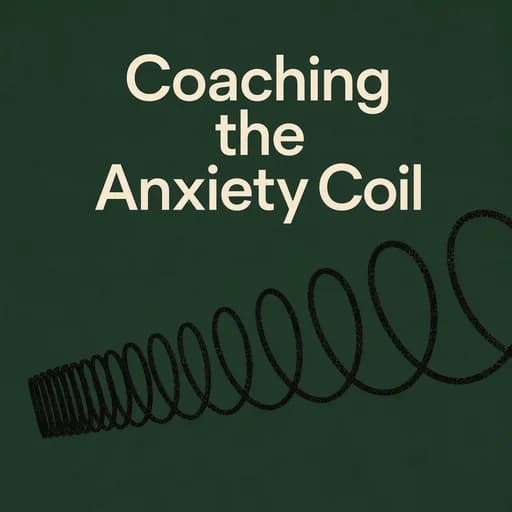
The Genetic Slinky: Coaching Through Anxiety & Physiological Stress
Explore the Genetic Slinky metaphor for anxiety and physiological stress. Learn how research from WashU and Princeton reframes mental health and coaching.
Best quote from The Genetic Slinky: Coaching Through Anxiety & Physiological Stress
The shift from 'what's wrong with me?' to 'what happened to my nervous system?' takes the shame out of it. We are moving from fixing a disorder to regulating a system, recognizing that our anxiety is often a molecular memory rather than a character defect.
Generated by Mat
Teach me a coaching framework for responding to anxiety without over-pathologizing it. Use the Aug. 7 study linking early-life stress, SETD7, and adult anxiety as a case study, and give me 5 questions, 3 red flags, and 2 boundaries.





Frequently Asked Questions
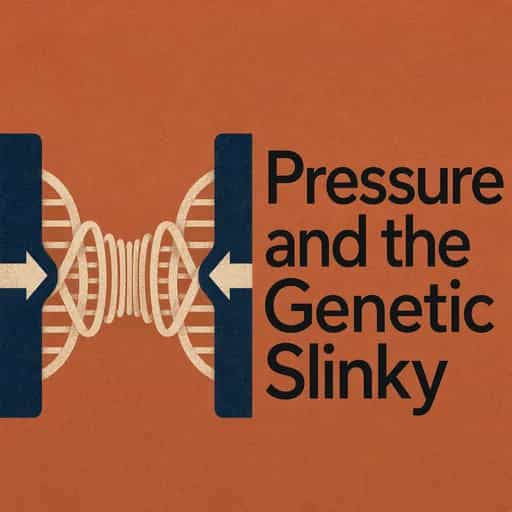
The Genetic Slinky is a metaphor derived from a 2026 study by WashU Medicine and Princeton University to describe how our bodies handle physiological stress. Instead of viewing anxiety as a permanent glitch or a crack in one's foundation, this concept suggests that the 'background hum' of stress is a logical response to past experiences. It reframes these mental health challenges as 'genetic scars' that are part of a flexible, albeit sometimes tangled, physiological process rather than a fundamental software bug.
Research from WashU Medicine and Princeton University, published in August 2026, flips the script on traditional views of anxiety and pathology. Rather than treating the physical sensations of stress—like a tight chest or vibrating frequency—as a disorder that defines a person, the study suggests these are learned physiological responses. By using the Genetic Slinky metaphor, the research helps individuals understand that their internal 'electricity' is a deeply logical reaction to their history rather than a permanent defect.
Coaching through anxiety involves moving away from the instinct to hunt for external justifications, such as bank accounts or work emails, for internal feelings of dread. By understanding the Genetic Slinky and the physiological stress response, individuals can stop viewing their anxiety as a glitch that needs patching. This approach encourages people to recognize the 'background hum' of their nervous system as a manageable physiological state, allowing for more effective navigation of mental health challenges without the stigma of being 'fundamentally wrong.'
From Columbia University alumni built in San Francisco
"Instead of endless scrolling, I just hit play on BeFreed. It saves me so much time."


"I never knew where to start with nonfiction—BeFreed’s book lists turned into podcasts gave me a clear path."


"Perfect balance between learning and entertainment. Finished ‘Thinking, Fast and Slow’ on my commute this week."
"Crazy how much I learned while walking the dog. BeFreed = small habits → big gains."
"Reading used to feel like a chore. Now it’s just part of my lifestyle."

"Feels effortless compared to reading. I’ve finished 6 books this month already."
"BeFreed turned my guilty doomscrolling into something that feels productive and inspiring."

"BeFreed turned my commute into learning time. 20-min podcasts are perfect for finishing books I never had time for."
"BeFreed replaced my podcast queue. Imagine Spotify for books — that’s it. 🙌"

"It is great for me to learn something from the book without reading it."
"The themed book list podcasts help me connect ideas across authors—like a guided audio journey."
"Makes me feel smarter every time before going to work"
 Ask ChatGPT
 Ask Claude
From Columbia University alumni built in San Francisco
"Instead of endless scrolling, I just hit play on BeFreed. It saves me so much time."
"I never knew where to start with nonfiction—BeFreed’s book lists turned into podcasts gave me a clear path."
"Perfect balance between learning and entertainment. Finished ‘Thinking, Fast and Slow’ on my commute this week."
"Crazy how much I learned while walking the dog. BeFreed = small habits → big gains."
"Reading used to feel like a chore. Now it’s just part of my lifestyle."
"Feels effortless compared to reading. I’ve finished 6 books this month already."
"BeFreed turned my guilty doomscrolling into something that feels productive and inspiring."
"BeFreed turned my commute into learning time. 20-min podcasts are perfect for finishing books I never had time for."
"BeFreed replaced my podcast queue. Imagine Spotify for books — that’s it. 🙌"
"It is great for me to learn something from the book without reading it."
"The themed book list podcasts help me connect ideas across authors—like a guided audio journey."
"Makes me feel smarter every time before going to work"
"Instead of endless scrolling, I just hit play on BeFreed. It saves me so much time."
"I never knew where to start with nonfiction—BeFreed’s book lists turned into podcasts gave me a clear path."
"Perfect balance between learning and entertainment. Finished ‘Thinking, Fast and Slow’ on my commute this week."
"Crazy how much I learned while walking the dog. BeFreed = small habits → big gains."
"Reading used to feel like a chore. Now it’s just part of my lifestyle."
"Feels effortless compared to reading. I’ve finished 6 books this month already."
"BeFreed turned my guilty doomscrolling into something that feels productive and inspiring."
"BeFreed turned my commute into learning time. 20-min podcasts are perfect for finishing books I never had time for."
"BeFreed replaced my podcast queue. Imagine Spotify for books — that’s it. 🙌"
"It is great for me to learn something from the book without reading it."
"The themed book list podcasts help me connect ideas across authors—like a guided audio journey."
"Makes me feel smarter every time before going to work"
"Instead of endless scrolling, I just hit play on BeFreed. It saves me so much time."
"I never knew where to start with nonfiction—BeFreed’s book lists turned into podcasts gave me a clear path."
"Perfect balance between learning and entertainment. Finished ‘Thinking, Fast and Slow’ on my commute this week."
"Crazy how much I learned while walking the dog. BeFreed = small habits → big gains."
"Reading used to feel like a chore. Now it’s just part of my lifestyle."
"Feels effortless compared to reading. I’ve finished 6 books this month already."
"BeFreed turned my guilty doomscrolling into something that feels productive and inspiring."
"BeFreed turned my commute into learning time. 20-min podcasts are perfect for finishing books I never had time for."
"BeFreed replaced my podcast queue. Imagine Spotify for books — that’s it. 🙌"
"It is great for me to learn something from the book without reading it."
"The themed book list podcasts help me connect ideas across authors—like a guided audio journey."
"Makes me feel smarter every time before going to work"