Best quote from The Crisis of Symbolic Progress: Harold Cruse and Black Intellectuals
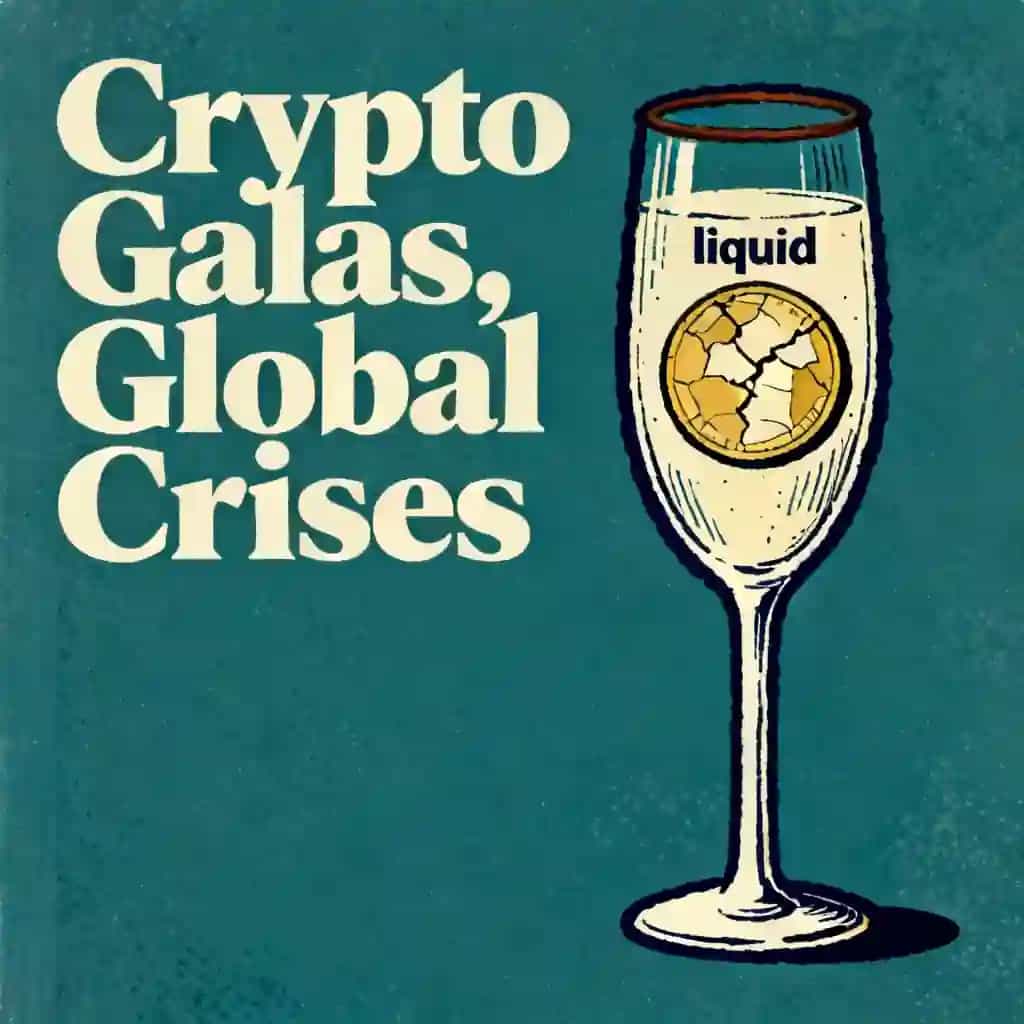
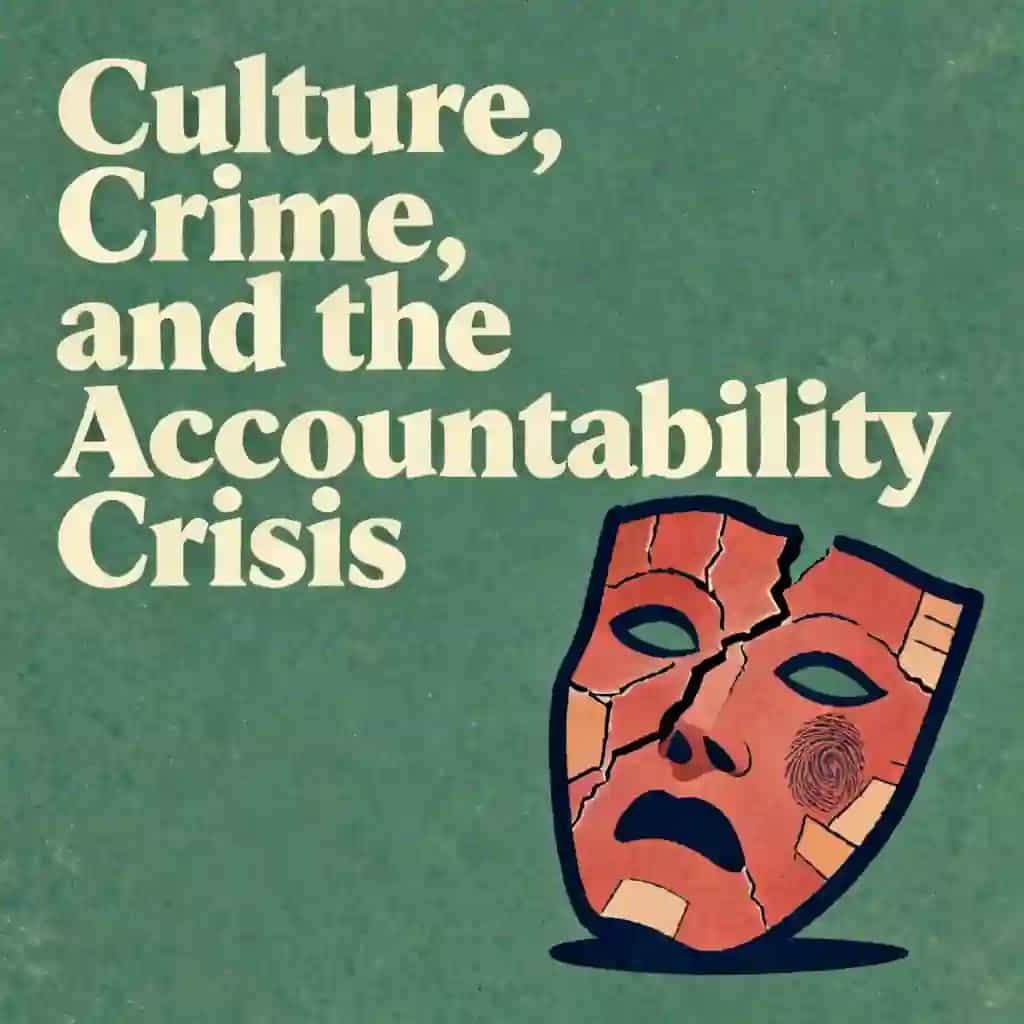
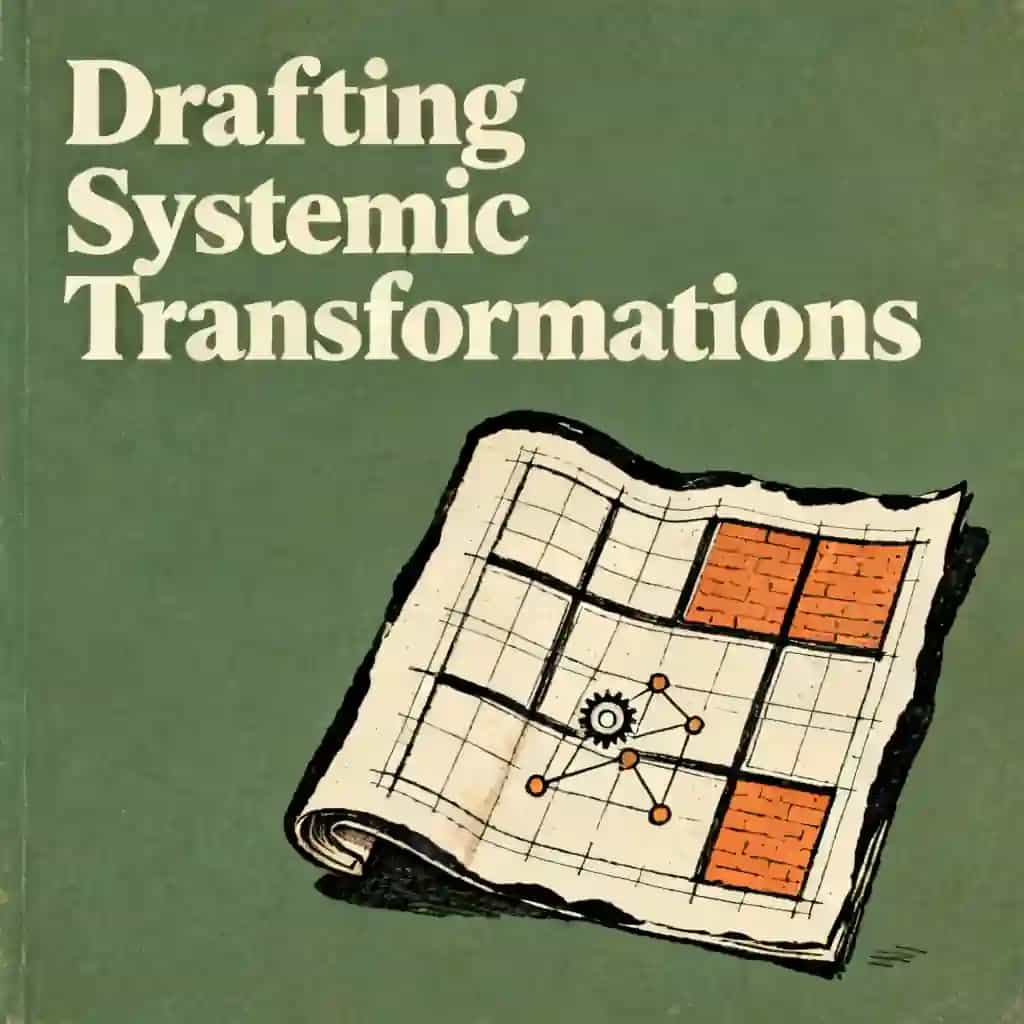
We’re essentially trading systemic progress for cultural visibility, creating a gap between a symbolic win and a material loss that haunts the history of Black intellectual thought.

This audio lesson was created by a BeFreed community member
Use Harold Cruse’s Crisis of the Negro Intellectual to discuss similarities between black America ‘s missed opportunities in the post Obama and George Floyd era compared to the Harlem Renaissance and any similarities with societal backlash from a policy, professional, economic, media and community lens.

Frequently Asked Questions
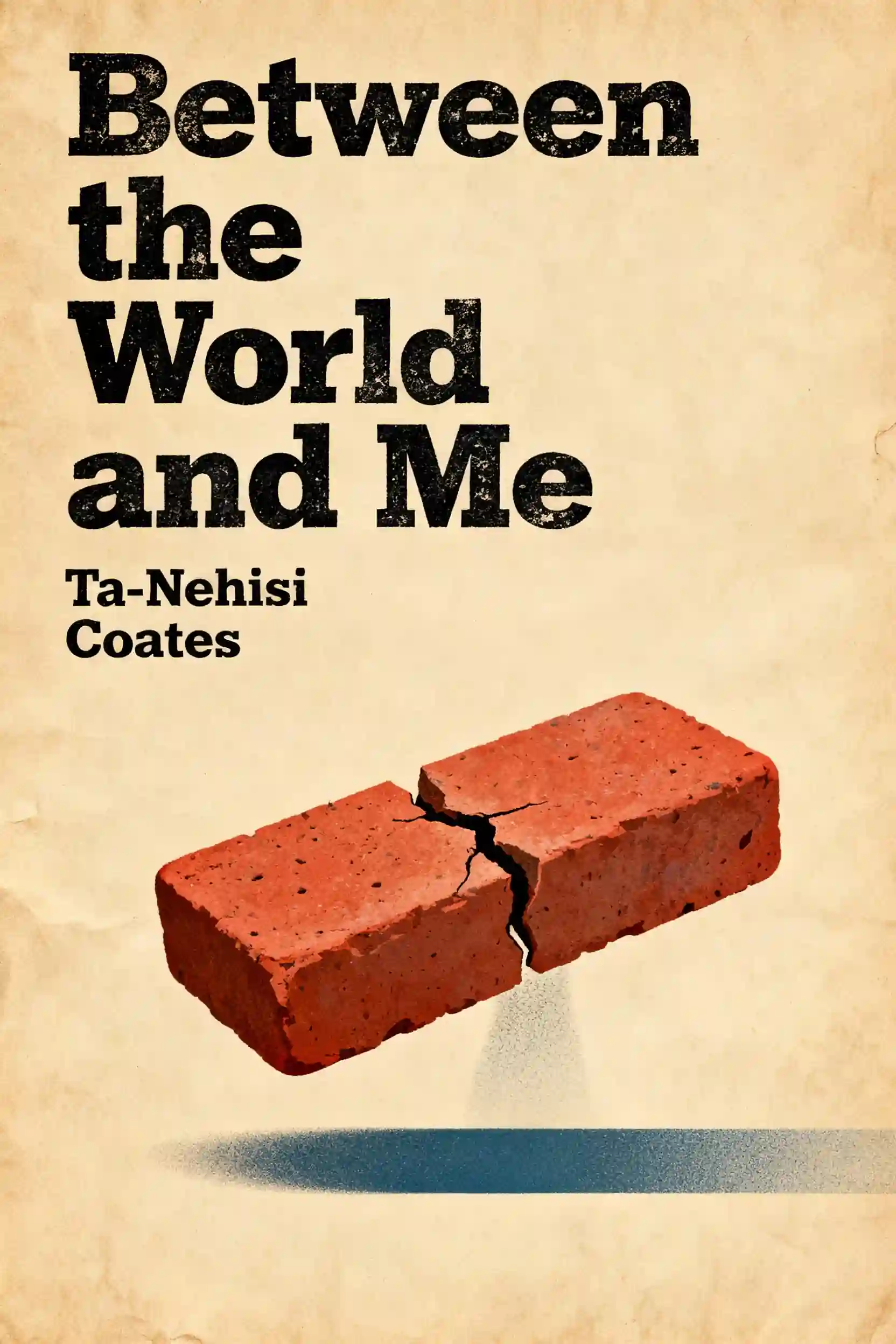
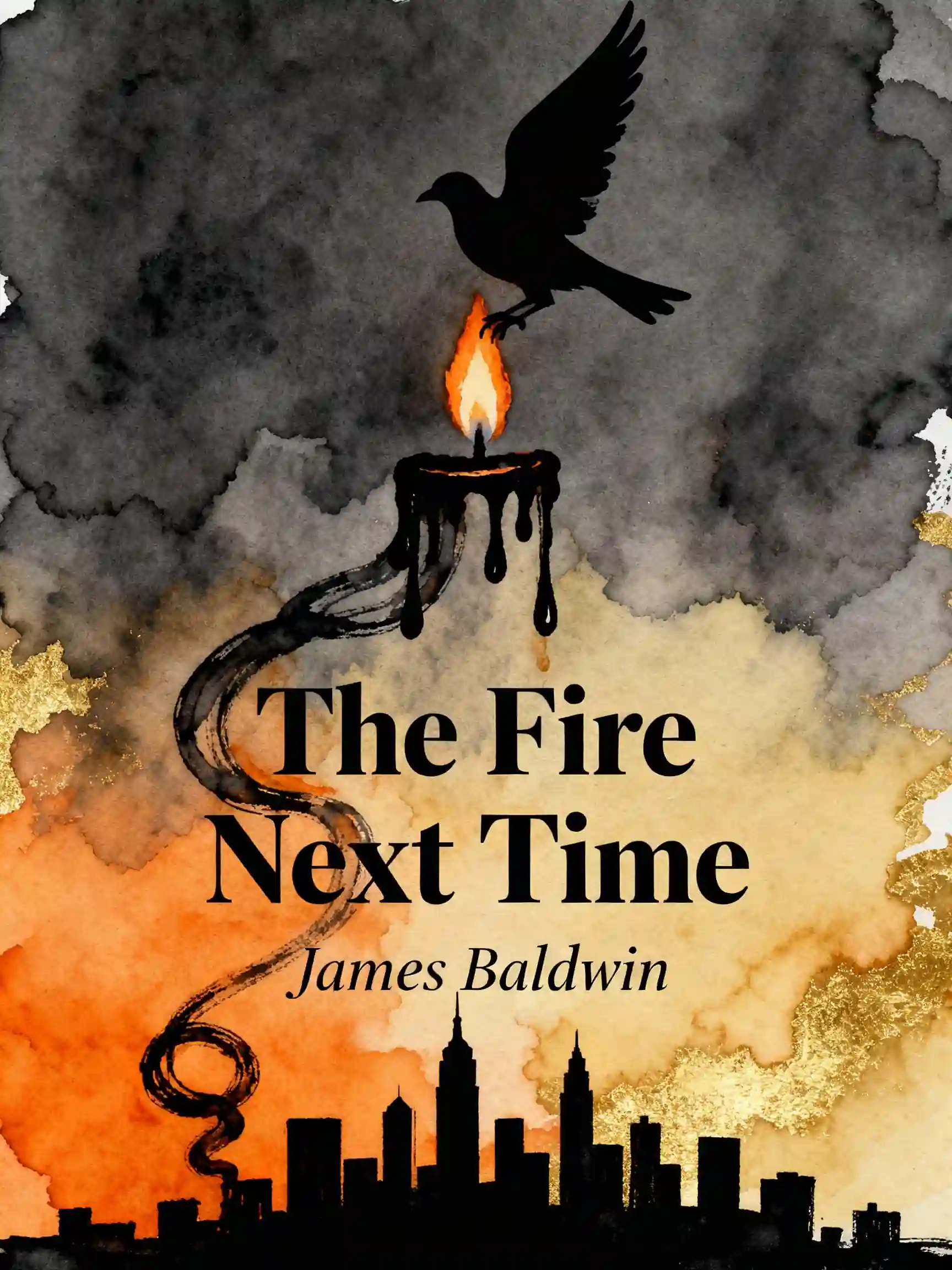
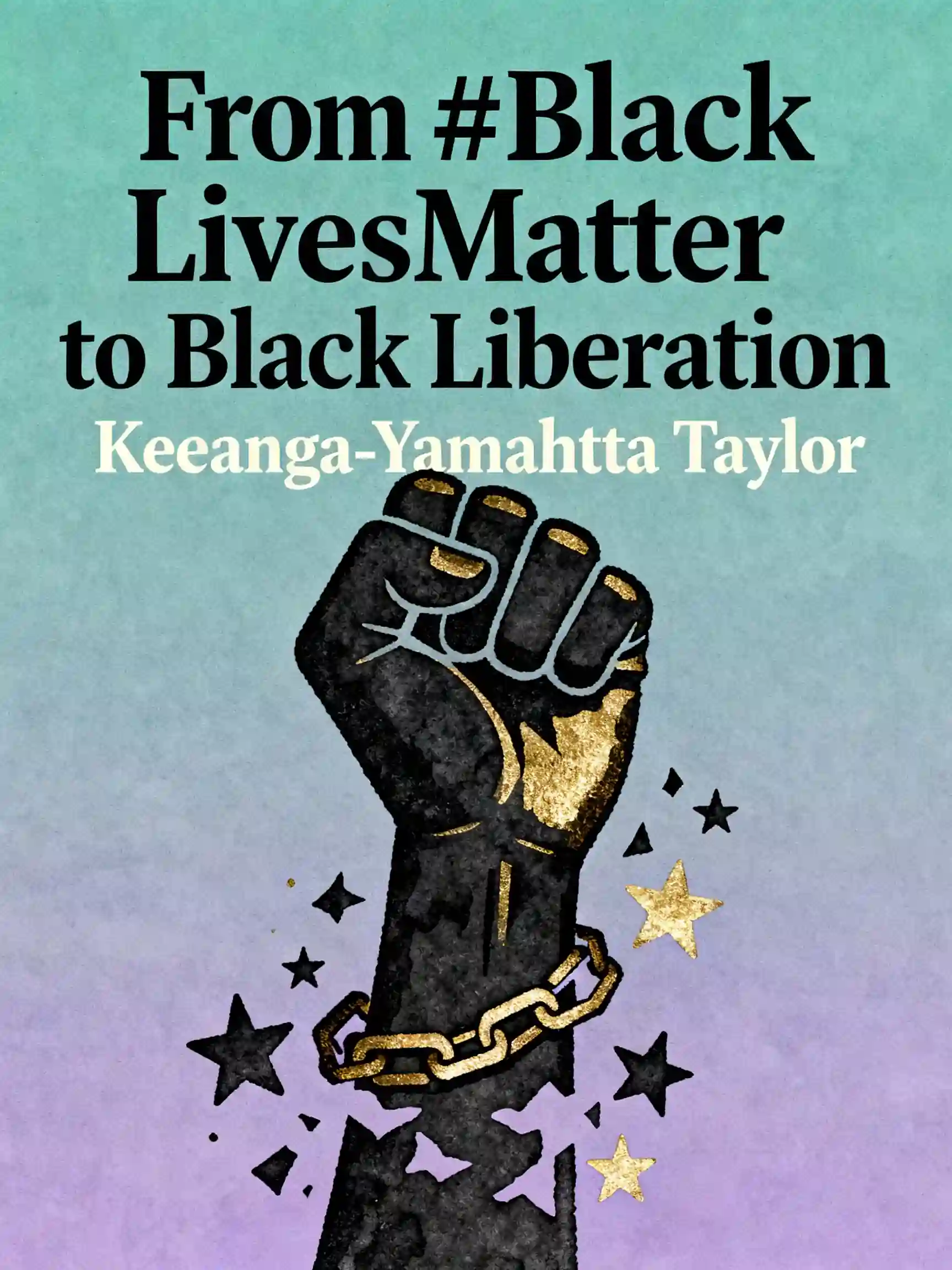
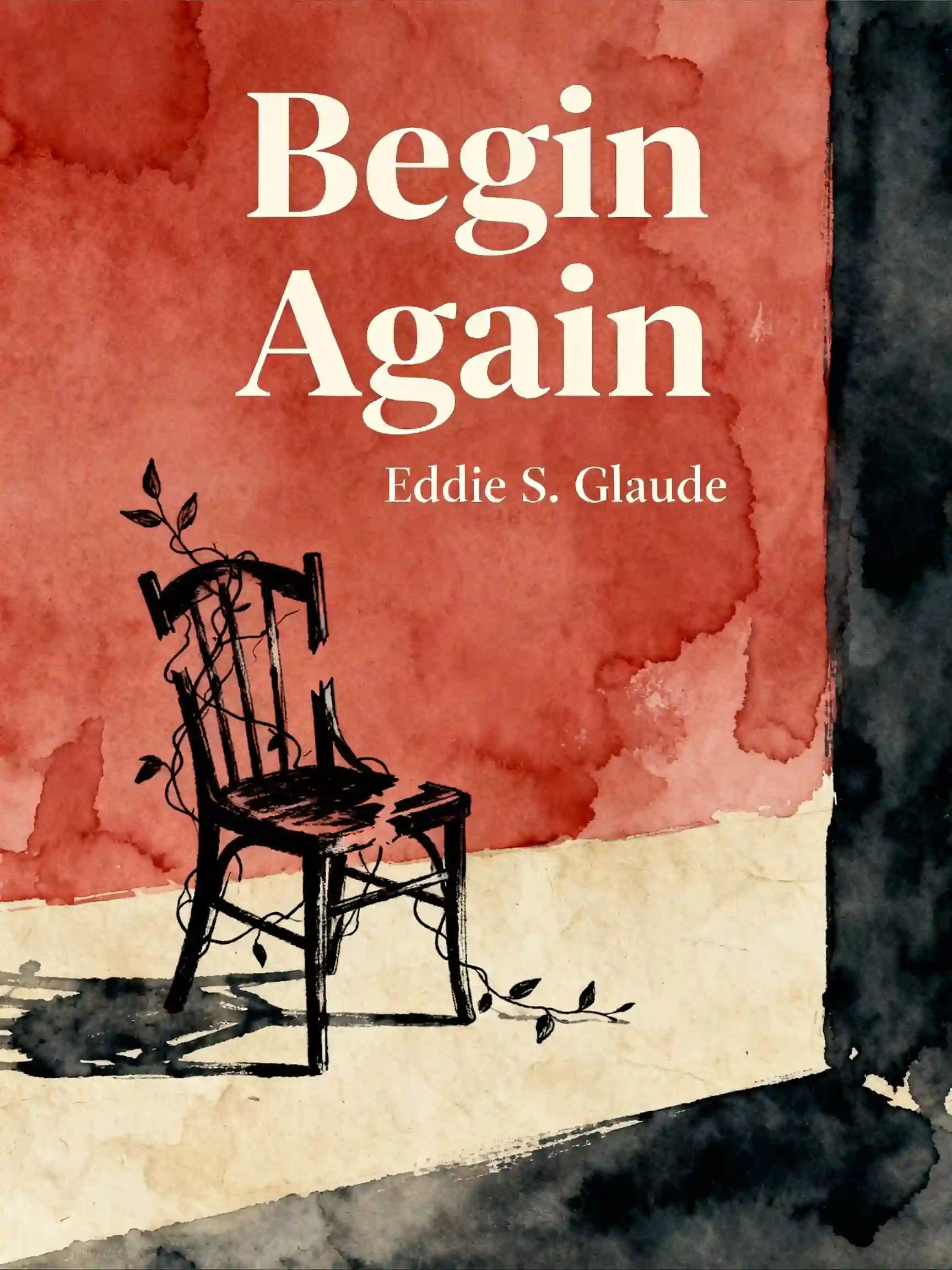
The central theme focuses on the recurring tension between cultural momentum and the lack of material, structural change. Drawing on the work of Harold Cruse and Eddie Glaude, the discussion explores how symbolic wins, such as the election of a Black president or global protests, often fail to dismantle underlying power dynamics. This gap between representation and actual economic or political sovereignty represents a persistent crisis in the history of Black intellectual thought.
Harold Cruse’s framework, particularly from 'The Crisis of the Negro Intellectual,' warns that leadership often becomes seduced by integration into systems that resist genuine change. The podcast highlights Cruse's critique that intellectual movements, like the Harlem Renaissance, frequently prioritize cultural acceptance by white society over the establishment of economic and political sovereignty. This focus on symbolic progress rather than structural shifts is presented as a primary reason for the failure to achieve lasting material gains.
As referenced in the discussion, Eddie Glaude defines the value gap as the persistent, underlying belief that white lives matter more than others. This belief structures social and political reality, ensuring that even after significant movements against police violence or major political milestones, the fundamental hierarchy remains unchanged. The value gap explains why symbolic progress often exists alongside a lack of material improvement for the community, reinforcing the cycle of the crisis of symbolic progress.
The podcast draws a parallel between the 2020 protests and the Harlem Renaissance, noting that both eras experienced an explosion of cultural identity and art that did not translate into structural change. During the Harlem Renaissance, the 'New Negro' identity flourished, yet the community still lacked economic and political sovereignty. By comparing these historical moments to the post-Obama years, the conversation illustrates a recurring pattern where bursts of momentum hit a wall of systemic resistance.
Discover more
Culture, society & power
This learning plan provides a critical lens for understanding the invisible forces that govern our social world and personal beliefs. It is essential for activists, social scientists, and anyone seeking to dismantle systemic inequality and drive meaningful societal change.

Societal Endurance and the Mechanics of Power
This plan is essential for leaders and analysts seeking to understand the hidden structural forces that govern human civilization. It provides a deep dive into the intersection of historical law, mass psychology, and modern technology for anyone navigating complex power structures.

Power, Inequality, and Resistance
This learning plan is essential for activists, community organizers, and social scientists seeking to dismantle systemic inequality. It bridges the gap between high-level political theory and the practical mechanics of building collective power to challenge status quo interests.

The Hidden Architecture of Social Life
This plan is essential for anyone looking to decode the invisible forces that shape our societal interactions and organizational structures. It is particularly valuable for sociologists, cultural strategists, and leaders seeking to understand the tension between grassroots innovation and institutional stability.

Art, War, and the Capitalist Soul
This interdisciplinary plan bridges the gap between cultural history, geopolitics, and economic evolution. It is ideal for history buffs, political science students, or curious minds looking to understand how the modern world was forged through art and industry.

The Blueprint of Imperial Collapse
This learning plan is essential for strategic thinkers, historians, and policy analysts seeking to understand the mechanics of state failure. It provides a rigorous framework for identifying systemic rot and adapting to the technological disruptions that redefine global power.

Think like Nassim taleb
In an increasingly volatile world, traditional linear thinking often leads to catastrophic failure. This plan is essential for decision-makers, investors, and strategists who want to move beyond mere resilience and learn to profit from uncertainty.

Decoding the Labour Anthem
This plan is essential for anyone looking to understand the intersection of pop culture, feminist theory, and social activism. It is designed for students, activists, and creators who want to analyze how art can be used to challenge systemic oppression and ignite global movements.
From Columbia University alumni built in San Francisco
"Instead of endless scrolling, I just hit play on BeFreed. It saves me so much time."


"I never knew where to start with nonfiction—BeFreed’s book lists turned into podcasts gave me a clear path."


"Perfect balance between learning and entertainment. Finished ‘Thinking, Fast and Slow’ on my commute this week."
"Crazy how much I learned while walking the dog. BeFreed = small habits → big gains."
"Reading used to feel like a chore. Now it’s just part of my lifestyle."

"Feels effortless compared to reading. I’ve finished 6 books this month already."
"BeFreed turned my guilty doomscrolling into something that feels productive and inspiring."

"BeFreed turned my commute into learning time. 20-min podcasts are perfect for finishing books I never had time for."
"BeFreed replaced my podcast queue. Imagine Spotify for books — that’s it. 🙌"

"It is great for me to learn something from the book without reading it."
"The themed book list podcasts help me connect ideas across authors—like a guided audio journey."
"Makes me feel smarter every time before going to work"
From Columbia University alumni built in San Francisco
"Instead of endless scrolling, I just hit play on BeFreed. It saves me so much time."
"I never knew where to start with nonfiction—BeFreed’s book lists turned into podcasts gave me a clear path."
"Perfect balance between learning and entertainment. Finished ‘Thinking, Fast and Slow’ on my commute this week."
"Crazy how much I learned while walking the dog. BeFreed = small habits → big gains."
"Reading used to feel like a chore. Now it’s just part of my lifestyle."
"Feels effortless compared to reading. I’ve finished 6 books this month already."
"BeFreed turned my guilty doomscrolling into something that feels productive and inspiring."
"BeFreed turned my commute into learning time. 20-min podcasts are perfect for finishing books I never had time for."
"BeFreed replaced my podcast queue. Imagine Spotify for books — that’s it. 🙌"
"It is great for me to learn something from the book without reading it."
"The themed book list podcasts help me connect ideas across authors—like a guided audio journey."
"Makes me feel smarter every time before going to work"
"Instead of endless scrolling, I just hit play on BeFreed. It saves me so much time."
"I never knew where to start with nonfiction—BeFreed’s book lists turned into podcasts gave me a clear path."
"Perfect balance between learning and entertainment. Finished ‘Thinking, Fast and Slow’ on my commute this week."
"Crazy how much I learned while walking the dog. BeFreed = small habits → big gains."
"Reading used to feel like a chore. Now it’s just part of my lifestyle."
"Feels effortless compared to reading. I’ve finished 6 books this month already."
"BeFreed turned my guilty doomscrolling into something that feels productive and inspiring."
"BeFreed turned my commute into learning time. 20-min podcasts are perfect for finishing books I never had time for."
"BeFreed replaced my podcast queue. Imagine Spotify for books — that’s it. 🙌"
"It is great for me to learn something from the book without reading it."
"The themed book list podcasts help me connect ideas across authors—like a guided audio journey."
"Makes me feel smarter every time before going to work"
"Instead of endless scrolling, I just hit play on BeFreed. It saves me so much time."
"I never knew where to start with nonfiction—BeFreed’s book lists turned into podcasts gave me a clear path."
"Perfect balance between learning and entertainment. Finished ‘Thinking, Fast and Slow’ on my commute this week."
"Crazy how much I learned while walking the dog. BeFreed = small habits → big gains."
"Reading used to feel like a chore. Now it’s just part of my lifestyle."
"Feels effortless compared to reading. I’ve finished 6 books this month already."
"BeFreed turned my guilty doomscrolling into something that feels productive and inspiring."
"BeFreed turned my commute into learning time. 20-min podcasts are perfect for finishing books I never had time for."
"BeFreed replaced my podcast queue. Imagine Spotify for books — that’s it. 🙌"
"It is great for me to learn something from the book without reading it."
"The themed book list podcasts help me connect ideas across authors—like a guided audio journey."
"Makes me feel smarter every time before going to work"