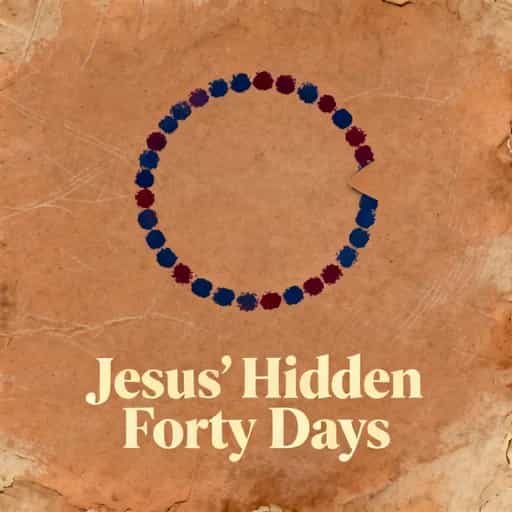
Jesus' 40 Days After Resurrection: Ethiopian Bible Teachings
Explore the Ethiopian Bible's unique teachings on Jesus' 40 days after the resurrection, covering prophecies on the organized church and true transformation.

Best quote from Jesus' 40 Days After Resurrection: Ethiopian Bible Teachings
The more organized and grand the church becomes on the outside, the more likely it is that the living temple on the inside is being neglected.
Generated by Ezra
Explore the book in the Ethiopian Bible that talks about Jesus in the 40 days after his resurrection. Tell me what it teaches , what are the most interesting parts, what parts are surprising compared to modern church. Did Jesus predict in this book the coming organized church , and the loss of true transformation.

Frequently Asked Questions
The Ethiopian Bible, part of the broader Ethiopian biblical canon, provides a detailed account of the period between the resurrection and the ascension. These teachings often focus on the secret wisdom Jesus shared with his disciples, emphasizing spiritual transformation and the nature of the divine. Unlike the brief mentions in the standard Western New Testament, these texts within the Ethiopian Orthodox Tewahedo Church tradition offer a deeper look into the specific instructions Jesus gave to prepare his followers for their future ministry.
Yes, certain texts within the Ethiopian biblical canon suggest that Jesus predicted the rise of the organized church. These passages often contrast the formal structures of religious institutions with the raw, internal transformation found in early Christianity. The writings reflect a concern that as the church became more organized and institutionalized, the original essence of spiritual change and the direct connection to the divine might be overshadowed by hierarchy and tradition, a theme that remains a point of interest for scholars.
The most surprising elements of these teachings compared to modern church practices involve the emphasis on esoteric knowledge and the specific warnings regarding the loss of true transformation. While many modern denominations focus on communal worship and established dogma, the accounts of Jesus' 40 days in the Ethiopian Bible highlight a more mystical approach. These 'lost books' provide a perspective that challenges contemporary views by suggesting that the evolution of the organized church was foreseen as a potential departure from the original path of spiritual metamorphosis.
From Columbia University alumni built in San Francisco
"Instead of endless scrolling, I just hit play on BeFreed. It saves me so much time."


"I never knew where to start with nonfiction—BeFreed’s book lists turned into podcasts gave me a clear path."


"Perfect balance between learning and entertainment. Finished ‘Thinking, Fast and Slow’ on my commute this week."
"Crazy how much I learned while walking the dog. BeFreed = small habits → big gains."
"Reading used to feel like a chore. Now it’s just part of my lifestyle."

"Feels effortless compared to reading. I’ve finished 6 books this month already."
"BeFreed turned my guilty doomscrolling into something that feels productive and inspiring."

"BeFreed turned my commute into learning time. 20-min podcasts are perfect for finishing books I never had time for."
"BeFreed replaced my podcast queue. Imagine Spotify for books — that’s it. 🙌"

"It is great for me to learn something from the book without reading it."
"The themed book list podcasts help me connect ideas across authors—like a guided audio journey."
"Makes me feel smarter every time before going to work"
From Columbia University alumni built in San Francisco
"Instead of endless scrolling, I just hit play on BeFreed. It saves me so much time."
"I never knew where to start with nonfiction—BeFreed’s book lists turned into podcasts gave me a clear path."
"Perfect balance between learning and entertainment. Finished ‘Thinking, Fast and Slow’ on my commute this week."
"Crazy how much I learned while walking the dog. BeFreed = small habits → big gains."
"Reading used to feel like a chore. Now it’s just part of my lifestyle."
"Feels effortless compared to reading. I’ve finished 6 books this month already."
"BeFreed turned my guilty doomscrolling into something that feels productive and inspiring."
"BeFreed turned my commute into learning time. 20-min podcasts are perfect for finishing books I never had time for."
"BeFreed replaced my podcast queue. Imagine Spotify for books — that’s it. 🙌"
"It is great for me to learn something from the book without reading it."
"The themed book list podcasts help me connect ideas across authors—like a guided audio journey."
"Makes me feel smarter every time before going to work"
"Instead of endless scrolling, I just hit play on BeFreed. It saves me so much time."
"I never knew where to start with nonfiction—BeFreed’s book lists turned into podcasts gave me a clear path."
"Perfect balance between learning and entertainment. Finished ‘Thinking, Fast and Slow’ on my commute this week."
"Crazy how much I learned while walking the dog. BeFreed = small habits → big gains."
"Reading used to feel like a chore. Now it’s just part of my lifestyle."
"Feels effortless compared to reading. I’ve finished 6 books this month already."
"BeFreed turned my guilty doomscrolling into something that feels productive and inspiring."
"BeFreed turned my commute into learning time. 20-min podcasts are perfect for finishing books I never had time for."
"BeFreed replaced my podcast queue. Imagine Spotify for books — that’s it. 🙌"
"It is great for me to learn something from the book without reading it."
"The themed book list podcasts help me connect ideas across authors—like a guided audio journey."
"Makes me feel smarter every time before going to work"
"Instead of endless scrolling, I just hit play on BeFreed. It saves me so much time."
"I never knew where to start with nonfiction—BeFreed’s book lists turned into podcasts gave me a clear path."
"Perfect balance between learning and entertainment. Finished ‘Thinking, Fast and Slow’ on my commute this week."
"Crazy how much I learned while walking the dog. BeFreed = small habits → big gains."
"Reading used to feel like a chore. Now it’s just part of my lifestyle."
"Feels effortless compared to reading. I’ve finished 6 books this month already."
"BeFreed turned my guilty doomscrolling into something that feels productive and inspiring."
"BeFreed turned my commute into learning time. 20-min podcasts are perfect for finishing books I never had time for."
"BeFreed replaced my podcast queue. Imagine Spotify for books — that’s it. 🙌"
"It is great for me to learn something from the book without reading it."
"The themed book list podcasts help me connect ideas across authors—like a guided audio journey."
"Makes me feel smarter every time before going to work"









![[dcdd8140-0b00-411c-b5a1-edc75c5bc030:c0000] Kolbrin Bible.pdf p1-1](/_next/image?url=https%3A%2F%2Fd1y2du6z1jfm9e.cloudfront.net%2Fassets%2Fpodcast%2Fblue.png&w=1024&q=50)