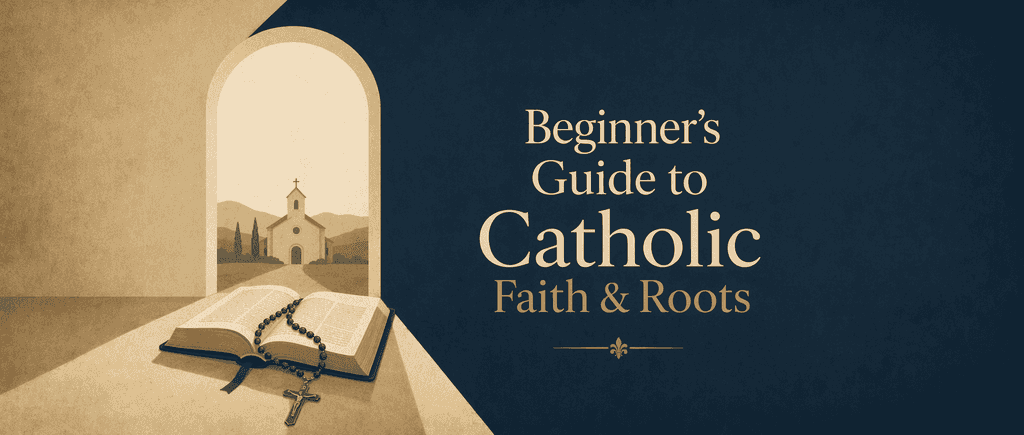
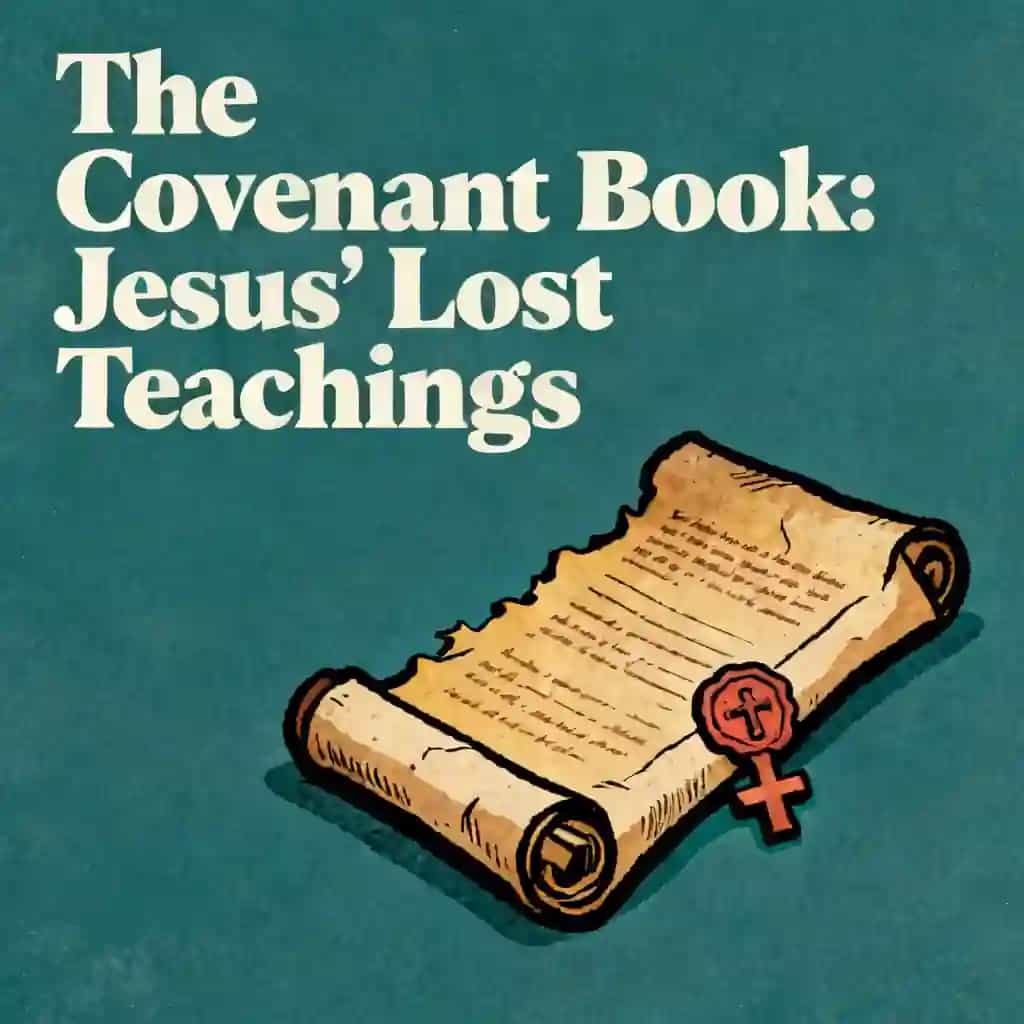
The Book of the Covenant: Ethiopian Bible History and Teachings
Explore the Book of the Covenant in the Ethiopian Bible. Learn about its history, origins, and unique theological teachings within the Orthodox Tewahedo Church.

Best quote from The Book of the Covenant: Ethiopian Bible History and Teachings
For the Ethiopian Orthodox Tewahedo Church, there isn't this massive chasm between the 'Old Testament' life and the 'New Testament' spirit; they see the law as a tangible expression of what it means to be a holy nation, set apart for God.
Generated by Ezra
Lesson on the book of the covenant in the Ethiopian Bible. Go into its details, how it sheds light or differs on the modern church and theologies. Its history and any study into its origins. And it’s most interesting teachings.

Frequently Asked Questions
The Book of the Covenant is a significant scriptural text found within the broader canon of the Ethiopian Orthodox Tewahedo Church. Unlike many Western biblical traditions, the Ethiopian Bible includes this work as a vital source of ecclesiastical law and spiritual guidance. It provides a detailed framework for church life, offering unique insights into ancient manuscripts and the historical development of early Christian communities in East Africa.
The Book of the Covenant presents a distinct theological perspective that often diverges from modern Western church practices. It emphasizes specific legal and liturgical structures that are central to the Ethiopian Orthodox Tewahedo Church but less common in Protestant or Catholic traditions. By studying these differences, scholars can better understand how church history and biblical origins were shaped by diverse cultural and geographical contexts over centuries.
The history of the Book of the Covenant is deeply rooted in the ancient manuscript traditions of Ethiopia. Theological studies suggest that its origins are tied to early Christian efforts to codify religious practice and communal living. As part of the unique Ethiopian biblical canon, the text has been preserved for generations, serving as a primary historical record for researchers interested in the evolution of biblical origins and early church history.
Among its most interesting teachings are the detailed regulations regarding church order, social ethics, and the specific duties of the clergy and laity. The text sheds light on how the early Ethiopian church integrated spiritual life with daily governance. These teachings offer a fascinating look at a holistic theological system that continues to influence the Ethiopian Orthodox Tewahedo Church today, providing a bridge between ancient tradition and modern faith.
From Columbia University alumni built in San Francisco
"Instead of endless scrolling, I just hit play on BeFreed. It saves me so much time."


"I never knew where to start with nonfiction—BeFreed’s book lists turned into podcasts gave me a clear path."


"Perfect balance between learning and entertainment. Finished ‘Thinking, Fast and Slow’ on my commute this week."
"Crazy how much I learned while walking the dog. BeFreed = small habits → big gains."
"Reading used to feel like a chore. Now it’s just part of my lifestyle."

"Feels effortless compared to reading. I’ve finished 6 books this month already."
"BeFreed turned my guilty doomscrolling into something that feels productive and inspiring."

"BeFreed turned my commute into learning time. 20-min podcasts are perfect for finishing books I never had time for."
"BeFreed replaced my podcast queue. Imagine Spotify for books — that’s it. 🙌"

"It is great for me to learn something from the book without reading it."
"The themed book list podcasts help me connect ideas across authors—like a guided audio journey."
"Makes me feel smarter every time before going to work"
From Columbia University alumni built in San Francisco
"Instead of endless scrolling, I just hit play on BeFreed. It saves me so much time."
"I never knew where to start with nonfiction—BeFreed’s book lists turned into podcasts gave me a clear path."
"Perfect balance between learning and entertainment. Finished ‘Thinking, Fast and Slow’ on my commute this week."
"Crazy how much I learned while walking the dog. BeFreed = small habits → big gains."
"Reading used to feel like a chore. Now it’s just part of my lifestyle."
"Feels effortless compared to reading. I’ve finished 6 books this month already."
"BeFreed turned my guilty doomscrolling into something that feels productive and inspiring."
"BeFreed turned my commute into learning time. 20-min podcasts are perfect for finishing books I never had time for."
"BeFreed replaced my podcast queue. Imagine Spotify for books — that’s it. 🙌"
"It is great for me to learn something from the book without reading it."
"The themed book list podcasts help me connect ideas across authors—like a guided audio journey."
"Makes me feel smarter every time before going to work"
"Instead of endless scrolling, I just hit play on BeFreed. It saves me so much time."
"I never knew where to start with nonfiction—BeFreed’s book lists turned into podcasts gave me a clear path."
"Perfect balance between learning and entertainment. Finished ‘Thinking, Fast and Slow’ on my commute this week."
"Crazy how much I learned while walking the dog. BeFreed = small habits → big gains."
"Reading used to feel like a chore. Now it’s just part of my lifestyle."
"Feels effortless compared to reading. I’ve finished 6 books this month already."
"BeFreed turned my guilty doomscrolling into something that feels productive and inspiring."
"BeFreed turned my commute into learning time. 20-min podcasts are perfect for finishing books I never had time for."
"BeFreed replaced my podcast queue. Imagine Spotify for books — that’s it. 🙌"
"It is great for me to learn something from the book without reading it."
"The themed book list podcasts help me connect ideas across authors—like a guided audio journey."
"Makes me feel smarter every time before going to work"
"Instead of endless scrolling, I just hit play on BeFreed. It saves me so much time."
"I never knew where to start with nonfiction—BeFreed’s book lists turned into podcasts gave me a clear path."
"Perfect balance between learning and entertainment. Finished ‘Thinking, Fast and Slow’ on my commute this week."
"Crazy how much I learned while walking the dog. BeFreed = small habits → big gains."
"Reading used to feel like a chore. Now it’s just part of my lifestyle."
"Feels effortless compared to reading. I’ve finished 6 books this month already."
"BeFreed turned my guilty doomscrolling into something that feels productive and inspiring."
"BeFreed turned my commute into learning time. 20-min podcasts are perfect for finishing books I never had time for."
"BeFreed replaced my podcast queue. Imagine Spotify for books — that’s it. 🙌"
"It is great for me to learn something from the book without reading it."
"The themed book list podcasts help me connect ideas across authors—like a guided audio journey."
"Makes me feel smarter every time before going to work"





![[dcdd8140-0b00-411c-b5a1-edc75c5bc030:c0000] Kolbrin Bible.pdf p1-1](/_next/image?url=https%3A%2F%2Fd1y2du6z1jfm9e.cloudfront.net%2Fassets%2Fpodcast%2Fblue.png&w=1024&q=50)
![[dcdd8140-0b00-411c-b5a1-edc75c5bc030:c0003] Kolbrin Bible.pdf p1-1](/_next/image?url=https%3A%2F%2Fd1y2du6z1jfm9e.cloudfront.net%2Fassets%2Fpodcast%2Fpurple.png&w=1024&q=50)