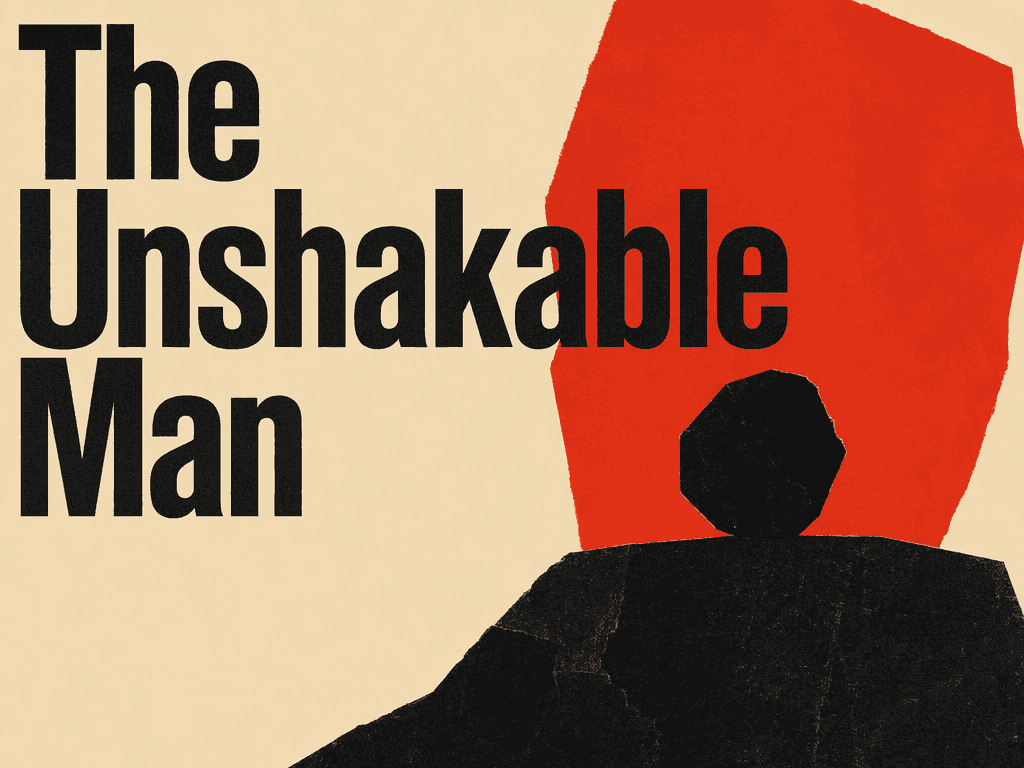
The Alpha Male Myth and Real Leadership
The alpha male trope is based on a scientific error. Learn why true leadership is about family and cooperation rather than dominance and intimidation.

Best quote from The Alpha Male Myth and Real Leadership
The 'alpha' isn’t a rank you win in a fight; it’s a role you grow into by being a provider and a protector. Real leadership isn’t about winning a struggle for dominance—it’s about providing for the group and helping the next generation grow.
Generated by Freedee_E625D6C2
The alpha male

Frequently Asked Questions
The term originated from studies conducted in the 1940s on captive wolves at the Basel Zoo. Because these were unrelated individuals forced into a confined space, they exhibited aggressive, tension-filled behaviors to establish a hierarchy. When scientists eventually studied wolves in the wild, they discovered that natural packs are actually nuclear families. The "alpha" is not a rank won through combat, but simply a role played by the breeding parents who lead through experience and protection rather than intimidation.
Dominance is a leadership style based on force, threat, or the suppression of others, often resulting in a "constant combat" mindset that creates resentment and stress. In contrast, prestige is status that a group freely grants to an individual based on their skills, knowledge, generosity, and emotional intelligence. While dominance-based leadership is fragile and requires perpetual vigilance, prestige-based leadership is functional and resilient because it relies on "collaborative competence" and the group's genuine respect.
The myth often encourages a rigid, performance-based version of masculinity that prioritizes emotional disconnection and social dominance. This can lead to the "Alpha Burden," where men feel they must never show vulnerability, resulting in profound emotional isolation and burnout. In dating and professional environments, this "winner-takes-all" mentality often backfires, as most people and modern organizations value qualities like kindness, reliability, and the ability to work as an equal partner over aggressive posturing.
In a natural wolf pack, leadership is fluid and based on the needs of the moment; for example, the wolf that notices prey first leads the chase, or an older sibling "babysits" while others hunt. In human contexts, this translates to a model where the person with the most relevant expertise leads a specific task regardless of their formal rank. This shift from "power over" to "power with" allows a group to be more successful by utilizing the unique strengths of every member.
From Columbia University alumni built in San Francisco
"Instead of endless scrolling, I just hit play on BeFreed. It saves me so much time."


"I never knew where to start with nonfiction—BeFreed’s book lists turned into podcasts gave me a clear path."


"Perfect balance between learning and entertainment. Finished ‘Thinking, Fast and Slow’ on my commute this week."
"Crazy how much I learned while walking the dog. BeFreed = small habits → big gains."
"Reading used to feel like a chore. Now it’s just part of my lifestyle."

"Feels effortless compared to reading. I’ve finished 6 books this month already."
"BeFreed turned my guilty doomscrolling into something that feels productive and inspiring."

"BeFreed turned my commute into learning time. 20-min podcasts are perfect for finishing books I never had time for."
"BeFreed replaced my podcast queue. Imagine Spotify for books — that’s it. 🙌"

"It is great for me to learn something from the book without reading it."
"The themed book list podcasts help me connect ideas across authors—like a guided audio journey."
"Makes me feel smarter every time before going to work"
From Columbia University alumni built in San Francisco
"Instead of endless scrolling, I just hit play on BeFreed. It saves me so much time."
"I never knew where to start with nonfiction—BeFreed’s book lists turned into podcasts gave me a clear path."
"Perfect balance between learning and entertainment. Finished ‘Thinking, Fast and Slow’ on my commute this week."
"Crazy how much I learned while walking the dog. BeFreed = small habits → big gains."
"Reading used to feel like a chore. Now it’s just part of my lifestyle."
"Feels effortless compared to reading. I’ve finished 6 books this month already."
"BeFreed turned my guilty doomscrolling into something that feels productive and inspiring."
"BeFreed turned my commute into learning time. 20-min podcasts are perfect for finishing books I never had time for."
"BeFreed replaced my podcast queue. Imagine Spotify for books — that’s it. 🙌"
"It is great for me to learn something from the book without reading it."
"The themed book list podcasts help me connect ideas across authors—like a guided audio journey."
"Makes me feel smarter every time before going to work"
"Instead of endless scrolling, I just hit play on BeFreed. It saves me so much time."
"I never knew where to start with nonfiction—BeFreed’s book lists turned into podcasts gave me a clear path."
"Perfect balance between learning and entertainment. Finished ‘Thinking, Fast and Slow’ on my commute this week."
"Crazy how much I learned while walking the dog. BeFreed = small habits → big gains."
"Reading used to feel like a chore. Now it’s just part of my lifestyle."
"Feels effortless compared to reading. I’ve finished 6 books this month already."
"BeFreed turned my guilty doomscrolling into something that feels productive and inspiring."
"BeFreed turned my commute into learning time. 20-min podcasts are perfect for finishing books I never had time for."
"BeFreed replaced my podcast queue. Imagine Spotify for books — that’s it. 🙌"
"It is great for me to learn something from the book without reading it."
"The themed book list podcasts help me connect ideas across authors—like a guided audio journey."
"Makes me feel smarter every time before going to work"
"Instead of endless scrolling, I just hit play on BeFreed. It saves me so much time."
"I never knew where to start with nonfiction—BeFreed’s book lists turned into podcasts gave me a clear path."
"Perfect balance between learning and entertainment. Finished ‘Thinking, Fast and Slow’ on my commute this week."
"Crazy how much I learned while walking the dog. BeFreed = small habits → big gains."
"Reading used to feel like a chore. Now it’s just part of my lifestyle."
"Feels effortless compared to reading. I’ve finished 6 books this month already."
"BeFreed turned my guilty doomscrolling into something that feels productive and inspiring."
"BeFreed turned my commute into learning time. 20-min podcasts are perfect for finishing books I never had time for."
"BeFreed replaced my podcast queue. Imagine Spotify for books — that’s it. 🙌"
"It is great for me to learn something from the book without reading it."
"The themed book list podcasts help me connect ideas across authors—like a guided audio journey."
"Makes me feel smarter every time before going to work"