The 7% Communication Secret: Speak With Confidence
Discover why only 7% of communication is words and learn research-backed techniques to command any room through tone, body language, and mental strategies that transform how you show up in conversations.

Best quote from The 7% Communication Secret: Speak With Confidence
Confidence isn't something you're born with or without—it's a skill you develop through deliberate practice. The goal is building tolerance and confidence, not fearlessness.

This audio lesson was created by a BeFreed community member
Speaking to others with confidence

Discover more

Master the Unspoken Social Code
In a world where 93% of communication is non-verbal, mastering the subtle art of social dynamics is the ultimate competitive advantage. This plan is designed for professionals and individuals who want to replace social anxiety with charisma and turn every interaction into a meaningful opportunity.

Master the Art of Public Speaking
Effective communication is the most critical skill for leadership and career advancement in any industry. This plan is designed for professionals and aspiring speakers who want to transform their anxiety into executive presence and persuasive power.

Speak with Presence and Power
In a world where attention is the ultimate currency, the ability to project authority and warmth is a critical career accelerator. This plan is designed for leaders and professionals who want to move beyond nervous hesitation and master the physical and psychological mechanics of powerful communication.
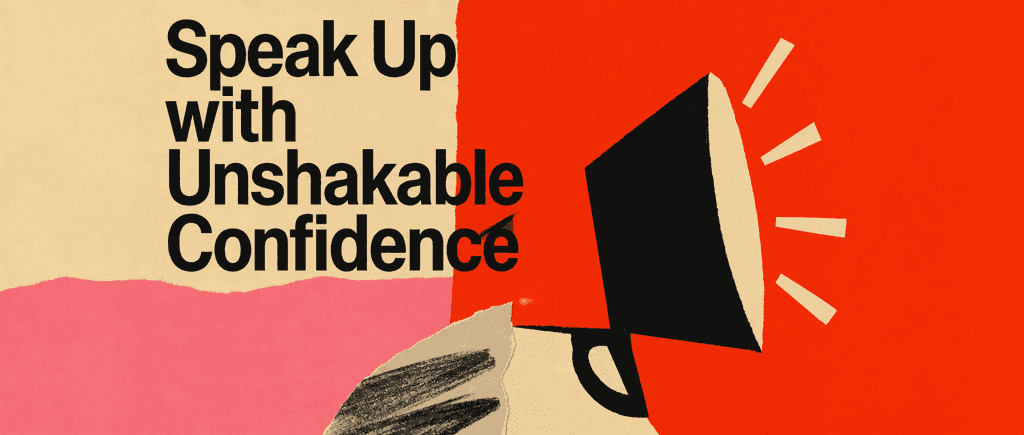
Speak Up with Unshakable Confidence
This plan is designed for professionals who struggle to assert themselves in group settings or high-pressure meetings. It provides a roadmap to move from passive participation to strategic influence by mastering both internal mindset and external communication tactics.

Books for confident, authoritative speaking
Confident, authoritative communication is the cornerstone of professional success and social influence, yet many capable people are overlooked simply because they don't sound certain or commanding. This learning plan is designed for professionals, leaders, and anyone who wants to be taken seriously—whether you're navigating career advancement, leading teams, or simply want your ideas to carry weight in any room you enter.

Speak eloquently with confidence & precision
Effective communication is the cornerstone of professional success, yet many talented individuals struggle to articulate their ideas with the clarity and confidence their expertise deserves. This learning plan is ideal for professionals, leaders, and aspiring executives who want to elevate their speaking abilities, strengthen their influence, and be recognized as articulate, intelligent communicators in high-stakes environments.

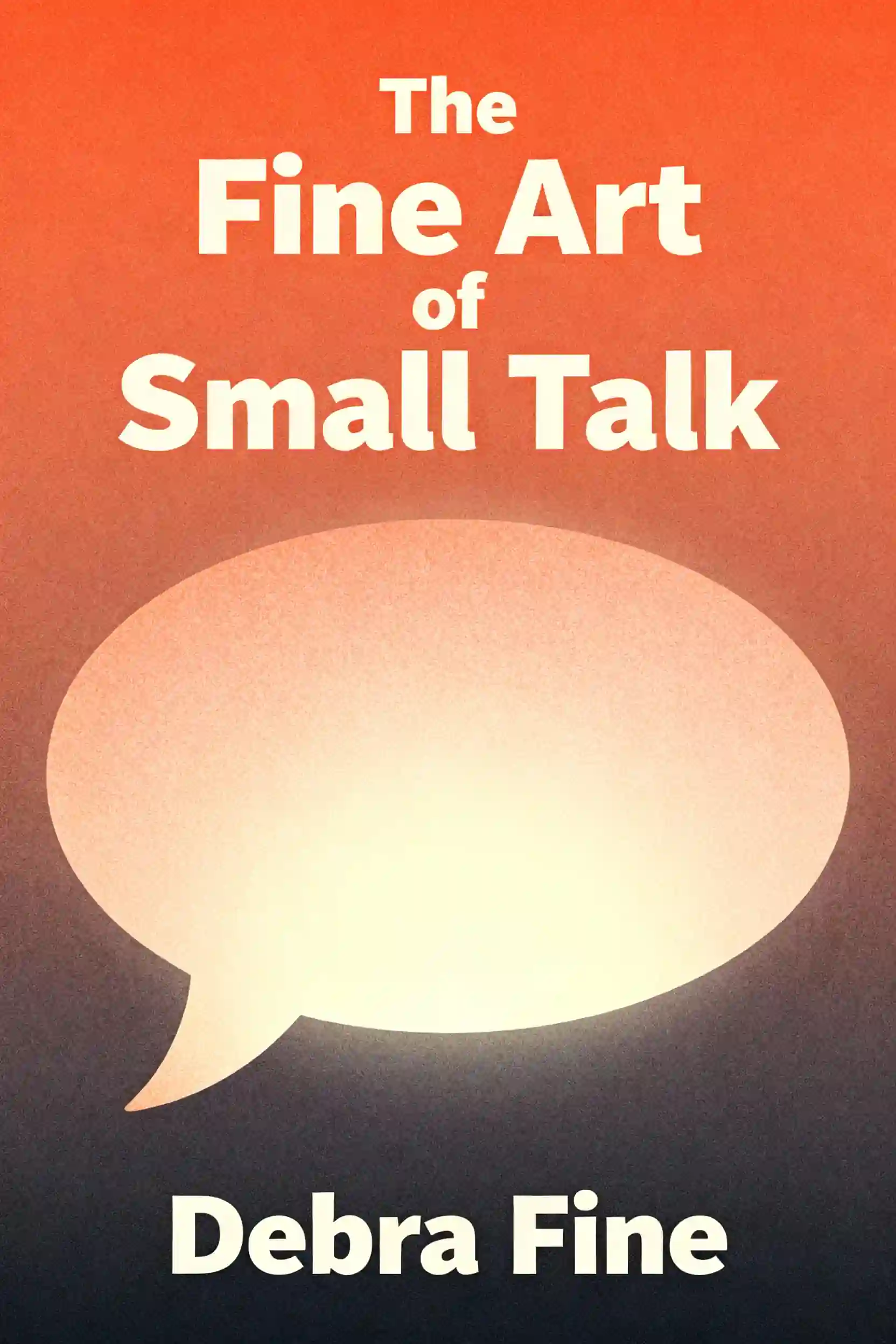
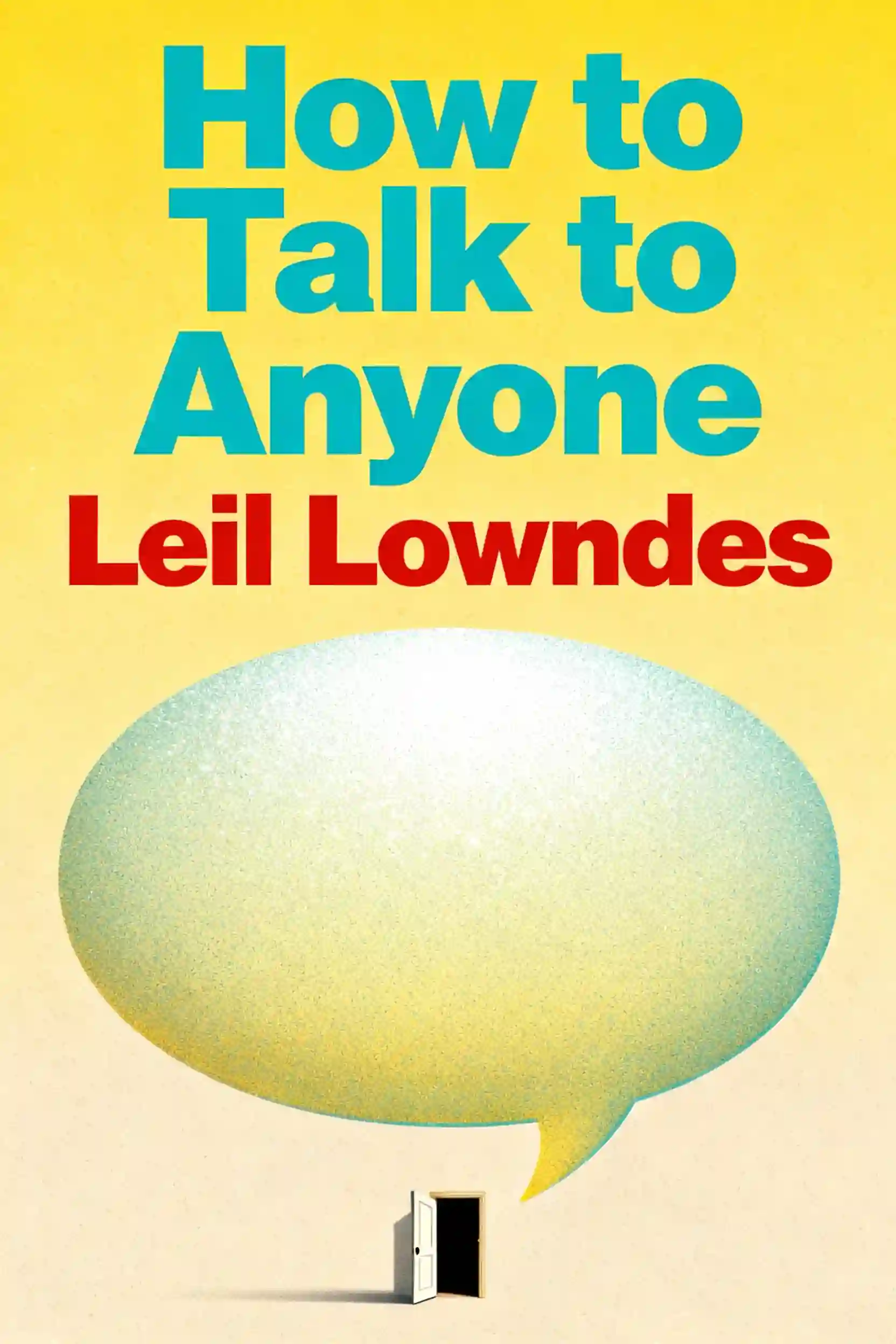
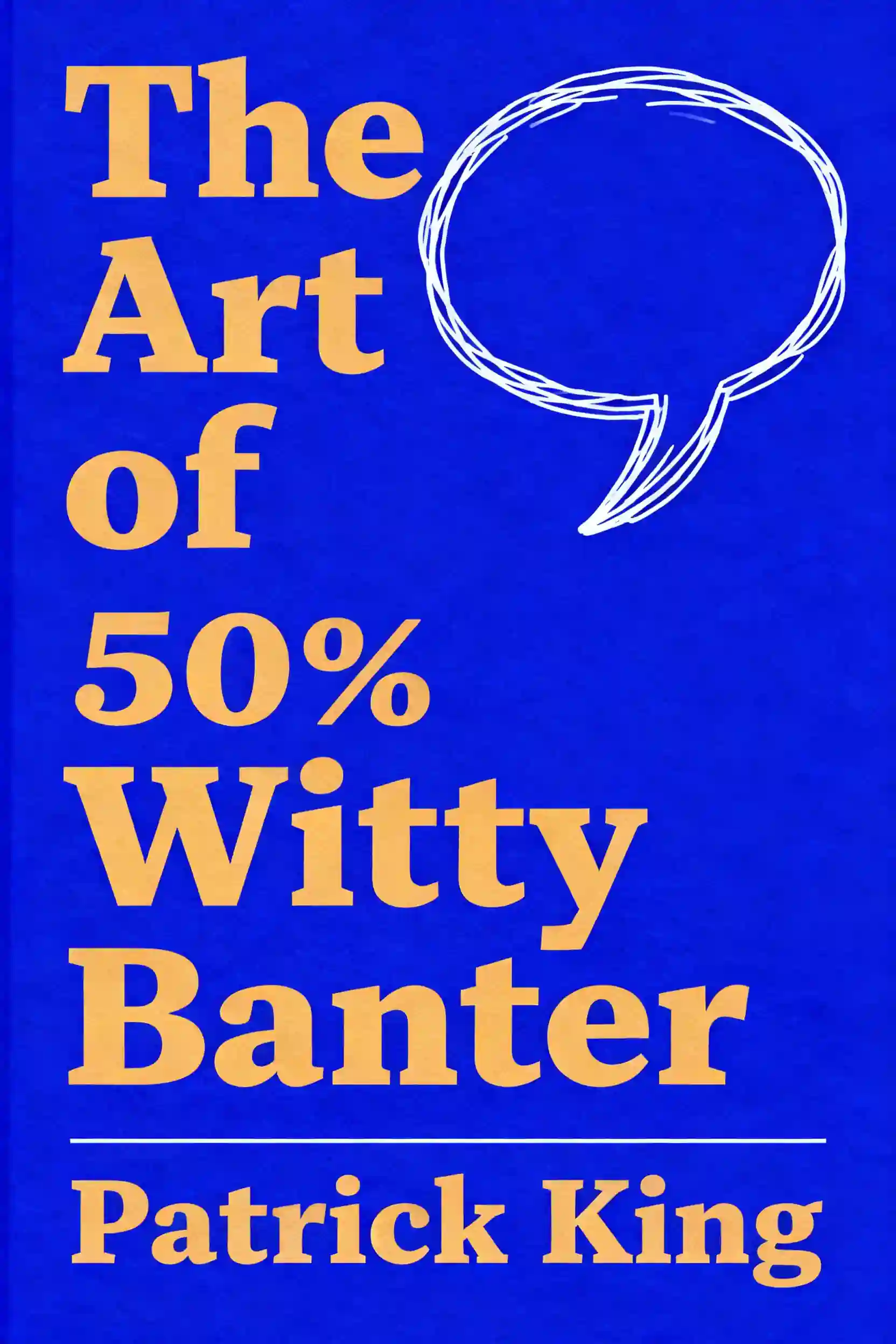
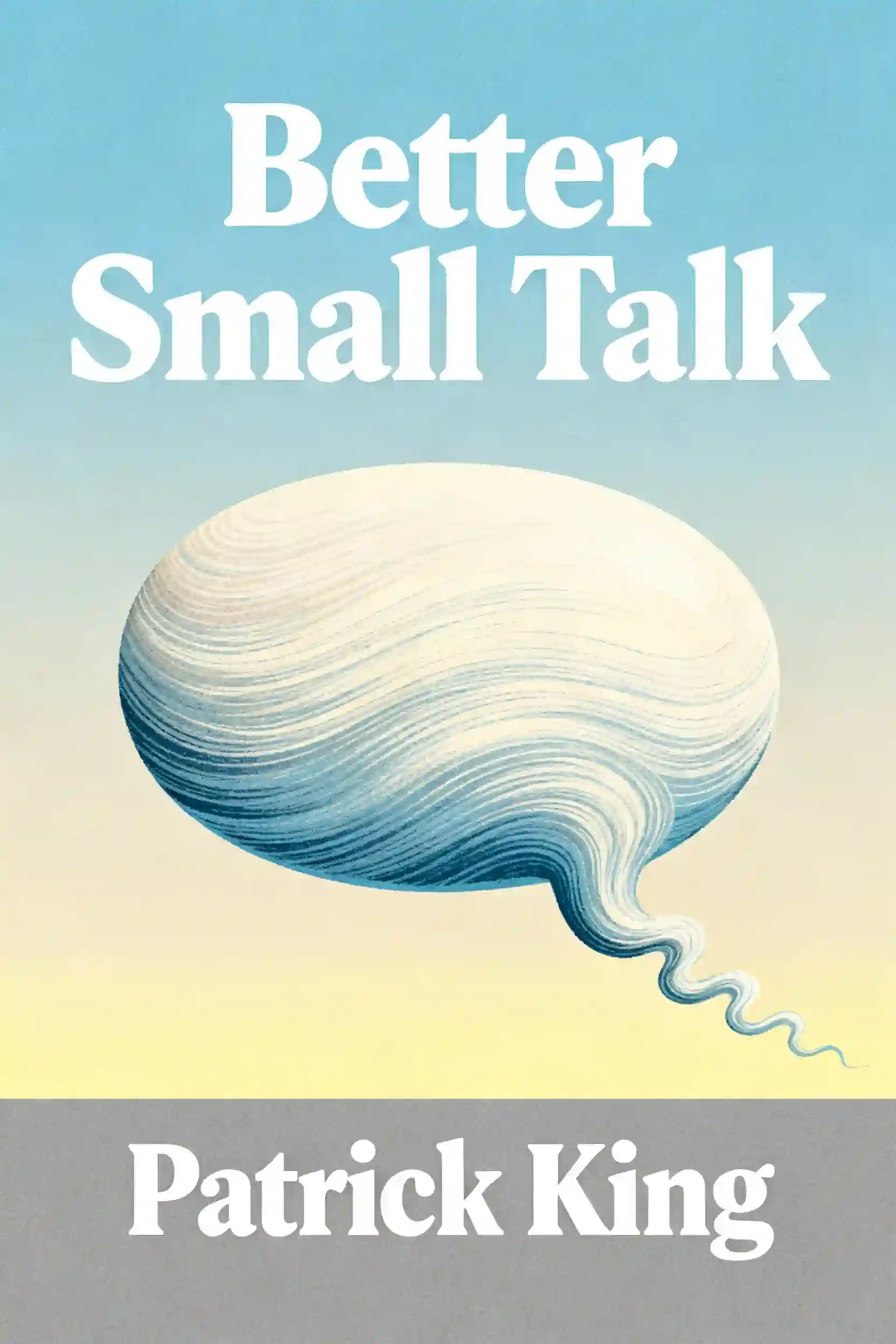
How to master small talk
Effective communication is the cornerstone of professional and personal success. This plan is ideal for professionals, introverts, or anyone looking to transform awkward social interactions into opportunities for meaningful influence and charisma.

How to improve communication skills
Effective communication is the cornerstone of professional success and personal fulfillment. This plan is designed for professionals and leaders who want to master everything from foundational listening to high-stakes persuasion and conflict resolution.
From Columbia University alumni built in San Francisco
"Instead of endless scrolling, I just hit play on BeFreed. It saves me so much time."


"I never knew where to start with nonfiction—BeFreed’s book lists turned into podcasts gave me a clear path."


"Perfect balance between learning and entertainment. Finished ‘Thinking, Fast and Slow’ on my commute this week."
"Crazy how much I learned while walking the dog. BeFreed = small habits → big gains."
"Reading used to feel like a chore. Now it’s just part of my lifestyle."

"Feels effortless compared to reading. I’ve finished 6 books this month already."
"BeFreed turned my guilty doomscrolling into something that feels productive and inspiring."

"BeFreed turned my commute into learning time. 20-min podcasts are perfect for finishing books I never had time for."
"BeFreed replaced my podcast queue. Imagine Spotify for books — that’s it. 🙌"

"It is great for me to learn something from the book without reading it."
"The themed book list podcasts help me connect ideas across authors—like a guided audio journey."
"Makes me feel smarter every time before going to work"
From Columbia University alumni built in San Francisco
"Instead of endless scrolling, I just hit play on BeFreed. It saves me so much time."
"I never knew where to start with nonfiction—BeFreed’s book lists turned into podcasts gave me a clear path."
"Perfect balance between learning and entertainment. Finished ‘Thinking, Fast and Slow’ on my commute this week."
"Crazy how much I learned while walking the dog. BeFreed = small habits → big gains."
"Reading used to feel like a chore. Now it’s just part of my lifestyle."
"Feels effortless compared to reading. I’ve finished 6 books this month already."
"BeFreed turned my guilty doomscrolling into something that feels productive and inspiring."
"BeFreed turned my commute into learning time. 20-min podcasts are perfect for finishing books I never had time for."
"BeFreed replaced my podcast queue. Imagine Spotify for books — that’s it. 🙌"
"It is great for me to learn something from the book without reading it."
"The themed book list podcasts help me connect ideas across authors—like a guided audio journey."
"Makes me feel smarter every time before going to work"
"Instead of endless scrolling, I just hit play on BeFreed. It saves me so much time."
"I never knew where to start with nonfiction—BeFreed’s book lists turned into podcasts gave me a clear path."
"Perfect balance between learning and entertainment. Finished ‘Thinking, Fast and Slow’ on my commute this week."
"Crazy how much I learned while walking the dog. BeFreed = small habits → big gains."
"Reading used to feel like a chore. Now it’s just part of my lifestyle."
"Feels effortless compared to reading. I’ve finished 6 books this month already."
"BeFreed turned my guilty doomscrolling into something that feels productive and inspiring."
"BeFreed turned my commute into learning time. 20-min podcasts are perfect for finishing books I never had time for."
"BeFreed replaced my podcast queue. Imagine Spotify for books — that’s it. 🙌"
"It is great for me to learn something from the book without reading it."
"The themed book list podcasts help me connect ideas across authors—like a guided audio journey."
"Makes me feel smarter every time before going to work"
"Instead of endless scrolling, I just hit play on BeFreed. It saves me so much time."
"I never knew where to start with nonfiction—BeFreed’s book lists turned into podcasts gave me a clear path."
"Perfect balance between learning and entertainment. Finished ‘Thinking, Fast and Slow’ on my commute this week."
"Crazy how much I learned while walking the dog. BeFreed = small habits → big gains."
"Reading used to feel like a chore. Now it’s just part of my lifestyle."
"Feels effortless compared to reading. I’ve finished 6 books this month already."
"BeFreed turned my guilty doomscrolling into something that feels productive and inspiring."
"BeFreed turned my commute into learning time. 20-min podcasts are perfect for finishing books I never had time for."
"BeFreed replaced my podcast queue. Imagine Spotify for books — that’s it. 🙌"
"It is great for me to learn something from the book without reading it."
"The themed book list podcasts help me connect ideas across authors—like a guided audio journey."
"Makes me feel smarter every time before going to work"