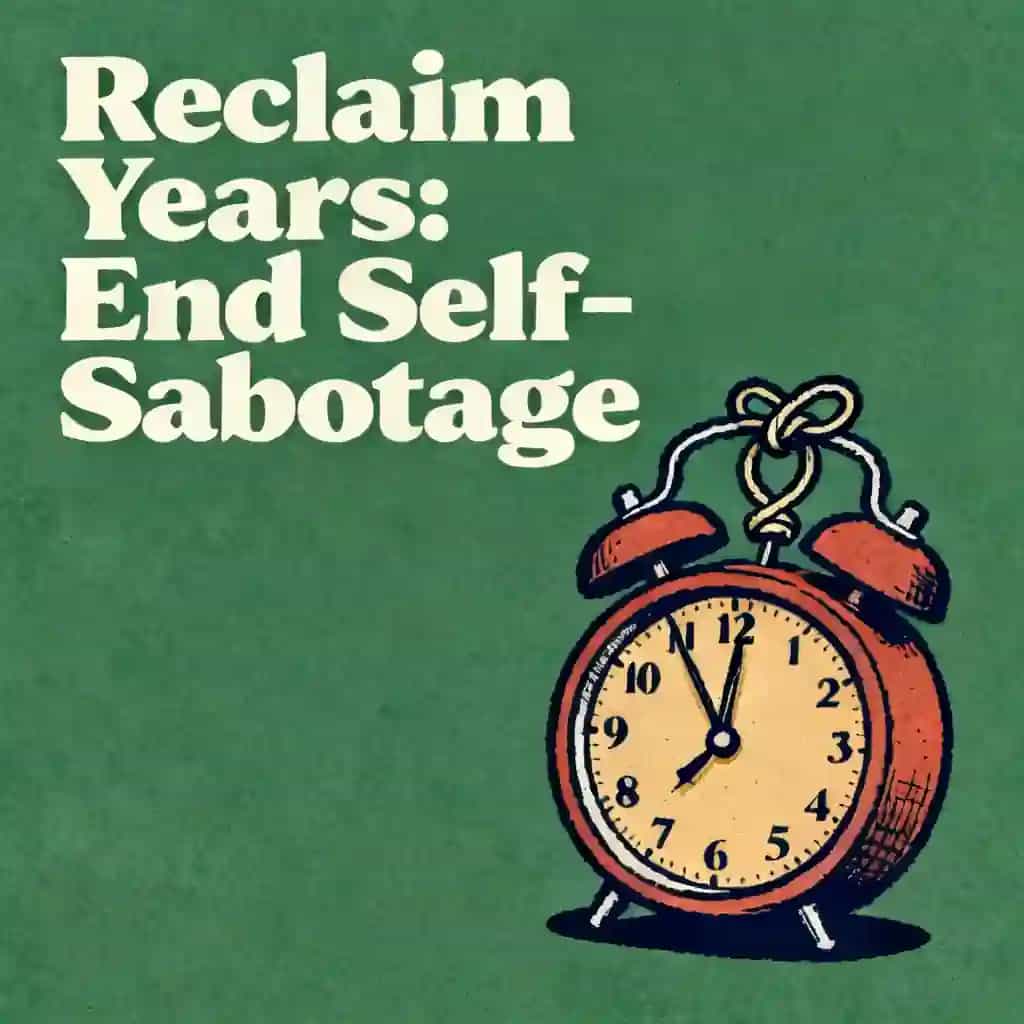
Stop Sabotaging Your Learning Potential, Jisong
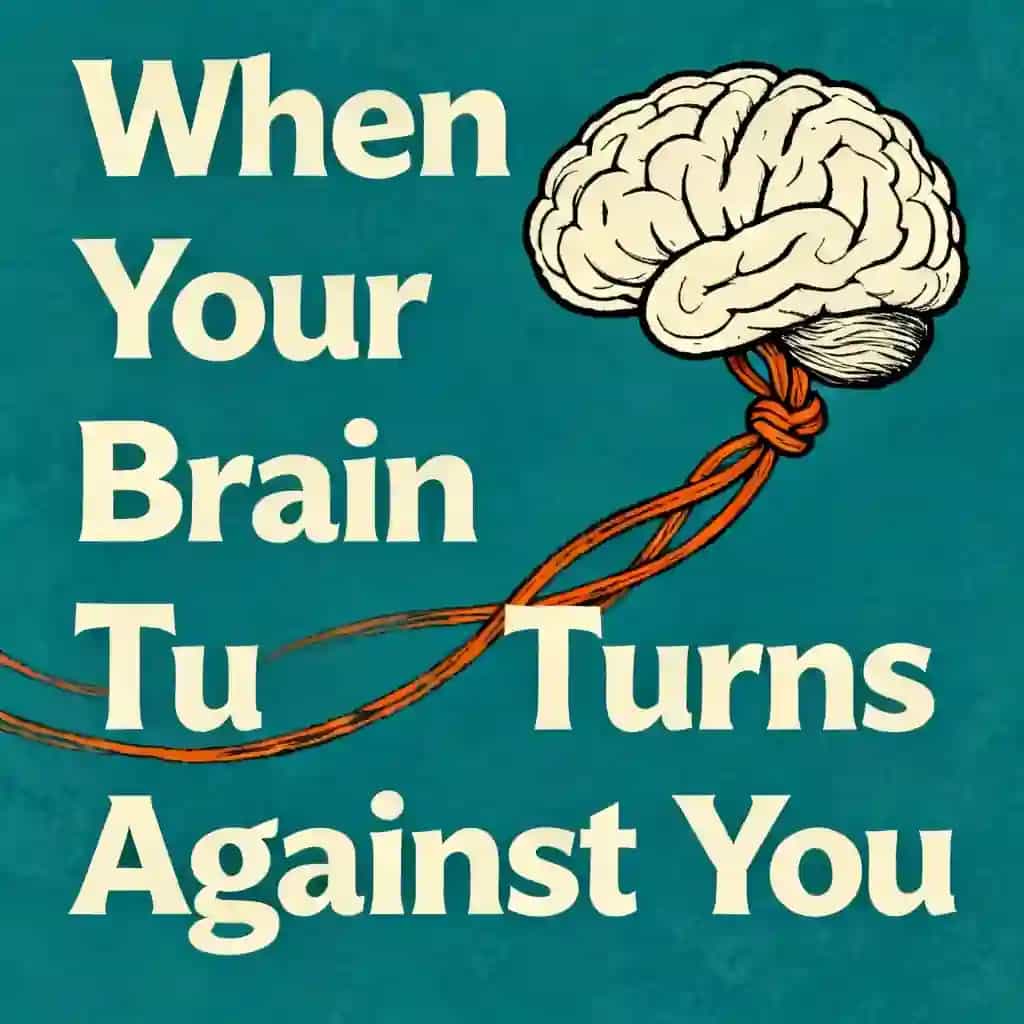
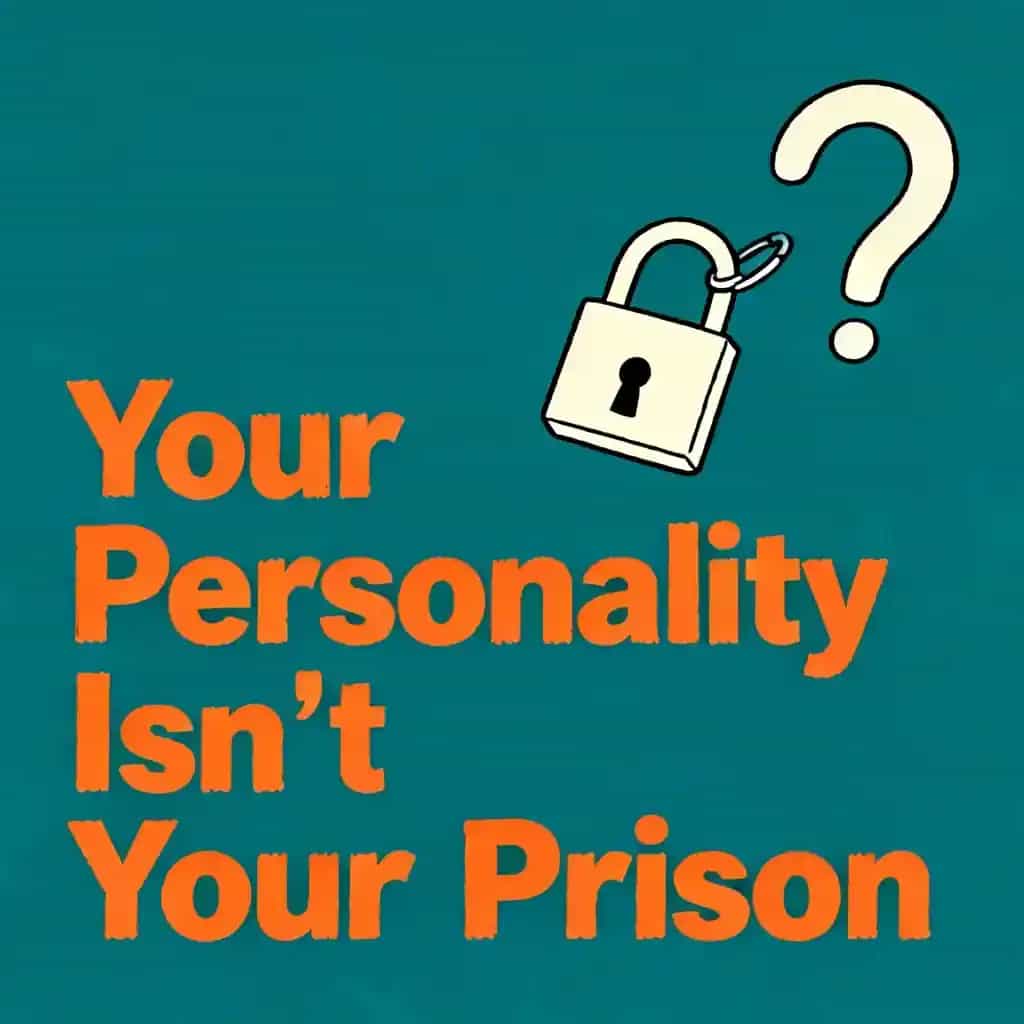
A brutal wake-up call exposing why your current learning methods are failing you. Time to face the uncomfortable truth about your personality-driven self-sabotage and build a system that actually works.

Best quote from Stop Sabotaging Your Learning Potential, Jisong
If your learning feels easy and comfortable, you're probably not learning—you're just reinforcing what you already know. Real learning requires 'desirable difficulties,' challenges that feel frustrating in the moment but create stronger, more durable neural connections.

This audio lesson was created by a BeFreed community member
topics tailored to Jisong's interests and learning goals

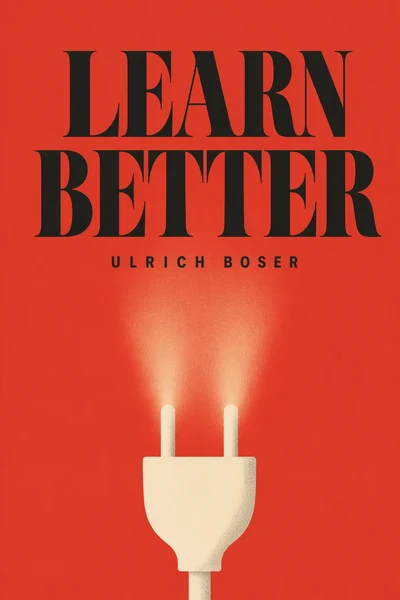
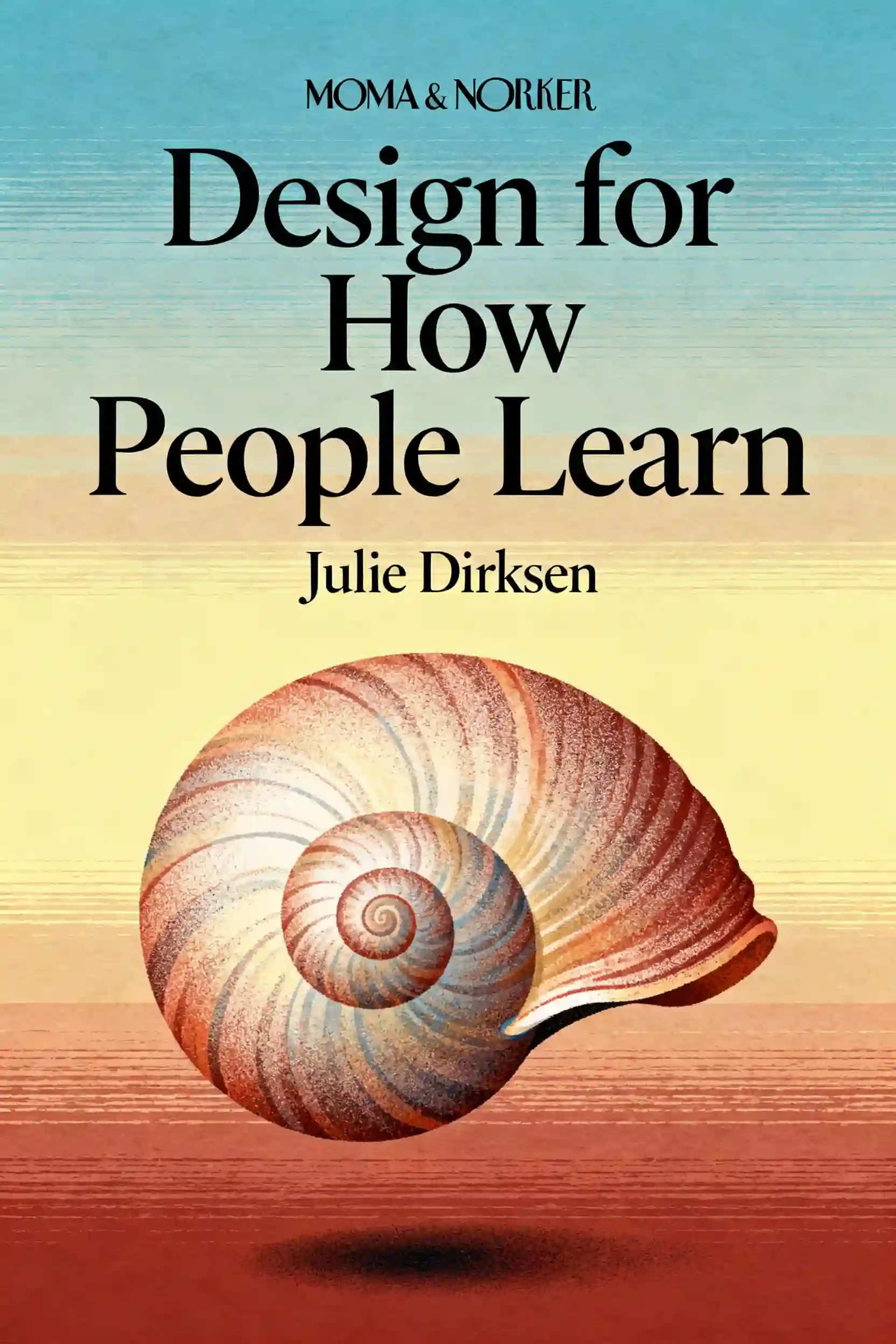
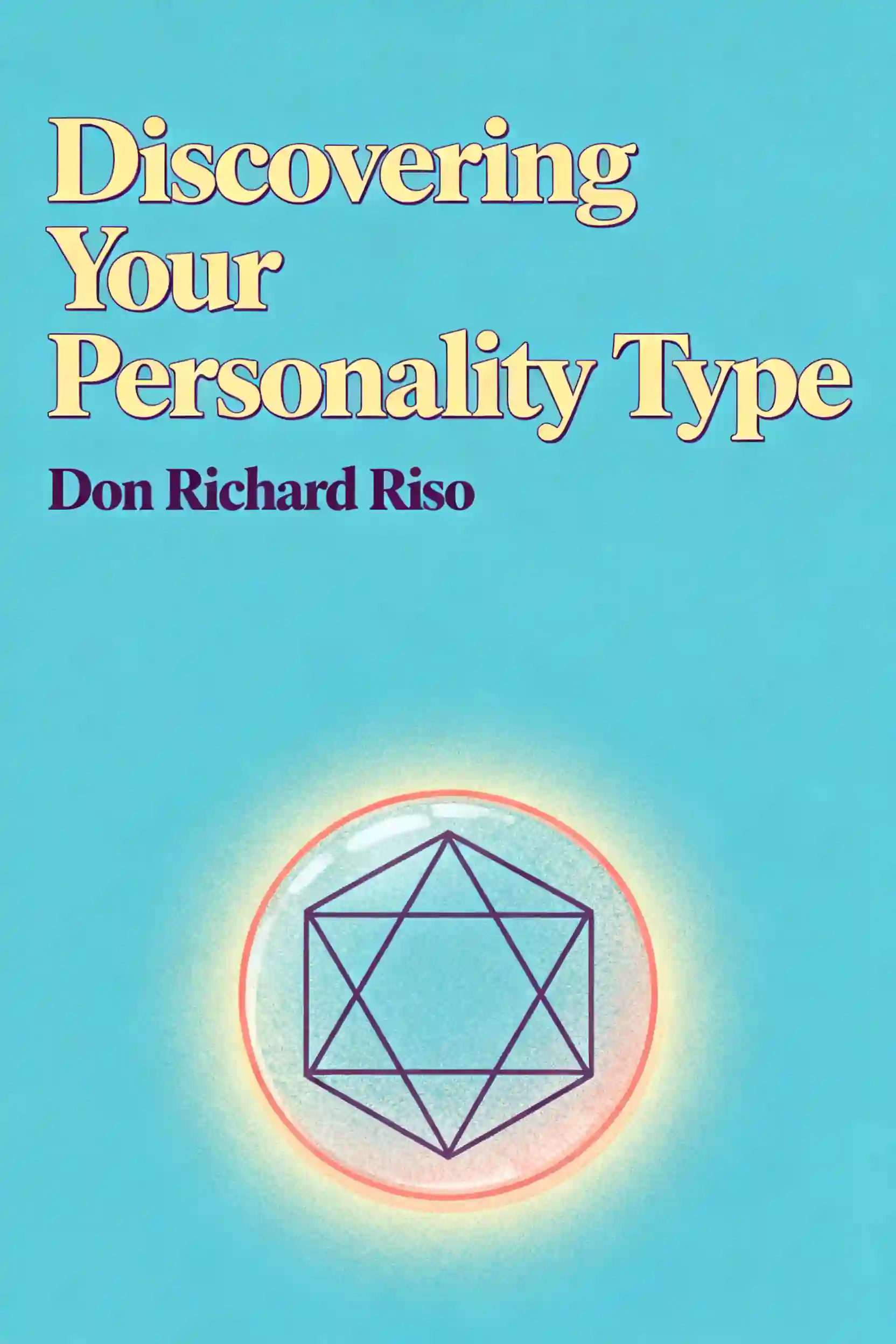
Discover more
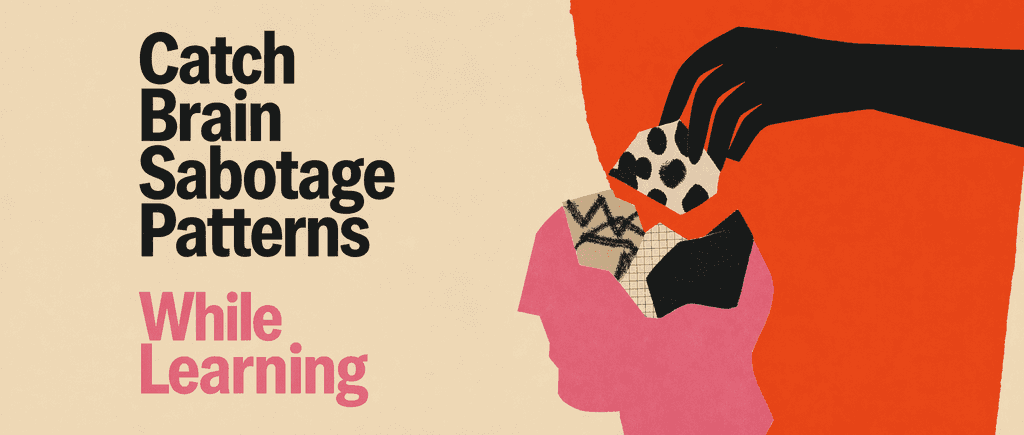
Catch brain sabotage patterns while learning
Many learners struggle with invisible mental barriers that stall their growth despite having the right resources. This plan is designed for students and professionals who want to master their psychology, dismantle perfectionism, and build a resilient system for rapid skill acquisition.

The Science of Self-Sabotage
This plan is essential for high-achievers and chronic caretakers who feel stuck in repetitive patterns of failure or burnout. It offers a deep dive into the neurobiology of behavior, making it ideal for anyone looking to reclaim control over their choices and mental well-being.

Building a Sustainable Learning System
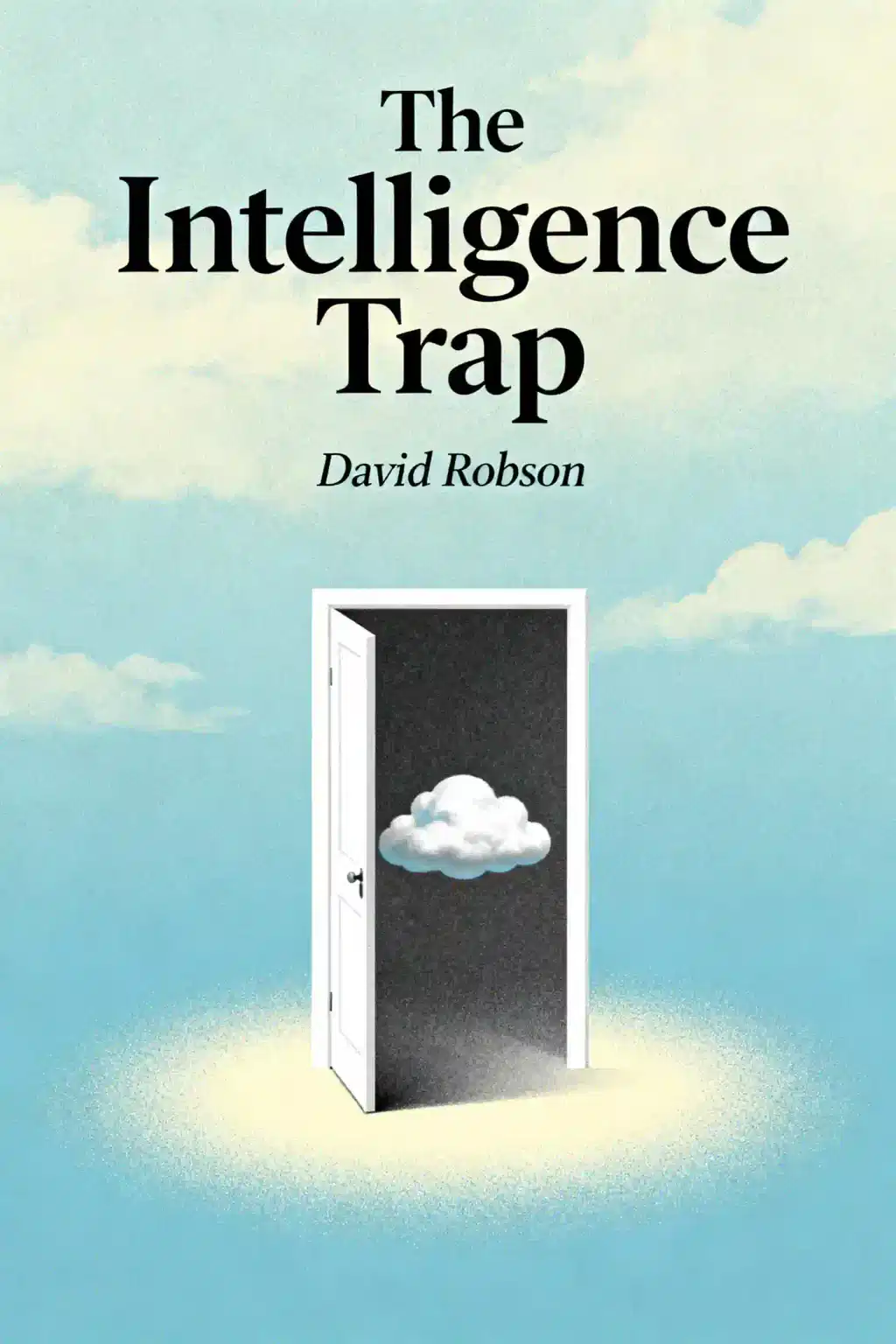
This plan is essential for professionals and students who feel overwhelmed by information and struggle with consistency. It provides a structured bridge between cognitive science and daily productivity, making it ideal for anyone looking to turn learning into a permanent competitive advantage.

How to study and learn
This plan bridges the gap between cognitive science and practical application for anyone looking to optimize their brain's potential. It is ideal for students, professionals, and lifelong learners who want to stop wasting time on ineffective habits and start mastering complex subjects faster.

Stop the Self-Punishment Cycle
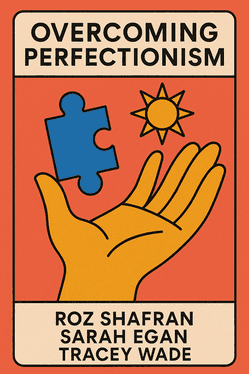
High achievers and perfectionists often fall into a trap where self-criticism becomes a barrier to progress rather than a motivator. This plan provides the tools to dismantle negative internal dialogues and build the resilience needed to face uncertainty without self-punishment.

Self-Mastery: Build Discipline & End Escapism
In an era of constant digital distraction, mastering self-regulation is the ultimate competitive advantage. This plan is designed for professionals and students who feel stuck in cycles of procrastination and want to build the psychological framework necessary for long-term success.

Self-Improvement: Time Management & Knowledge
In an era of constant distraction, the ability to manage your energy and master new skills rapidly is the ultimate competitive advantage. This plan is designed for professionals and lifelong learners who want to replace burnout with a systematic approach to productivity and knowledge retention.

Overcome Self Doubt
Self-doubt affects nearly everyone, limiting potential and preventing many from pursuing goals and opportunities. This learning plan provides practical tools to recognize limiting beliefs, develop self-compassion, and build authentic confidence that transforms how you approach challenges.
From Columbia University alumni built in San Francisco
"Instead of endless scrolling, I just hit play on BeFreed. It saves me so much time."


"I never knew where to start with nonfiction—BeFreed’s book lists turned into podcasts gave me a clear path."


"Perfect balance between learning and entertainment. Finished ‘Thinking, Fast and Slow’ on my commute this week."
"Crazy how much I learned while walking the dog. BeFreed = small habits → big gains."
"Reading used to feel like a chore. Now it’s just part of my lifestyle."

"Feels effortless compared to reading. I’ve finished 6 books this month already."
"BeFreed turned my guilty doomscrolling into something that feels productive and inspiring."

"BeFreed turned my commute into learning time. 20-min podcasts are perfect for finishing books I never had time for."
"BeFreed replaced my podcast queue. Imagine Spotify for books — that’s it. 🙌"

"It is great for me to learn something from the book without reading it."
"The themed book list podcasts help me connect ideas across authors—like a guided audio journey."
"Makes me feel smarter every time before going to work"
From Columbia University alumni built in San Francisco
"Instead of endless scrolling, I just hit play on BeFreed. It saves me so much time."
"I never knew where to start with nonfiction—BeFreed’s book lists turned into podcasts gave me a clear path."
"Perfect balance between learning and entertainment. Finished ‘Thinking, Fast and Slow’ on my commute this week."
"Crazy how much I learned while walking the dog. BeFreed = small habits → big gains."
"Reading used to feel like a chore. Now it’s just part of my lifestyle."
"Feels effortless compared to reading. I’ve finished 6 books this month already."
"BeFreed turned my guilty doomscrolling into something that feels productive and inspiring."
"BeFreed turned my commute into learning time. 20-min podcasts are perfect for finishing books I never had time for."
"BeFreed replaced my podcast queue. Imagine Spotify for books — that’s it. 🙌"
"It is great for me to learn something from the book without reading it."
"The themed book list podcasts help me connect ideas across authors—like a guided audio journey."
"Makes me feel smarter every time before going to work"
"Instead of endless scrolling, I just hit play on BeFreed. It saves me so much time."
"I never knew where to start with nonfiction—BeFreed’s book lists turned into podcasts gave me a clear path."
"Perfect balance between learning and entertainment. Finished ‘Thinking, Fast and Slow’ on my commute this week."
"Crazy how much I learned while walking the dog. BeFreed = small habits → big gains."
"Reading used to feel like a chore. Now it’s just part of my lifestyle."
"Feels effortless compared to reading. I’ve finished 6 books this month already."
"BeFreed turned my guilty doomscrolling into something that feels productive and inspiring."
"BeFreed turned my commute into learning time. 20-min podcasts are perfect for finishing books I never had time for."
"BeFreed replaced my podcast queue. Imagine Spotify for books — that’s it. 🙌"
"It is great for me to learn something from the book without reading it."
"The themed book list podcasts help me connect ideas across authors—like a guided audio journey."
"Makes me feel smarter every time before going to work"
"Instead of endless scrolling, I just hit play on BeFreed. It saves me so much time."
"I never knew where to start with nonfiction—BeFreed’s book lists turned into podcasts gave me a clear path."
"Perfect balance between learning and entertainment. Finished ‘Thinking, Fast and Slow’ on my commute this week."
"Crazy how much I learned while walking the dog. BeFreed = small habits → big gains."
"Reading used to feel like a chore. Now it’s just part of my lifestyle."
"Feels effortless compared to reading. I’ve finished 6 books this month already."
"BeFreed turned my guilty doomscrolling into something that feels productive and inspiring."
"BeFreed turned my commute into learning time. 20-min podcasts are perfect for finishing books I never had time for."
"BeFreed replaced my podcast queue. Imagine Spotify for books — that’s it. 🙌"
"It is great for me to learn something from the book without reading it."
"The themed book list podcasts help me connect ideas across authors—like a guided audio journey."
"Makes me feel smarter every time before going to work"