Stop Making Excuses: Master Your Stress Response
Lena and Eli demolish your pathetic stress management myths while revealing how heart rate variability exposes your nervous system's true state. Learn the science-backed breathing techniques and HRV training that separate high performers from chronic stress victims.

Best quote from Stop Making Excuses: Master Your Stress Response
Stress is like electricity: dangerous if it's uncontrolled, but absolutely essential when it's properly channeled. Heart rate variability is the steering wheel to your own stress response, allowing you to train your nervous system to stay regulated under pressure.

This audio lesson was created by a BeFreed community member
the importance of HRV as a stress metric and ways to improve it for better health





Discover more

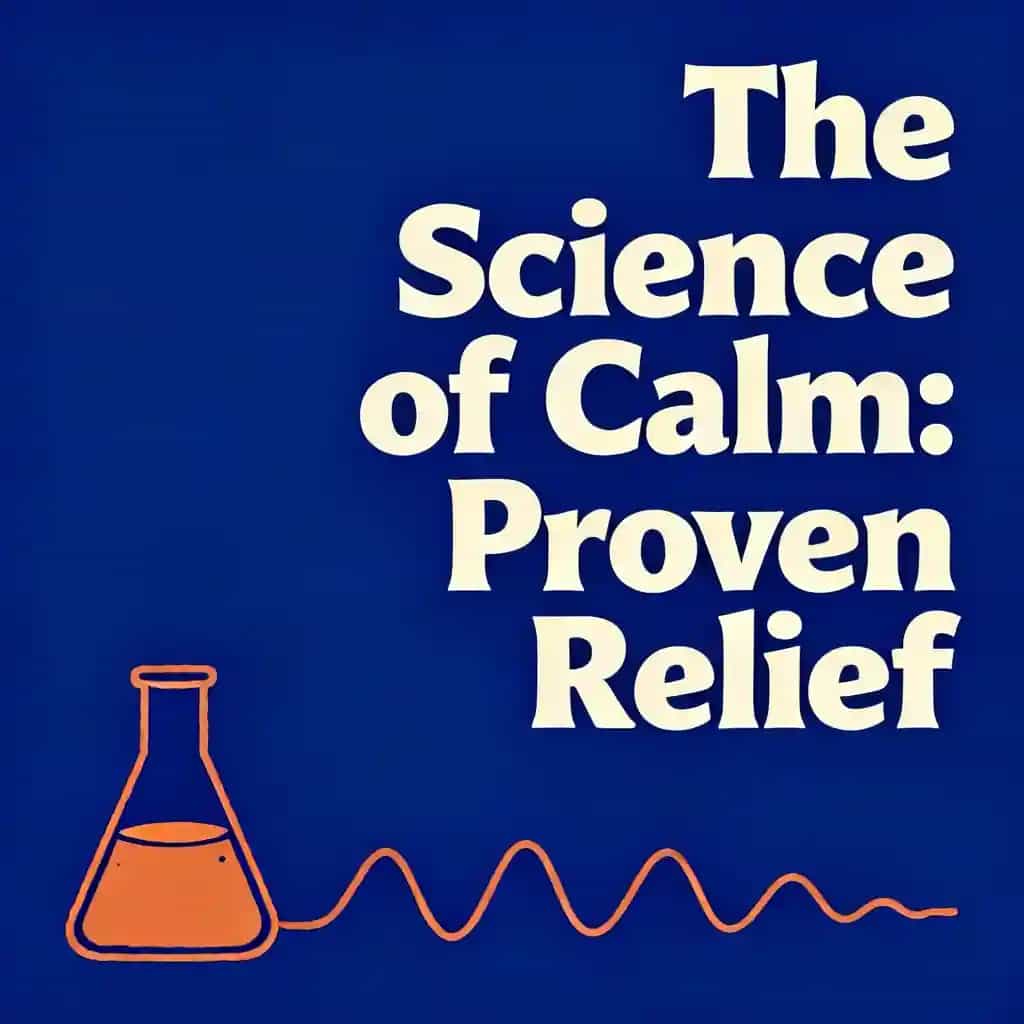
The Science of Inner Peace
In an era of constant burnout, understanding the biological mechanics of stress is essential for mental longevity. This plan is designed for high-pressure professionals and individuals seeking to transform their reactive emotional patterns into a proactive state of calm and steady confidence.

Hear Your Body Speak
This plan is essential for anyone feeling overwhelmed by stress or reactive behaviors. It offers a practical path to emotional intelligence by bridging the gap between physical cues and conscious choice.

Stay Calm Under Pressure
In today's high-stress world, the ability to maintain composure is a critical life skill for personal and professional success. This plan is designed for anyone feeling overwhelmed by daily friction who wants to master somatic resets and de-escalation strategies to protect their long-term mental well-being.

The Science of Unshakable Composure
In today’s high-pressure work environments, the ability to remain calm under fire is a critical competitive advantage. This plan is designed for professionals and leaders who need to master their physiological responses to stress and maintain peak performance during challenging dynamics.

Regulate Your Nervous System Daily
In an era of constant stress, understanding your biological response is the key to mental well-being. This plan is designed for high-achievers and anyone prone to burnout who needs practical, science-based tools to regain emotional control.

Find stress relief resources
Chronic stress affects millions, leading to burnout, anxiety, and health issues. This learning plan equips anyone feeling overwhelmed—whether from work pressure, life transitions, or daily demands—with science-backed strategies to find immediate relief and build lasting resilience.

Stoic Grit for Modern Stress
In an era of constant digital noise and uncertainty, emotional resilience is a vital survival skill. This plan is designed for professionals and high-achievers looking to apply ancient Stoic wisdom to modern workplace and personal stressors.

Stop the Spiral
This plan is essential for high-performers and individuals prone to burnout who struggle with overwhelming stress responses. It provides a practical roadmap for moving from reactive emotional states to proactive mental management and long-term stability.
From Columbia University alumni built in San Francisco
"Instead of endless scrolling, I just hit play on BeFreed. It saves me so much time."


"I never knew where to start with nonfiction—BeFreed’s book lists turned into podcasts gave me a clear path."


"Perfect balance between learning and entertainment. Finished ‘Thinking, Fast and Slow’ on my commute this week."
"Crazy how much I learned while walking the dog. BeFreed = small habits → big gains."
"Reading used to feel like a chore. Now it’s just part of my lifestyle."

"Feels effortless compared to reading. I’ve finished 6 books this month already."
"BeFreed turned my guilty doomscrolling into something that feels productive and inspiring."

"BeFreed turned my commute into learning time. 20-min podcasts are perfect for finishing books I never had time for."
"BeFreed replaced my podcast queue. Imagine Spotify for books — that’s it. 🙌"

"It is great for me to learn something from the book without reading it."
"The themed book list podcasts help me connect ideas across authors—like a guided audio journey."
"Makes me feel smarter every time before going to work"
From Columbia University alumni built in San Francisco
"Instead of endless scrolling, I just hit play on BeFreed. It saves me so much time."
"I never knew where to start with nonfiction—BeFreed’s book lists turned into podcasts gave me a clear path."
"Perfect balance between learning and entertainment. Finished ‘Thinking, Fast and Slow’ on my commute this week."
"Crazy how much I learned while walking the dog. BeFreed = small habits → big gains."
"Reading used to feel like a chore. Now it’s just part of my lifestyle."
"Feels effortless compared to reading. I’ve finished 6 books this month already."
"BeFreed turned my guilty doomscrolling into something that feels productive and inspiring."
"BeFreed turned my commute into learning time. 20-min podcasts are perfect for finishing books I never had time for."
"BeFreed replaced my podcast queue. Imagine Spotify for books — that’s it. 🙌"
"It is great for me to learn something from the book without reading it."
"The themed book list podcasts help me connect ideas across authors—like a guided audio journey."
"Makes me feel smarter every time before going to work"
"Instead of endless scrolling, I just hit play on BeFreed. It saves me so much time."
"I never knew where to start with nonfiction—BeFreed’s book lists turned into podcasts gave me a clear path."
"Perfect balance between learning and entertainment. Finished ‘Thinking, Fast and Slow’ on my commute this week."
"Crazy how much I learned while walking the dog. BeFreed = small habits → big gains."
"Reading used to feel like a chore. Now it’s just part of my lifestyle."
"Feels effortless compared to reading. I’ve finished 6 books this month already."
"BeFreed turned my guilty doomscrolling into something that feels productive and inspiring."
"BeFreed turned my commute into learning time. 20-min podcasts are perfect for finishing books I never had time for."
"BeFreed replaced my podcast queue. Imagine Spotify for books — that’s it. 🙌"
"It is great for me to learn something from the book without reading it."
"The themed book list podcasts help me connect ideas across authors—like a guided audio journey."
"Makes me feel smarter every time before going to work"
"Instead of endless scrolling, I just hit play on BeFreed. It saves me so much time."
"I never knew where to start with nonfiction—BeFreed’s book lists turned into podcasts gave me a clear path."
"Perfect balance between learning and entertainment. Finished ‘Thinking, Fast and Slow’ on my commute this week."
"Crazy how much I learned while walking the dog. BeFreed = small habits → big gains."
"Reading used to feel like a chore. Now it’s just part of my lifestyle."
"Feels effortless compared to reading. I’ve finished 6 books this month already."
"BeFreed turned my guilty doomscrolling into something that feels productive and inspiring."
"BeFreed turned my commute into learning time. 20-min podcasts are perfect for finishing books I never had time for."
"BeFreed replaced my podcast queue. Imagine Spotify for books — that’s it. 🙌"
"It is great for me to learn something from the book without reading it."
"The themed book list podcasts help me connect ideas across authors—like a guided audio journey."
"Makes me feel smarter every time before going to work"