Selling new homes requires more persistence than you think
Most sales fall through because follow-ups stop too soon. Learn a seven-step framework to remove buyer friction and guide clients to their dream home.

Best quote from Selling new homes requires more persistence than you think
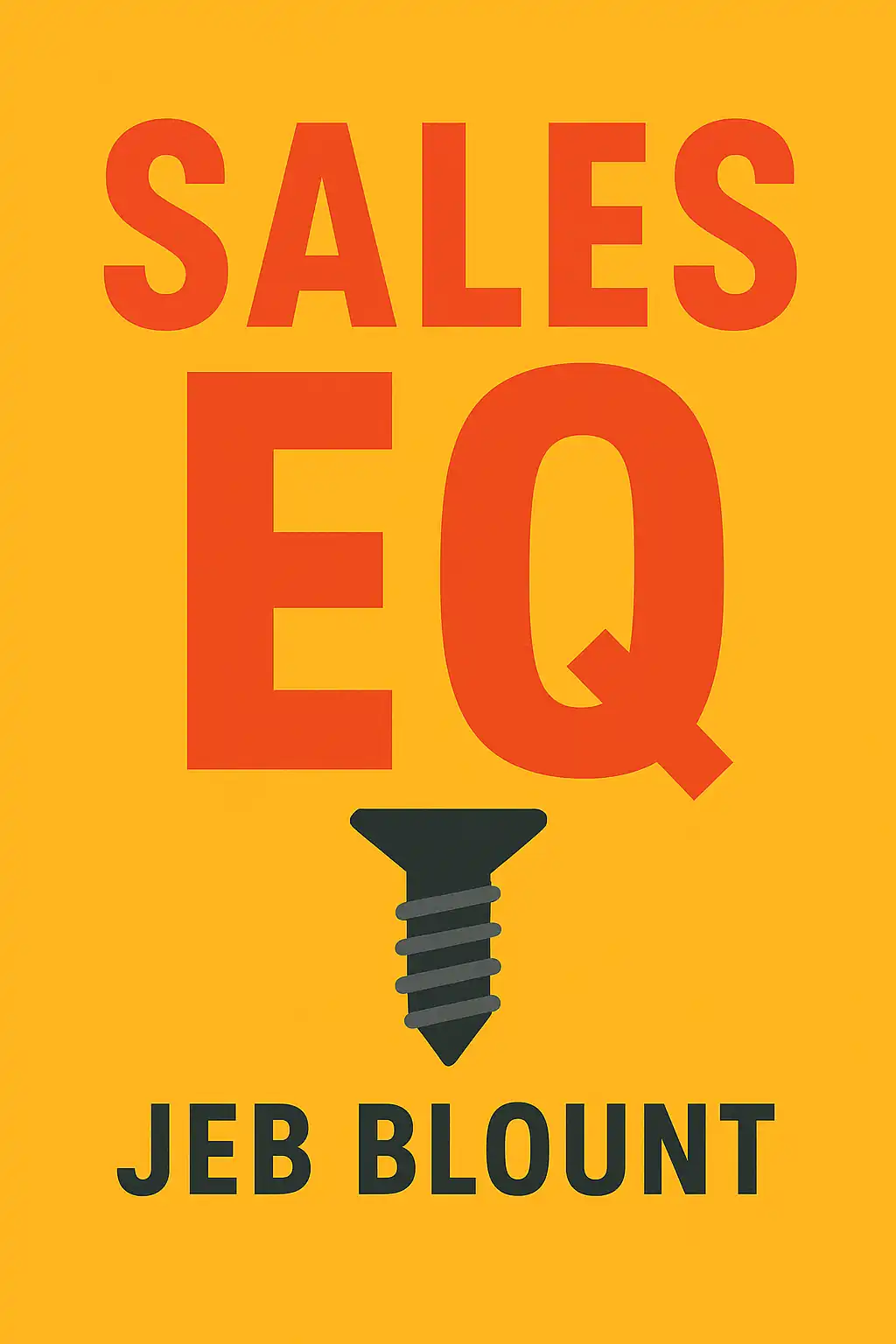
You’re not trying to push them over a line they don’t want to cross—you’re trying to clear the rocks off the path they’re already walking.
Generated by Meka
Selling new construction home how to get the sale and help people with the dream of owning a new home

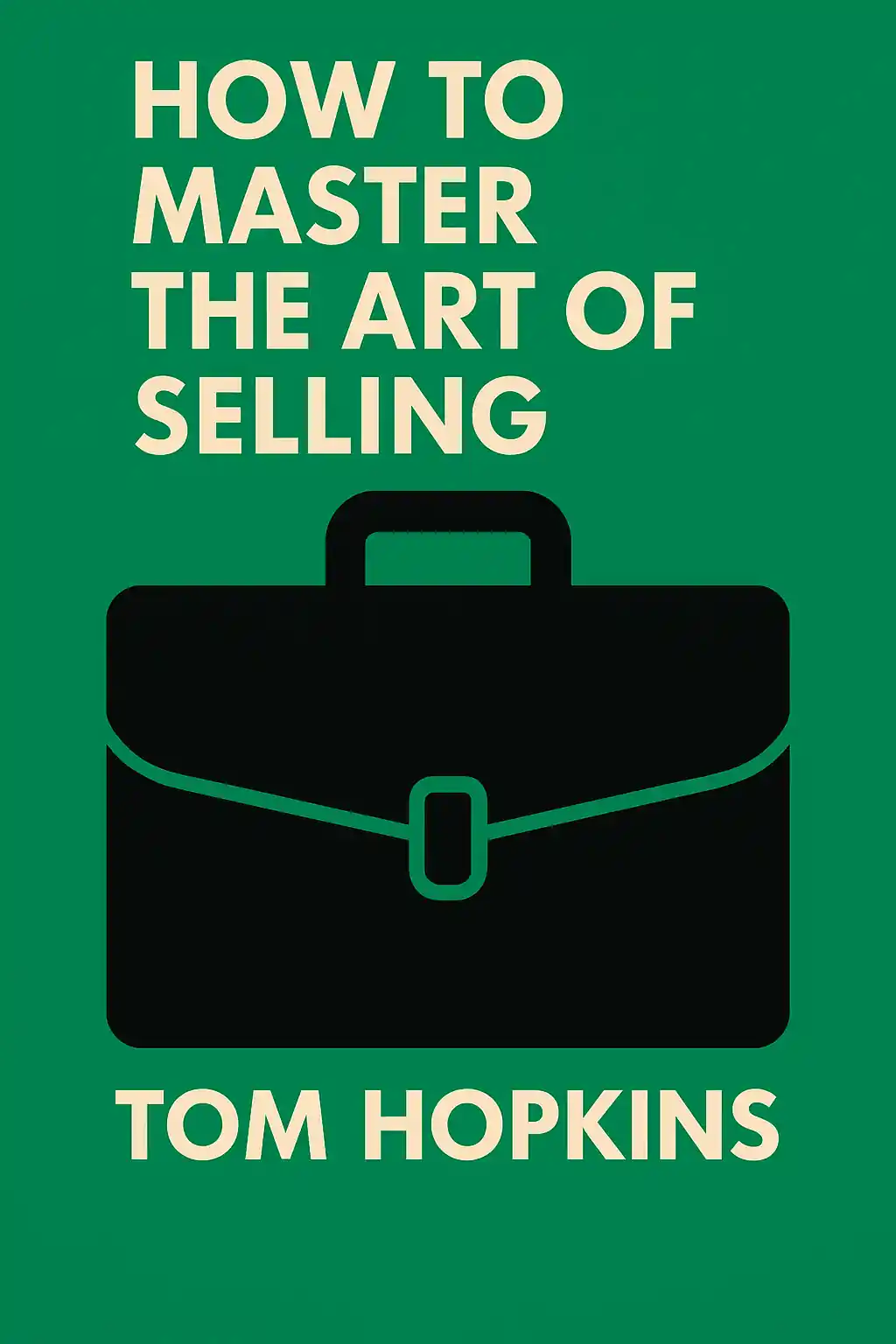
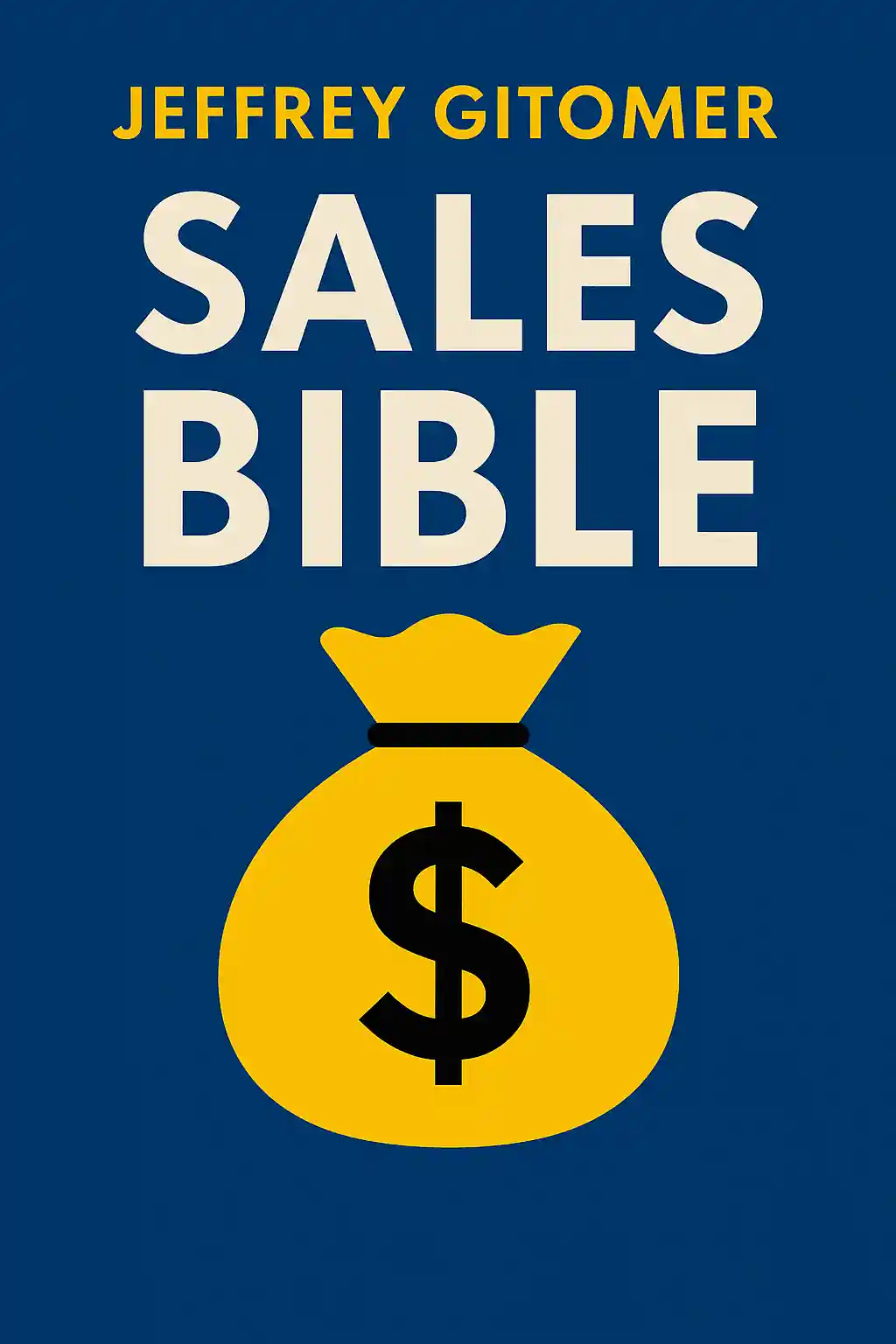
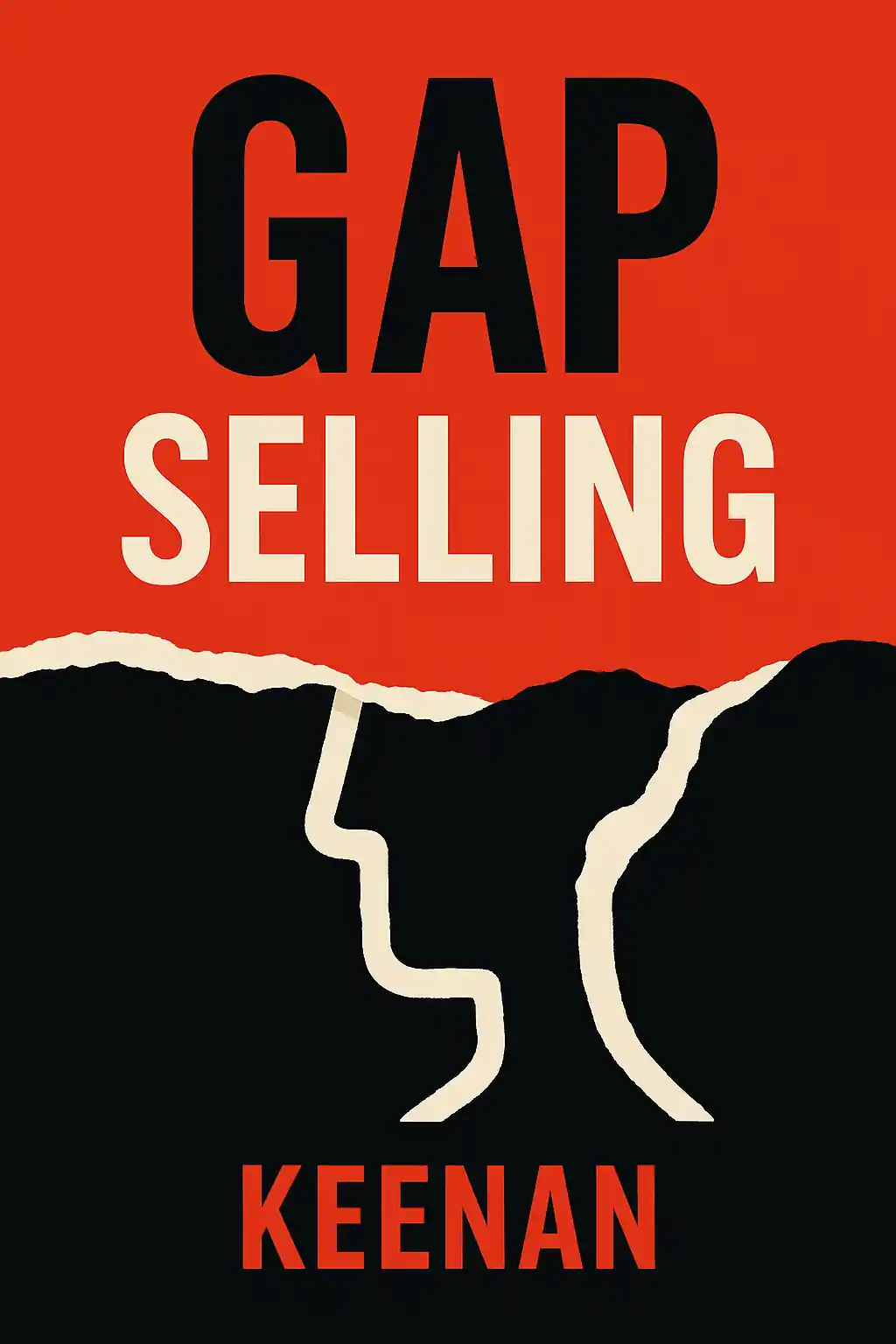
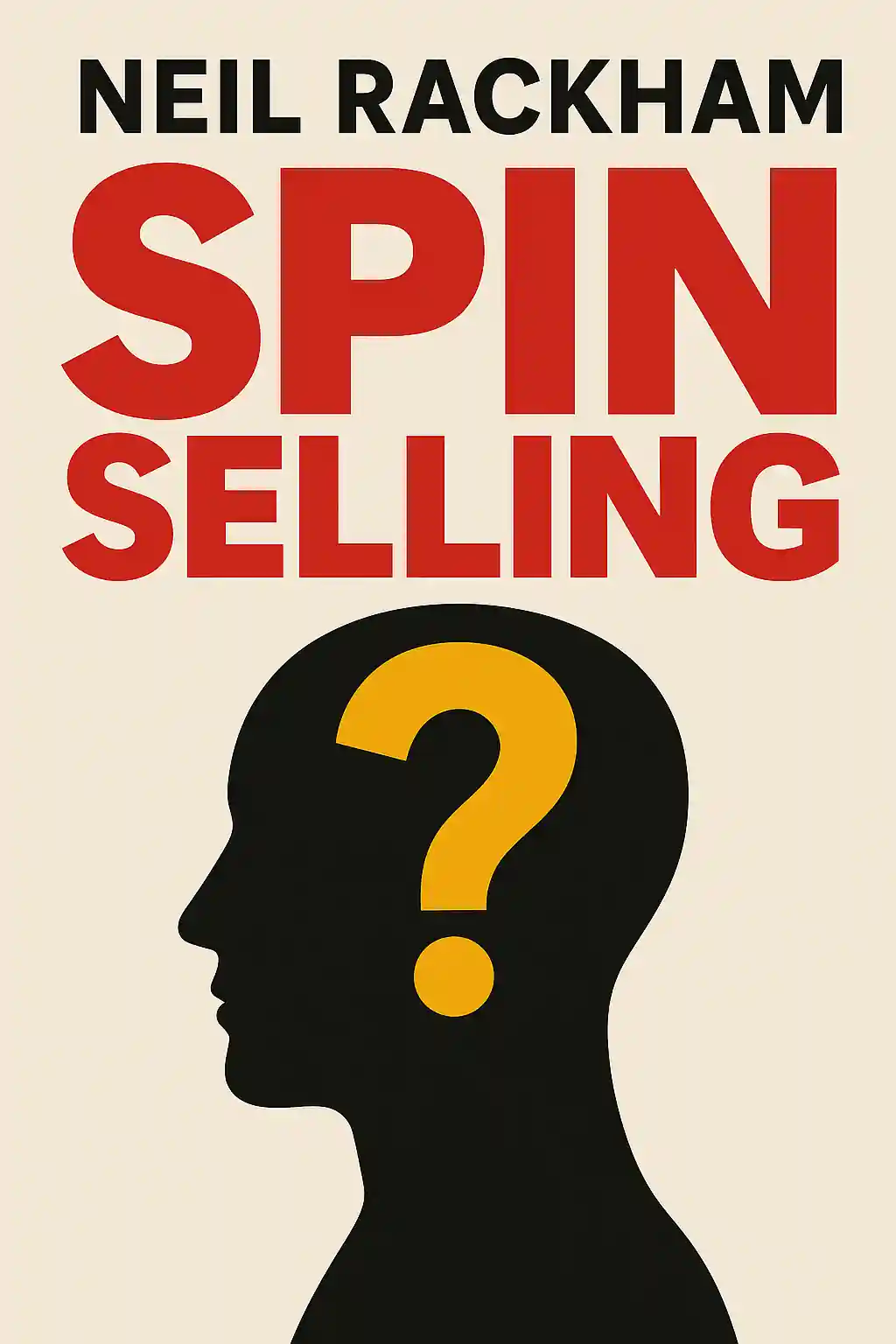
Frequently Asked Questions
Data shows that eighty percent of new home sales require at least five follow-up contacts to close, yet nearly half of all salespeople give up after the very first attempt. Because the decision cycle for a new home typically lasts between six and twelve months, consistent communication is essential. Salespeople who stop after only two or three calls essentially hand their commissions to the small percentage of builders who are willing to stay engaged throughout the buyer's long-term journey.
The modern real estate market in 2026 has moved away from high-pressure "always be closing" tactics because savvy buyers can sense aggressive sales maneuvers immediately. Instead, successful builders focus on removing friction—the "rocks on the path"—that prevents a buyer from moving forward. This involves speeding up response times, as nearly eighty percent of buyers choose the builder who responds first, and shifting from "pitching" features to "questioning" to understand the buyer's desired life outcomes.
A professional discovery session should last twenty to thirty minutes and consist almost entirely of open-ended questions rather than a sales pitch. Instead of asking for basic specs like bedroom counts, a "guide" asks about the motivations behind the move and what would make a home perfect for the family. This phase is also used to identify the full "decision circle," noting that women influence eighty-five percent of home-buying decisions, and to proactively surface "ghosts" or fears regarding budgets and construction timelines.
The assumptive close is a technique that shifts the conversation from the "if" of buying to the "when" of starting. Rather than asking a terrifying, high-pressure question like "Do you want to buy this house?", the salesperson assumes the buyer wants to move forward based on the previous discovery and asks about the next logical step. Examples include asking which day works best for a design consultation or a homesite walk, which helps the buyer manage the weight of a large decision by breaking it into smaller, actionable tasks.
In 2026, buyers are highly sensitive to "fake" urgency, so any call to action must be grounded in real-world constraints. Builders can create honest urgency by highlighting limited lot availability, upcoming material cost increases, or expiring financial incentives like interest rate buydowns. By tying the timeline to the buyer’s personal milestones—such as moving in before a new school year starts—the salesperson acts as a helpful consultant showing the "cost of waiting" rather than a high-pressure closer.
From Columbia University alumni built in San Francisco
"Instead of endless scrolling, I just hit play on BeFreed. It saves me so much time."


"I never knew where to start with nonfiction—BeFreed’s book lists turned into podcasts gave me a clear path."


"Perfect balance between learning and entertainment. Finished ‘Thinking, Fast and Slow’ on my commute this week."
"Crazy how much I learned while walking the dog. BeFreed = small habits → big gains."
"Reading used to feel like a chore. Now it’s just part of my lifestyle."

"Feels effortless compared to reading. I’ve finished 6 books this month already."
"BeFreed turned my guilty doomscrolling into something that feels productive and inspiring."

"BeFreed turned my commute into learning time. 20-min podcasts are perfect for finishing books I never had time for."
"BeFreed replaced my podcast queue. Imagine Spotify for books — that’s it. 🙌"

"It is great for me to learn something from the book without reading it."
"The themed book list podcasts help me connect ideas across authors—like a guided audio journey."
"Makes me feel smarter every time before going to work"
From Columbia University alumni built in San Francisco
"Instead of endless scrolling, I just hit play on BeFreed. It saves me so much time."
"I never knew where to start with nonfiction—BeFreed’s book lists turned into podcasts gave me a clear path."
"Perfect balance between learning and entertainment. Finished ‘Thinking, Fast and Slow’ on my commute this week."
"Crazy how much I learned while walking the dog. BeFreed = small habits → big gains."
"Reading used to feel like a chore. Now it’s just part of my lifestyle."
"Feels effortless compared to reading. I’ve finished 6 books this month already."
"BeFreed turned my guilty doomscrolling into something that feels productive and inspiring."
"BeFreed turned my commute into learning time. 20-min podcasts are perfect for finishing books I never had time for."
"BeFreed replaced my podcast queue. Imagine Spotify for books — that’s it. 🙌"
"It is great for me to learn something from the book without reading it."
"The themed book list podcasts help me connect ideas across authors—like a guided audio journey."
"Makes me feel smarter every time before going to work"
"Instead of endless scrolling, I just hit play on BeFreed. It saves me so much time."
"I never knew where to start with nonfiction—BeFreed’s book lists turned into podcasts gave me a clear path."
"Perfect balance between learning and entertainment. Finished ‘Thinking, Fast and Slow’ on my commute this week."
"Crazy how much I learned while walking the dog. BeFreed = small habits → big gains."
"Reading used to feel like a chore. Now it’s just part of my lifestyle."
"Feels effortless compared to reading. I’ve finished 6 books this month already."
"BeFreed turned my guilty doomscrolling into something that feels productive and inspiring."
"BeFreed turned my commute into learning time. 20-min podcasts are perfect for finishing books I never had time for."
"BeFreed replaced my podcast queue. Imagine Spotify for books — that’s it. 🙌"
"It is great for me to learn something from the book without reading it."
"The themed book list podcasts help me connect ideas across authors—like a guided audio journey."
"Makes me feel smarter every time before going to work"
"Instead of endless scrolling, I just hit play on BeFreed. It saves me so much time."
"I never knew where to start with nonfiction—BeFreed’s book lists turned into podcasts gave me a clear path."
"Perfect balance between learning and entertainment. Finished ‘Thinking, Fast and Slow’ on my commute this week."
"Crazy how much I learned while walking the dog. BeFreed = small habits → big gains."
"Reading used to feel like a chore. Now it’s just part of my lifestyle."
"Feels effortless compared to reading. I’ve finished 6 books this month already."
"BeFreed turned my guilty doomscrolling into something that feels productive and inspiring."
"BeFreed turned my commute into learning time. 20-min podcasts are perfect for finishing books I never had time for."
"BeFreed replaced my podcast queue. Imagine Spotify for books — that’s it. 🙌"
"It is great for me to learn something from the book without reading it."
"The themed book list podcasts help me connect ideas across authors—like a guided audio journey."
"Makes me feel smarter every time before going to work"