The invisible friction in your cognitive gears
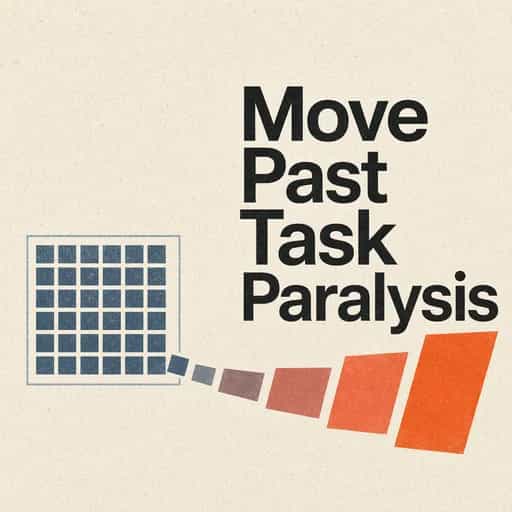
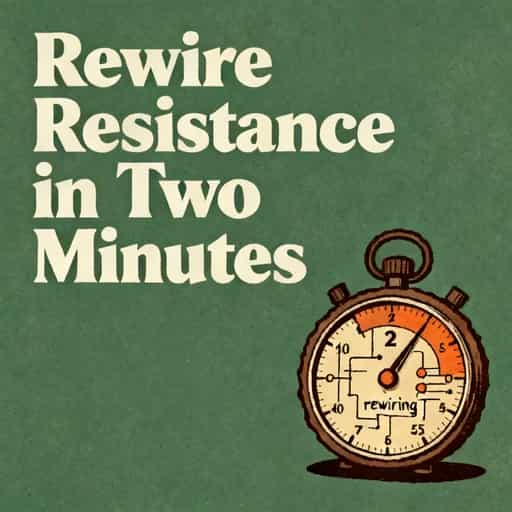
You’ve probably had those days where you sit down with a clear plan, a full cup of coffee, and every intention of being a high-performance machine—only to find yourself four hours later staring at a Wikipedia page about deep-sea squids while your actual work remains untouched. It feels like a character flaw, right? Like you just lack the "discipline stat" that everyone else seems to have maxed out. But here is the reality: if you are dealing with inconsistent attention or chronic procrastination, you aren't lazy; you are dealing with a specific type of brain friction. Research shows that ADHD brains, for example, often have lower dopamine receptor density in regions responsible for motivation and reward. This means your "launch" button is physically harder to press. When a task is big or boring, your brain simply doesn't fire the chemical signal needed to move your muscles. You’re essentially trying to start a car with a flat battery—no matter how hard you turn the key, the engine won't catch until you get a jumpstart. Today, we are going to build your personal jumpstart kit. We’re moving away from the "just do it" mindset, which is about as helpful as telling a person with a broken leg to "just walk it off," and moving toward a structural operating system that treats your energy like a renewable resource. We’re going to explore why your brain prioritizes a text message over a tax return and how you can use a microscopic "two-minute rule" to trick your nervous system into action before it even realizes you’re working. This isn't just about getting more done; it’s about reclaiming your time so you don't end the day in a shame spiral, wondering where the hours went. So, let’s dive into the mechanics of how your brain actually processes tasks and why the standard advice has been failing you for years.