Rewiring Your Brain for Creative Breakthrough
Discover the science-backed strategies to unlock your creative potential. Learn how creativity works like a trainable muscle, not random inspiration, and get practical tools to think more creatively every day.

Best quote from Rewiring Your Brain for Creative Breakthrough
Most of us think creativity is like lightning striking, but the research shows it's actually more like a muscle you can train. It's about learning to notice the ordinary moments differently, embracing those messy first drafts, and giving your brain permission to wander.

This audio lesson was created by a BeFreed community member
i want to be more creative

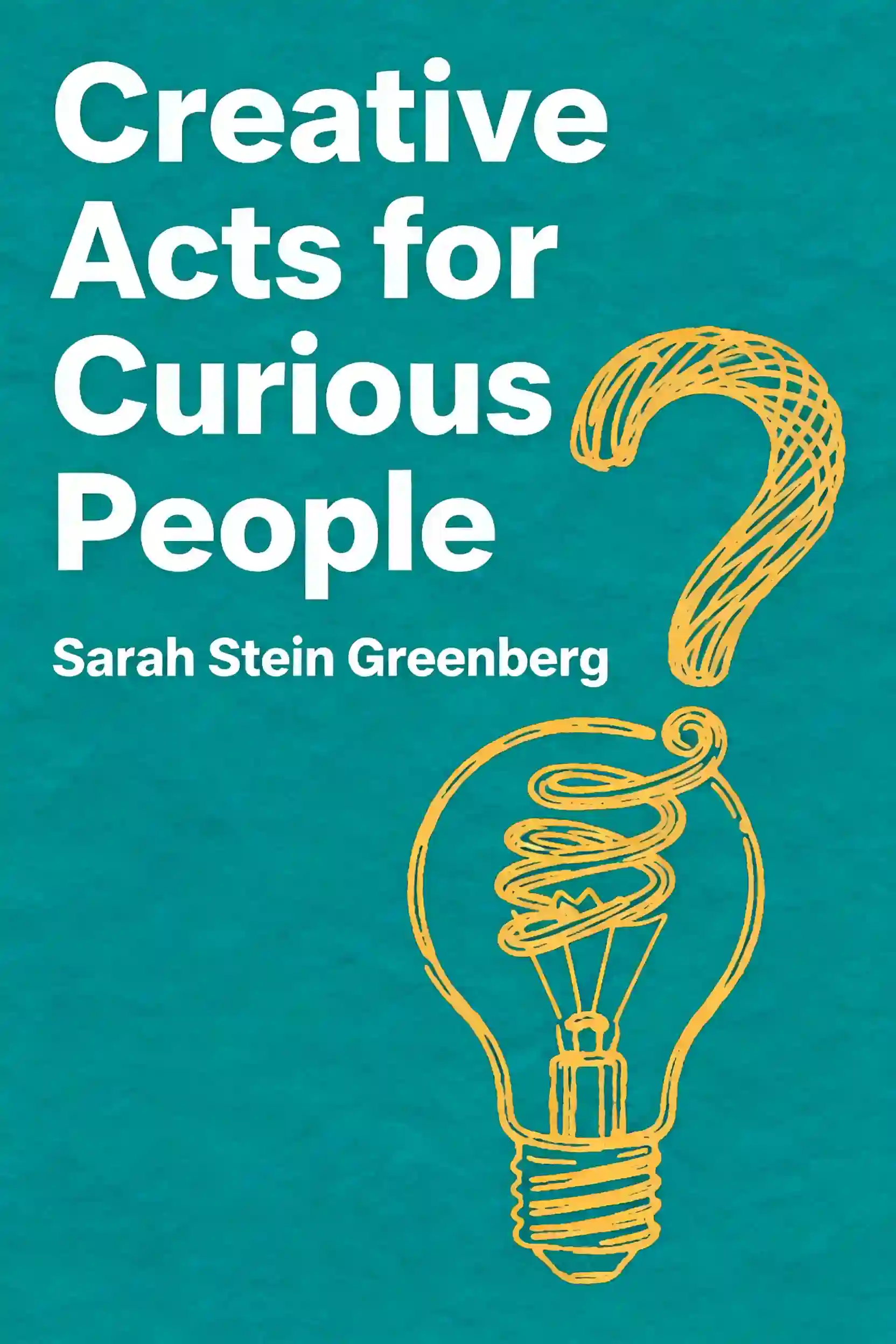
Discover more

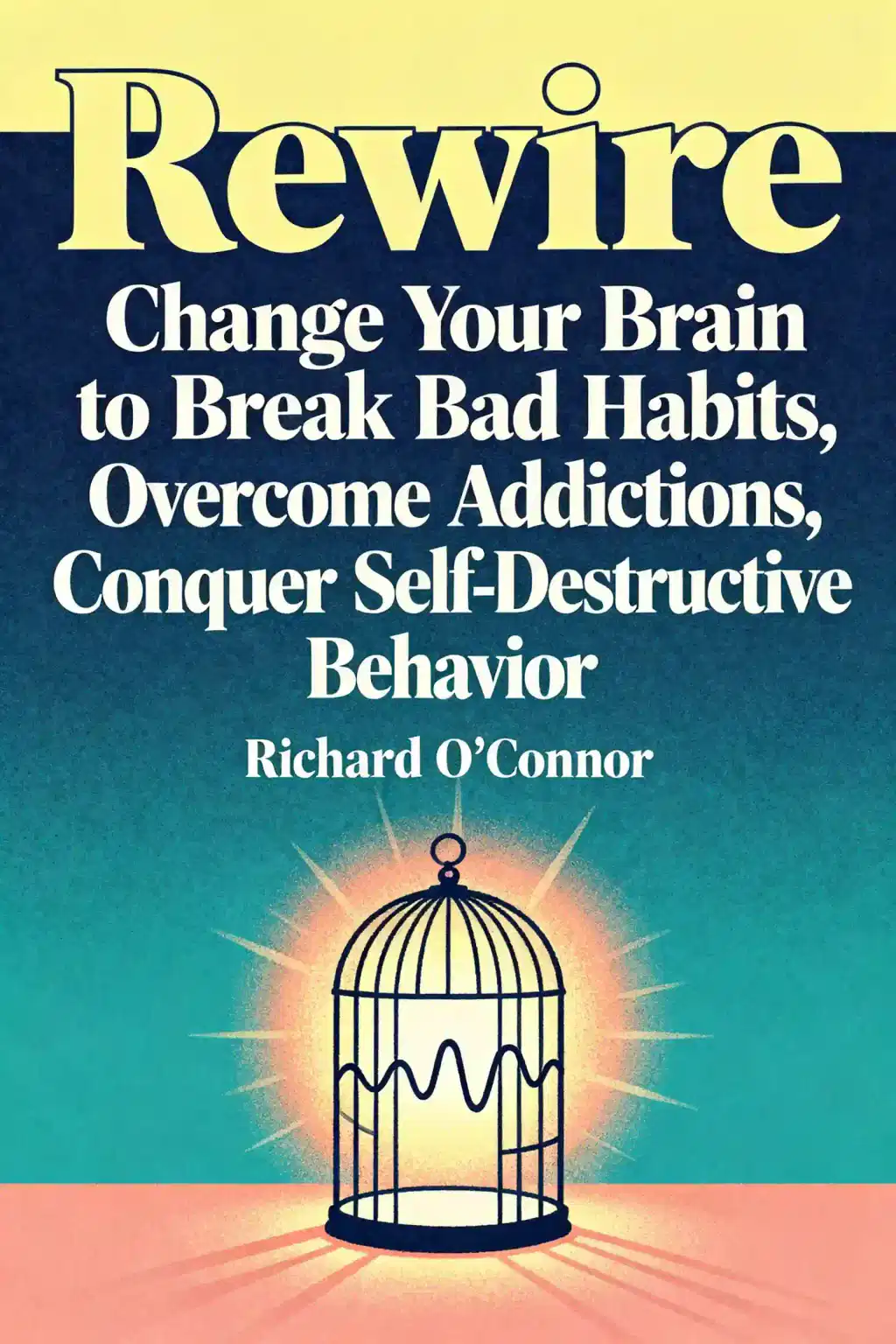
Rewire Your Brain for Real Connection
In an era of digital distraction, our brains are often trapped in cycles of isolation and superficial stimulation. This plan is essential for anyone feeling disconnected or overwhelmed by screen-based habits, providing a scientific roadmap to regain emotional control and foster genuine human intimacy.

Apply Neuroplasticity to Design Innovation
This program bridges the gap between cognitive science and practical problem-solving for professionals in creative and strategic roles. It is ideal for designers, engineers, and leaders looking to harness the brain's physical adaptability to foster a culture of breakthrough thinking.

Rewire Nervous System & Build New Pathways
This plan is essential for individuals seeking to overcome chronic stress, trauma, or repetitive negative patterns by leveraging the science of neuroplasticity. It is ideal for anyone looking to transition from survival mode to a state of regulated self-leadership and emotional resilience.

Rewire Your 20s Brain: Science & Expert Tips
The twenties are a unique neurological window where the brain is highly adaptable but still maturing. This plan is essential for young adults looking to harness neuroplasticity to build a high-performance foundation for their career and personal lives.

Systems Over Willpower: Rewiring for Deep Work
In an era of constant distraction, relying on willpower alone is a recipe for burnout. This plan is designed for professionals and creatives who need to transition from reactive busyness to proactive, high-impact deep work by reengineering their environment and mindset.
Break out of fixed thinking patterns
In an era of rapid change, cognitive rigidity is a significant barrier to personal and professional growth. This plan is designed for leaders, innovators, and lifelong learners who want to deconstruct limiting biases and build a more agile, creative mindset.
Mastering Creative Timing and Space
This plan is essential for professionals and creatives struggling with burnout and fragmented focus in a high-distraction world. It provides a strategic framework to synchronize your biological clock with your workload while mastering the psychological transitions required for deep concentration.

Remove creative block
Creative block affects professionals and hobbyists across all creative fields, causing frustration, missed opportunities, and abandoned projects. This learning plan is essential for writers, designers, artists, marketers, and anyone who relies on creative thinking but struggles with inconsistency, self-doubt, or the feeling of being "stuck." By understanding the mechanics of resistance and building practical systems, learners gain the confidence and tools to create reliably on demand.
From Columbia University alumni built in San Francisco
"Instead of endless scrolling, I just hit play on BeFreed. It saves me so much time."


"I never knew where to start with nonfiction—BeFreed’s book lists turned into podcasts gave me a clear path."


"Perfect balance between learning and entertainment. Finished ‘Thinking, Fast and Slow’ on my commute this week."
"Crazy how much I learned while walking the dog. BeFreed = small habits → big gains."
"Reading used to feel like a chore. Now it’s just part of my lifestyle."

"Feels effortless compared to reading. I’ve finished 6 books this month already."
"BeFreed turned my guilty doomscrolling into something that feels productive and inspiring."

"BeFreed turned my commute into learning time. 20-min podcasts are perfect for finishing books I never had time for."
"BeFreed replaced my podcast queue. Imagine Spotify for books — that’s it. 🙌"

"It is great for me to learn something from the book without reading it."
"The themed book list podcasts help me connect ideas across authors—like a guided audio journey."
"Makes me feel smarter every time before going to work"
From Columbia University alumni built in San Francisco
"Instead of endless scrolling, I just hit play on BeFreed. It saves me so much time."
"I never knew where to start with nonfiction—BeFreed’s book lists turned into podcasts gave me a clear path."
"Perfect balance between learning and entertainment. Finished ‘Thinking, Fast and Slow’ on my commute this week."
"Crazy how much I learned while walking the dog. BeFreed = small habits → big gains."
"Reading used to feel like a chore. Now it’s just part of my lifestyle."
"Feels effortless compared to reading. I’ve finished 6 books this month already."
"BeFreed turned my guilty doomscrolling into something that feels productive and inspiring."
"BeFreed turned my commute into learning time. 20-min podcasts are perfect for finishing books I never had time for."
"BeFreed replaced my podcast queue. Imagine Spotify for books — that’s it. 🙌"
"It is great for me to learn something from the book without reading it."
"The themed book list podcasts help me connect ideas across authors—like a guided audio journey."
"Makes me feel smarter every time before going to work"
"Instead of endless scrolling, I just hit play on BeFreed. It saves me so much time."
"I never knew where to start with nonfiction—BeFreed’s book lists turned into podcasts gave me a clear path."
"Perfect balance between learning and entertainment. Finished ‘Thinking, Fast and Slow’ on my commute this week."
"Crazy how much I learned while walking the dog. BeFreed = small habits → big gains."
"Reading used to feel like a chore. Now it’s just part of my lifestyle."
"Feels effortless compared to reading. I’ve finished 6 books this month already."
"BeFreed turned my guilty doomscrolling into something that feels productive and inspiring."
"BeFreed turned my commute into learning time. 20-min podcasts are perfect for finishing books I never had time for."
"BeFreed replaced my podcast queue. Imagine Spotify for books — that’s it. 🙌"
"It is great for me to learn something from the book without reading it."
"The themed book list podcasts help me connect ideas across authors—like a guided audio journey."
"Makes me feel smarter every time before going to work"
"Instead of endless scrolling, I just hit play on BeFreed. It saves me so much time."
"I never knew where to start with nonfiction—BeFreed’s book lists turned into podcasts gave me a clear path."
"Perfect balance between learning and entertainment. Finished ‘Thinking, Fast and Slow’ on my commute this week."
"Crazy how much I learned while walking the dog. BeFreed = small habits → big gains."
"Reading used to feel like a chore. Now it’s just part of my lifestyle."
"Feels effortless compared to reading. I’ve finished 6 books this month already."
"BeFreed turned my guilty doomscrolling into something that feels productive and inspiring."
"BeFreed turned my commute into learning time. 20-min podcasts are perfect for finishing books I never had time for."
"BeFreed replaced my podcast queue. Imagine Spotify for books — that’s it. 🙌"
"It is great for me to learn something from the book without reading it."
"The themed book list podcasts help me connect ideas across authors—like a guided audio journey."
"Makes me feel smarter every time before going to work"