Reverse psychology and the urge to rebel
Why do we want things more when they're forbidden? Explore how psychological reactance and the illusion of choice shape our daily decisions.

Best quote from Reverse psychology and the urge to rebel
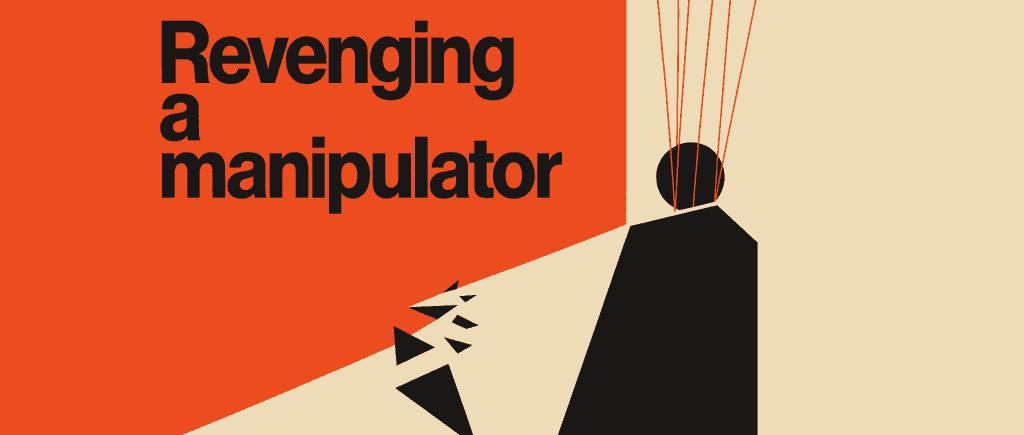
If you always do the opposite of what I say, I still have a remote control for your behavior—I just have to point it in the other direction.
Generated by Ore
Reverse psychology

Frequently Asked Questions
Psychological reactance is an instinctive, aversive motivational state that occurs when a person perceives a threat to their autonomy or "free behaviors." According to Jack Brehm’s theory from the 1960s, humans view their ability to choose as a core part of their identity. When a command or restriction—like a "Wet Paint" sign—is perceived as a "wall" or a loss of power, the brain triggers a flare of defiance to restore that sense of freedom. This often results in the person performing the forbidden action specifically to prove they still possess the agency to do so.
While reactance is a high-energy "fight" response intended to reclaim lost freedom, learned helplessness is a state of passivity that occurs when a person concludes their actions have no impact on their environment. Based on Martin Seligman’s research, this condition develops after repeated exposure to uncontrollable stressors. Instead of rebelling, the individual stops trying to change their situation, even when an opportunity for escape or improvement becomes available. It is essentially the collapse of self-efficacy, where the belief that "nothing I do matters" becomes a self-fulfilling prophecy.
Yes, therapists sometimes use a technique called "symptom prescription" or "paradoxical intention" to help patients regain control. For example, a therapist might instruct an insomniac to try to stay awake as long as possible. By prescribing the symptom, the therapist removes the "performance anxiety" associated with trying to fall asleep. If the patient succeeds in staying awake, they have followed a directive and exerted control; if they fail and fall asleep, the problem is solved. This "psychological judo" uses the person's own mental mechanics to break cycles of recursive anxiety or helplessness.
The boomerang effect occurs when a message is so forceful, preachy, or restrictive that it drives the audience to do the exact opposite of what is intended. In public health or marketing, if a message feels like it is "bossing people around," it triggers reactance. For instance, research showed that "Do Not Under Any Circumstances Touch" signs led to more people touching wet paint than simple "Wet Paint" signs. To avoid this, influencers often use "social proof" or "restoration postscripts"—phrases like "it’s your call"—to reaffirm the individual's freedom of choice while making a suggestion.
Anticonformity is a reaction against a group or authority figure where a person does the opposite simply because they are being pressured. In this state, the person is still "tethered" to the external influence; the influencer effectively has a "remote control" for their behavior, just pointed in the opposite direction. True independence, however, occurs when the group's behavior or a person's commands are irrelevant to the decision. An independent person chooses an action based on their own internal values and intrinsic rewards, regardless of whether it aligns with or defies the suggestions of others.
From Columbia University alumni built in San Francisco
"Instead of endless scrolling, I just hit play on BeFreed. It saves me so much time."


"I never knew where to start with nonfiction—BeFreed’s book lists turned into podcasts gave me a clear path."


"Perfect balance between learning and entertainment. Finished ‘Thinking, Fast and Slow’ on my commute this week."
"Crazy how much I learned while walking the dog. BeFreed = small habits → big gains."
"Reading used to feel like a chore. Now it’s just part of my lifestyle."

"Feels effortless compared to reading. I’ve finished 6 books this month already."
"BeFreed turned my guilty doomscrolling into something that feels productive and inspiring."

"BeFreed turned my commute into learning time. 20-min podcasts are perfect for finishing books I never had time for."
"BeFreed replaced my podcast queue. Imagine Spotify for books — that’s it. 🙌"

"It is great for me to learn something from the book without reading it."
"The themed book list podcasts help me connect ideas across authors—like a guided audio journey."
"Makes me feel smarter every time before going to work"
From Columbia University alumni built in San Francisco
"Instead of endless scrolling, I just hit play on BeFreed. It saves me so much time."
"I never knew where to start with nonfiction—BeFreed’s book lists turned into podcasts gave me a clear path."
"Perfect balance between learning and entertainment. Finished ‘Thinking, Fast and Slow’ on my commute this week."
"Crazy how much I learned while walking the dog. BeFreed = small habits → big gains."
"Reading used to feel like a chore. Now it’s just part of my lifestyle."
"Feels effortless compared to reading. I’ve finished 6 books this month already."
"BeFreed turned my guilty doomscrolling into something that feels productive and inspiring."
"BeFreed turned my commute into learning time. 20-min podcasts are perfect for finishing books I never had time for."
"BeFreed replaced my podcast queue. Imagine Spotify for books — that’s it. 🙌"
"It is great for me to learn something from the book without reading it."
"The themed book list podcasts help me connect ideas across authors—like a guided audio journey."
"Makes me feel smarter every time before going to work"
"Instead of endless scrolling, I just hit play on BeFreed. It saves me so much time."
"I never knew where to start with nonfiction—BeFreed’s book lists turned into podcasts gave me a clear path."
"Perfect balance between learning and entertainment. Finished ‘Thinking, Fast and Slow’ on my commute this week."
"Crazy how much I learned while walking the dog. BeFreed = small habits → big gains."
"Reading used to feel like a chore. Now it’s just part of my lifestyle."
"Feels effortless compared to reading. I’ve finished 6 books this month already."
"BeFreed turned my guilty doomscrolling into something that feels productive and inspiring."
"BeFreed turned my commute into learning time. 20-min podcasts are perfect for finishing books I never had time for."
"BeFreed replaced my podcast queue. Imagine Spotify for books — that’s it. 🙌"
"It is great for me to learn something from the book without reading it."
"The themed book list podcasts help me connect ideas across authors—like a guided audio journey."
"Makes me feel smarter every time before going to work"
"Instead of endless scrolling, I just hit play on BeFreed. It saves me so much time."
"I never knew where to start with nonfiction—BeFreed’s book lists turned into podcasts gave me a clear path."
"Perfect balance between learning and entertainment. Finished ‘Thinking, Fast and Slow’ on my commute this week."
"Crazy how much I learned while walking the dog. BeFreed = small habits → big gains."
"Reading used to feel like a chore. Now it’s just part of my lifestyle."
"Feels effortless compared to reading. I’ve finished 6 books this month already."
"BeFreed turned my guilty doomscrolling into something that feels productive and inspiring."
"BeFreed turned my commute into learning time. 20-min podcasts are perfect for finishing books I never had time for."
"BeFreed replaced my podcast queue. Imagine Spotify for books — that’s it. 🙌"
"It is great for me to learn something from the book without reading it."
"The themed book list podcasts help me connect ideas across authors—like a guided audio journey."
"Makes me feel smarter every time before going to work"