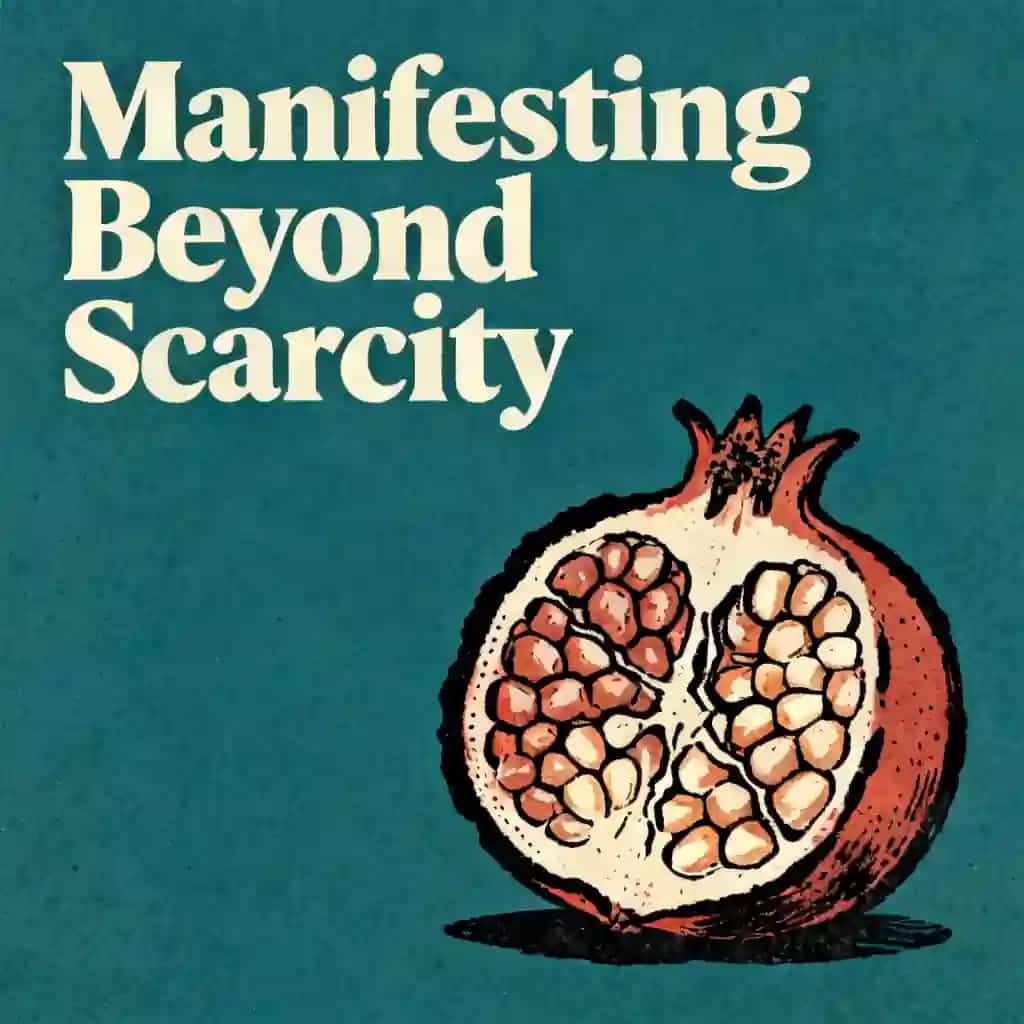
Struggling with the constant urge to want more? Learn how Buddhist mindfulness shifts you from rigid clinging to a lighter, more contented way of living.
Best quote from Reducing desire without losing your joy
“
Reducing desire isn't about becoming cold or indifferent; it’s about shifting from rigid clinging to flexible preference, moving from a state of 'I can’t breathe until I get this' to 'I would prefer this, but I am still whole without it.'
”
S
Generated by SlowLoris
Input question
Buddhism in relation to trying to reduce our desires
Host voices
Jackson
Knowledge sources
Frequently Asked Questions
The script distinguishes between chanda and tanha. Chanda is wholesome desire or intention, such as the flexible wish to be healthy or helpful, which acts as a direction rather than a demand. In contrast, tanha translates to "thirst" and represents a desperate, rigid craving where one feels they cannot be okay unless a specific outcome is met. While chanda allows for peace regardless of the result, tanha holds one's happiness hostage to external conditions.
The Eight Worldly Concerns are four pairs of opposites: pleasure and pain, gain and loss, praise and blame, and fame and disgrace. Most people spend their lives frantically chasing the positive side of each pair and fleeing the negative. This creates a "rollercoaster" emotional state because these "winds" are natural conditions of the world that no one can fully control. By identifying which "wind" is blowing during a moment of stress, a person can move toward equanimity, realizing these external shifts do not define their internal worth.
Buddhism suggests that the "self" is an impermanent, changing process rather than a solid, fixed entity. When we try to satisfy a "self" through possessions or status, it is like pouring water into a bucket with no bottom; the satisfaction never lasts because the "self" we are trying to please has already shifted. By recognizing that we are a process (made of changing feelings, perceptions, and habits) rather than a product, we can enjoy experiences without the desperate need to "own" them or protect a fragile ego-image.
Distorted perception, or Vipallasa, is the mental error of seeing temporary, mind-made experiences as inherent and permanent. For example, we often believe the "sweetness" of a fruit is inside the fruit itself, when it is actually a temporary mental fabrication arising from contact. When we use "wise attention" to see that sensory pleasures are ephemeral and "empty" of lasting substance, the frantic desire to grab onto them naturally softens, much like losing interest in a piece of cake once you realize it is poisoned.
Mindfulness allows a person to intervene in the psychological sequence that leads to suffering. The process typically moves from sense contact (seeing an object) to a feeling (pleasure) and then immediately to craving ("I must have it"). By "posting a guard" at the gates of the senses, mindfulness catches the process at the "feeling" stage. This creates a gap where one can observe the pleasant sensation without letting it escalate into a command to act or possess, allowing the individual to remain whole without the object.
From Columbia University alumni | built in San Francisco
BeFreed Brings Together A Global Community Of Curious Minds
4.7
avg rating
7.84k+ App Rating
BeFreed Community
Seriously I haven’t even explored this app fully yet but from using it the last few days I am so impressed... BeFreed is on a different level from any other learning app I have used. This makes it ultra engaging and can actually improve your concentration which is great for all the doom scrollers!
@ladyInfinity
I bought BeFreed exactly 23 days ago, and I have used it every single day since. It has completely embedded itself into my daily workflow and learning habit.
@jayallen
The truth is, the app has exceeded all my expectations. I can ask it to generate audio on any topic, whatever it may be, and the result is impressive. My professional field is a specialization in psychotherapy and it is multidisciplinary; however, the answers are very accurate.
@Raguipa
What I appreciate most is how much it's reduced my scrolling – I'm spending less time searching and more time absorbing information. The combination of full audiobooks, podcasts, the learning plans are brilliant.
@colonyofcreatorsNGO
I have been a PhotoReading Accelerated Learning Instructor for the past 24 years... books and reading and learning are my thing, and BeFreed has done a great job in providing an innovative approach to disseminating and delivering information in an easy to consume way.
@BeFreed user
It is not just a book summary app, I have used the 'fun reading' option and it's a much better summary and way to grasp ideas the traditional way, that alone is worth this deal.
@austinakon
I love this app. Used it for several days and I cannot stop listening. Such a great way to start.
@jcrules328
I really like the program; I have already tested it for around one month, and I feel that it's an amazing gem. It works so well because I can use BeFreed to create my own topics, and the voice is so good with unlimited choice of narrations.
@DanielCZ
Seriously I haven’t even explored this app fully yet but from using it the last few days I am so impressed... BeFreed is on a different level from any other learning app I have used. This makes it ultra engaging and can actually improve your concentration which is great for all the doom scrollers!
@ladyInfinity
I bought BeFreed exactly 23 days ago, and I have used it every single day since. It has completely embedded itself into my daily workflow and learning habit.
@jayallen
The truth is, the app has exceeded all my expectations. I can ask it to generate audio on any topic, whatever it may be, and the result is impressive. My professional field is a specialization in psychotherapy and it is multidisciplinary; however, the answers are very accurate.
@Raguipa
What I appreciate most is how much it's reduced my scrolling – I'm spending less time searching and more time absorbing information. The combination of full audiobooks, podcasts, the learning plans are brilliant.
@colonyofcreatorsNGO
I have been a PhotoReading Accelerated Learning Instructor for the past 24 years... books and reading and learning are my thing, and BeFreed has done a great job in providing an innovative approach to disseminating and delivering information in an easy to consume way.
@BeFreed user
It is not just a book summary app, I have used the 'fun reading' option and it's a much better summary and way to grasp ideas the traditional way, that alone is worth this deal.
@austinakon
I love this app. Used it for several days and I cannot stop listening. Such a great way to start.
@jcrules328
I really like the program; I have already tested it for around one month, and I feel that it's an amazing gem. It works so well because I can use BeFreed to create my own topics, and the voice is so good with unlimited choice of narrations.
@DanielCZ
I love the fact that I can get useful, condensed, information and ideas in a 8 - 15 minute podcast style audio. I'm not a general fan of podcasts because of all the fluff, but this cuts through all that.
@BeFreed user
I am finishing up my doctorate, and have to read a lot of unfamiliar material... With BeFreed, you simply enter a prompt, and the app finds source material for you and generates an audio podcast. I find the process in BeFreed to be more streamlined than NotebookLM.
@Brad
I often search YouTube for something to listen to whilst making breakfast, when I'm out walking, commuting, etc, and BeFreed has provided an even more targeted approach, without the adverts and the fluff!
@BeFreed user
The absolute best part about this platform is its versatility. There is literally no subject that is off-topic. It handles whatever you throw at it... It is rare to find an learning tool with zero limitations that actually delivers on its promises.
@jayallen
BeFreed is fantastic. The user-friendly design means I spend less time navigating and more time learning. The mix of audiobooks, podcasts, and learning plans is a genius combo that has completely changed my daily routine.
@BeFreed user
At the start I needed a while to understand how to create podcasts in italian language and boom! It is so great! I can ask to explain every argument and it does so well and so smartly!
@matteo77
BeFreed has become my daily app for audio books tools... What I like the most is the way you put your text and come with an audio that you can listen on the go.
@kotanzu1
I love the fact that I can get useful, condensed, information and ideas in a 8 - 15 minute podcast style audio. I'm not a general fan of podcasts because of all the fluff, but this cuts through all that.
@BeFreed user
I am finishing up my doctorate, and have to read a lot of unfamiliar material... With BeFreed, you simply enter a prompt, and the app finds source material for you and generates an audio podcast. I find the process in BeFreed to be more streamlined than NotebookLM.
@Brad
I often search YouTube for something to listen to whilst making breakfast, when I'm out walking, commuting, etc, and BeFreed has provided an even more targeted approach, without the adverts and the fluff!
@BeFreed user
The absolute best part about this platform is its versatility. There is literally no subject that is off-topic. It handles whatever you throw at it... It is rare to find an learning tool with zero limitations that actually delivers on its promises.
@jayallen
BeFreed is fantastic. The user-friendly design means I spend less time navigating and more time learning. The mix of audiobooks, podcasts, and learning plans is a genius combo that has completely changed my daily routine.
@BeFreed user
At the start I needed a while to understand how to create podcasts in italian language and boom! It is so great! I can ask to explain every argument and it does so well and so smartly!
@matteo77
BeFreed has become my daily app for audio books tools... What I like the most is the way you put your text and come with an audio that you can listen on the go.
Discover how to rewire your brain for contentment by flipping the cultural script on satisfaction. Learn ancient wisdom meets modern neuroscience to break free from the wanting cycle and find lasting joy with less.
Explore the misunderstood Buddhist concept of attachment, revealing how non-attachment isn't about loving less, but loving more wisely—without the desperate grasping that causes suffering.
Feeling drained by everyone else's expectations? Learn why being indispensable is a trap and how choosing contentment over clout leads to true freedom.
Feeling weighed down by your stuff? Discover how Stoic principles help you clear the clutter, lower stress, and finally exit the consumption treadmill.
Exhausted by the constant pressure to buy more? Discover why choosing contentment over consumption can break the cycle of burnout and reclaim your time.




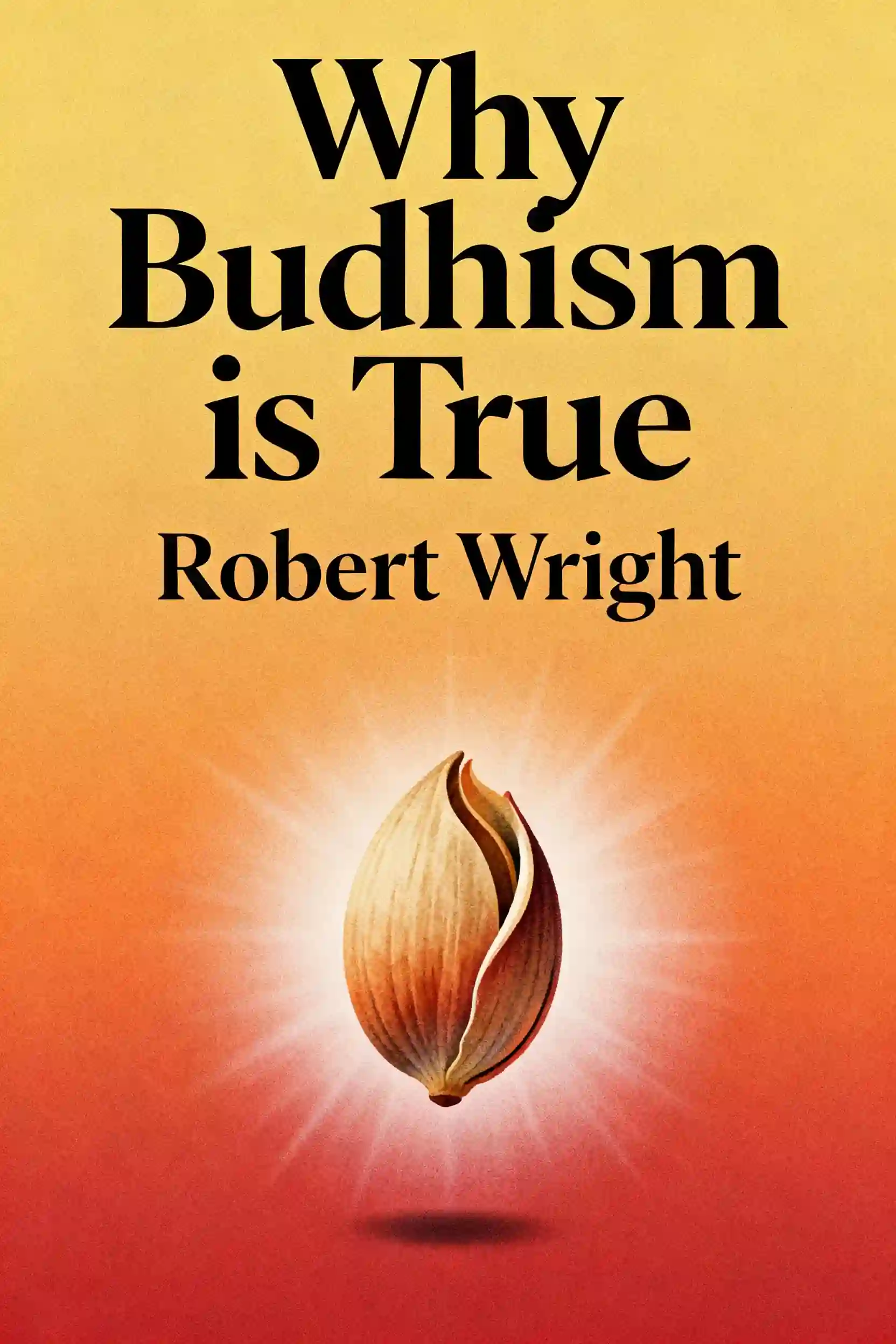
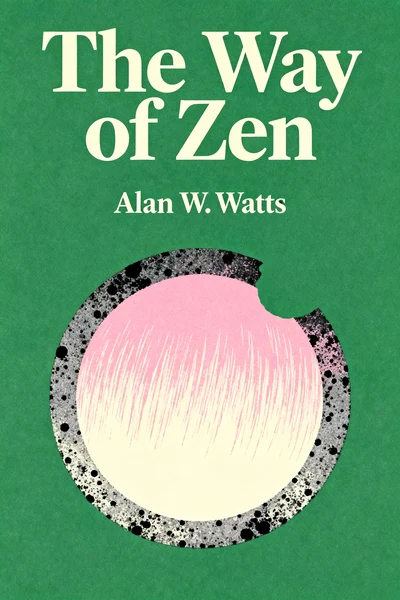

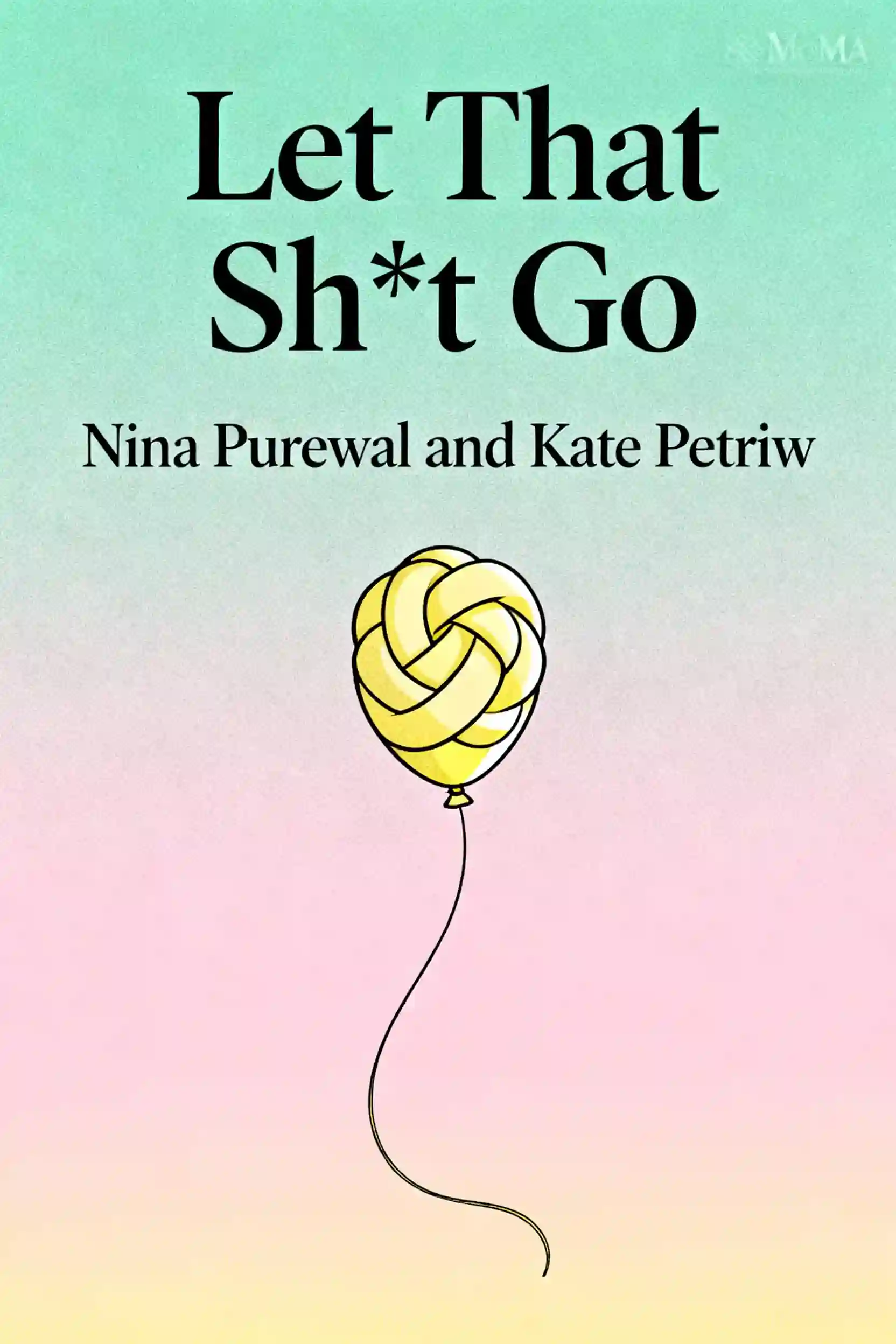








![[00cbb2ac-cf12-4418-99db-11dba7acd55f:c0000] Joseph Goldstein [Goldstein, Joseph] - Mindfulness (2013, Sounds True) - libgen.li.epub p1-1](/_next/image?url=https%3A%2F%2Fd1y2du6z1jfm9e.cloudfront.net%2Fassets%2Fpodcast%2Fgreen.png&w=1024&q=50)
![[00cbb2ac-cf12-4418-99db-11dba7acd55f:c0001] Joseph Goldstein [Goldstein, Joseph] - Mindfulness (2013, Sounds True) - libgen.li.epub p1-1](/_next/image?url=https%3A%2F%2Fd1y2du6z1jfm9e.cloudfront.net%2Fassets%2Fpodcast%2Fpurple.png&w=1024&q=50)
![[00cbb2ac-cf12-4418-99db-11dba7acd55f:c0002] Joseph Goldstein [Goldstein, Joseph] - Mindfulness (2013, Sounds True) - libgen.li.epub p1-1](/_next/image?url=https%3A%2F%2Fd1y2du6z1jfm9e.cloudfront.net%2Fassets%2Fpodcast%2Fyellow.png&w=1024&q=50)


![Facing Codependence [ABRIDGED]](/_next/image?url=https%3A%2F%2Fd3lvzgn0lx7rb2.cloudfront.net%2Fcovers%2F1d91cc59-653c-487c-bb06-0a03ac09820d%2Fimage_resized.webp&w=1024&q=50)