Rebuilding trust with your baby after a long separation
Reuniting with your child is a relief, but the first 90 days are often about survival. Learn how to stabilize your bond and find safety through play.

Best quote from Rebuilding trust with your baby after a long separation
Reconciliation restores access, but it doesn't automatically restore trust. The first 90 days aren't about thriving or 'having it together'—they are strictly about stabilizing and finding a new normal through a thousand tiny interactions.
Generated by Kasey
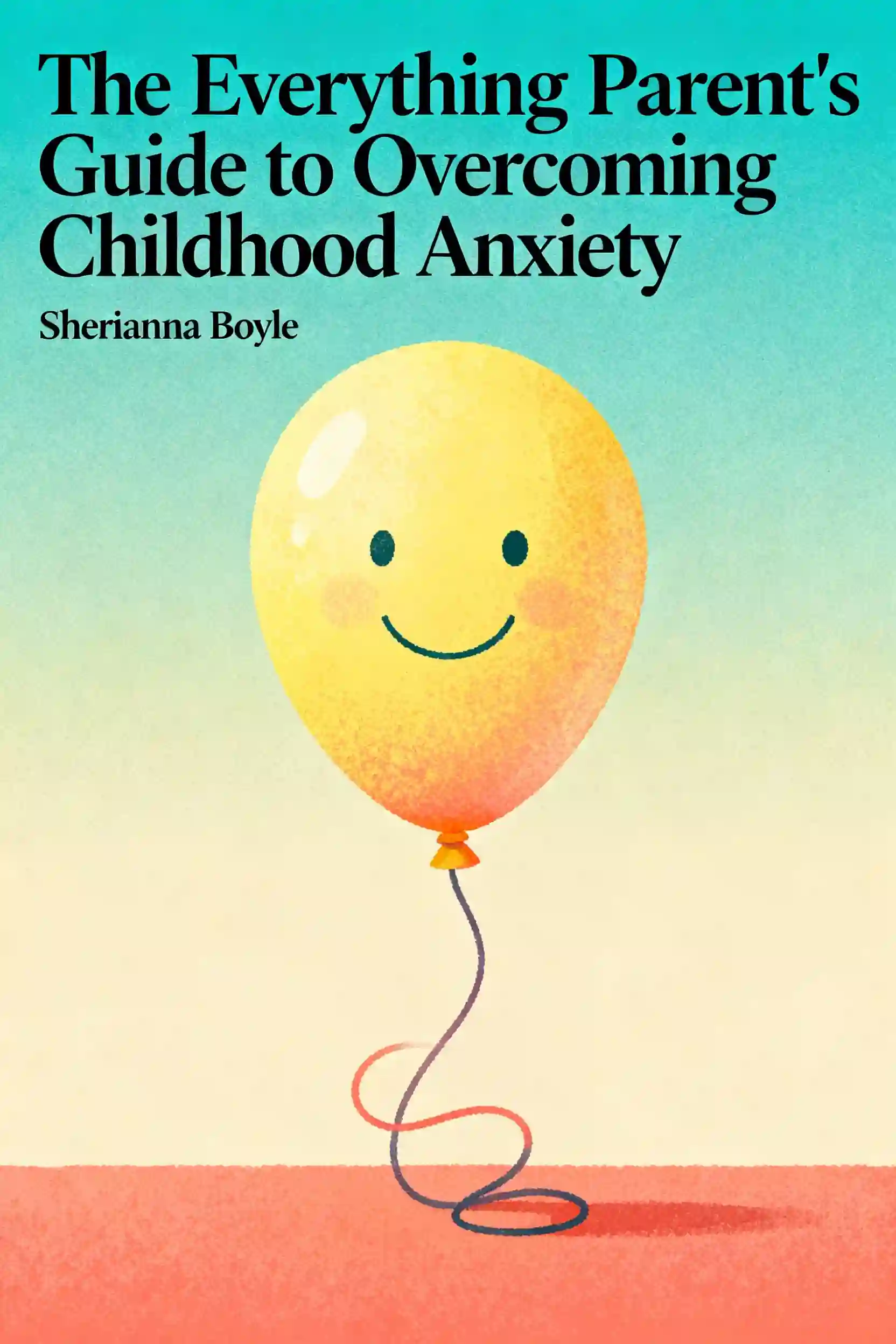
Parenting after separating me and my 10 month old for 4 months after he returned home

Frequently Asked Questions
It is common for a baby to experience a "major life rupture" after a long separation. At ten months old, infants are developing object permanence, meaning they know you exist even when you are gone. If you were unreachable for months, their biological alarm system may have been triggered, viewing the separation as a survival threat. Their distant or "avoidant" behavior is often a defense mechanism to protect themselves from the pain of another potential departure. Rebuilding trust is a physiological process that takes time, and their nervous system may remain on high alert until a new "rhythm of return" is established.
The first 90 days after a reunion are strictly about stabilizing the relationship and finding a new normal rather than trying to thrive or maintain a perfect schedule. During this window, the goal is to move from "crisis mode" into a rhythm where both the parent and child feel safe. It is a period for "filling the bucket" of the child’s emotional needs, which may involve "babying" them or tolerating sleep regressions. Prioritizing connection over strict rules or independence during these three months allows the child’s nervous system to settle and creates the foundation for true autonomy later on.
If a baby is resistant, the key is "gentle persistence" without forcing affection. You can use "side-by-side" or "low-pressure" play, where you sit on the floor and engage with toys near them without demanding their attention. This allows the baby to initiate the connection when they feel safe. You can also use "reflective functioning" by mirroring their facial expressions and sounds, which creates a silent loop of communication. Over time, these small, consistent interactions prove to the baby that you are a "secure base," eventually making them more comfortable with physical closeness.
Being an emotional anchor means maintaining a steady internal state even when your child is experiencing an "external storm" of crying or frustration. It requires moving from a mindset of "Why is my baby doing this to me?" to "What is my baby trying to tell me?" By staying calm and providing co-regulation, you help the baby’s undeveloped brain settle its own nervous system. This also involves "repairing" the relationship; if you lose your cool, returning to apologize and reconnect teaches the child that even when things break, they can be mended.
Play is the primary language through which infants process complex emotions. Games like peek-a-boo act as "separation training" because they involve a low-stakes cycle of disappearing and reappearing. When a baby plays these games, they practice the concept of reunion in a way they can control. Similarly, hiding objects under a blanket reinforces object permanence. These playful interactions build a "track record" of reliability, teaching the baby’s brain that every "goodbye" is followed by a "hello."
From Columbia University alumni built in San Francisco
BeFreed Brings Together A Global Community Of Curious Minds


"Instead of endless scrolling, I just hit play on BeFreed. It saves me so much time."


"I never knew where to start with nonfiction—BeFreed’s book lists turned into podcasts gave me a clear path."


"Perfect balance between learning and entertainment. Finished ‘Thinking, Fast and Slow’ on my commute this week."
"Crazy how much I learned while walking the dog. BeFreed = small habits → big gains."
"Reading used to feel like a chore. Now it’s just part of my lifestyle."

"Feels effortless compared to reading. I’ve finished 6 books this month already."
"BeFreed turned my guilty doomscrolling into something that feels productive and inspiring."

"BeFreed turned my commute into learning time. 20-min podcasts are perfect for finishing books I never had time for."
"BeFreed replaced my podcast queue. Imagine Spotify for books — that’s it. 🙌"

"It is great for me to learn something from the book without reading it."
"The themed book list podcasts help me connect ideas across authors—like a guided audio journey."
"Makes me feel smarter every time before going to work"
From Columbia University alumni built in San Francisco
BeFreed Brings Together A Global Community Of Curious Minds
"Instead of endless scrolling, I just hit play on BeFreed. It saves me so much time."
"I never knew where to start with nonfiction—BeFreed’s book lists turned into podcasts gave me a clear path."
"Perfect balance between learning and entertainment. Finished ‘Thinking, Fast and Slow’ on my commute this week."
"Crazy how much I learned while walking the dog. BeFreed = small habits → big gains."
"Reading used to feel like a chore. Now it’s just part of my lifestyle."
"Feels effortless compared to reading. I’ve finished 6 books this month already."
"BeFreed turned my guilty doomscrolling into something that feels productive and inspiring."
"BeFreed turned my commute into learning time. 20-min podcasts are perfect for finishing books I never had time for."
"BeFreed replaced my podcast queue. Imagine Spotify for books — that’s it. 🙌"
"It is great for me to learn something from the book without reading it."
"The themed book list podcasts help me connect ideas across authors—like a guided audio journey."
"Makes me feel smarter every time before going to work"
"Instead of endless scrolling, I just hit play on BeFreed. It saves me so much time."
"I never knew where to start with nonfiction—BeFreed’s book lists turned into podcasts gave me a clear path."
"Perfect balance between learning and entertainment. Finished ‘Thinking, Fast and Slow’ on my commute this week."
"Crazy how much I learned while walking the dog. BeFreed = small habits → big gains."
"Reading used to feel like a chore. Now it’s just part of my lifestyle."
"Feels effortless compared to reading. I’ve finished 6 books this month already."
"BeFreed turned my guilty doomscrolling into something that feels productive and inspiring."
"BeFreed turned my commute into learning time. 20-min podcasts are perfect for finishing books I never had time for."
"BeFreed replaced my podcast queue. Imagine Spotify for books — that’s it. 🙌"
"It is great for me to learn something from the book without reading it."
"The themed book list podcasts help me connect ideas across authors—like a guided audio journey."
"Makes me feel smarter every time before going to work"
"Instead of endless scrolling, I just hit play on BeFreed. It saves me so much time."
"I never knew where to start with nonfiction—BeFreed’s book lists turned into podcasts gave me a clear path."
"Perfect balance between learning and entertainment. Finished ‘Thinking, Fast and Slow’ on my commute this week."
"Crazy how much I learned while walking the dog. BeFreed = small habits → big gains."
"Reading used to feel like a chore. Now it’s just part of my lifestyle."
"Feels effortless compared to reading. I’ve finished 6 books this month already."
"BeFreed turned my guilty doomscrolling into something that feels productive and inspiring."
"BeFreed turned my commute into learning time. 20-min podcasts are perfect for finishing books I never had time for."
"BeFreed replaced my podcast queue. Imagine Spotify for books — that’s it. 🙌"
"It is great for me to learn something from the book without reading it."
"The themed book list podcasts help me connect ideas across authors—like a guided audio journey."
"Makes me feel smarter every time before going to work"