BeFreed
    Categories>Communication>Reading Body Language and Split-Second Signals

    Reading Body Language and Split-Second Signals

    29 min
    |
    |
    Mar 27, 2026
    CommunicationPsychologySelf-Growth

    We often miss the hidden signals people send before they even speak. Learn to decode micro-expressions and posture to build trust and rapport instantly.

    Reading Body Language and Split-Second Signals
    Choose how it's told

    One episode. Many ways to hear it.

    Same ideas from Reading Body Language and Split-Second Signals. Pick the voice, depth, and pace that fits you. Switch anytime.

    Transcript & chapters

    Chapter 1

    Mastering the 250-Millisecond First Impression

    Jackson: Hey Miles, I was just thinking about how often we completely misread the people right in front of us. We focus so much on what they’re saying, but we totally miss the "hidden" conversation.

    Miles: It’s true. Most of us are operating on kindergarten-level body language—you know, thinking "crossed arms equals defensive." But real social intelligence happens in the first 250 milliseconds. There’s actually a study from PNAS showing that people make major decisions about trust and engagement in under a quarter of a second.

    Jackson: That’s wild! So before I’ve even finished my first "hello," someone has already decided if they’re into the conversation?

    Miles: Exactly. Your brain is processing over 50 signals in that tiny window—vocal pace, posture shifts, even micro-expressions. It’s like a "Conversation Radar" that most people never turn on.

    Jackson: I love that. I want that radar! So let’s break down how to actually build this toolkit and start spotting those split-second signals.

    Chapter 2

    Decoding the Baseline—Why Context is Your Secret Weapon

    Jackson: So, if we’re talking about this "Conversation Radar," we have to start with the most common mistake people make. I see it all the time in those "body language cheat sheets" online. They say something like, "If someone touches their nose, they’re lying," or "If they look to the left, they’re making things up."

    Miles: Oh, man, those "gesture dictionaries" are the absolute worst. They’re basically the junk food of behavioral science—tasty but totally devoid of actual value. In fact, if you follow them blindly, you’re probably going to blow up your relationships. The biggest rule in professional intelligence—and this is something former FBI agent Joe Navarro really hammers home—is that you can never, ever read a single signal in isolation.

    Jackson: Right, because touching your nose could mean you’re lying, but it could also just mean... your nose itches.

    Miles: Exactly! Or the pollen count is high, or you have a cold. This is why we have to talk about the "Three C’s" of body language: Context, Clusters, and Consistency. But before you even get to those, you have to establish a baseline. Think of it like calibrating a scale before you weigh something. You need to know what a person looks like when they are totally relaxed and under zero pressure.

    Jackson: That makes so much sense. So, if I’m in a meeting, I shouldn’t wait for the high-stakes negotiation part to start paying attention. I should be watching how they drink their coffee or talk about the weather?

    Miles: Spot on. You’re looking for their "normal." How often do they blink? Do they naturally fidget with their wedding ring? Do they usually sit with their legs crossed or flat on the floor? Once you have that mental map of their neutral state, any deviation from that baseline becomes a "hot spot." It’s the change that matters, not the behavior itself.

    Jackson: So, if a normally very expressive person suddenly goes stone-still when I mention a specific deadline, that’s the signal?

    Miles: You’ve hit the nail on the head. That stillness is a "freeze response"—a classic limbic system reaction to a perceived threat. But you’d only know it was a signal if you knew their baseline was high energy. If they’re naturally a "still" person, that behavior means nothing. This is why "lie detection" theater fails so often—it ignores the individual.

    Jackson: I love this idea of "hot spots." It feels much more like being a detective than a mind reader. But you mentioned "clusters" too. How does that work in practice?

    Miles: Think of it like a legal case. One piece of circumstantial evidence isn't enough to convict, but four or five pieces pointing the same way? Now you have a story. If someone clears their throat—that’s one. But if they clear their throat, shift their weight away from you, cross their arms, and their blink rate triples right after you ask a tough question? That’s a cluster. That’s a high-probability signal of discomfort.

    Jackson: It’s like the brain is "leaking" the truth through multiple channels because it can’t shut them all down at once.

    Miles: That’s exactly what’s happening! The neocortex—the thinking brain—is busy trying to craft a polite verbal response, but the limbic brain—the emotional center—is screaming "I don't like this!" through the body. It’s a neurological tug-of-war. And since the limbic system is way faster and more honest, it wins the "leakage" battle every time.

    Jackson: So for our listeners, the first "drill" is simple: for the next 24 hours, don't try to "read" anyone. Just try to "baseline" them. Notice the "normal" of your spouse, your boss, even the barista. Just observe without judging.

    Miles: That is the best way to start. If you can't see the baseline, you'll never see the breakthrough.

    Keep learning with this episode

    Take the ideas from this episode into a guided learning experience in BeFreed.

    Chapter 3

    The Limbic Legacy—Our Hardwired Survival Signals

    Jackson: You mentioned the limbic system earlier, and it got me thinking. We like to think we’re these highly evolved, rational creatures, but when things get tense, we’re basically just hairless apes, aren’t we?

    Miles: Honestly, Jackson, we’re even more primitive than that. Joe Navarro talks a lot about our "Limbic Legacy." Our brains are still running on software designed for the savannah. When we sense a threat—even a social threat like a bad performance review or an awkward date—our brain doesn't distinguish it from a lion in the bushes. It triggers the classic "Freeze, Flight, or Fight" response in that exact order.

    Jackson: Wait, I always heard it was "Fight or Flight." You’re saying "Freeze" comes first?

    Miles: Absolutely. Think about it—if a predator sees you, the best thing you can do is stop moving. In a modern office, this looks like the "momentary freeze." You ask someone a question they didn't expect, and for a split second, they turn into a statue. Their breathing shallowly stops. That’s the limbic system trying to "hide" from the question.

    Jackson: I’ve definitely seen that! It’s that awkward beat before they start talking. And what about "Flight"? I can’t exactly run out of a conference room.

    Miles: Right, so we do "distancing behaviors" instead. We lean back in our chairs. We point our feet toward the door—which is a huge tell, by the way. Or we create "eye blocking" or "torso shields." You might see someone suddenly zip up their jacket or put a coffee mug between you and them. They’re literally creating a barrier because their brain wants to get away.

    Jackson: It’s wild that we’re doing this without even knowing it. It’s like the body is trying to protect the "vital organs" from a verbal attack.

    Miles: Precisely. The torso houses all your soft, vulnerable bits. When we feel safe, we do "ventral fronting"—we turn our front toward the person. When we feel threatened, we turn slightly away, protecting the midline. It’s a survival reflex.

    Jackson: And "Fight"? I’m guessing that’s not just throwing punches in the breakroom.

    Miles: Usually, it’s "territorial displays." Puffing out the chest, putting hands on hips—the "superman" pose—or even just spreading your stuff out all over a table to take up more space. It’s an assertion of dominance. But here’s the cool part: once the "threat" passes, the limbic system needs to calm itself down. That’s where "pacifiers" come in.

    Jackson: Pacifiers? Like for babies?

    Miles: Exactly like that. Adults just have different versions. We rub our necks, we stroke our hair, we massage our earlobes, or we clear our throats. These are self-soothing behaviors. When we touch these areas—especially the neck, which is rich in nerves—it actually lowers our heart rate.

    Jackson: So if I see someone rubbing the back of their neck after I give them feedback, they’re literally trying to physically calm their own nervous system down?

    Miles: Yes! And that’s such a powerful insight for a leader or a friend. Instead of thinking, "Oh, they’re being weird," you can think, "Okay, their stress level just spiked. I need to slow down and create some safety here."

    Jackson: That changes everything. It turns "reading people" into an act of empathy. You’re not "catching" them; you’re understanding their internal weather.

    Miles: That’s the goal. If you see a pacifier, don't call it out—that’ll just make it worse. Instead, address the discomfort. Ask a diagnostic question like, "It seems like this part is a bit complicated—what are your thoughts on it?" You’re giving them a "verbal bridge" to come back to comfort.

    Jackson: So the lesson here is: watch for the Freeze, the Distance, and the Pacifier. If you see those, you know the limbic system is in the driver’s seat.

    Chapter 4

    The Honest Feet—Why the Face is a Master Liar

    Jackson: Okay Miles, I have to admit, I’ve been spending all my time looking at people’s faces. I’m trying to catch those micro-expressions we talked about. But I feel like I’m missing stuff.

    Miles: Well, Jackson, I hate to tell you this, but you’re looking at the most dishonest part of the human body. We’ve been told since we were toddlers to "wipe that look off your face" or "put on a happy face." We are world-class experts at lying with our facial muscles.

    Jackson: So where should I be looking instead?

    Miles: Look down. The feet and legs are the most honest parts of the body. Think about it—evolutionarily, our feet had to react instantly to danger. If you stepped on something sharp or saw a snake, your feet moved before your brain even registered what happened. We don't "train" our feet to lie the way we train our faces.

    Jackson: That’s so counter-intuitive. No one looks at feet during a meeting!

    Miles: Exactly! And that’s why they’re so revealing. Joe Navarro points out that when people are genuinely excited, they have "happy feet." They literally bounce or wiggle their toes. You’ll see it under the table—a rhythmic tapping or a slight jiggle. If you see that when you mention a new project, they’re genuinely on board.

    Jackson: But what if the feet stop moving?

    Miles: Ah, that’s the "freeze response" again. If someone is happily jiggling their feet and you say something that stresses them out, the feet will often stop instantly. It’s like the brain diverted all power from the "fun" systems to the "survival" systems.

    Jackson: What about the direction the feet are pointing? I’ve heard that’s a big deal.

    Miles: It’s a huge deal. We point our feet toward what we want and away from what we dislike. If you’re talking to someone and their torso is facing you, but their feet are angled toward the door, they are "mentally" already gone. Their body is preparing for the "flight."

    Jackson: I’ve definitely been that person in a boring conversation! My heart is at the exit, even if my mouth is saying "Tell me more."

    Miles: We all have! Another great one is the "starter's position." If someone is sitting and they suddenly move their feet from being tucked under the chair to being flat on the floor with their hands on their knees, they are about to end the interaction. They’re literally "loading" their muscles to stand up.

    Jackson: It’s like a physical "closing statement."

    Miles: Precisely. And don't forget the "leg cross." When we feel comfortable with someone, we’ll cross one leg over the other. But here’s the nuance: we usually cross our legs so that the top knee acts as a barrier toward a person we don't like, or we open it up toward someone we do like. If someone suddenly uncrosses their legs and plants them firmly when a certain topic comes up, they’ve just moved from "relaxed" to "defensive."

    Jackson: So if I want to know if a deal is actually going well, I shouldn't just look at the smile; I should check if their feet are still pointed at me or if they’ve "locked" their ankles around the chair legs?

    Miles: Exactly. "Ankle locking" is a classic sign of holding back or being under stress. It’s a form of "limbic braking." If the ankles are locked and the hands are gripping the armrests, they’re not just listening—they’re enduring.

    Jackson: This is a total game-changer. I’m going to be that guy looking under the table at every dinner party now.

    Miles: Just don't make it obvious! But seriously, if you want the truth, start at the floor and work your way up. The further a body part is from the brain, the harder it is to lie with it.

    Keep learning with this episode

    Take the ideas from this episode into a guided learning experience in BeFreed.

    Chapter 5

    The Anatomy of the Flash—Mastering the Seven Universals

    Jackson: Okay, we’ve covered the feet and the "honest" body, but we can't ignore the face forever. You mentioned micro-expressions—those 1/25th of a second flashes. How do we actually train our brains to see something that fast?

    Miles: It starts with knowing exactly what you’re looking for. Dr. Paul Ekman’s research—which, by the way, he did with isolated tribes in Papua New Guinea to prove these are biological, not cultural—identified seven universal emotions. Happiness, Sadness, Anger, Fear, Surprise, Disgust, and Contempt. If you know the "facial blueprint" for these, your brain starts to recognize them as patterns, not just random movements.

    Jackson: Okay, let’s do a "blueprint" run-through. What’s the most common one we misread?

    Miles: Definitely happiness. Most people think a smile is just the mouth. But a genuine "Duchenne smile" requires the orbicularis oculi muscles—the ones around the eyes. If you don't see the "crow's feet" wrinkles and the cheeks pushing up to narrow the eyes, it’s a social mask. It’s a "polite" smile, not a "happy" one.

    Jackson: So no eye crinkle, no real joy. Got it. What about the "scary" ones, like Contempt?

    Miles: Contempt is fascinating because it’s the only one that’s asymmetrical. It’s a one-sided smirk—one corner of the mouth tightens and pulls up. In a B2B deal or a relationship, this is the "deadly" emotion. It signals a feeling of moral or intellectual superiority. If you see a flash of contempt when you state your price, they don't just think you’re expensive—they think you’re ridiculous.

    Jackson: Ouch. That’s a heavy one to spot. What about Disgust? I feel like that’s similar.

    Miles: Disgust is more centered around the nose. Think of it like someone just smelled something rotten. The nose wrinkles, and the upper lip pulls up. In a negotiation, this often happens when someone finds a proposal "distasteful" or ethically "slimy." It’s a visceral rejection.

    Jackson: And Fear? That has to be common in high-pressure spots.

    Miles: Fear is all about the "eyes wide, mouth stretched." The eyebrows pull up and together, and the lips stretch horizontally toward the ears. It’s the body trying to take in as much visual information as possible while preparing to scream or run. We see a mini-version of this called "micro-fear"—a quick horizontal pull of the mouth corners—when someone is asked a question they’re afraid to answer.

    Jackson: It’s like a tiny grimace that vanishes instantly.

    Miles: Exactly. Then you have Surprise, which people often confuse with Fear. But Surprise is "round"—the eyebrows are curved and high, the eyes are wide, and the jaw drops open without tension. It’s emotionally neutral until the next expression happens. You see surprise, and then you wait a half-second to see if it turns into joy or anger.

    Jackson: This feels like learning a new alphabet. But how do I practice seeing them at 1/25th of a second? I can’t exactly ask my boss to "hold that disgust" for a moment.

    Miles: You practice with "slow-mo" first. Watch interviews on YouTube and toggle the playback speed to 0.5 or 0.25. Watch the transitions between words. You’ll start to see these "leakage" moments where the face tries to hide an emotion but fails for a frame or two. Once your brain "sees" it in slow motion, it’ll start flagging it in real-time.

    Jackson: It’s like training your "visual processor" to recognize the "glitch in the matrix."

    Miles: That’s the perfect analogy. And remember, micro-expressions don't tell you why someone feels that way, just that they do. If you see a flash of anger, it might not be at you—it might be at themselves for making a mistake. You use the flash as a cue to dig deeper, not to jump to a conclusion.

    Chapter 6

    The "Negotiator’s Posture"—Using Your Body to Lead

    Jackson: We’ve spent a lot of time on how to read other people, but what about us? If I’m in a high-stakes room, how do I make sure my own body isn't sabotaging me? I don't want to be "leaking" micro-fear while I’m trying to look like a pro.

    Miles: This is where we move from "Decoding" to "Encoding." You have to realize that your body language isn't just a reflection of your mood—it actually creates your mood. This is the "Facial Feedback Hypothesis" we saw in the research. If you force yourself to smile, your brain actually starts feeling a bit better.

    Jackson: So, "fake it 'til you make it" has a biological basis?

    Miles: To an extent, yeah! But in a negotiation, you want what we call the "Negotiator’s Posture." It’s a balance of being open but not exposed. Think about your "ventral fronting"—you want to keep your torso aimed at the person to show engagement, but you want to avoid "pacifying" behaviors that signal weakness.

    Jackson: Okay, so no neck rubbing or collar tugging. What should I do with my hands instead?

    Miles: Keep them visible! Hidden hands are a huge trust-killer. Evolutionarily, if I can't see your hands, I don't know if you have a weapon. In a modern meeting, hands under the table signal that you’re hiding information or feeling insecure. Put them on the table. Use "steepling"—where your fingertips touch in a church-steeple shape. It’s a universal sign of confidence and intellectual "weight."

    Jackson: I’ve seen CEOs do that! It looks very composed.

    Miles: It is! But don't overdo it, or you’ll look like a movie villain. Another key is "stillness." High-status individuals move less. They don't fidget with their pens, they don't adjust their glasses every thirty seconds, and they don't "nod-along" like a bobblehead.

    Jackson: Wait, I nod all the time to show I’m listening! Is that bad?

    Miles: It’s about speed. Slow, rhythmic nods show genuine understanding and empathy. But "triple-nodding"—that fast nod-nod-nod—actually signals "I want you to stop talking so I can have a turn." It’s an impatient gesture. If you want to project authority, use a single, slow nod when they make a good point. It carries way more power.

    Jackson: That’s a tough habit to break. What about eye contact? How do I "encode" that correctly?

    Miles: The "Golden Ratio" is about 60% to 70% of the time. Less than that, and you look shifty or disinterested. More than that—like staring someone down for 10 seconds straight—and you look aggressive or "creepy." You want to maintain a "soft gaze"—focus on the triangle between their eyes and the bridge of their nose. It feels much more natural than staring directly into their pupils.

    Jackson: And what do I do when I feel that "limbic spike"—you know, when someone asks a question that catches me off guard?

    Miles: Use the "Water Sip" technique. Seriously. If you’re feeling stressed, take a slow, deliberate sip of water. It does three things: it gives you five seconds to think, it forces you to breathe, and it masks any "micro-fear" grimaces behind the glass. It’s the ultimate "reset" button for your body language.

    Jackson: I love that. It’s a physical "pause" for your brain.

    Miles: Exactly. The goal isn't to be a robot. It’s to be "congruent." You want your words, your tone, and your body to all be singing the same song. If you’re saying "I’m confident we can do this," but you’re wringing your hands under the table, the other person’s "Conversation Radar" is going to go off, even if they can't explain why.
    Keep learning with this episode

    Take the ideas from this episode into a guided learning experience in BeFreed.

    Chapter 7

    The Mirror Neuron Effect—Building Rapport on Autopilot

    Jackson: You know Miles, sometimes I’ll be talking to someone and I just feel like we’re "in sync." It’s like we’re moving together, finishing each other's sentences. Is that a body language thing too?

    Miles: It’s actually a "mirror neuron" thing. This is one of the most fascinating discoveries in neuroscience. We have these specialized cells in our brains that fire both when we do an action and when we watch someone else do it. It’s literally how we "feel" what others are feeling. It’s the biological basis for empathy.

    Jackson: So my brain is "simulating" their experience?

    Miles: Exactly! And when two people are really clicking, they start to "mirror" each other unconsciously. If I lean in, you lean in. If I cross my legs, you cross yours. It’s called "Isopraxism." It’s the body’s way of saying, "I am like you. We are safe together."

    Jackson: I’ve heard that you should intentionally mirror people to make them like you. But that always felt kind of manipulative to me.

    Miles: It can be if it’s done poorly. If you copy someone’s every move like a mime, they’re going to think you’re having a medical episode. But "subtle mirroring" is incredibly effective. Wait ten or fifteen seconds, and then casually adopt a similar posture or gesture. It signals "alignment" to their subconscious.

    Jackson: So it’s more about "matching the energy" than "copying the pose"?

    Miles: You nailed it. It’s about the "tempo." If they’re speaking slowly and using small gestures, and you’re talking a mile a minute with big arm swings, there’s a "neural mismatch." You’re not in sync. To build rapport, you have to "meet them where they are" first, and then you can gradually lead them to a different state.

    Jackson: I saw a study about "Physiological Synchrony" where people's heart rates actually start to align when they’re in a deep conversation. That’s wild!

    Miles: It’s true! Our bodies are constantly "tuning" to each other like radio stations. This is why "proximity" matters so much. Eye contact and physical presence trigger these mirror neurons in a way that a Zoom call just can't replicate. It’s why we still fly across the country for "big" meetings—the "neural handshake" is just more powerful in person.

    Jackson: So if I’m sensing "friction" in a conversation, I can use mirroring to smooth it out?

    Miles: Yes, but also pay attention to the lack of mirroring. If you lean in and the other person leans back, or if you’re open and they stay "tight" and crossed, that’s a "mismatch" signal. Don't push harder. Instead, try to "reset" the baseline. Offer them a drink, or change the topic to something low-stakes to help their limbic system relax.

    Jackson: It’s like being a "social thermostat." You’re not just reading the room; you’re adjusting the temperature.

    Miles: I love that. A "Social Thermostat." That’s exactly what the best leaders do. They use their own calm body language to "infect" the room with a sense of safety, which then allows everyone else’s mirror neurons to fire in a positive way.

    Jackson: This really takes the "mystery" out of "vibes," doesn't it? A "bad vibe" is usually just a neural mismatch or a cluster of discomfort signals.

    Miles: Exactly. We’ve always had the hardware for this; we’re just finally learning how to read the manual.

    Chapter 8

    Deception Detection—The "Othello Error" and Other Pitfalls

    Jackson: We have to talk about the elephant in the room: lie detection. Everyone wants to be a human polygraph. But the research you shared earlier was a bit of a reality check—even pros like judges and police officers aren't much better than a coin flip at spotting lies.

    Miles: It’s a huge wake-up call, Jackson. Most people think there’s a "Pinocchio’s Nose"—a single signal that always means "lie." But science tells us there isn't. Lying is a high-cognitive-load activity, which means it creates stress, and it’s the stress we’re detecting, not the lie itself.

    Jackson: And that brings us to the "Othello Error," right?

    Miles: Exactly. In Shakespeare’s play, Othello sees Desdemona’s fear and assumes it’s because she’s guilty of cheating. But she was actually just terrified that her jealous husband was going to kill her! The error is assuming an emotion has only one cause. A person might look nervous because they’re lying, or they might look nervous because they’re terrified of being falsely accused.

    Jackson: That is a massive distinction. So if I see a "micro-fear" flash, I shouldn't think "Liar!" I should think "Stressed!"

    Miles: Yes! And then you have to ask why they’re stressed. Is it because of the question, or because they’re having a bad day? This is why "probing" is so important. You see a hot spot, and you ask a follow-up question that narrows the field. If they’re lying, the stress will usually increase as you get more specific. If they’re just nervous, the stress will often decrease as they realize you’re not an "attacker."

    Jackson: What about "Duping Delight"? I love that term.

    Miles: Oh, that’s a classic Ekman term. It’s that tiny, suppressed smile someone gives when they think they’ve successfully fooled you. It’s a flash of "Happiness" at a moment when happiness makes no sense. If you’re accusing someone of something serious and they give a split-second smirk? That’s a huge red flag.

    Jackson: It’s that "I’m smarter than you" micro-expression.

    Miles: Exactly. But again, you need the cluster. You look for "Gestural Slips," too—those times when the body contradicts the words. Like someone saying "Yes, I agree" while their head is doing a tiny, almost invisible "no" shake. Or the "partial shoulder shrug"—someone makes a bold claim, but one of their shoulders moves up a fraction of an inch. That signals a lack of "conviction" in what they’re saying.

    Jackson: It’s like the body is trying to say "I don't actually know" while the mouth is saying "I’m 100% sure."

    Miles: Precisely. But here’s the biggest pitfall: Confirmation Bias. If you expect someone to be lying, your brain will find "signals" even where they don't exist. You’ll see a blink as a "tell" instead of just a blink. To be a real expert, you have to be your own "devil’s advocate." Always ask yourself: "What’s the other reason they might be doing this?"

    Jackson: So, if we want to be ethical and accurate, we have to stop trying to "catch" people and start trying to "understand" them.

    Miles: That’s the "Secret Sauce." Deception detection isn't about being a prosecutor; it’s about being an investigator who’s looking for the "Truth," whatever that may be. If you approach people with suspicion, they’ll reflect that suspicion back at you, and the whole "Conversation Radar" gets jammed with noise.

    Keep learning with this episode

    Take the ideas from this episode into a guided learning experience in BeFreed.

    Chapter 9

    The Practical Playbook—Building Your 30-Day Mastery

    Jackson: Okay Miles, we’ve covered a ton of ground. We’ve gone from "Happy Feet" to "Mirror Neurons" to the "Othello Error." But for our listeners who are sitting in their cars or at their desks right now—how do they actually start? What’s the "Monday Morning" plan?

    Miles: I love a good 30-day challenge. If you try to do all of this at once, you’ll just stare at people’s feet and forget to listen to their words. You have to build it in "layers."

    Jackson: Layer one is the Baseline, right?

    Miles: Absolutely. Week One: The Baseline Habit. Don't look for lies. Don't look for micro-expressions. Just spend seven days noticing "The Normal." Pick three people in your life and just map their relaxed state. How do they sit? How do they gesture? How fast do they talk? If you do this for a week, your brain will start "auto-detecting" changes in Week Two.

    Jackson: Okay, so Week One is "Calibration." What’s Week Two?

    Miles: Week Two: The Lower-Body Focus. This is the "Honest Feet" week. In every meeting or conversation, just take one quick glance at people’s feet and leg orientation. Are they "locked" or "loose"? Are they pointed at the door? Don't obsess, just "check-in" once or twice. You’ll be amazed at how much "intent" you can see before a single word is spoken.

    Jackson: I can already tell that’s going to be eye-opening. And Week Three?

    Miles: Week Three: The Pacifier Search. Start looking for self-soothing. When does your boss touch their neck? When does your partner twirl their hair? When you see it, don't judge it—just note the "trigger." What was just said? What topic caused the spike? This is how you find the "Emotional Hot Spots."

    Jackson: And finally, Week Four? The "Master Level"?

    Miles: Week Four: Congruence and Mirroring. This is where you focus on yourself. Monitor your own "pacifiers." Practice the "Negotiator’s Posture." And try one "Subtle Mirroring" move in each conversation—just matching the posture of someone you want to connect with. See how it changes the "vibe" of the interaction.

    Jackson: It’s like a "Social Skills Gym." You’re doing "reps" until it becomes instinctive.

    Miles: Exactly. And for those who want to "level up" even faster, use the "Mute Button" technique. Watch a talk show or a reality show with the sound off for ten minutes. Try to guess the "power dynamic" and the "emotional state" of the people just by their movements. Then turn the sound on and see how close you were. It’s the ultimate "training simulator."

    Jackson: That sounds fun! It’s like a game.

    Miles: It should be! This shouldn't feel like "surveillance." It should feel like "attunement." The goal is to become the person who "gets it." The person who notices when a friend is struggling before they say a word. The person who knows a deal is falling apart and has the empathy to fix it before it’s too late.

    Jackson: I think that’s the most important takeaway. This isn't about "winning" a conversation; it’s about "seeing" the person.

    Miles: Right on. When you pay this much attention to someone, you’re actually giving them a huge gift—the gift of being truly heard, not just verbally, but "biologically."

    Chapter 10

    Closing Reflections—The Power of the Unspoken Word

    Jackson: So as we wrap things up, Miles, I’m struck by how much of our lives happens in this "shadow conversation." We spend so much time editing our emails and picking our words, but the real "truth" is happening in the blink of an eye or the shift of a chair.

    Miles: It really is the "93% rule" in action. Words are the "What," but body language is the "How" and the "Why." Once you start seeing these signals—the "Limbic Legacy," the "Happy Feet," the "Mirror Neurons"—the world becomes much more vivid. It’s like moving from a black-and-white TV to 4K.

    Jackson: I love that. And it’s a skill that literally anyone can build. You don't need a PhD; you just need to "turn on the radar."

    Miles: Exactly. But I want to leave everyone with one final thought. With this "power" comes a responsibility. When you start "reading" people, you’re going to see things they are trying to hide—their insecurities, their fears, their frustrations. Use that insight to be kinder, not to be a "human lie detector."

    Jackson: That’s such a great point. Use the "Conversation Radar" for empathy, not just for advantage.

    Miles: Right. If you see someone is uncomfortable, help them feel safe. If you see someone is excited, share in that joy. The ultimate goal of social intelligence is deeper connection, not just "winning" the room.

    Jackson: I think that’s the perfect place to end. To everyone listening, I hope you try at least one of these "drills" this week. Just pick one person and try to find their "Baseline." See what you notice when you really, truly look.

    Miles: It’s a whole new world out there once you know where to look. Thanks for going on this deep dive with me, Jackson.

    Jackson: Absolutely. And thank you to everyone for listening. We hope this helps you navigate your next conversation with a little more clarity and a lot more heart. Reflect on that "93%" today—it might just change the way you see everyone you meet.

    Miles: Take care, everyone. Enjoy the "view" from your new Conversation Radar.

    Jackson: Thanks for listening.

    ★★★★★

    You made it to the end of Reading Body Language and Split-Second Signals

    “23 days in and I have used it every single day. It is part of my daily habit now.”

    jayallen

    Best quote from Reading Body Language and Split-Second Signals

    “

    The goal isn't to be a robot; it’s to be congruent. You want your words, your tone, and your body to all be singing the same song.

    ”
    D

    Generated by Derfin Pishon

    Input question

    Body language and reading people

    Host voices
    Jacksonplay
    Milesplay
    Knowledge sources
    Unmasking the face
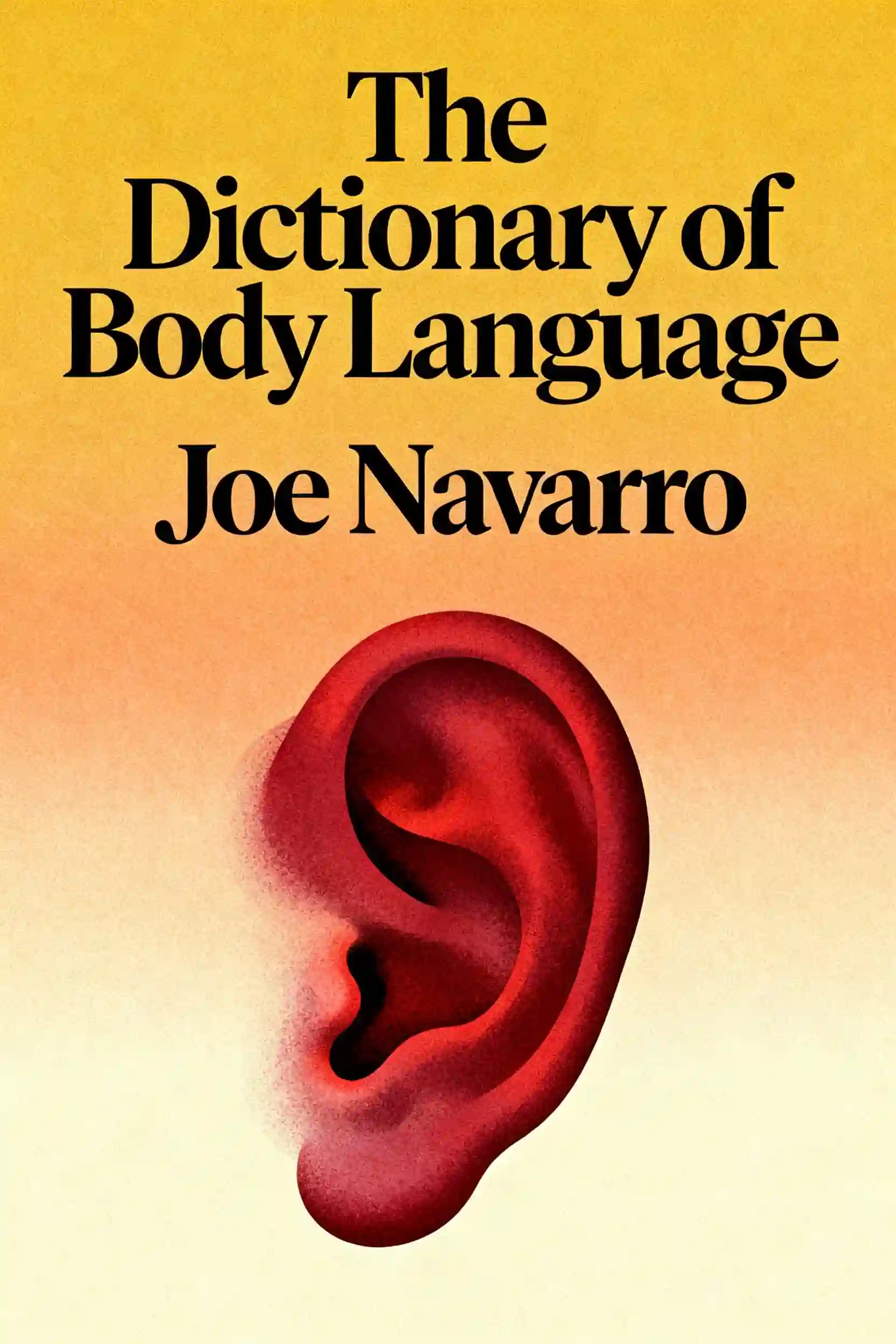
    Dictionary of Body Language
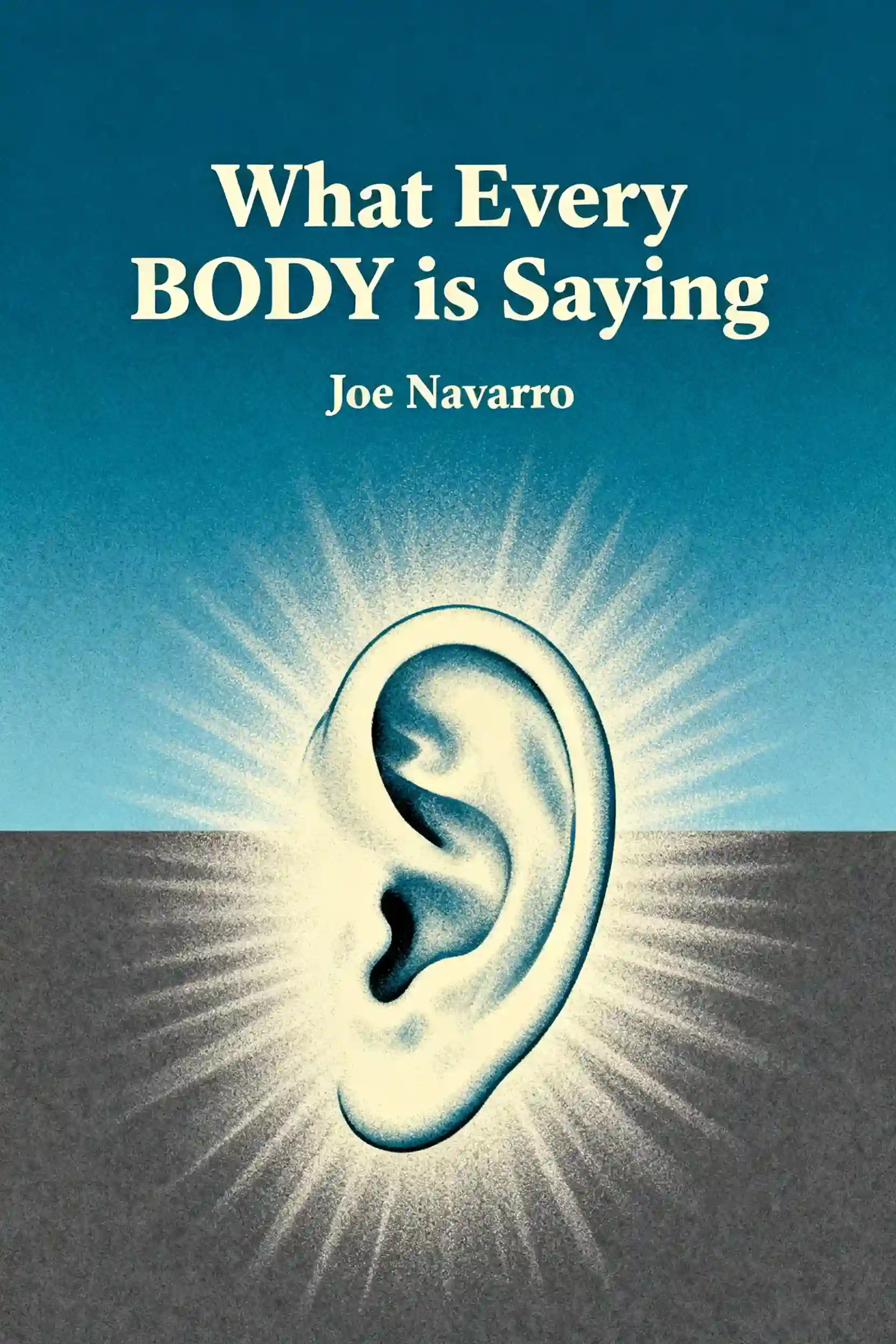
    What Every Body Is Saying
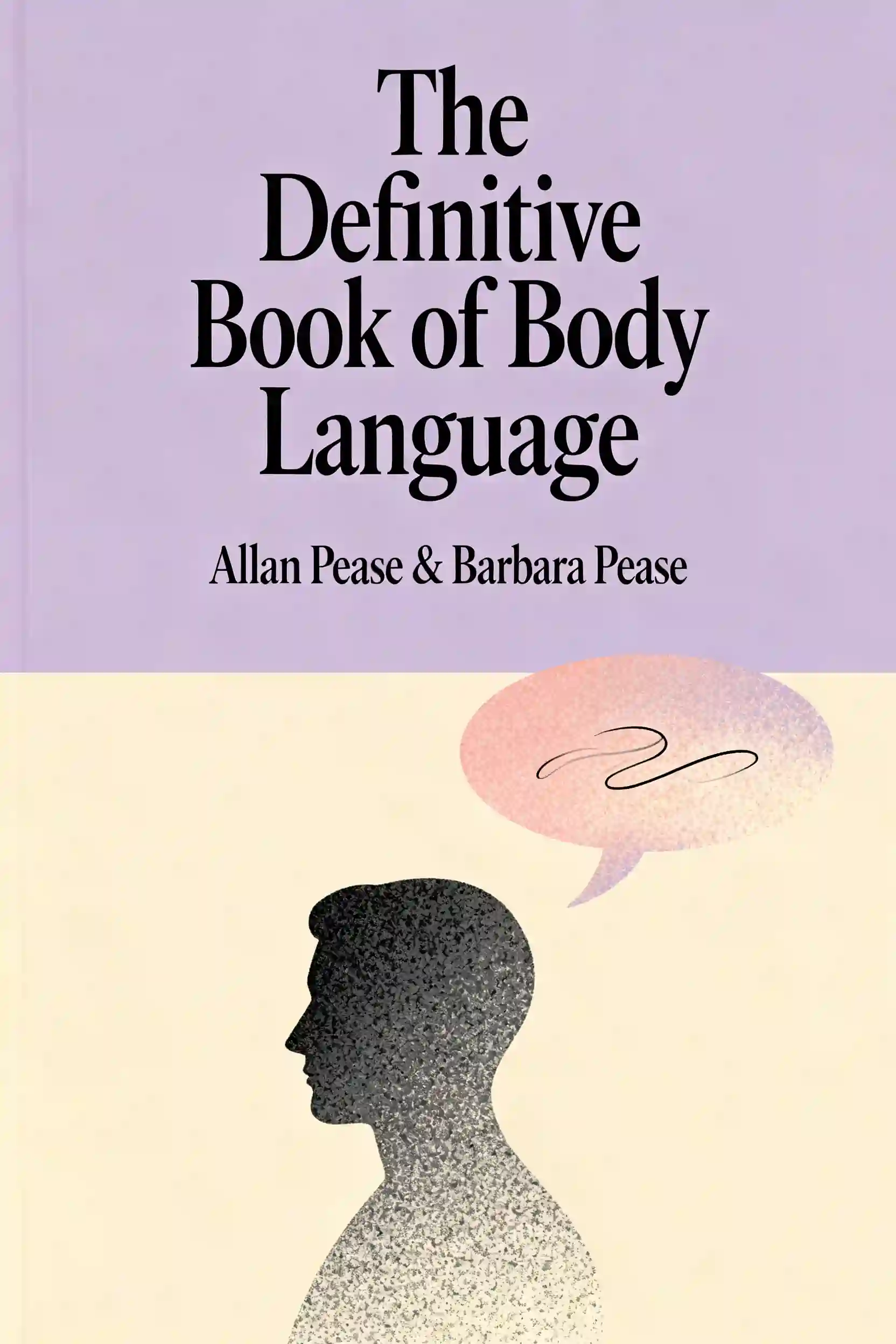
    The Definitive Book of Body Language
    Art of Reading Minds
    The like switch

    Frequently Asked Questions

    A baseline is the mental map of a person’s "normal" behavior when they are relaxed and under zero pressure. It includes noting their natural blink rate, how they typically sit, or if they habitually fidget with objects like a ring. Establishing this neutral state is essential because body language signals cannot be read in isolation; you can only identify a "hot spot" or a meaningful reaction by noticing a specific deviation from that individual's unique baseline.

    The feet and legs are considered the most honest parts of the body because they are governed by evolutionary survival instincts and are rarely "trained" to lie. While humans learn from a young age to mask their facial expressions to be polite or deceptive, the feet react instantaneously to comfort or threats. For example, "happy feet" (wiggling or bouncing) signal genuine excitement, while feet pointing toward an exit often reveal a subconscious desire to leave the conversation, regardless of what the person is saying.

    Pacifiers are self-soothing behaviors, such as rubbing the neck, stroking hair, or massaging earlobes, that adults use to calm their nervous system after a stress spike. These actions are triggered by the limbic system to lower the heart rate after a perceived threat or uncomfortable question. Recognizing a pacifier allows a listener to practice empathy by identifying that the other person is experiencing internal stress, providing an opportunity to slow down the conversation and create a sense of safety.

    The Othello Error is the mistake of assuming that a specific emotion has only one cause, such as interpreting signs of nervousness as proof of lying. In reality, a person may display "micro-fear" or stress not because they are guilty, but because they are anxious about being disbelieved or are intimidated by the situation. To avoid this error, one must look for clusters of signals and use follow-up questions to determine if the stress increases or decreases as the conversation becomes more specific.

    Mirror neurons are specialized brain cells that fire both when we perform an action and when we observe someone else doing it, serving as the biological basis for empathy. In successful interactions, this leads to "isopraxism," where two people unconsciously mirror each other's postures and energy levels. Intentionally matching the "tempo" or posture of another person can help build rapport and signal alignment, effectively acting as a "social thermostat" to smooth out friction in a conversation.

    From Columbia University alumni | built in San Francisco

    BeFreed Brings Together A Global Community Of Curious Minds

    4.7

    avg rating

    7.84k+ App Rating

    BeFreed Community

    Seriously I haven’t even explored this app fully yet but from using it the last few days I am so impressed... BeFreed is on a different level from any other learning app I have used. This makes it ultra engaging and can actually improve your concentration which is great for all the doom scrollers!

    @ladyInfinity

    I bought BeFreed exactly 23 days ago, and I have used it every single day since. It has completely embedded itself into my daily workflow and learning habit.

    @jayallen

    The truth is, the app has exceeded all my expectations. I can ask it to generate audio on any topic, whatever it may be, and the result is impressive. My professional field is a specialization in psychotherapy and it is multidisciplinary; however, the answers are very accurate.

    @Raguipa

    What I appreciate most is how much it's reduced my scrolling – I'm spending less time searching and more time absorbing information. The combination of full audiobooks, podcasts, the learning plans are brilliant.

    @colonyofcreatorsNGO

    I have been a PhotoReading Accelerated Learning Instructor for the past 24 years... books and reading and learning are my thing, and BeFreed has done a great job in providing an innovative approach to disseminating and delivering information in an easy to consume way.

    @BeFreed user

    It is not just a book summary app, I have used the 'fun reading' option and it's a much better summary and way to grasp ideas the traditional way, that alone is worth this deal.

    @austinakon

    I love this app. Used it for several days and I cannot stop listening. Such a great way to start.

    @jcrules328

    I really like the program; I have already tested it for around one month, and I feel that it's an amazing gem. It works so well because I can use BeFreed to create my own topics, and the voice is so good with unlimited choice of narrations.

    @DanielCZ

    Seriously I haven’t even explored this app fully yet but from using it the last few days I am so impressed... BeFreed is on a different level from any other learning app I have used. This makes it ultra engaging and can actually improve your concentration which is great for all the doom scrollers!

    @ladyInfinity

    I bought BeFreed exactly 23 days ago, and I have used it every single day since. It has completely embedded itself into my daily workflow and learning habit.

    @jayallen

    The truth is, the app has exceeded all my expectations. I can ask it to generate audio on any topic, whatever it may be, and the result is impressive. My professional field is a specialization in psychotherapy and it is multidisciplinary; however, the answers are very accurate.

    @Raguipa

    What I appreciate most is how much it's reduced my scrolling – I'm spending less time searching and more time absorbing information. The combination of full audiobooks, podcasts, the learning plans are brilliant.

    @colonyofcreatorsNGO

    I have been a PhotoReading Accelerated Learning Instructor for the past 24 years... books and reading and learning are my thing, and BeFreed has done a great job in providing an innovative approach to disseminating and delivering information in an easy to consume way.

    @BeFreed user

    It is not just a book summary app, I have used the 'fun reading' option and it's a much better summary and way to grasp ideas the traditional way, that alone is worth this deal.

    @austinakon

    I love this app. Used it for several days and I cannot stop listening. Such a great way to start.

    @jcrules328

    I really like the program; I have already tested it for around one month, and I feel that it's an amazing gem. It works so well because I can use BeFreed to create my own topics, and the voice is so good with unlimited choice of narrations.

    @DanielCZ

    I love the fact that I can get useful, condensed, information and ideas in a 8 - 15 minute podcast style audio. I'm not a general fan of podcasts because of all the fluff, but this cuts through all that.

    @BeFreed user

    I am finishing up my doctorate, and have to read a lot of unfamiliar material... With BeFreed, you simply enter a prompt, and the app finds source material for you and generates an audio podcast. I find the process in BeFreed to be more streamlined than NotebookLM.

    @Brad

    I often search YouTube for something to listen to whilst making breakfast, when I'm out walking, commuting, etc, and BeFreed has provided an even more targeted approach, without the adverts and the fluff!

    @BeFreed user

    The absolute best part about this platform is its versatility. There is literally no subject that is off-topic. It handles whatever you throw at it... It is rare to find an learning tool with zero limitations that actually delivers on its promises.

    @jayallen

    BeFreed is fantastic. The user-friendly design means I spend less time navigating and more time learning. The mix of audiobooks, podcasts, and learning plans is a genius combo that has completely changed my daily routine.

    @BeFreed user

    At the start I needed a while to understand how to create podcasts in italian language and boom! It is so great! I can ask to explain every argument and it does so well and so smartly!

    @matteo77

    BeFreed has become my daily app for audio books tools... What I like the most is the way you put your text and come with an audio that you can listen on the go.

    @kotanzu1

    I love the fact that I can get useful, condensed, information and ideas in a 8 - 15 minute podcast style audio. I'm not a general fan of podcasts because of all the fluff, but this cuts through all that.

    @BeFreed user

    I am finishing up my doctorate, and have to read a lot of unfamiliar material... With BeFreed, you simply enter a prompt, and the app finds source material for you and generates an audio podcast. I find the process in BeFreed to be more streamlined than NotebookLM.

    @Brad

    I often search YouTube for something to listen to whilst making breakfast, when I'm out walking, commuting, etc, and BeFreed has provided an even more targeted approach, without the adverts and the fluff!

    @BeFreed user

    The absolute best part about this platform is its versatility. There is literally no subject that is off-topic. It handles whatever you throw at it... It is rare to find an learning tool with zero limitations that actually delivers on its promises.

    @jayallen

    BeFreed is fantastic. The user-friendly design means I spend less time navigating and more time learning. The mix of audiobooks, podcasts, and learning plans is a genius combo that has completely changed my daily routine.

    @BeFreed user

    At the start I needed a while to understand how to create podcasts in italian language and boom! It is so great! I can ask to explain every argument and it does so well and so smartly!

    @matteo77

    BeFreed has become my daily app for audio books tools... What I like the most is the way you put your text and come with an audio that you can listen on the go.

    @kotanzu1

    See more on how BeFreed is discussed
    129.7K19.5K
    55.2K19.2K
    154.2K10827355
    48.1K2.5K
    81.2K6.6K
    82.3K1.8K
    Start your learning journey, now
    BeFreed app
    BeFreed

    Learn Anything, Personalized

    DiscordLinkedIn
    Featured book summaries
    Crucial ConversationsThe Perfect MarriageInto the WildNever Split the DifferenceAttachedGood to GreatSay Nothing
    Trending categories
    Self HelpCommunication SkillRelationshipMindfulnessPhilosophyInspirationProductivity
    Celebrities' reading list
    Elon MuskCharlie KirkBill GatesSteve JobsAndrew HubermanJoe RoganJordan Peterson
    Award winning collection
    Pulitzer PrizeNational Book AwardGoodreads Choice AwardsNobel Prize in LiteratureNew York TimesCaldecott MedalNebula Award
    Featured Topics
    ManagementAmerican HistoryWarTradingStoicismAnxietySex
    Best books by Year
    2025 Best Non Fiction Books2024 Best Non Fiction Books2023 Best Non Fiction Books
    Featured authors
    Chimamanda Ngozi AdichieGeorge OrwellO. J. SimpsonBarbara O'NeillWinston ChurchillCharlie Kirk
    BeFreed vs other apps
    BeFreed vs. Other Book Summary AppsBeFreed vs. ElevenReaderBeFreed vs. ReadwiseBeFreed vs. Anki
    Learning tools
    Knowledge VisualizerAI Podcast Generator
    Information
    About Usarrow
    Pricingarrow
    FAQarrow
    Blogarrow
    Careerarrow
    Partnershipsarrow
    Ambassador Programarrow
    Directoryarrow
    BeFreed
    Try now
    © 2026 BeFreed
    Term of UsePrivacy Policy
    BeFreed

    Learn Anything, Personalized

    DiscordLinkedIn
    Featured book summaries
    Crucial ConversationsThe Perfect MarriageInto the WildNever Split the DifferenceAttachedGood to GreatSay Nothing
    Trending categories
    Self HelpCommunication SkillRelationshipMindfulnessPhilosophyInspirationProductivity
    Celebrities' reading list
    Elon MuskCharlie KirkBill GatesSteve JobsAndrew HubermanJoe RoganJordan Peterson
    Award winning collection
    Pulitzer PrizeNational Book AwardGoodreads Choice AwardsNobel Prize in LiteratureNew York TimesCaldecott MedalNebula Award
    Featured Topics
    ManagementAmerican HistoryWarTradingStoicismAnxietySex
    Best books by Year
    2025 Best Non Fiction Books2024 Best Non Fiction Books2023 Best Non Fiction Books
    Learning tools
    Knowledge VisualizerAI Podcast Generator
    Featured authors
    Chimamanda Ngozi AdichieGeorge OrwellO. J. SimpsonBarbara O'NeillWinston ChurchillCharlie Kirk
    BeFreed vs other apps
    BeFreed vs. Other Book Summary AppsBeFreed vs. ElevenReaderBeFreed vs. ReadwiseBeFreed vs. Anki
    Information
    About Usarrow
    Pricingarrow
    FAQarrow
    Blogarrow
    Careerarrow
    Partnershipsarrow
    Ambassador Programarrow
    Directoryarrow
    BeFreed
    Try now
    © 2026 BeFreed
    Term of UsePrivacy Policy

    More like this

    Read People Instantly: Decode Hidden Body Language book cover
    What Every BODY is SayingUnmasking the FaceThe Dictionary of Body LanguageHow to Read People and Decode 7 Body Language Cues
    6 sources
    Read People Instantly: Decode Hidden Body Language
    Learn to see the secret language everyone speaks but few understand. Discover how feet, faces, and micro-expressions reveal true emotions instantly, giving you a superpower hiding in plain sight.
    8 min
    Decoding Human Signals book cover
    The Dictionary of Body LanguageUnmasking the FaceWhat Every BODY is SayingRead People Like a Book
    22 sources
    Decoding Human Signals
    Discover how to accurately read people through micro-expressions, body language, and vocal cues that reveal their true thoughts and feelings, even when their words say otherwise.
    58 min
    Micro-expressions: The Art of Reading Faces book cover
    How to Tell If Someone is Lying - Paul Ekman GroupHow to Read Microexpressions: The 7 Facial Expressions GuideMicro-expressions: Detecting Lies In 1/25th Of A Second (2026) - Formal PsychologyUsing Body Language in Negotiation - PON - Program on Negotiation at Harvard Law School
    8 sources
    Micro-expressions: The Art of Reading Faces
    Most people miss the split-second facial cues that reveal hidden emotions. Learn to spot these universal signals to navigate high-stakes conversations.
    858 min
    Reading People Like a Page book cover
    How to Read People: 7 Body Language Cues Decoded
    5 sources
    Reading People Like a Page
    Stop relying on body language myths. Learn to decode clusters of signals and establish baselines to understand what people are really thinking.
    883 min
    Reading People: The Body’s Silent Language book cover
    What Every BODY is Saying
– HarperCollins11 Best Body Language Books Ranked and ReviewedHow to Read Body Language: Nonverbal Cues That Reveal What People Really Think | PsychMaticReading Faces | How to Read Faces | Paul Ekman Group
    7 sources
    Reading People: The Body’s Silent Language
    When words and body language don't match, you're missing the real story. Learn to decode the honest signals of the feet, hands, and torso.
    1131 min
    The Silent Language: Mastering Body Language Decoding book cover
    The Dictionary of Body LanguageWhat Every BODY is SayingUnmasking the FaceRead People Like a Book
    20 sources
    The Silent Language: Mastering Body Language Decoding
    Learn to read subconscious signals and micro-expressions in milliseconds. This guide explores the limbic brain's role in communication and provides a practical playbook for high-stakes social navigation.
    22 min
    Decoding Human Signals book cover
    The Dictionary of Body LanguageUnmasking the FaceWhat Every BODY is SayingRead People Like a Book
    23 sources
    Decoding Human Signals
    Discover how to interpret the 93% of communication that's non-verbal, from micro-expressions to body positioning. Learn to read between the lines and understand what people are really saying beyond their words.
    60 min
    Mastering the Silent Language: Body Language Decoded book cover
    source 1source 2source 3source 4
    6 sources
    Mastering the Silent Language: Body Language Decoded
    Unlock the 93% of communication you've been missing! Learn to read microexpressions, detect deception, and build deeper connections through the fascinating science of nonverbal cues and social dynamics.
    9 min

    Recommended Learning Plans

    Read Body Language to Understand People
    LEARNING PLAN

    Read Body Language to Understand People

    In an era where much is left unsaid, mastering nonverbal cues provides a significant competitive advantage in both personal and professional settings. This plan is ideal for leaders, negotiators, and anyone looking to enhance their emotional intelligence and detect hidden social dynamics.

    6 h 28 m•4 Sections
    Master reading body language
    LEARNING PLAN

    Master reading body language

    Body language accounts for over 60% of human communication, yet most people miss critical nonverbal cues that reveal true intentions and emotions. This learning plan is essential for professionals in sales, leadership, negotiation, law enforcement, HR, and anyone seeking to improve their interpersonal effectiveness and ability to read people accurately.

    4 h 45 m•4 Sections
    Read the Room in Real Time
    LEARNING PLAN

    Read the Room in Real Time

    In high-stakes professional environments, technical expertise is often secondary to the ability to decode unspoken human behavior. This plan is designed for leaders and negotiators who need to master physiological signals and micro-expressions to navigate complex power dynamics effectively.

    1 h 30 m•3 Sections
    The Real-Time Human Decoder
    LEARNING PLAN

    The Real-Time Human Decoder

    In a world of filtered communication, the ability to read unspoken signals is a critical competitive advantage. This plan is designed for leaders, negotiators, and professionals who need to master micro-expressions and behavioral psychology to navigate complex social landscapes.

    1 h 24 m•4 Sections
    The Hidden Language of Human Interaction
    LEARNING PLAN

    The Hidden Language of Human Interaction

    In an era of digital noise, the ability to interpret subtle social signals is a critical competitive advantage. This plan is designed for leaders and collaborators who want to master non-verbal communication and the psychological mechanics of influence.

    2 h•4 Sections
    The Human Book: Decoding Hidden Intent
    LEARNING PLAN

    The Human Book: Decoding Hidden Intent

    In an era of complex communication, understanding what remains unsaid is a critical competitive advantage. This plan is essential for leaders, negotiators, and recruiters who need to master behavioral baselines, facial analysis, and linguistic markers to navigate high-stakes interactions.

    1 h 30 m•3 Sections
    Learn Psychology, Body Language & Attraction
    LEARNING PLAN

    Learn Psychology, Body Language & Attraction

    This plan is essential for anyone looking to master the unspoken rules of social interaction and human connection. It is ideal for professionals, leaders, and individuals seeking to enhance their influence, read people accurately, and build authentic charisma.

    6 h 21 m•4 Sections
    Read social cues to attract more people
    LEARNING PLAN

    Read social cues to attract more people

    Social connection is fundamental to human happiness and success, yet many people struggle to read the unspoken signals that govern relationships. This learning plan is perfect for anyone who feels they miss social cues, wants to build deeper connections, or wishes they were more naturally likable in both personal and professional settings.

    5 h 3 m•4 Sections