A Random Walk Down Wall Street
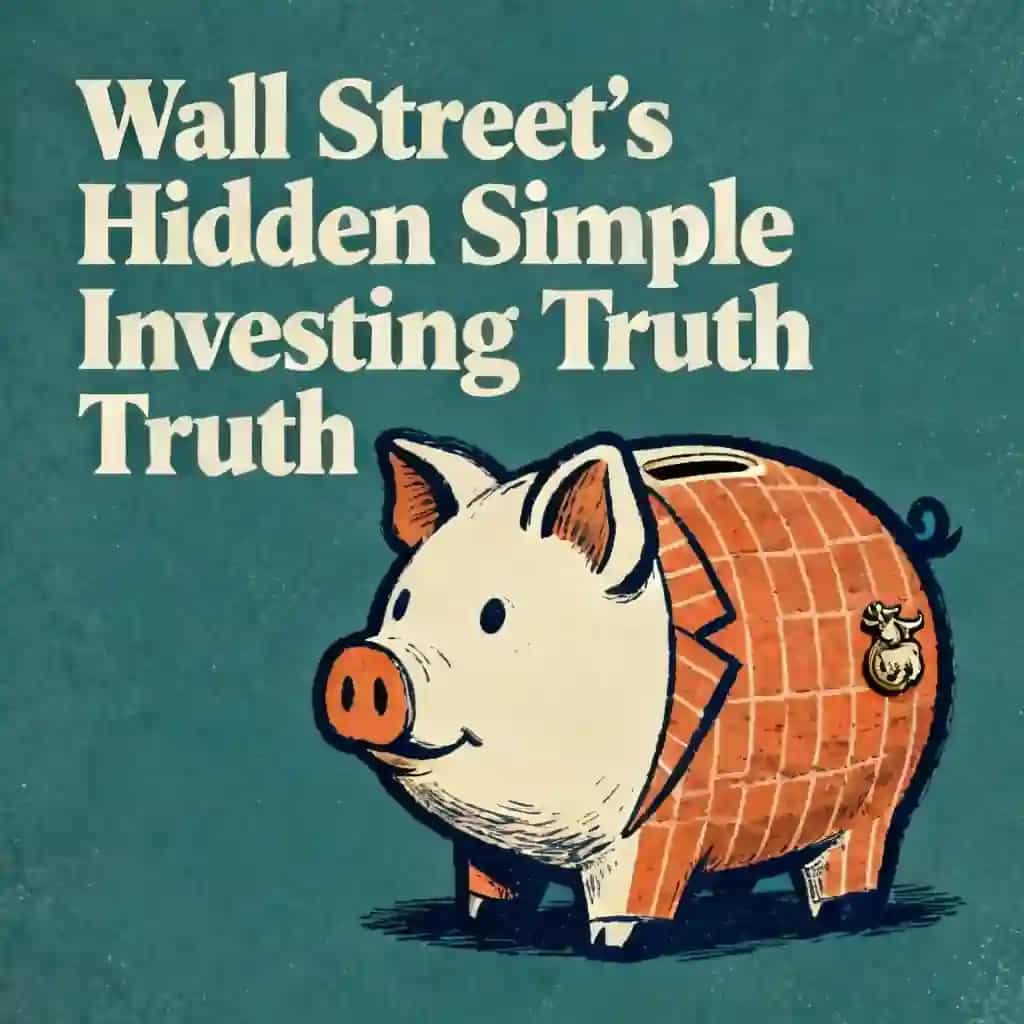
Wall Street experts often struggle to beat a dart-throwing monkey. Learn why market efficiency makes simple index funds your best path to wealth.
Best quote from A Random Walk Down Wall Street
The movement of stock prices is a 'random walk'—unpredictable and impossible to outguess in the long run. If the experts cannot consistently beat a monkey throwing darts, why are you paying them high fees to manage your money?
Generated with BeFreed
An audio lesson about the book A Random Walk Down Wall Street, covering its key ideas and takeaways.


Frequently Asked Questions
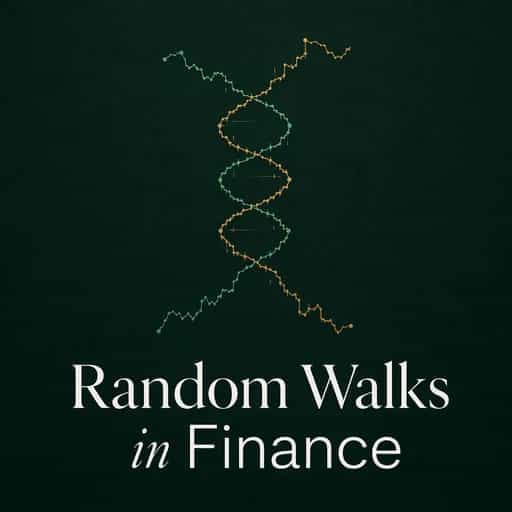
The "Random Walk" theory suggests that stock market prices are remarkably efficient and already reflect all known information about a company. Because new information happens unpredictably, price changes are also unpredictable and impossible to outguess consistently. This matters because it implies that the most highly paid financial professionals cannot reliably beat the market, making high management fees a poor investment for the average person.
Professional analysts typically rely on technical analysis (studying charts) or fundamental analysis (calculating intrinsic value), both of which have significant flaws. Technical analysis often identifies trends too late, and if many investors use the same data, any advantage is neutralized instantly. Fundamental analysis is hindered by the extreme difficulty of forecasting future growth accurately; research shows that professional analysts have an average error rate of over 31% over five-year periods.
The most effective way to reduce risk is through diversification, which is described as the only "free lunch" in investing. By combining assets that do not move in lockstep—such as stocks from different sectors, international securities, and bonds—you can reduce your portfolio's volatility. For example, owning about fifty well-diversified stocks can reduce portfolio risk by over 60% compared to owning just a few.
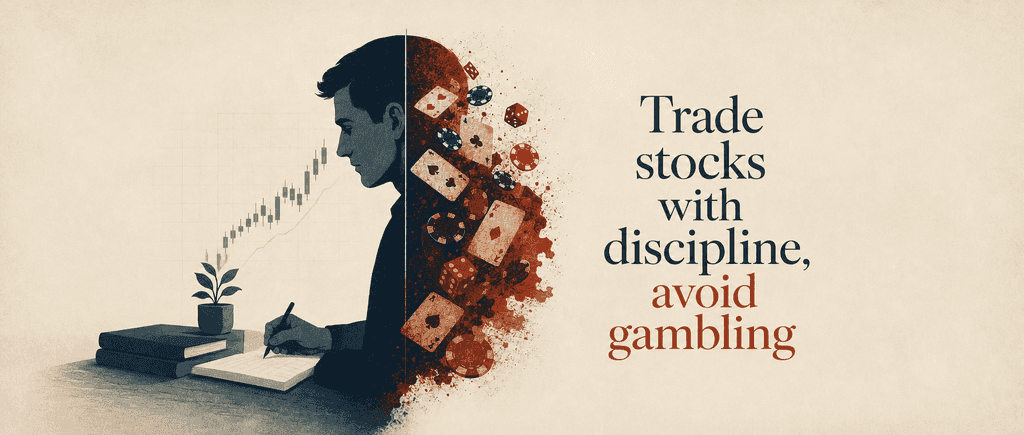
Investors often fall victim to overconfidence, which leads to excessive trading, and herd mentality, which creates a biological pull to follow the crowd into financial bubbles. Additionally, loss aversion causes people to feel the pain of a loss much more intensely than the joy of a gain. This often leads to the "disposition effect," where investors sell winning stocks too early to feel a sense of victory while holding onto losing stocks for far too long in hopes of breaking even.
The most reliable strategy is to use low-cost, broad-based index funds and practice "lethargic" investing. Key tactics include dollar-cost averaging, where you invest the same amount every month regardless of price, and rebalancing your portfolio once a year to maintain your desired risk level. Your asset allocation should be based on your age and capacity for risk, shifting from aggressive stock positions in your youth toward more stable bonds and dividend-paying stocks as you approach retirement.
From Columbia University alumni built in San Francisco
"Instead of endless scrolling, I just hit play on BeFreed. It saves me so much time."


"I never knew where to start with nonfiction—BeFreed’s book lists turned into podcasts gave me a clear path."


"Perfect balance between learning and entertainment. Finished ‘Thinking, Fast and Slow’ on my commute this week."
"Crazy how much I learned while walking the dog. BeFreed = small habits → big gains."
"Reading used to feel like a chore. Now it’s just part of my lifestyle."

"Feels effortless compared to reading. I’ve finished 6 books this month already."
"BeFreed turned my guilty doomscrolling into something that feels productive and inspiring."

"BeFreed turned my commute into learning time. 20-min podcasts are perfect for finishing books I never had time for."
"BeFreed replaced my podcast queue. Imagine Spotify for books — that’s it. 🙌"

"It is great for me to learn something from the book without reading it."
"The themed book list podcasts help me connect ideas across authors—like a guided audio journey."
"Makes me feel smarter every time before going to work"
From Columbia University alumni built in San Francisco
"Instead of endless scrolling, I just hit play on BeFreed. It saves me so much time."
"I never knew where to start with nonfiction—BeFreed’s book lists turned into podcasts gave me a clear path."
"Perfect balance between learning and entertainment. Finished ‘Thinking, Fast and Slow’ on my commute this week."
"Crazy how much I learned while walking the dog. BeFreed = small habits → big gains."
"Reading used to feel like a chore. Now it’s just part of my lifestyle."
"Feels effortless compared to reading. I’ve finished 6 books this month already."
"BeFreed turned my guilty doomscrolling into something that feels productive and inspiring."
"BeFreed turned my commute into learning time. 20-min podcasts are perfect for finishing books I never had time for."
"BeFreed replaced my podcast queue. Imagine Spotify for books — that’s it. 🙌"
"It is great for me to learn something from the book without reading it."
"The themed book list podcasts help me connect ideas across authors—like a guided audio journey."
"Makes me feel smarter every time before going to work"
"Instead of endless scrolling, I just hit play on BeFreed. It saves me so much time."
"I never knew where to start with nonfiction—BeFreed’s book lists turned into podcasts gave me a clear path."
"Perfect balance between learning and entertainment. Finished ‘Thinking, Fast and Slow’ on my commute this week."
"Crazy how much I learned while walking the dog. BeFreed = small habits → big gains."
"Reading used to feel like a chore. Now it’s just part of my lifestyle."
"Feels effortless compared to reading. I’ve finished 6 books this month already."
"BeFreed turned my guilty doomscrolling into something that feels productive and inspiring."
"BeFreed turned my commute into learning time. 20-min podcasts are perfect for finishing books I never had time for."
"BeFreed replaced my podcast queue. Imagine Spotify for books — that’s it. 🙌"
"It is great for me to learn something from the book without reading it."
"The themed book list podcasts help me connect ideas across authors—like a guided audio journey."
"Makes me feel smarter every time before going to work"
"Instead of endless scrolling, I just hit play on BeFreed. It saves me so much time."
"I never knew where to start with nonfiction—BeFreed’s book lists turned into podcasts gave me a clear path."
"Perfect balance between learning and entertainment. Finished ‘Thinking, Fast and Slow’ on my commute this week."
"Crazy how much I learned while walking the dog. BeFreed = small habits → big gains."
"Reading used to feel like a chore. Now it’s just part of my lifestyle."
"Feels effortless compared to reading. I’ve finished 6 books this month already."
"BeFreed turned my guilty doomscrolling into something that feels productive and inspiring."
"BeFreed turned my commute into learning time. 20-min podcasts are perfect for finishing books I never had time for."
"BeFreed replaced my podcast queue. Imagine Spotify for books — that’s it. 🙌"
"It is great for me to learn something from the book without reading it."
"The themed book list podcasts help me connect ideas across authors—like a guided audio journey."
"Makes me feel smarter every time before going to work"