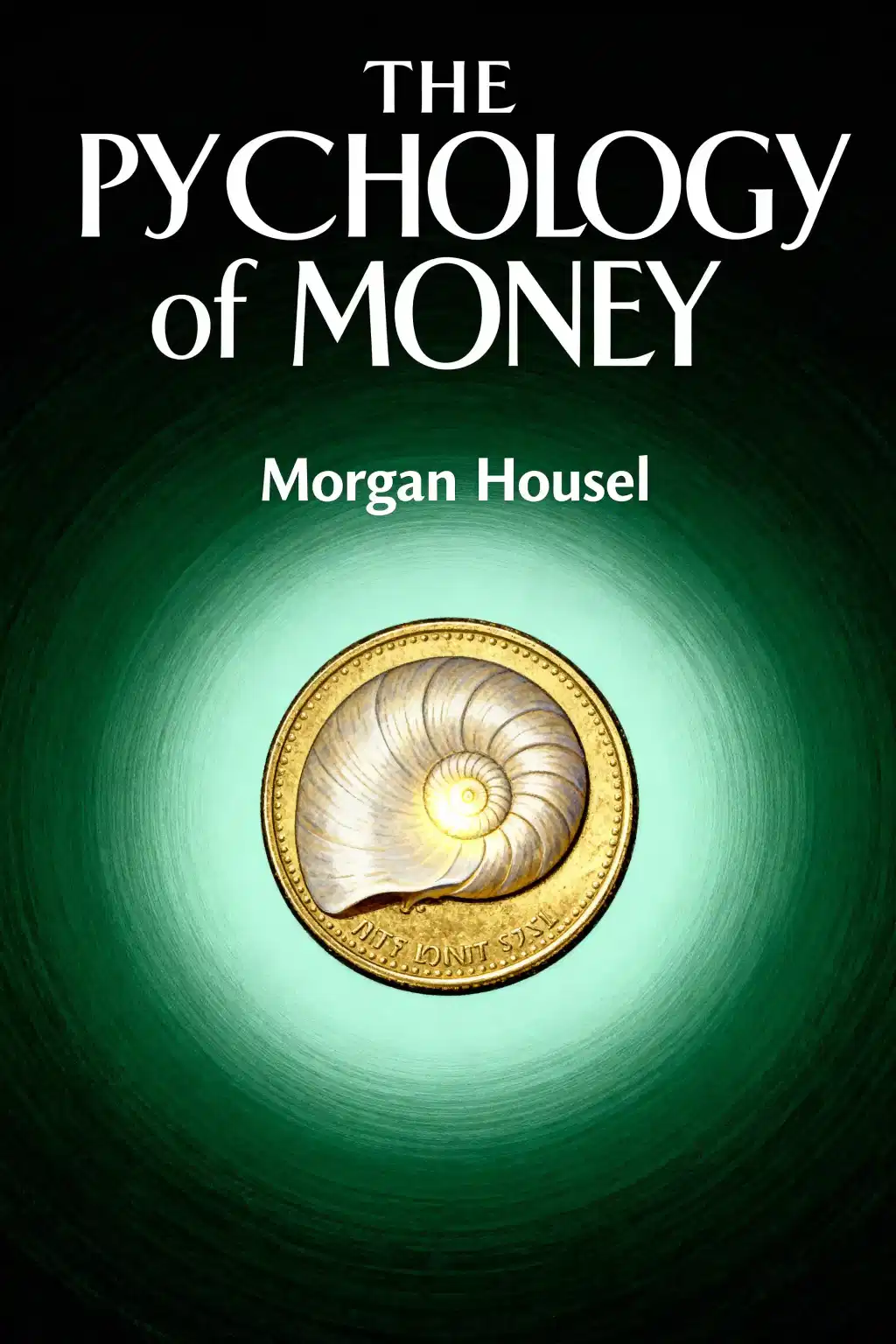
The Psychology of Money: The Logic of Patience & Compounding
Explore the logic of patience and compounding in The Psychology of Money. Learn how financial behavior and exponential growth helped Ronald Read build wealth.

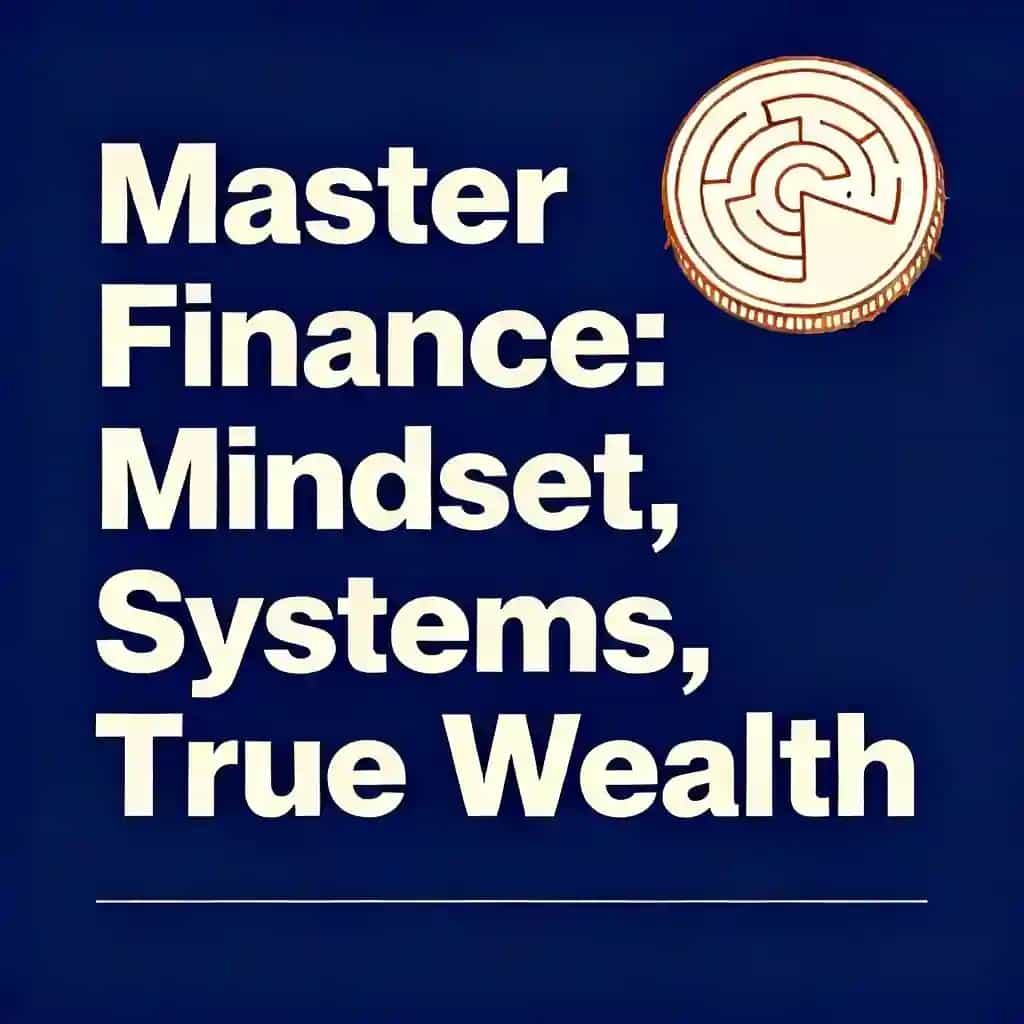
Best quote from The Psychology of Money: The Logic of Patience & Compounding
The highest form of wealth is the ability to wake up every morning and say, 'I can do whatever I want today.' The math of compounding serves the psychology of freedom.
Generated by Efe
A lesson based on 'The Psychology of Money' by Morgan Housel, specifically focusing on the principles of patience and the long-term mechanics of compounding. Use the attached source to explain why compounding is non-intuitive and how building patience helps navigate luck and risk over time.


Frequently Asked Questions
The core message focuses on the distinction between making money and keeping it. While many people obsess over the technical 'how-to' of earning wealth, the real mystery often lies in financial behavior and the temperament required to maintain it. As discussed by Morgan Housel, true wealth management is less about mathematical genius and more about the psychological battle of staying disciplined and avoiding the urge to throw away gains through reckless behavior.
Ronald Read was a janitor who managed to amass a fortune simply by staying in the game for several decades. His success wasn't due to a high-powered career or complex trading strategies, but rather his ability to leave blue-chip stocks alone. This illustrates that compounding interest works best when paired with investment patience, allowing exponential growth to turn modest savings into significant wealth over a long period of time.
Our brains are often structurally incapable of intuiting how exponential growth works because we tend to treat money as a linear problem. We often assume that if we work twice as hard, we should see twice the result immediately. However, wealth accumulation through compounding follows a curve rather than a straight line, requiring a shift in financial behavior to appreciate how small, consistent gains result in massive growth over ninety years.
A math-based approach views wealth as a failure of intuition regarding curves and formulas, while a psychology-based approach sees it as a battle of temperament. While the math of compounding is well-documented, the psychological challenge is having the grit to be 'boring' and patient when others are seeking excitement. Success in wealth management often comes down to the logic of patience rather than just understanding the mechanics of exponential growth.
From Columbia University alumni built in San Francisco
"Instead of endless scrolling, I just hit play on BeFreed. It saves me so much time."


"I never knew where to start with nonfiction—BeFreed’s book lists turned into podcasts gave me a clear path."


"Perfect balance between learning and entertainment. Finished ‘Thinking, Fast and Slow’ on my commute this week."
"Crazy how much I learned while walking the dog. BeFreed = small habits → big gains."
"Reading used to feel like a chore. Now it’s just part of my lifestyle."

"Feels effortless compared to reading. I’ve finished 6 books this month already."
"BeFreed turned my guilty doomscrolling into something that feels productive and inspiring."

"BeFreed turned my commute into learning time. 20-min podcasts are perfect for finishing books I never had time for."
"BeFreed replaced my podcast queue. Imagine Spotify for books — that’s it. 🙌"

"It is great for me to learn something from the book without reading it."
"The themed book list podcasts help me connect ideas across authors—like a guided audio journey."
"Makes me feel smarter every time before going to work"
From Columbia University alumni built in San Francisco
"Instead of endless scrolling, I just hit play on BeFreed. It saves me so much time."
"I never knew where to start with nonfiction—BeFreed’s book lists turned into podcasts gave me a clear path."
"Perfect balance between learning and entertainment. Finished ‘Thinking, Fast and Slow’ on my commute this week."
"Crazy how much I learned while walking the dog. BeFreed = small habits → big gains."
"Reading used to feel like a chore. Now it’s just part of my lifestyle."
"Feels effortless compared to reading. I’ve finished 6 books this month already."
"BeFreed turned my guilty doomscrolling into something that feels productive and inspiring."
"BeFreed turned my commute into learning time. 20-min podcasts are perfect for finishing books I never had time for."
"BeFreed replaced my podcast queue. Imagine Spotify for books — that’s it. 🙌"
"It is great for me to learn something from the book without reading it."
"The themed book list podcasts help me connect ideas across authors—like a guided audio journey."
"Makes me feel smarter every time before going to work"
"Instead of endless scrolling, I just hit play on BeFreed. It saves me so much time."
"I never knew where to start with nonfiction—BeFreed’s book lists turned into podcasts gave me a clear path."
"Perfect balance between learning and entertainment. Finished ‘Thinking, Fast and Slow’ on my commute this week."
"Crazy how much I learned while walking the dog. BeFreed = small habits → big gains."
"Reading used to feel like a chore. Now it’s just part of my lifestyle."
"Feels effortless compared to reading. I’ve finished 6 books this month already."
"BeFreed turned my guilty doomscrolling into something that feels productive and inspiring."
"BeFreed turned my commute into learning time. 20-min podcasts are perfect for finishing books I never had time for."
"BeFreed replaced my podcast queue. Imagine Spotify for books — that’s it. 🙌"
"It is great for me to learn something from the book without reading it."
"The themed book list podcasts help me connect ideas across authors—like a guided audio journey."
"Makes me feel smarter every time before going to work"
"Instead of endless scrolling, I just hit play on BeFreed. It saves me so much time."
"I never knew where to start with nonfiction—BeFreed’s book lists turned into podcasts gave me a clear path."
"Perfect balance between learning and entertainment. Finished ‘Thinking, Fast and Slow’ on my commute this week."
"Crazy how much I learned while walking the dog. BeFreed = small habits → big gains."
"Reading used to feel like a chore. Now it’s just part of my lifestyle."
"Feels effortless compared to reading. I’ve finished 6 books this month already."
"BeFreed turned my guilty doomscrolling into something that feels productive and inspiring."
"BeFreed turned my commute into learning time. 20-min podcasts are perfect for finishing books I never had time for."
"BeFreed replaced my podcast queue. Imagine Spotify for books — that’s it. 🙌"
"It is great for me to learn something from the book without reading it."
"The themed book list podcasts help me connect ideas across authors—like a guided audio journey."
"Makes me feel smarter every time before going to work"