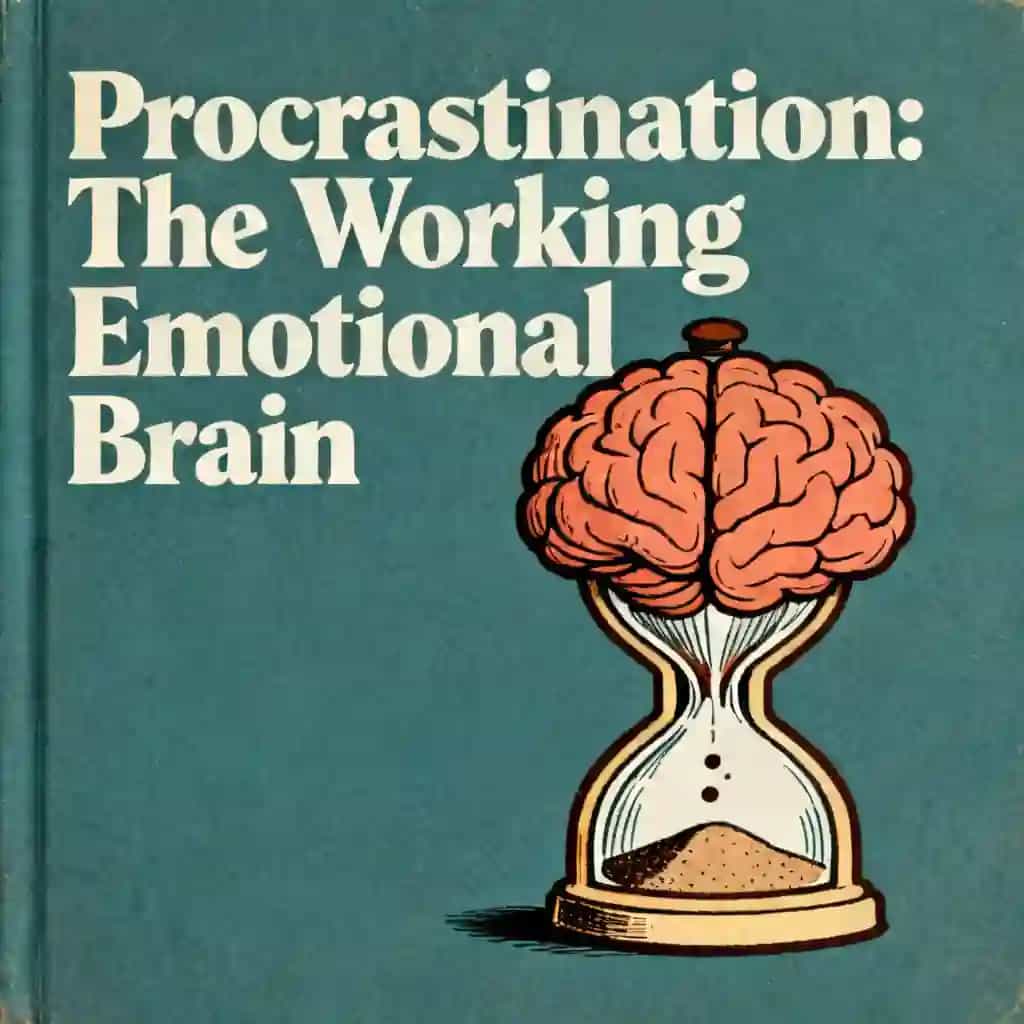
Procrastination and the Emotional Brain: The Science of Delay
Explore the science of procrastination and the emotional brain. Learn how temporal discounting and the fight between your current and future self cause delay.

Best quote from Procrastination and the Emotional Brain: The Science of Delay
Procrastination is actually an emotion-management problem, not a time-management one. You aren’t avoiding the task; you’re avoiding the negative emotions—the anxiety, the boredom, or the fear of failure—that the task triggers.

This audio lesson was created by a BeFreed community member
How to stop procrastinating




Frequently Asked Questions
Procrastination is often misunderstood as laziness or a lack of willpower, but it is actually a biological conflict within the brain. It involves a struggle between your current self and your future self. This internal fight creates a physical resistance to important tasks, leading individuals to prioritize immediate, smaller rewards over long-term goals and responsibilities.
Temporal discounting is a built-in human tendency where the brain prioritizes immediate rewards over future ones. For example, the brain may value a small reward today more than a larger reward in a month because the present feels real while the future feels like a hazy abstraction. This cognitive habit makes the 'future self' feel like a stranger who must deal with consequences later.
The urge to procrastinate is often driven by the brain's desire for an immediate hit of dopamine. Instead of focusing on a stressful deadline, the 'present self' seeks quick satisfaction from distracting activities, such as scrolling through videos or organizing household items. This preference for instant gratification is a key component of the emotional brain's role in delaying necessary tasks.
Discover more

Stop procrastination
Procrastination is often an emotional regulation issue rather than a lack of time management. This plan is essential for professionals and students who feel stuck in a cycle of avoidance and want to transition from reactive stress to proactive high performance.
Understand the resistance before tasks
This plan is essential for professionals and students who struggle with chronic procrastination and the mental friction that precedes difficult work. It provides a deep dive into the psychological roots of avoidance, offering actionable CBT tools to help high-achievers reclaim their focus.

Act on small things I keep avoiding
Many people struggle with procrastination not due to laziness, but because of how their brain processes perceived threats in small tasks. This plan is ideal for professionals and students who feel paralyzed by minor to-dos and want to transition from chronic avoidance to effortless action.

Break procrastination with many tasks due
This plan is designed for professionals and students struggling with heavy workloads and the paralysis of choice. It provides a comprehensive roadmap from understanding the psychology of delay to mastering high-level execution systems.

Stop Overthinking and Start Doing
This plan is designed for chronic procrastinators and perfectionists who feel paralyzed by analysis. It provides a practical framework to bridge the gap between intention and action by addressing both neurological barriers and emotional triggers.

The Slight Edge Procrastination Antidote
This plan is essential for anyone struggling with consistency or waiting for a 'big break' that never comes. It benefits professionals and students who want to replace procrastination with a sustainable system of small, compounding daily wins.
Bypass the ADHD Wall of Awful
This plan is designed for neurodivergent individuals and professionals who feel paralyzed by daunting tasks despite having the desire to start. It provides a roadmap to move past the 'freeze' state by addressing the biological and emotional roots of ADHD-related procrastination.

The Neurobiology of Self-Control
This learning plan is essential for anyone struggling with impulsivity or decision fatigue, as it bridges the gap between brain science and daily behavior. It is particularly beneficial for professionals and students looking to master emotional regulation and stop the drain of chronic overthinking.
From Columbia University alumni built in San Francisco
"Instead of endless scrolling, I just hit play on BeFreed. It saves me so much time."


"I never knew where to start with nonfiction—BeFreed’s book lists turned into podcasts gave me a clear path."


"Perfect balance between learning and entertainment. Finished ‘Thinking, Fast and Slow’ on my commute this week."
"Crazy how much I learned while walking the dog. BeFreed = small habits → big gains."
"Reading used to feel like a chore. Now it’s just part of my lifestyle."

"Feels effortless compared to reading. I’ve finished 6 books this month already."
"BeFreed turned my guilty doomscrolling into something that feels productive and inspiring."

"BeFreed turned my commute into learning time. 20-min podcasts are perfect for finishing books I never had time for."
"BeFreed replaced my podcast queue. Imagine Spotify for books — that’s it. 🙌"

"It is great for me to learn something from the book without reading it."
"The themed book list podcasts help me connect ideas across authors—like a guided audio journey."
"Makes me feel smarter every time before going to work"
From Columbia University alumni built in San Francisco
"Instead of endless scrolling, I just hit play on BeFreed. It saves me so much time."
"I never knew where to start with nonfiction—BeFreed’s book lists turned into podcasts gave me a clear path."
"Perfect balance between learning and entertainment. Finished ‘Thinking, Fast and Slow’ on my commute this week."
"Crazy how much I learned while walking the dog. BeFreed = small habits → big gains."
"Reading used to feel like a chore. Now it’s just part of my lifestyle."
"Feels effortless compared to reading. I’ve finished 6 books this month already."
"BeFreed turned my guilty doomscrolling into something that feels productive and inspiring."
"BeFreed turned my commute into learning time. 20-min podcasts are perfect for finishing books I never had time for."
"BeFreed replaced my podcast queue. Imagine Spotify for books — that’s it. 🙌"
"It is great for me to learn something from the book without reading it."
"The themed book list podcasts help me connect ideas across authors—like a guided audio journey."
"Makes me feel smarter every time before going to work"
"Instead of endless scrolling, I just hit play on BeFreed. It saves me so much time."
"I never knew where to start with nonfiction—BeFreed’s book lists turned into podcasts gave me a clear path."
"Perfect balance between learning and entertainment. Finished ‘Thinking, Fast and Slow’ on my commute this week."
"Crazy how much I learned while walking the dog. BeFreed = small habits → big gains."
"Reading used to feel like a chore. Now it’s just part of my lifestyle."
"Feels effortless compared to reading. I’ve finished 6 books this month already."
"BeFreed turned my guilty doomscrolling into something that feels productive and inspiring."
"BeFreed turned my commute into learning time. 20-min podcasts are perfect for finishing books I never had time for."
"BeFreed replaced my podcast queue. Imagine Spotify for books — that’s it. 🙌"
"It is great for me to learn something from the book without reading it."
"The themed book list podcasts help me connect ideas across authors—like a guided audio journey."
"Makes me feel smarter every time before going to work"
"Instead of endless scrolling, I just hit play on BeFreed. It saves me so much time."
"I never knew where to start with nonfiction—BeFreed’s book lists turned into podcasts gave me a clear path."
"Perfect balance between learning and entertainment. Finished ‘Thinking, Fast and Slow’ on my commute this week."
"Crazy how much I learned while walking the dog. BeFreed = small habits → big gains."
"Reading used to feel like a chore. Now it’s just part of my lifestyle."
"Feels effortless compared to reading. I’ve finished 6 books this month already."
"BeFreed turned my guilty doomscrolling into something that feels productive and inspiring."
"BeFreed turned my commute into learning time. 20-min podcasts are perfect for finishing books I never had time for."
"BeFreed replaced my podcast queue. Imagine Spotify for books — that’s it. 🙌"
"It is great for me to learn something from the book without reading it."
"The themed book list podcasts help me connect ideas across authors—like a guided audio journey."
"Makes me feel smarter every time before going to work"