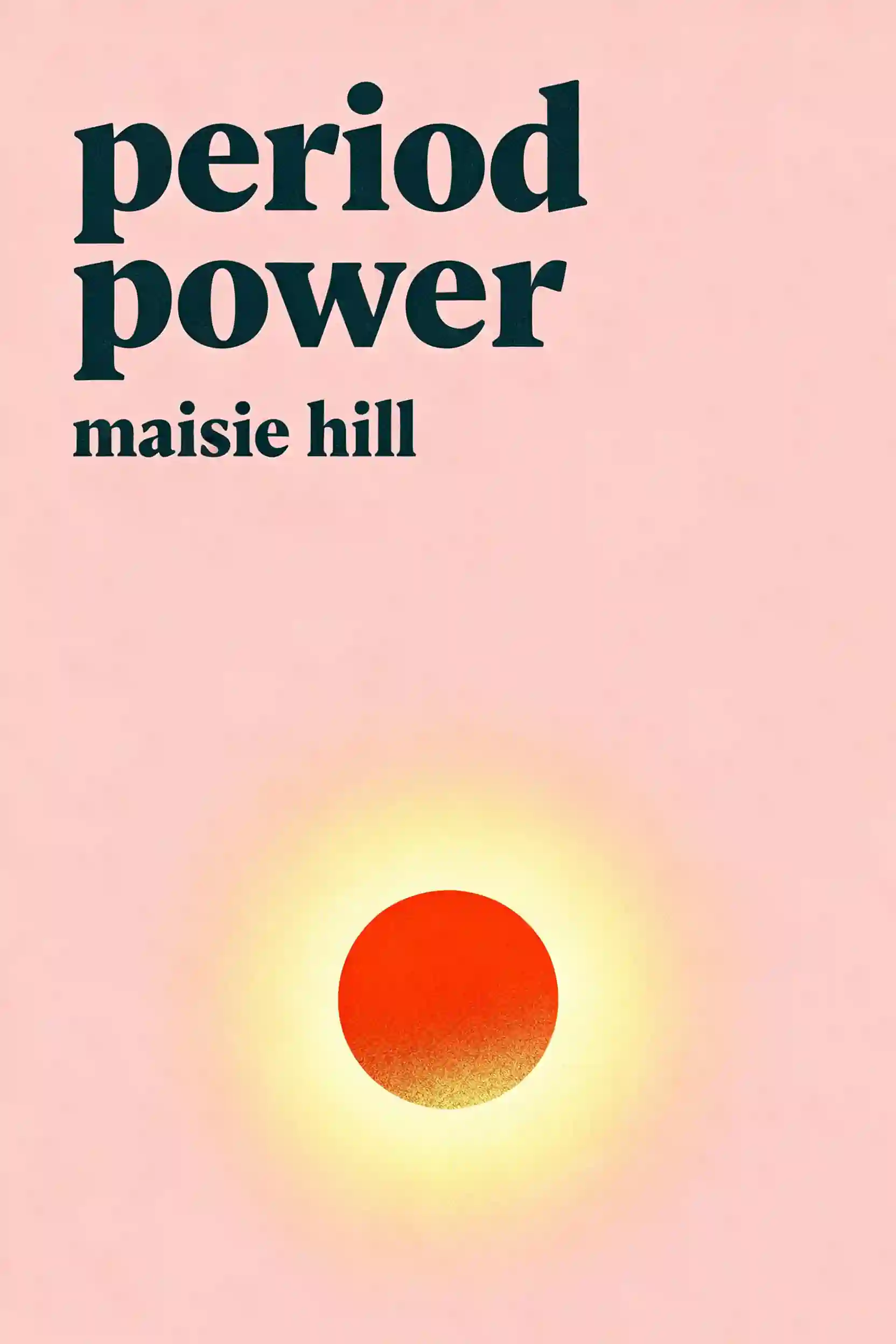
Period Power: Syncing Workouts to Your Cycle
Discover how to transform your fitness by aligning your training with your body's four hormonal phases. Learn to stop fighting your biology and start using your internal rhythm to maximize results and prevent burnout.

Best quote from Period Power: Syncing Workouts to Your Cycle
When you align your training with your internal 'seasons,' you stop fighting your biology and start seeing better results; the 'lazy' days aren't failures—they’re just a different type of productivity.
Generated by Magdalena Ciara
Based on the book „Period Power” I would like you to help me come up with a workout routine.

Frequently Asked Questions
These fluctuations are driven by your infradian rhythm, a roughly 28-day hormonal cycle that affects metabolism, brain chemistry, and muscle recovery. Unlike the 24-hour male hormonal cycle, women experience four distinct phases—Menstrual, Follicular, Ovulatory, and Luteal—each characterized by different levels of estrogen, progesterone, and testosterone. When you feel "weak" or "lazy," it is often because your body is prioritizing internal processes, like shedding the uterine lining or preparing for a potential pregnancy, rather than external physical performance.
The script suggests a "seasonal" approach to movement. During the Menstrual phase (winter), focus on restorative activities like yoga and walking. In the Follicular phase (spring), take advantage of rising estrogen to build muscle with heavy strength training and new skills. The Ovulatory phase (summer) is the time for peak intensity, such as HIIT or trying for personal records, though you must be mindful of joint stability. Finally, the Luteal phase (autumn) is best for steady-state endurance like long runs or cycling, eventually transitioning into lower-intensity maintenance as you approach your period.
While the Ovulatory phase provides a peak in power and confidence due to high estrogen and a spike in testosterone, it also carries a risk of joint laxity. High estrogen can make ligaments more "stretchy" or relaxed, potentially making joints like the knees and ankles less stable. To stay safe, you should perform a thorough dynamic warm-up and maintain an "eagle eye" on your form during explosive movements or heavy compound lifts to ensure your "suspension" can handle your "engine's" power.
During the Luteal phase, the hormone progesterone rises, which increases your resting metabolic rate by about 5 to 10 percent and raises your core body temperature. This metabolic shift causes your body to prefer burning fat for fuel but also triggers "hanger" or intense hunger. To manage these changes, it is recommended to eat complex carbohydrates to stabilize blood sugar and serotonin levels, stay hydrated to manage the higher internal temperature, and prioritize magnesium-rich foods to help with muscle relaxation and mood.
If you are on hormonal birth control, your hormonal levels are generally more "level," and you may not experience the same dramatic physiological shifts as those with a natural cycle. However, you can still apply the "spirit" of cycle syncing by tuning into your daily energy levels and giving yourself permission to rest or push based on how you feel. The core principle is to move away from a "one-size-fits-all" daily grind and toward a more intuitive, sustainable relationship with your body's fluctuating needs.
From Columbia University alumni built in San Francisco
"Instead of endless scrolling, I just hit play on BeFreed. It saves me so much time."


"I never knew where to start with nonfiction—BeFreed’s book lists turned into podcasts gave me a clear path."


"Perfect balance between learning and entertainment. Finished ‘Thinking, Fast and Slow’ on my commute this week."
"Crazy how much I learned while walking the dog. BeFreed = small habits → big gains."
"Reading used to feel like a chore. Now it’s just part of my lifestyle."

"Feels effortless compared to reading. I’ve finished 6 books this month already."
"BeFreed turned my guilty doomscrolling into something that feels productive and inspiring."

"BeFreed turned my commute into learning time. 20-min podcasts are perfect for finishing books I never had time for."
"BeFreed replaced my podcast queue. Imagine Spotify for books — that’s it. 🙌"

"It is great for me to learn something from the book without reading it."
"The themed book list podcasts help me connect ideas across authors—like a guided audio journey."
"Makes me feel smarter every time before going to work"
From Columbia University alumni built in San Francisco
"Instead of endless scrolling, I just hit play on BeFreed. It saves me so much time."
"I never knew where to start with nonfiction—BeFreed’s book lists turned into podcasts gave me a clear path."
"Perfect balance between learning and entertainment. Finished ‘Thinking, Fast and Slow’ on my commute this week."
"Crazy how much I learned while walking the dog. BeFreed = small habits → big gains."
"Reading used to feel like a chore. Now it’s just part of my lifestyle."
"Feels effortless compared to reading. I’ve finished 6 books this month already."
"BeFreed turned my guilty doomscrolling into something that feels productive and inspiring."
"BeFreed turned my commute into learning time. 20-min podcasts are perfect for finishing books I never had time for."
"BeFreed replaced my podcast queue. Imagine Spotify for books — that’s it. 🙌"
"It is great for me to learn something from the book without reading it."
"The themed book list podcasts help me connect ideas across authors—like a guided audio journey."
"Makes me feel smarter every time before going to work"
"Instead of endless scrolling, I just hit play on BeFreed. It saves me so much time."
"I never knew where to start with nonfiction—BeFreed’s book lists turned into podcasts gave me a clear path."
"Perfect balance between learning and entertainment. Finished ‘Thinking, Fast and Slow’ on my commute this week."
"Crazy how much I learned while walking the dog. BeFreed = small habits → big gains."
"Reading used to feel like a chore. Now it’s just part of my lifestyle."
"Feels effortless compared to reading. I’ve finished 6 books this month already."
"BeFreed turned my guilty doomscrolling into something that feels productive and inspiring."
"BeFreed turned my commute into learning time. 20-min podcasts are perfect for finishing books I never had time for."
"BeFreed replaced my podcast queue. Imagine Spotify for books — that’s it. 🙌"
"It is great for me to learn something from the book without reading it."
"The themed book list podcasts help me connect ideas across authors—like a guided audio journey."
"Makes me feel smarter every time before going to work"
"Instead of endless scrolling, I just hit play on BeFreed. It saves me so much time."
"I never knew where to start with nonfiction—BeFreed’s book lists turned into podcasts gave me a clear path."
"Perfect balance between learning and entertainment. Finished ‘Thinking, Fast and Slow’ on my commute this week."
"Crazy how much I learned while walking the dog. BeFreed = small habits → big gains."
"Reading used to feel like a chore. Now it’s just part of my lifestyle."
"Feels effortless compared to reading. I’ve finished 6 books this month already."
"BeFreed turned my guilty doomscrolling into something that feels productive and inspiring."
"BeFreed turned my commute into learning time. 20-min podcasts are perfect for finishing books I never had time for."
"BeFreed replaced my podcast queue. Imagine Spotify for books — that’s it. 🙌"
"It is great for me to learn something from the book without reading it."
"The themed book list podcasts help me connect ideas across authors—like a guided audio journey."
"Makes me feel smarter every time before going to work"