Passive Income Investing for Singaporeans: Build Early Retirement Cashflow
Learn how to build passive cashflow and achieve early retirement in Singapore through proven income investing strategies and dividend-focused portfolios.

Best quote from Passive Income Investing for Singaporeans: Build Early Retirement Cashflow
We need to move past the 'stock-picking contest' and start thinking of this as a personal salary system. It’s about building a survival floor so you have the psychological permission to take risks elsewhere.

This audio lesson was created by a BeFreed community member
I’d like to learn about passive or income investing for Singaporeans. How can I build a passive cashflow so that I can retire earlier.

Frequently Asked Questions
Passive income investing in Singapore involves building a portfolio of assets that generate regular cashflow with minimal ongoing effort. This strategy typically focuses on dividend-paying stocks, REITs, and other income-generating instruments available in the local and global markets. By reinvesting these payouts or using them to cover living expenses, Singaporeans can work toward financial independence and reduce their reliance on a traditional monthly salary.
Income investing facilitates early retirement by creating a consistent stream of passive cashflow that can eventually replace your primary income. By focusing on high-quality dividend stocks and strategic asset allocation, you can build a sustainable financial base. This approach allows you to cover your cost of living through investment returns rather than active labor, providing the financial freedom necessary to exit the workforce before the traditional retirement age.
Effective passive cashflow strategies for Singaporeans often include dividend investing, utilizing CPF top-ups for long-term growth, and investing in Real Estate Investment Trusts (REITs). The goal is to diversify your income sources to ensure stability across different market cycles. By consistently contributing to these income-focused assets, you can benefit from compounding returns, which accelerates the growth of your portfolio and brings you closer to your early retirement goals.
Discover more
Build passive income for financial freedom.
This learning plan is essential for individuals seeking to break the cycle of trading time for money. It provides a comprehensive roadmap for anyone from beginners to mid-career professionals looking to diversify their income through market, real estate, and digital channels.

Reach financial freedom via 3 income streams
This plan is designed for professionals seeking to break free from the single-income trap and build long-term security. It provides a practical roadmap for balancing active side hustles with passive investment strategies to achieve total financial independence.

Retirement goals 
This plan is essential for anyone looking to transition from active saving to long-term financial independence. It provides a comprehensive roadmap for professionals and pre-retirees to secure their future through smart investing and tax-efficient strategies.

Invest & Build Lasting Passive Income
This learning plan is essential for individuals seeking financial independence through diversified revenue streams rather than a single paycheck. It provides a comprehensive roadmap for professionals and aspiring investors to master stock market, real estate, and digital business fundamentals.

R250k to Monthly Cash Flow
This plan is essential for investors looking to transform static savings into active income without the complexity of traditional property management. It is ideal for South Africans seeking a balanced approach to wealth generation through low-risk bonds, dividend stocks, and REITs.
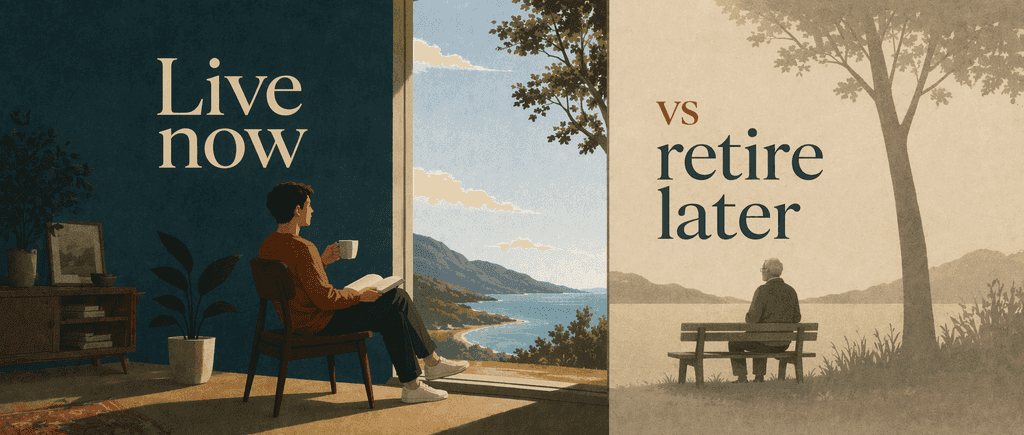
Live now vs retire later
Many people postpone happiness and fulfillment until retirement, sacrificing decades of potential joy. This learning plan challenges the deferred-life approach, offering practical strategies to create financial security while living meaningfully now, ideal for professionals seeking greater work-life harmony and those questioning traditional retirement paradigms.

Healthy Retirement
Retirement represents one of life's most significant transitions, yet many people focus solely on finances while neglecting health and purpose—the other pillars of a fulfilling later life. This integrated learning plan is essential for pre-retirees and recent retirees who want to thrive, not just survive, in their post-career years. By addressing financial security, physical longevity, and personal fulfillment together, you'll be equipped to design a retirement that's both sustainable and deeply rewarding.
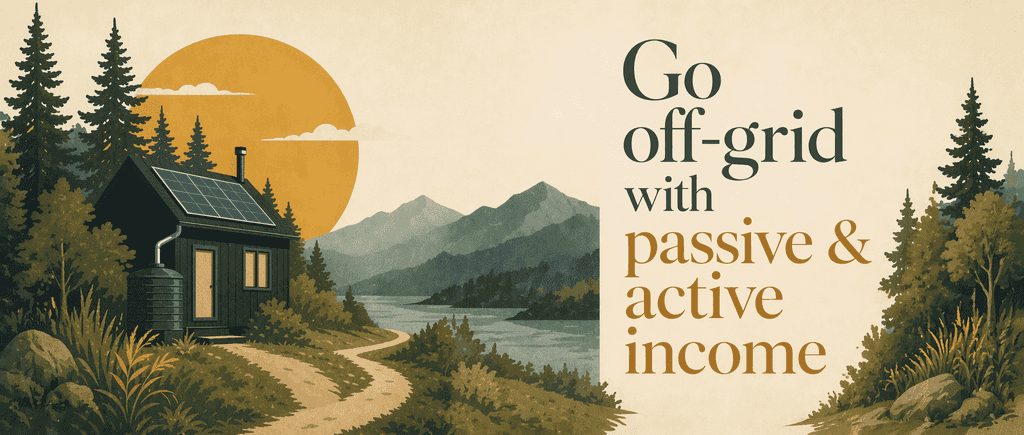
Go off-grid with passive & active income
This plan is designed for individuals seeking to escape the traditional 9-to-5 grind by combining financial independence with sustainable living. It bridges the gap between modern digital entrepreneurship and primitive self-sufficiency, making it ideal for aspiring digital nomads and homesteaders.
From Columbia University alumni built in San Francisco
"Instead of endless scrolling, I just hit play on BeFreed. It saves me so much time."


"I never knew where to start with nonfiction—BeFreed’s book lists turned into podcasts gave me a clear path."


"Perfect balance between learning and entertainment. Finished ‘Thinking, Fast and Slow’ on my commute this week."
"Crazy how much I learned while walking the dog. BeFreed = small habits → big gains."
"Reading used to feel like a chore. Now it’s just part of my lifestyle."

"Feels effortless compared to reading. I’ve finished 6 books this month already."
"BeFreed turned my guilty doomscrolling into something that feels productive and inspiring."

"BeFreed turned my commute into learning time. 20-min podcasts are perfect for finishing books I never had time for."
"BeFreed replaced my podcast queue. Imagine Spotify for books — that’s it. 🙌"

"It is great for me to learn something from the book without reading it."
"The themed book list podcasts help me connect ideas across authors—like a guided audio journey."
"Makes me feel smarter every time before going to work"
From Columbia University alumni built in San Francisco
"Instead of endless scrolling, I just hit play on BeFreed. It saves me so much time."
"I never knew where to start with nonfiction—BeFreed’s book lists turned into podcasts gave me a clear path."
"Perfect balance between learning and entertainment. Finished ‘Thinking, Fast and Slow’ on my commute this week."
"Crazy how much I learned while walking the dog. BeFreed = small habits → big gains."
"Reading used to feel like a chore. Now it’s just part of my lifestyle."
"Feels effortless compared to reading. I’ve finished 6 books this month already."
"BeFreed turned my guilty doomscrolling into something that feels productive and inspiring."
"BeFreed turned my commute into learning time. 20-min podcasts are perfect for finishing books I never had time for."
"BeFreed replaced my podcast queue. Imagine Spotify for books — that’s it. 🙌"
"It is great for me to learn something from the book without reading it."
"The themed book list podcasts help me connect ideas across authors—like a guided audio journey."
"Makes me feel smarter every time before going to work"
"Instead of endless scrolling, I just hit play on BeFreed. It saves me so much time."
"I never knew where to start with nonfiction—BeFreed’s book lists turned into podcasts gave me a clear path."
"Perfect balance between learning and entertainment. Finished ‘Thinking, Fast and Slow’ on my commute this week."
"Crazy how much I learned while walking the dog. BeFreed = small habits → big gains."
"Reading used to feel like a chore. Now it’s just part of my lifestyle."
"Feels effortless compared to reading. I’ve finished 6 books this month already."
"BeFreed turned my guilty doomscrolling into something that feels productive and inspiring."
"BeFreed turned my commute into learning time. 20-min podcasts are perfect for finishing books I never had time for."
"BeFreed replaced my podcast queue. Imagine Spotify for books — that’s it. 🙌"
"It is great for me to learn something from the book without reading it."
"The themed book list podcasts help me connect ideas across authors—like a guided audio journey."
"Makes me feel smarter every time before going to work"
"Instead of endless scrolling, I just hit play on BeFreed. It saves me so much time."
"I never knew where to start with nonfiction—BeFreed’s book lists turned into podcasts gave me a clear path."
"Perfect balance between learning and entertainment. Finished ‘Thinking, Fast and Slow’ on my commute this week."
"Crazy how much I learned while walking the dog. BeFreed = small habits → big gains."
"Reading used to feel like a chore. Now it’s just part of my lifestyle."
"Feels effortless compared to reading. I’ve finished 6 books this month already."
"BeFreed turned my guilty doomscrolling into something that feels productive and inspiring."
"BeFreed turned my commute into learning time. 20-min podcasts are perfect for finishing books I never had time for."
"BeFreed replaced my podcast queue. Imagine Spotify for books — that’s it. 🙌"
"It is great for me to learn something from the book without reading it."
"The themed book list podcasts help me connect ideas across authors—like a guided audio journey."
"Makes me feel smarter every time before going to work"