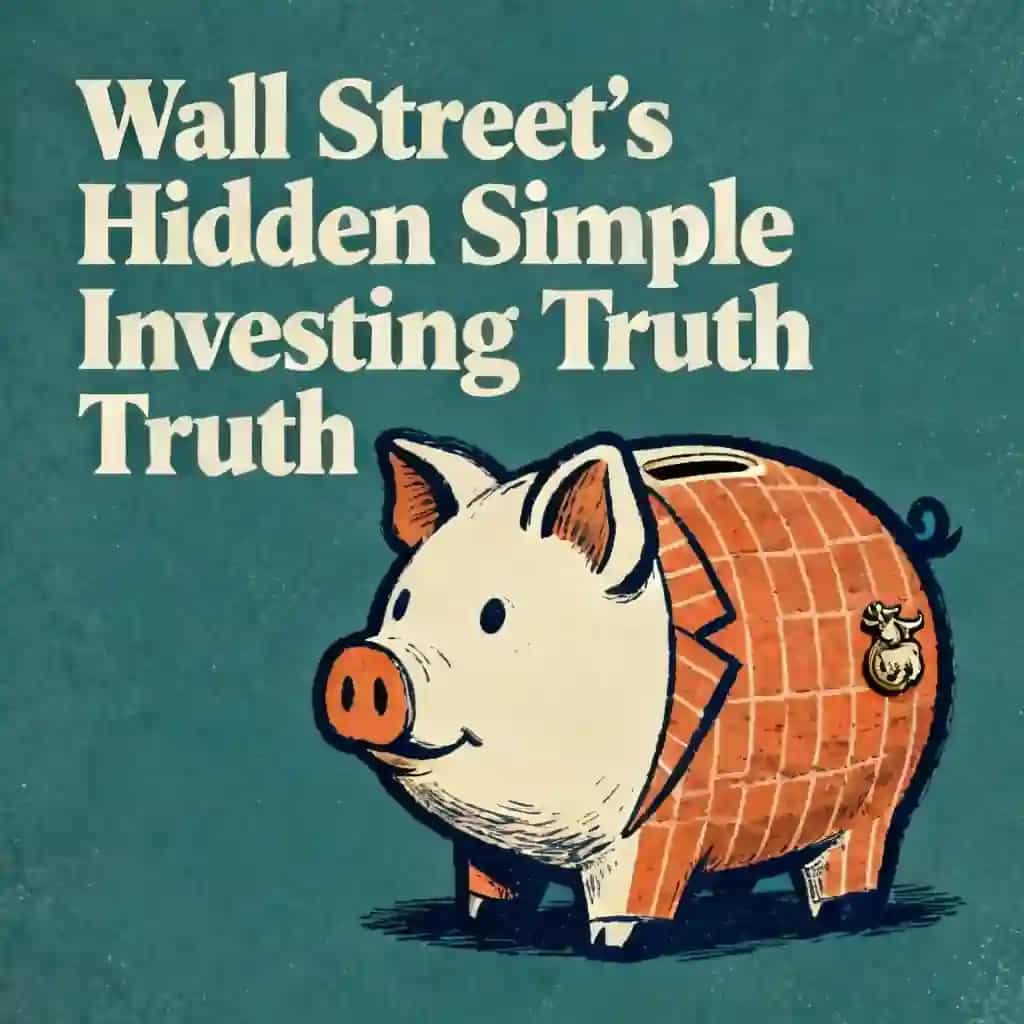
Overview of Little Book of Alternative Investments
Discover why traditional 60/40 portfolios are obsolete in "The Little Book of Alternative Investments." Praised by WealthTrack's Consuelo Mack as "not a dull page," Ben Stein and Phil DeMuth's guide became essential reading after the 2008 crash revealed the true power of diversification.
- Ben Stein advocates diversifying portfolios with low-correlation alternative assets like REITs
- Hedge funds offer non-traditional strategies to profit in rising and falling markets
- Real estate investments provide steady income, inflation hedging, and capital appreciation potential
- Private equity unlocks value in non-public companies through active ownership strategies
- Commodities act as portfolio insurance against inflation and market volatility shocks
- Alternative credit investments fill gaps left by traditional bank lending restrictions
- Long/short equity funds reduce market exposure while capturing upside and downside opportunities
- Investors should allocate 5-15% to alternative assets for optimal diversification benefits
- Ben Stein's "barbell approach" balances traditional stocks with alternative income generators
- Master limited partnerships (MLPs) offer tax-advantaged exposure to energy infrastructure assets
- Venture capital targets exponential growth through early-stage startup equity investments
- Alternative investments require understanding illiquidity risks and manager selection pitfalls
About the Author of Little Book of Alternative Investments
Ben Stein and Phil DeMuth, co-authors of The Little Book of Alternative Investments: Reaping Rewards by Daring to Be Different, are renowned financial experts and New York Times bestselling authors specializing in accessible investment strategies.
Stein is an economist, actor, and longtime columnist for The Wall Street Journal and Forbes. He combines his media savvy with DeMuth’s expertise as a PhD psychologist and founder of Conservative Wealth Management LLC.
Together, they’ve authored multiple finance guides, including Yes, You Can Time the Market! and The Little Book of Bulletproof Investing, blending behavioral psychology with data-driven market analysis. Stein’s frequent appearances on CNBC, Fox News, and CBS Sunday Morning and DeMuth’s contributions to Barron’s and academic journals underscore their authority.
Their collaborative works have shaped retirement planning and tax-efficient investing strategies, with books translated into multiple languages and cited by major financial institutions.
FAQs About Little Book of Alternative Investments
What is The Little Book of Alternative Investments by Ben Stein about?
The Little Book of Alternative Investments explores non-traditional assets like commodities, real estate, gold, and hedge funds to help investors diversify portfolios. Co-authored by economist Ben Stein and financial advisor Phil DeMuth, it emphasizes balancing risk by combining low-correlation assets. The book provides frameworks for evaluating alternatives, though some examples may feel dated since its 2011 publication.
Who should read The Little Book of Alternative Investments?
This book suits intermediate investors seeking to expand beyond stocks and bonds. It’s ideal for those interested in hedge funds, tangible assets, or strategies to mitigate market volatility. Beginners may find the technical sections challenging, while finance professionals could use it as a primer on portfolio diversification.
Is The Little Book of Alternative Investments worth reading?
Yes, for its clear breakdown of alternative assets and their role in risk management. While some fund examples are outdated, the core principles about diversification and correlation remain relevant. Stein’s accessible writing makes complex topics like commodities pricing or REITs understandable for non-experts.
What are the key concepts in The Little Book of Alternative Investments?
Key ideas include:
- Low-correlation assets reducing portfolio risk
- Hedge fund strategies like long/short equity and global macro
- Tangible investments (gold, real estate) as inflation hedges
- Due diligence frameworks for evaluating alternative opportunities
How does The Little Book of Alternative Investments approach hedge funds?
Stein and DeMuth categorize hedge funds by strategy (e.g., arbitrage, distressed assets) and explain their role in diversification. They caution about high fees and liquidity risks but highlight potential returns uncorrelated to traditional markets. The book lists historical fund examples, though readers should verify current performance.
What criticisms exist about The Little Book of Alternative Investments?
Critics note its 2011 examples (e.g., specific hedge funds) may not reflect post-2020 market dynamics. Some argue it oversimplifies commodities trading risks. However, the core thesis—diversifying beyond stocks/bonds—remains widely endorsed by financial advisors.
How does this book compare to Ben Stein’s other finance guides?
Unlike Stein’s retirement-focused Yes, You Can Retire Comfortably, this book targets active investors exploring niche markets. It shares his signature humor and real-world analogies but delves deeper into institutional-grade strategies.
What quotes summarize The Little Book of Alternative Investments?
- “Alternatives are the shock absorbers of your portfolio” – emphasizing volatility reduction
- “Diversification isn’t about owning more stocks—it’s about owning different risks” – redefining asset allocation
Why is The Little Book of Alternative Investments relevant in 2025?
With markets facing AI-driven volatility and crypto fluctuations, its lessons on non-correlated assets help investors stabilize returns. The book’s frameworks adapt well to newer alternatives like blockchain-based investments or green energy funds.
How does the book advise evaluating alternative investments?
Stein outlines a 4-step process:
- Assess correlation to existing holdings
- Analyze liquidity and fee structures
- Verify historical performance during crises
- Allocate only 5-20% of total portfolio
What alternatives does the book recommend for conservative investors?
It highlights REITs, Treasury Inflation-Protected Securities (TIPS), and blue-chip art/collectibles as lower-risk options. These assets provide inflation hedging without the volatility of commodities or hedge funds.
How does The Little Book of Alternative Investments define “new cheese”?
Metaphorically, “new cheese” represents adapting portfolios to evolving markets—a theme Stein reinforces through case studies on post-2008 recovery strategies. This mirrors his earlier work linking economic resilience to flexible investing.
Feel the book through the author's voice
Turn knowledge into engaging, example-rich insights
Capture key ideas in a flash for fast learning
Enjoy the book in a fun and engaging way
Key Themes in Little Book of Alternative Investments
Quotes from Little Book of Alternative Investments
Luck is a terrible strategy.
Markets for collectibles are highly illiquid.
Characters in Little Book of Alternative Investments
Quick Summary Mode - Read or listen to Little Book of Alternative Investments Summary in 9 Minutes

Break down key ideas from Little Book of Alternative Investments into bite-sized takeaways to understand how innovative teams create, collaborate, and grow.

Flash Card Mode - Top 10 Insights from Little Book of Alternative Investments in a Nutshell

Distill Little Book of Alternative Investments into rapid-fire memory cues that highlight key principles of candor, teamwork, and creative resilience.

Fun Mode - Little Book of Alternative Investments Lessons Told Through 25-Min Stories

Experience Little Book of Alternative Investments through vivid storytelling that turns innovation lessons into moments you'll remember and apply.
Personalize Mode - Read or listen to Little Book of Alternative Investments Summary in 0 Minutes

Ask anything, pick the voice, and co-create insights that truly resonate with you.

From Columbia University alumni built in San Francisco
"Instead of endless scrolling, I just hit play on BeFreed. It saves me so much time."


"I never knew where to start with nonfiction—BeFreed’s book lists turned into podcasts gave me a clear path."


"Perfect balance between learning and entertainment. Finished ‘Thinking, Fast and Slow’ on my commute this week."
"Crazy how much I learned while walking the dog. BeFreed = small habits → big gains."
"Reading used to feel like a chore. Now it’s just part of my lifestyle."

"Feels effortless compared to reading. I’ve finished 6 books this month already."
"BeFreed turned my guilty doomscrolling into something that feels productive and inspiring."

"BeFreed turned my commute into learning time. 20-min podcasts are perfect for finishing books I never had time for."
"BeFreed replaced my podcast queue. Imagine Spotify for books — that’s it. 🙌"

"It is great for me to learn something from the book without reading it."
"The themed book list podcasts help me connect ideas across authors—like a guided audio journey."
"Makes me feel smarter every time before going to work"
From Columbia University alumni built in San Francisco
"Instead of endless scrolling, I just hit play on BeFreed. It saves me so much time."
"I never knew where to start with nonfiction—BeFreed’s book lists turned into podcasts gave me a clear path."
"Perfect balance between learning and entertainment. Finished ‘Thinking, Fast and Slow’ on my commute this week."
"Crazy how much I learned while walking the dog. BeFreed = small habits → big gains."
"Reading used to feel like a chore. Now it’s just part of my lifestyle."
"Feels effortless compared to reading. I’ve finished 6 books this month already."
"BeFreed turned my guilty doomscrolling into something that feels productive and inspiring."
"BeFreed turned my commute into learning time. 20-min podcasts are perfect for finishing books I never had time for."
"BeFreed replaced my podcast queue. Imagine Spotify for books — that’s it. 🙌"
"It is great for me to learn something from the book without reading it."
"The themed book list podcasts help me connect ideas across authors—like a guided audio journey."
"Makes me feel smarter every time before going to work"
"Instead of endless scrolling, I just hit play on BeFreed. It saves me so much time."
"I never knew where to start with nonfiction—BeFreed’s book lists turned into podcasts gave me a clear path."
"Perfect balance between learning and entertainment. Finished ‘Thinking, Fast and Slow’ on my commute this week."
"Crazy how much I learned while walking the dog. BeFreed = small habits → big gains."
"Reading used to feel like a chore. Now it’s just part of my lifestyle."
"Feels effortless compared to reading. I’ve finished 6 books this month already."
"BeFreed turned my guilty doomscrolling into something that feels productive and inspiring."
"BeFreed turned my commute into learning time. 20-min podcasts are perfect for finishing books I never had time for."
"BeFreed replaced my podcast queue. Imagine Spotify for books — that’s it. 🙌"
"It is great for me to learn something from the book without reading it."
"The themed book list podcasts help me connect ideas across authors—like a guided audio journey."
"Makes me feel smarter every time before going to work"
"Instead of endless scrolling, I just hit play on BeFreed. It saves me so much time."
"I never knew where to start with nonfiction—BeFreed’s book lists turned into podcasts gave me a clear path."
"Perfect balance between learning and entertainment. Finished ‘Thinking, Fast and Slow’ on my commute this week."
"Crazy how much I learned while walking the dog. BeFreed = small habits → big gains."
"Reading used to feel like a chore. Now it’s just part of my lifestyle."
"Feels effortless compared to reading. I’ve finished 6 books this month already."
"BeFreed turned my guilty doomscrolling into something that feels productive and inspiring."
"BeFreed turned my commute into learning time. 20-min podcasts are perfect for finishing books I never had time for."
"BeFreed replaced my podcast queue. Imagine Spotify for books — that’s it. 🙌"
"It is great for me to learn something from the book without reading it."
"The themed book list podcasts help me connect ideas across authors—like a guided audio journey."
"Makes me feel smarter every time before going to work"

Get the Little Book of Alternative Investments summary as a free PDF or EPUB. Print it or read offline anytime.