Overcome Fear of Flying by Separating Fear From Danger
Struggling with flight anxiety despite knowing the facts? Learn how to reframe your fear and use practical tools to finally feel calm in the air.

Best quote from Overcome Fear of Flying by Separating Fear From Danger
Anxiety tricks our common sense by making us feel like being anxious equals being in actual danger, even when we’re in one of the safest places a human can be. The goal is to move from avoidance to acceptance, separating the feeling of fear from the reality of safety.
Generated by Erica Boland
Overcome fear of flying

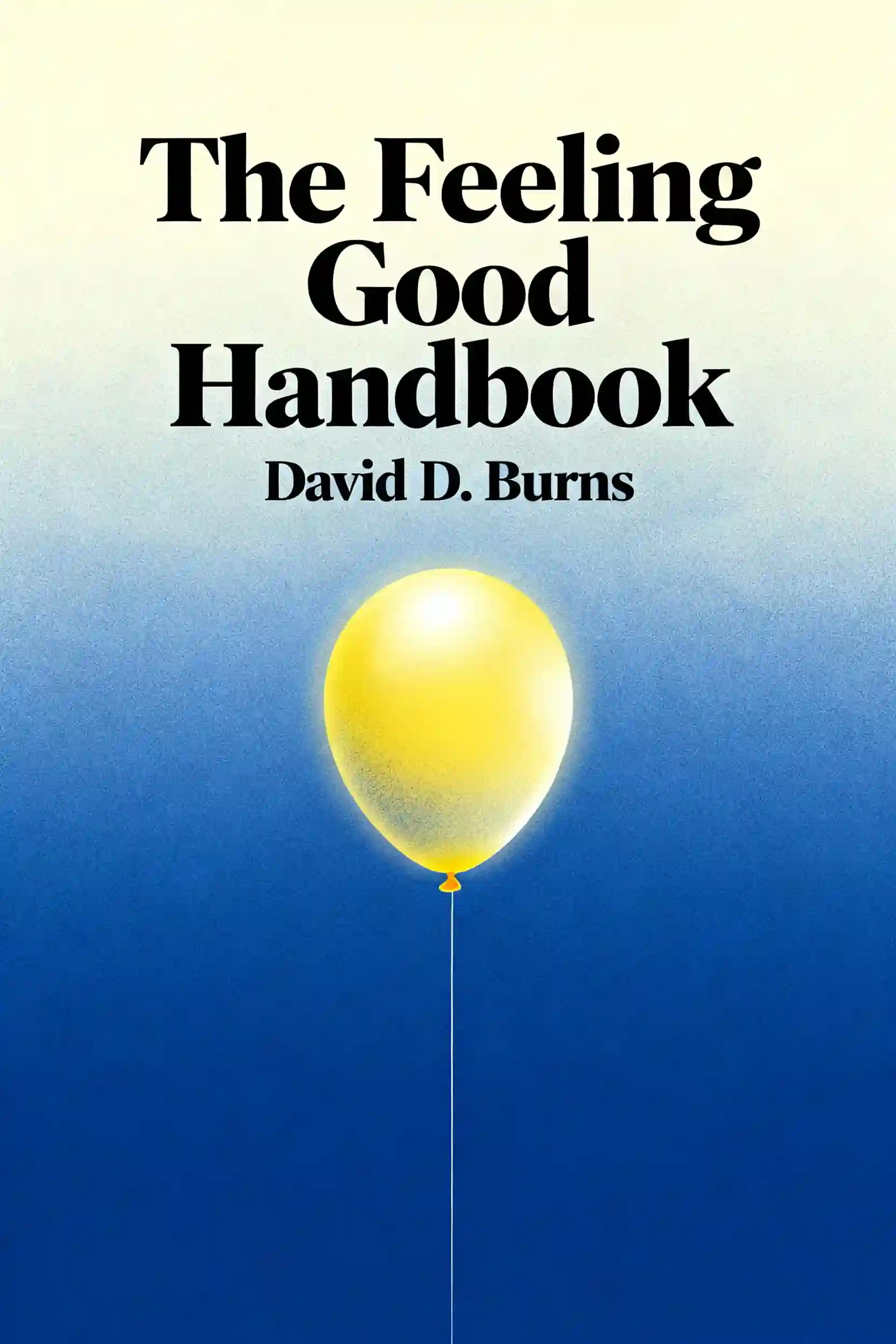
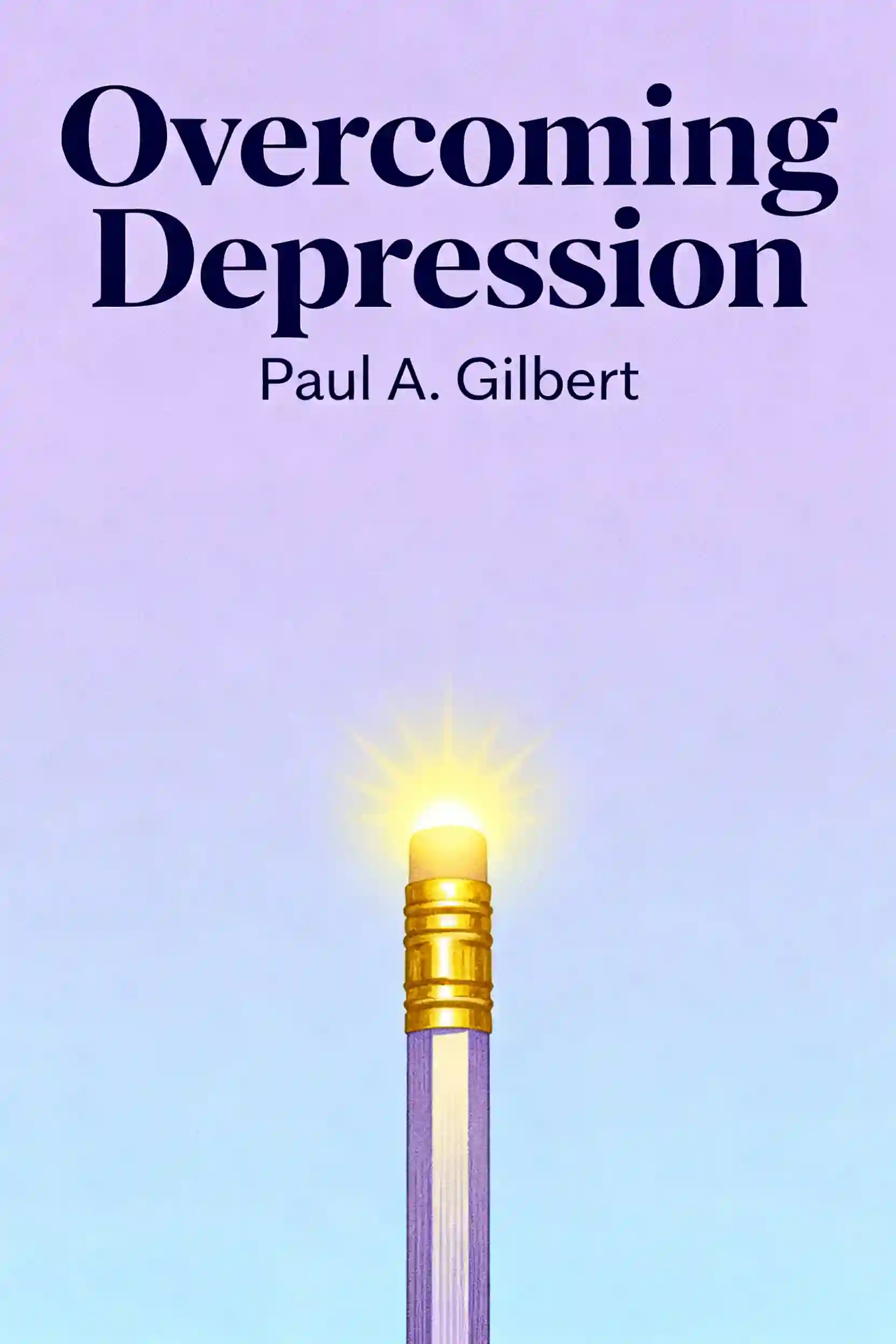
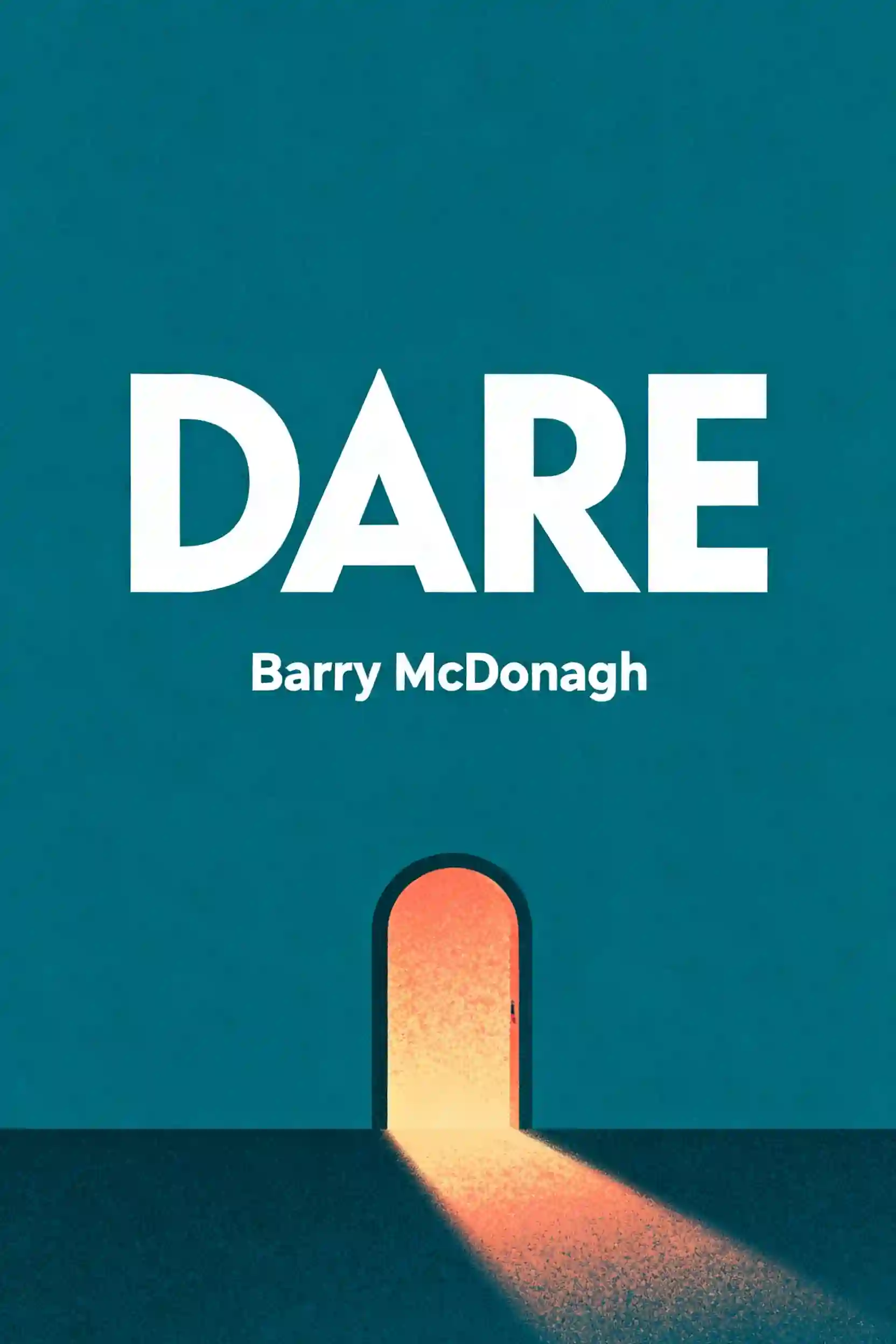
Frequently Asked Questions
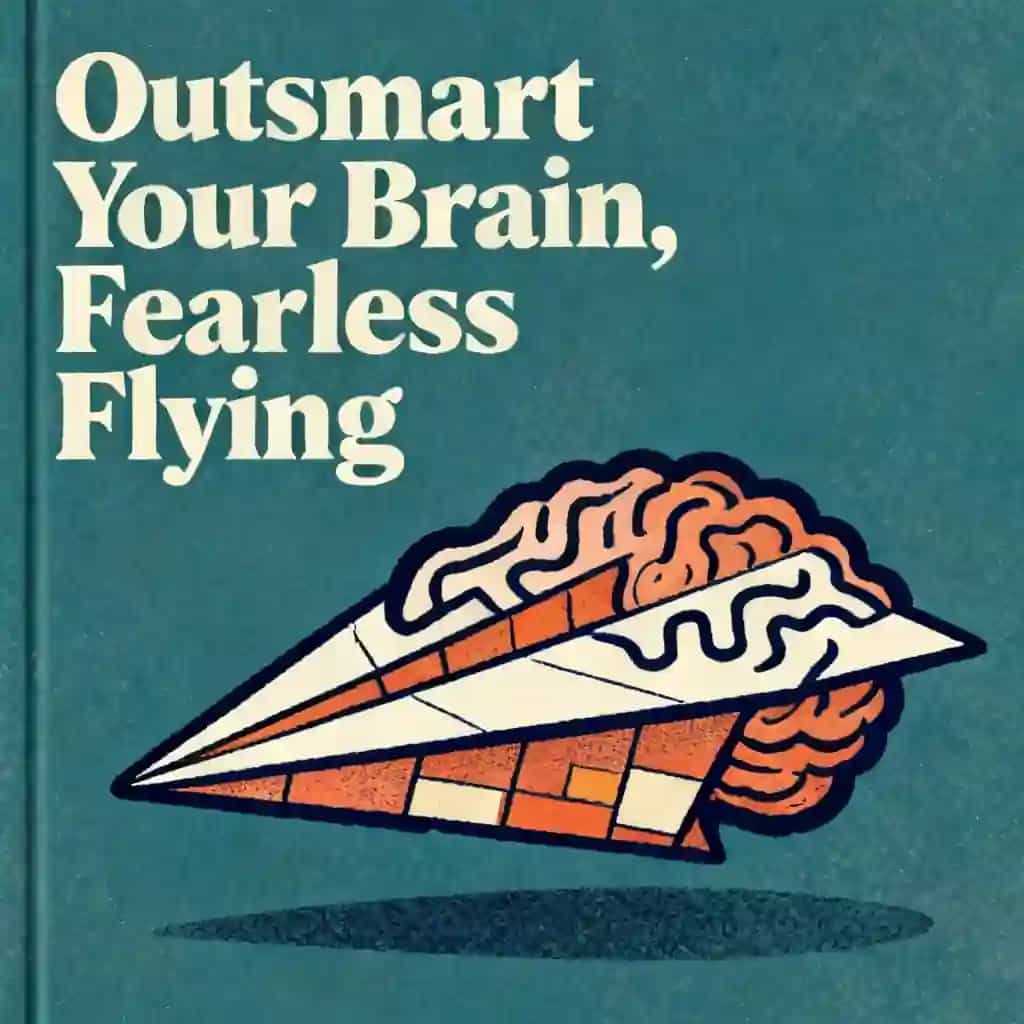
This physical reaction is caused by the amygdala, often referred to as the "primitive" or "reptile" brain. The amygdala does not process logic or statistics; its only job is to identify immediate threats. When you are in a confined space high above the ground, the amygdala may trigger a fight-flight-or-freeze response. Because you cannot physically run away from a plane, the anxiety levels often increase. This creates a "tug-of-war" where your emotional brain perceives danger even though your rational brain understands the safety data.
Pilots often refer to turbulence simply as "rough air," comparing it to driving a car over a cobblestone street or a boat moving through choppy water. It is a normal part of the flying environment caused by changes in air pressure, weather, or mountains. Airplanes are specifically designed to be flexible and withstand far more stress than turbulence provides. The primary danger during turbulence is not the plane crashing, but rather unbuckled passengers being tossed around the cabin, which is why following the "fasten seatbelt" sign is the most effective safety measure.
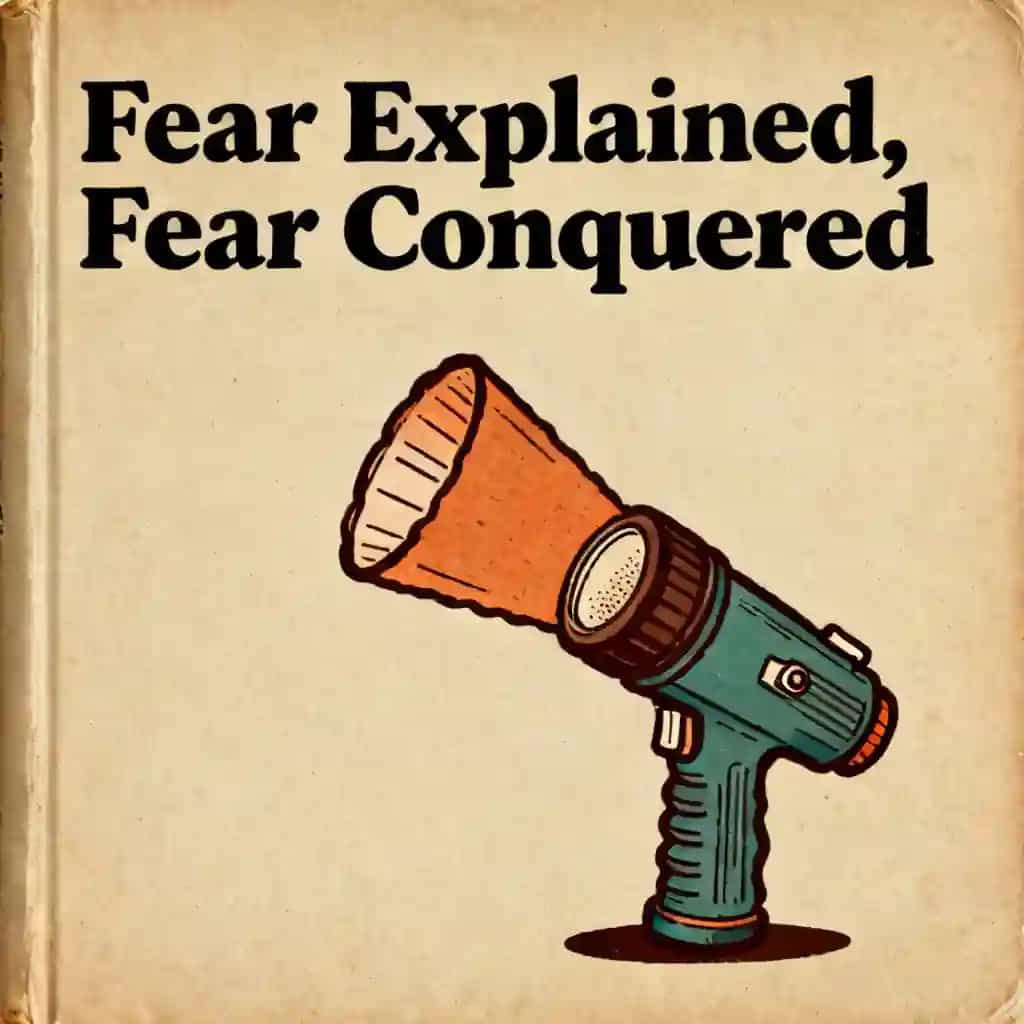
CBT helps flyers identify "thinking traps," such as catastrophizing or emotional reasoning—the mistaken belief that because you feel terrified, you must be in actual danger. Through CBT, individuals learn to cross-examine their fearful thoughts with evidence and replace them with balanced, realistic statements. It also provides a "relaxation toolkit" of physical techniques, such as diaphragmatic breathing and the 5-4-3-2-1 grounding method, which manually override the body's stress response and pull the brain back to the present reality of the cabin.
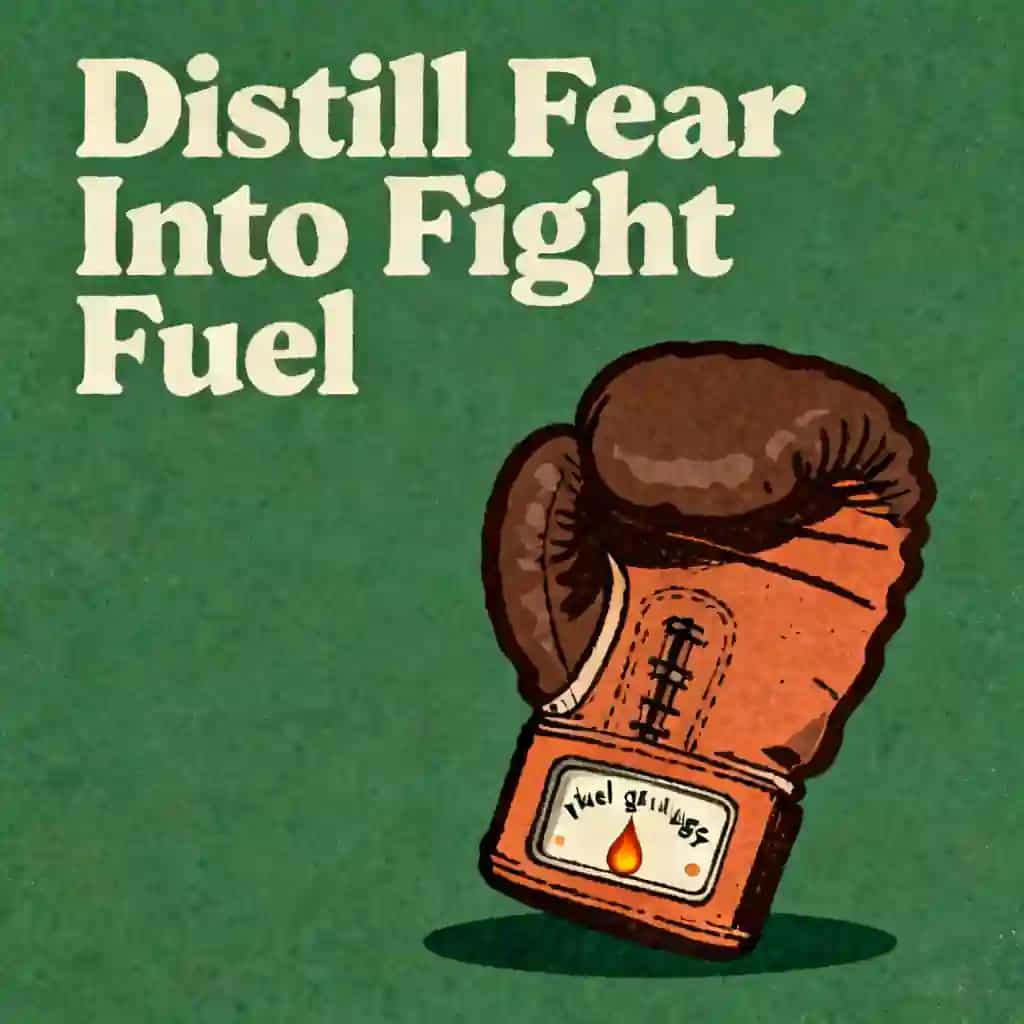
While distraction tools like movies or podcasts and medications like benzodiazepines or beta-blockers can be helpful "bridges" to manage acute panic, they should not be used as a permanent escape. If a passenger is too sedated or distracted to acknowledge the flight, the brain doesn't get the "corrective experience" needed to learn that flying is safe. Experts suggest moving from "avoidance" to "acceptance," using these tools to stay calm enough to process the experience rather than trying to "magically" make the fear or the flight disappear.
Exposure therapy involves gradually facing the fear in a controlled way to achieve "habituation," which is when the nervous system adjusts to a stimulus until it becomes boring or monotonous. This usually starts with a "fear hierarchy," beginning with low-stress tasks like looking at photos of planes, then watching videos, visiting an airport, or using Virtual Reality (VR) simulations. By staying in these situations until distress levels drop, the flyer retrains their brain to understand that the environment is not a place of doom, eventually building up to real commercial flights.
From Columbia University alumni built in San Francisco
"Instead of endless scrolling, I just hit play on BeFreed. It saves me so much time."


"I never knew where to start with nonfiction—BeFreed’s book lists turned into podcasts gave me a clear path."


"Perfect balance between learning and entertainment. Finished ‘Thinking, Fast and Slow’ on my commute this week."
"Crazy how much I learned while walking the dog. BeFreed = small habits → big gains."
"Reading used to feel like a chore. Now it’s just part of my lifestyle."

"Feels effortless compared to reading. I’ve finished 6 books this month already."
"BeFreed turned my guilty doomscrolling into something that feels productive and inspiring."

"BeFreed turned my commute into learning time. 20-min podcasts are perfect for finishing books I never had time for."
"BeFreed replaced my podcast queue. Imagine Spotify for books — that’s it. 🙌"

"It is great for me to learn something from the book without reading it."
"The themed book list podcasts help me connect ideas across authors—like a guided audio journey."
"Makes me feel smarter every time before going to work"
 Ask ChatGPT
 Ask Claude
From Columbia University alumni built in San Francisco
"Instead of endless scrolling, I just hit play on BeFreed. It saves me so much time."
"I never knew where to start with nonfiction—BeFreed’s book lists turned into podcasts gave me a clear path."
"Perfect balance between learning and entertainment. Finished ‘Thinking, Fast and Slow’ on my commute this week."
"Crazy how much I learned while walking the dog. BeFreed = small habits → big gains."
"Reading used to feel like a chore. Now it’s just part of my lifestyle."
"Feels effortless compared to reading. I’ve finished 6 books this month already."
"BeFreed turned my guilty doomscrolling into something that feels productive and inspiring."
"BeFreed turned my commute into learning time. 20-min podcasts are perfect for finishing books I never had time for."
"BeFreed replaced my podcast queue. Imagine Spotify for books — that’s it. 🙌"
"It is great for me to learn something from the book without reading it."
"The themed book list podcasts help me connect ideas across authors—like a guided audio journey."
"Makes me feel smarter every time before going to work"
"Instead of endless scrolling, I just hit play on BeFreed. It saves me so much time."
"I never knew where to start with nonfiction—BeFreed’s book lists turned into podcasts gave me a clear path."
"Perfect balance between learning and entertainment. Finished ‘Thinking, Fast and Slow’ on my commute this week."
"Crazy how much I learned while walking the dog. BeFreed = small habits → big gains."
"Reading used to feel like a chore. Now it’s just part of my lifestyle."
"Feels effortless compared to reading. I’ve finished 6 books this month already."
"BeFreed turned my guilty doomscrolling into something that feels productive and inspiring."
"BeFreed turned my commute into learning time. 20-min podcasts are perfect for finishing books I never had time for."
"BeFreed replaced my podcast queue. Imagine Spotify for books — that’s it. 🙌"
"It is great for me to learn something from the book without reading it."
"The themed book list podcasts help me connect ideas across authors—like a guided audio journey."
"Makes me feel smarter every time before going to work"
"Instead of endless scrolling, I just hit play on BeFreed. It saves me so much time."
"I never knew where to start with nonfiction—BeFreed’s book lists turned into podcasts gave me a clear path."
"Perfect balance between learning and entertainment. Finished ‘Thinking, Fast and Slow’ on my commute this week."
"Crazy how much I learned while walking the dog. BeFreed = small habits → big gains."
"Reading used to feel like a chore. Now it’s just part of my lifestyle."
"Feels effortless compared to reading. I’ve finished 6 books this month already."
"BeFreed turned my guilty doomscrolling into something that feels productive and inspiring."
"BeFreed turned my commute into learning time. 20-min podcasts are perfect for finishing books I never had time for."
"BeFreed replaced my podcast queue. Imagine Spotify for books — that’s it. 🙌"
"It is great for me to learn something from the book without reading it."
"The themed book list podcasts help me connect ideas across authors—like a guided audio journey."
"Makes me feel smarter every time before going to work"