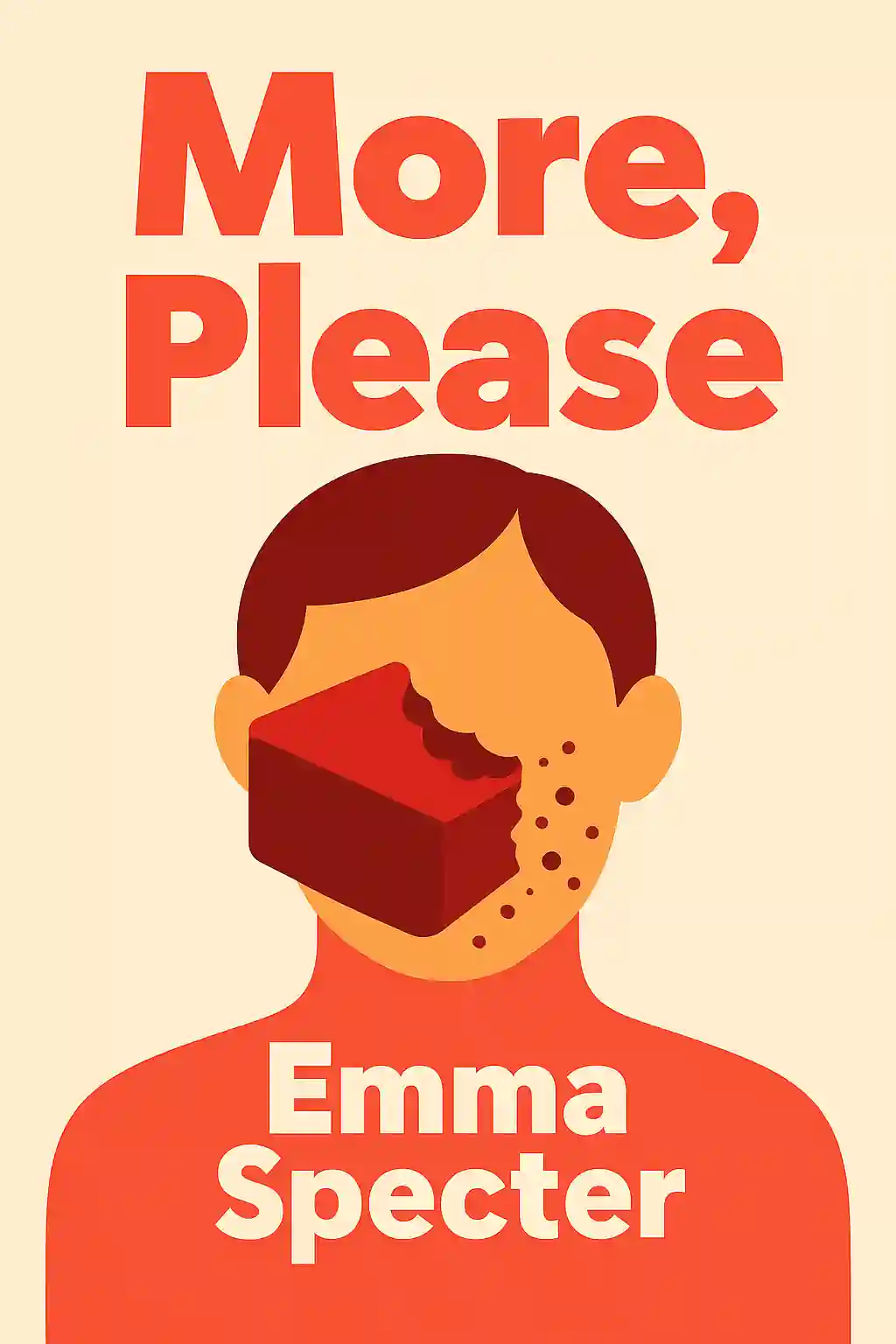
No Crumbs: The Psychology of the Empty Plate
Explore the hidden triggers behind total consumption and the 'f-it' mentality. We break down why a clean plate can feel like a personal failure and how to reclaim your narrative from judgmental table talk.

Best quote from No Crumbs: The Psychology of the Empty Plate
Whether we leave no crumbs or leave the last bite, we’re telling a story about how much we believe we’re allowed to exist.
Generated by Freedee_C80FE9AB
It’s dead I’ve figured it out meaning phycologically also when they comment she’s eating it all phycologically like leaving nothing

Frequently Asked Questions
In digital culture, "leaving no crumbs" is a compliment for performing a task with total mastery and precision. However, in a psychological context, it can represent an "all or nothing" mindset. It may signal a desire for total presence and excellence, but it can also manifest as a "f-it" mentality where a person feels they must consume everything to "reset" a perceived failure or to numb emotional distress.
The "Anxiety of the Last Bite" often stems from internalized cultural or familial rules. In many cultures, taking the last piece is viewed as greedy or selfish. Additionally, individuals who grew up in households where resources were scarce or where caregivers commented on food consumption may associate the last bite with a "trap" or a source of shame, leading them to leave a single crumb to avoid being labeled as "too much."
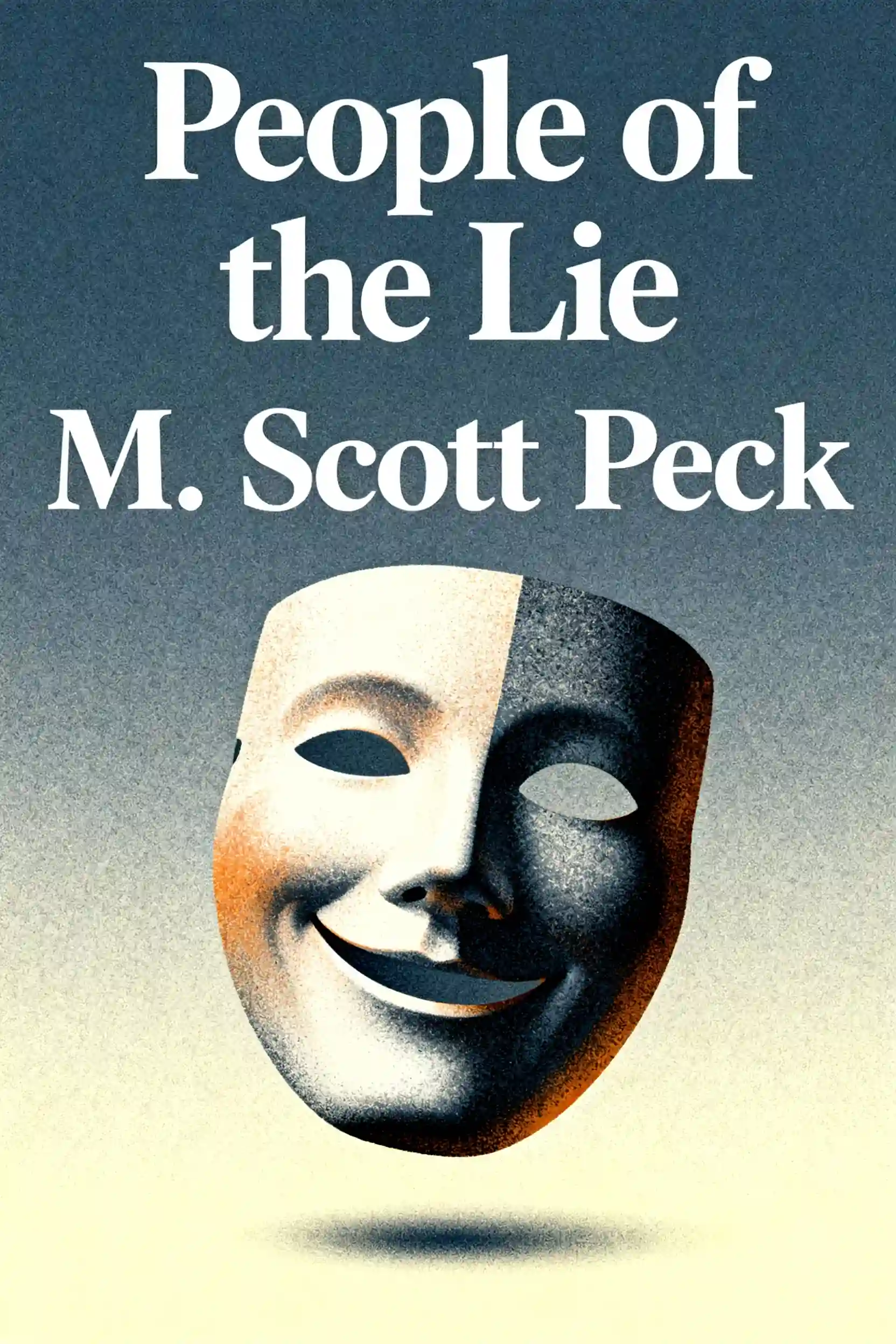
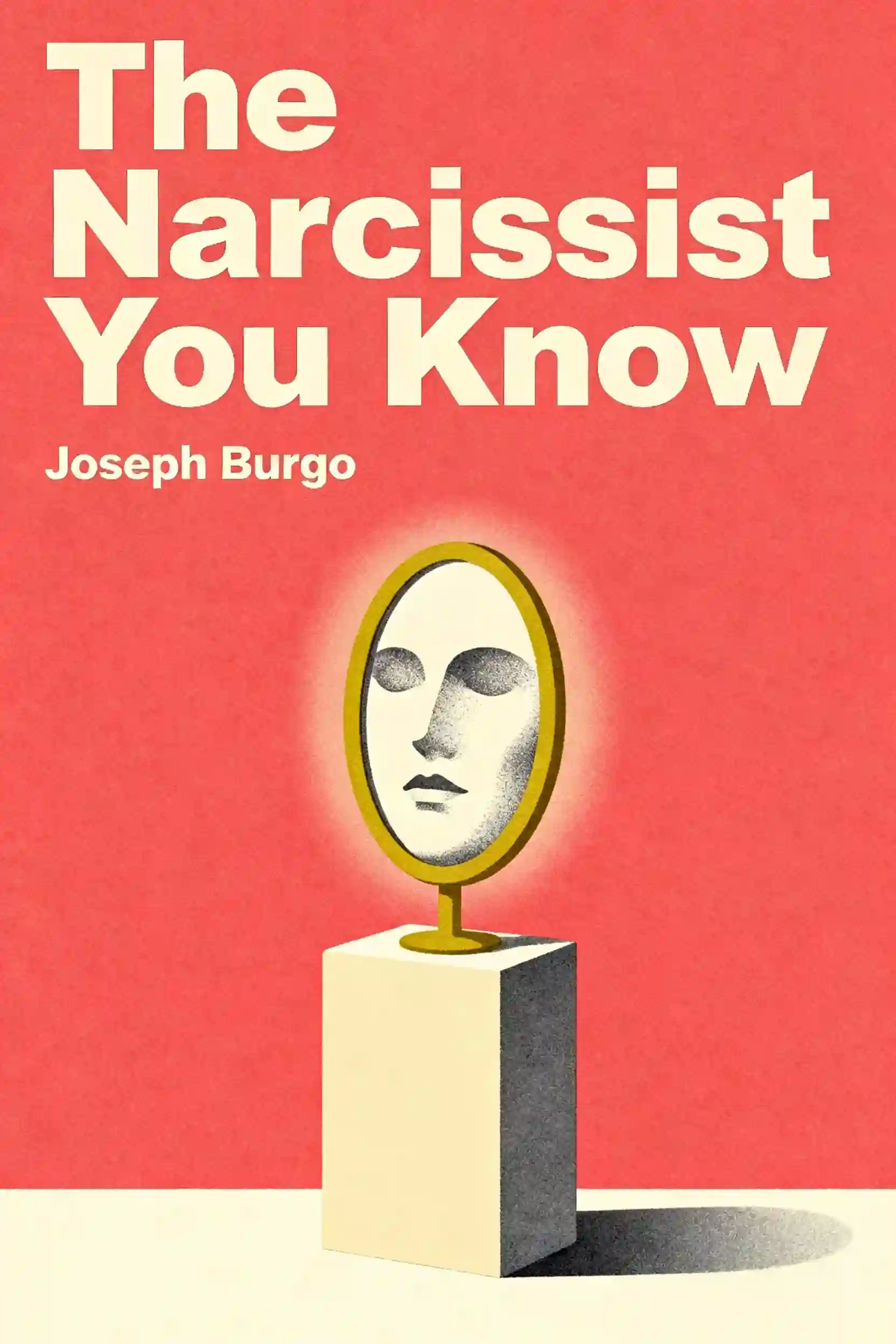
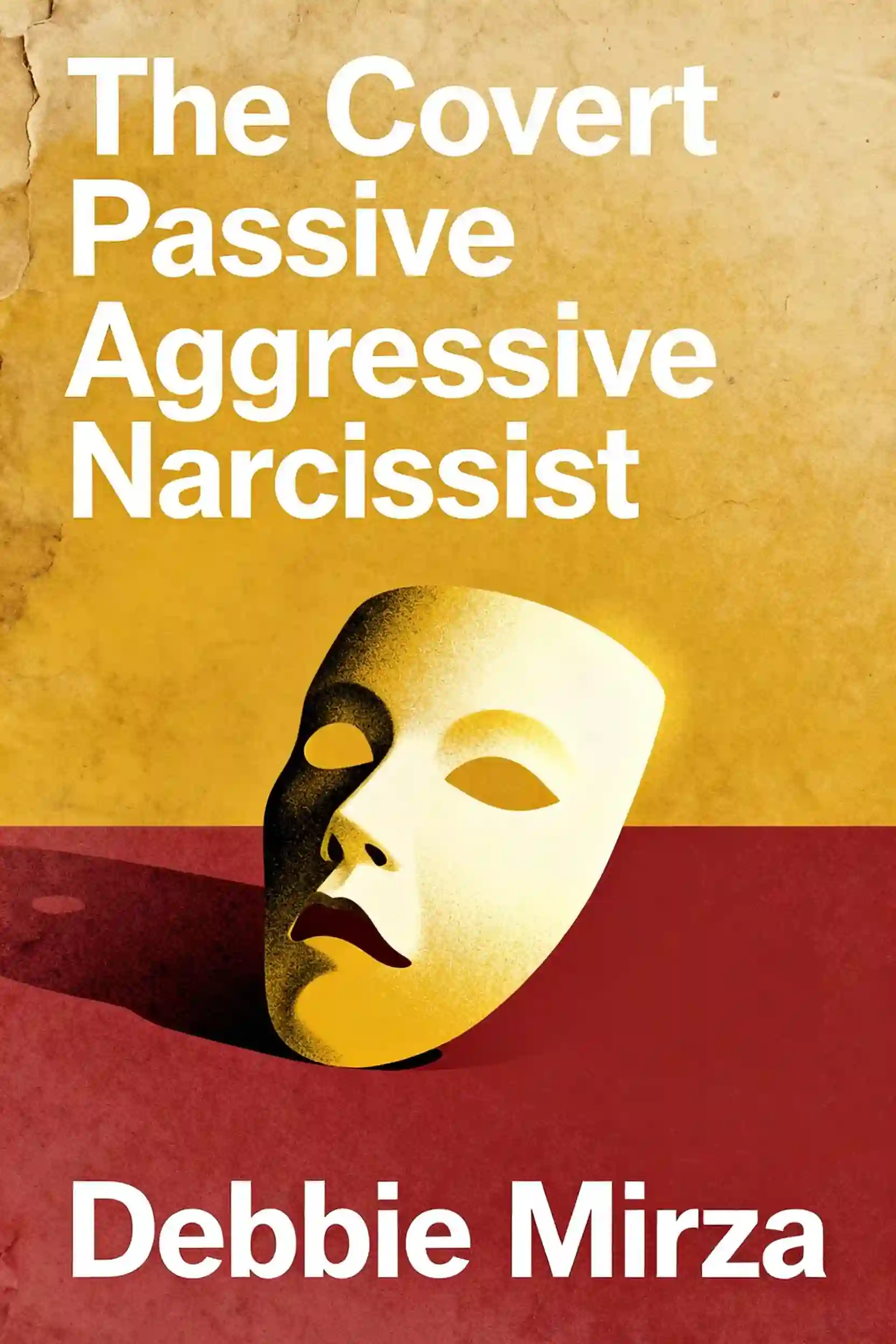
Such comments are often rooted in "narcissistic rivalry" or a "status pursuit." By commenting on someone else's appetite, a person may be attempting to make the eater feel inferior or lacking in restraint to restore their own sense of supremacy. This behavior can trigger an "envy-contempt spiral," where the commenter devalues the other person to protect their own ego from the threat of the other person's enjoyment or presence.
Energy vampires are individuals who drain the emotional energy of those around them to fill their own internal void. In a social dining setting, an energy vampire may feel threatened if someone else is "eating it all" (occupying the center of attention or narrative gravity). They may use guilt or critical comments about food to redirect the focus back to themselves, treating others as resources to be consumed rather than autonomous individuals.
Breaking the cycle requires shifting from criticism to curiosity through mindful eating. This involves reconnecting with physical hunger cues and identifying the specific emotions—such as stress or loneliness—that food is being used to soothe. By setting firm boundaries with others and practicing self-compassion, individuals can learn to "metabolize" their feelings and judgments without relying on total consumption as a primary coping mechanism.
From Columbia University alumni built in San Francisco
"Instead of endless scrolling, I just hit play on BeFreed. It saves me so much time."


"I never knew where to start with nonfiction—BeFreed’s book lists turned into podcasts gave me a clear path."


"Perfect balance between learning and entertainment. Finished ‘Thinking, Fast and Slow’ on my commute this week."
"Crazy how much I learned while walking the dog. BeFreed = small habits → big gains."
"Reading used to feel like a chore. Now it’s just part of my lifestyle."

"Feels effortless compared to reading. I’ve finished 6 books this month already."
"BeFreed turned my guilty doomscrolling into something that feels productive and inspiring."

"BeFreed turned my commute into learning time. 20-min podcasts are perfect for finishing books I never had time for."
"BeFreed replaced my podcast queue. Imagine Spotify for books — that’s it. 🙌"

"It is great for me to learn something from the book without reading it."
"The themed book list podcasts help me connect ideas across authors—like a guided audio journey."
"Makes me feel smarter every time before going to work"
From Columbia University alumni built in San Francisco
"Instead of endless scrolling, I just hit play on BeFreed. It saves me so much time."
"I never knew where to start with nonfiction—BeFreed’s book lists turned into podcasts gave me a clear path."
"Perfect balance between learning and entertainment. Finished ‘Thinking, Fast and Slow’ on my commute this week."
"Crazy how much I learned while walking the dog. BeFreed = small habits → big gains."
"Reading used to feel like a chore. Now it’s just part of my lifestyle."
"Feels effortless compared to reading. I’ve finished 6 books this month already."
"BeFreed turned my guilty doomscrolling into something that feels productive and inspiring."
"BeFreed turned my commute into learning time. 20-min podcasts are perfect for finishing books I never had time for."
"BeFreed replaced my podcast queue. Imagine Spotify for books — that’s it. 🙌"
"It is great for me to learn something from the book without reading it."
"The themed book list podcasts help me connect ideas across authors—like a guided audio journey."
"Makes me feel smarter every time before going to work"
"Instead of endless scrolling, I just hit play on BeFreed. It saves me so much time."
"I never knew where to start with nonfiction—BeFreed’s book lists turned into podcasts gave me a clear path."
"Perfect balance between learning and entertainment. Finished ‘Thinking, Fast and Slow’ on my commute this week."
"Crazy how much I learned while walking the dog. BeFreed = small habits → big gains."
"Reading used to feel like a chore. Now it’s just part of my lifestyle."
"Feels effortless compared to reading. I’ve finished 6 books this month already."
"BeFreed turned my guilty doomscrolling into something that feels productive and inspiring."
"BeFreed turned my commute into learning time. 20-min podcasts are perfect for finishing books I never had time for."
"BeFreed replaced my podcast queue. Imagine Spotify for books — that’s it. 🙌"
"It is great for me to learn something from the book without reading it."
"The themed book list podcasts help me connect ideas across authors—like a guided audio journey."
"Makes me feel smarter every time before going to work"
"Instead of endless scrolling, I just hit play on BeFreed. It saves me so much time."
"I never knew where to start with nonfiction—BeFreed’s book lists turned into podcasts gave me a clear path."
"Perfect balance between learning and entertainment. Finished ‘Thinking, Fast and Slow’ on my commute this week."
"Crazy how much I learned while walking the dog. BeFreed = small habits → big gains."
"Reading used to feel like a chore. Now it’s just part of my lifestyle."
"Feels effortless compared to reading. I’ve finished 6 books this month already."
"BeFreed turned my guilty doomscrolling into something that feels productive and inspiring."
"BeFreed turned my commute into learning time. 20-min podcasts are perfect for finishing books I never had time for."
"BeFreed replaced my podcast queue. Imagine Spotify for books — that’s it. 🙌"
"It is great for me to learn something from the book without reading it."
"The themed book list podcasts help me connect ideas across authors—like a guided audio journey."
"Makes me feel smarter every time before going to work"