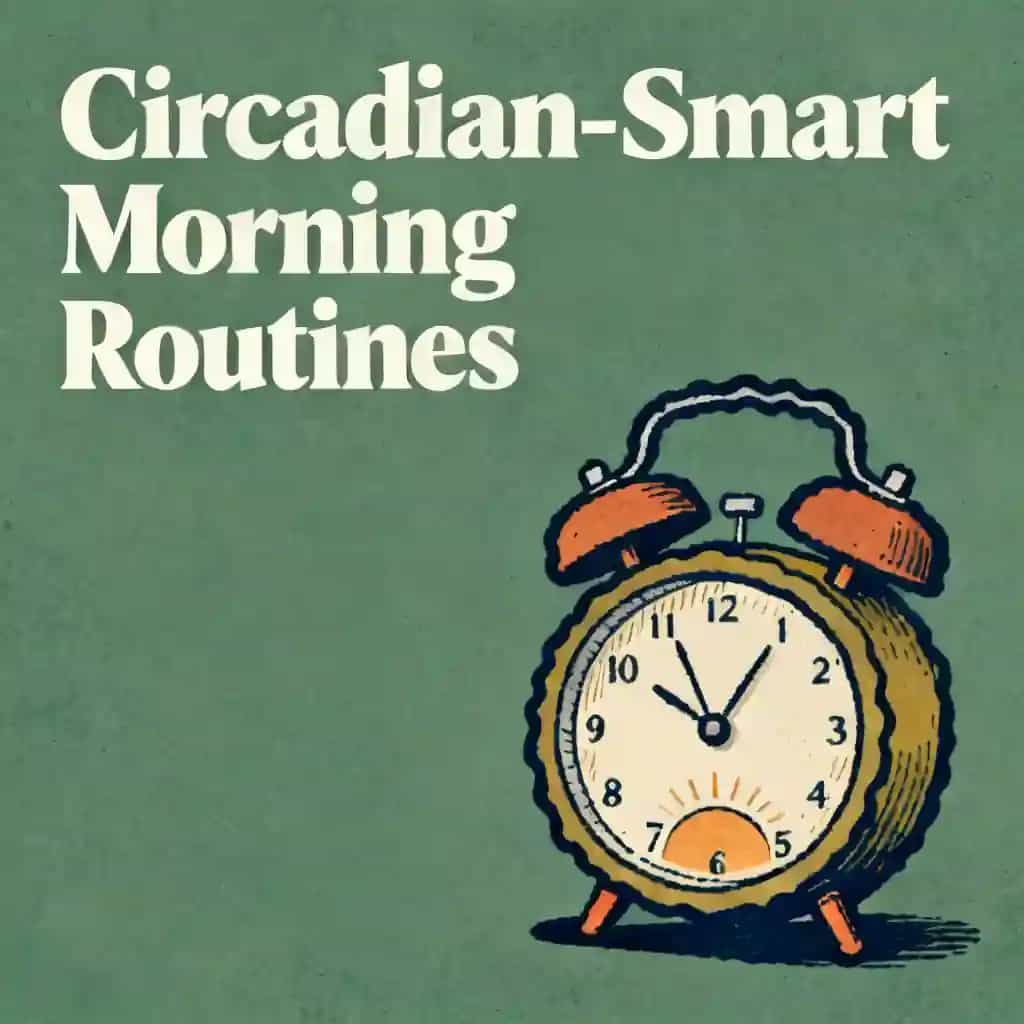
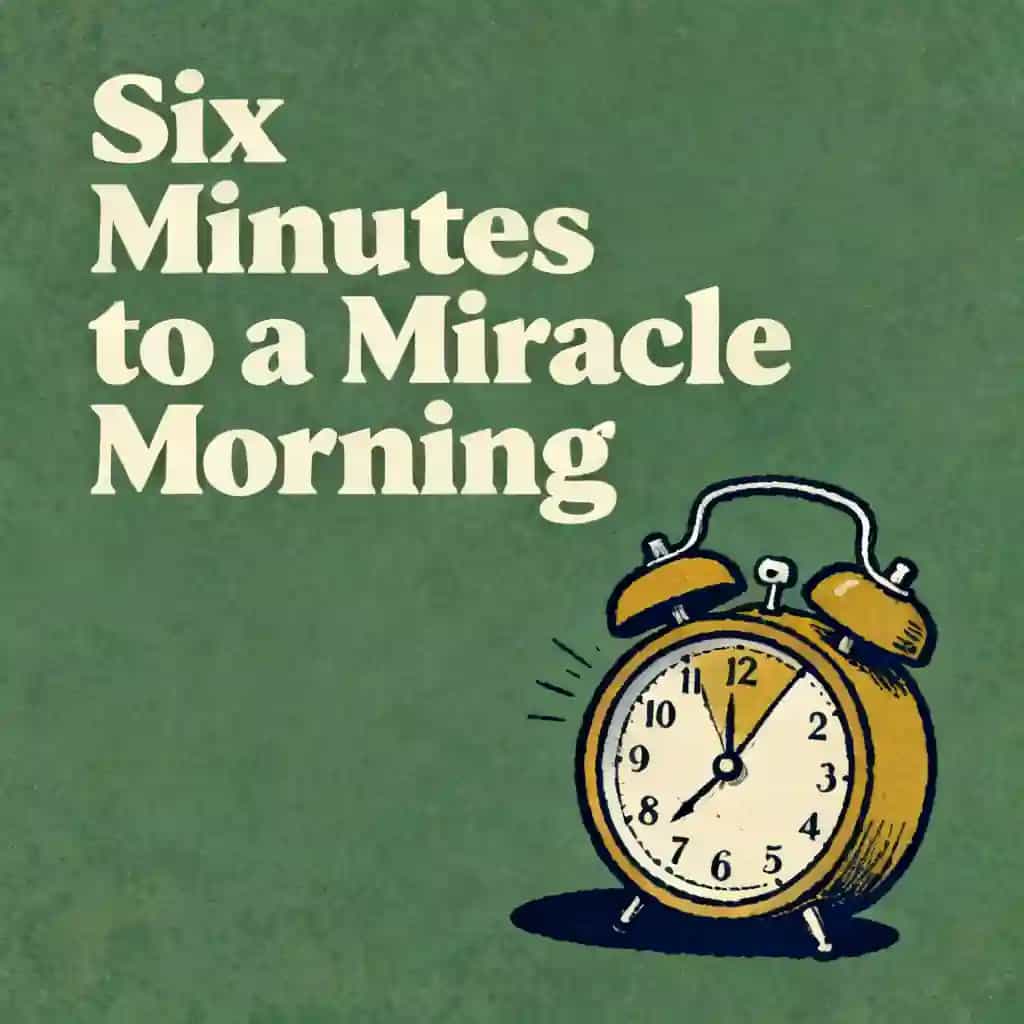
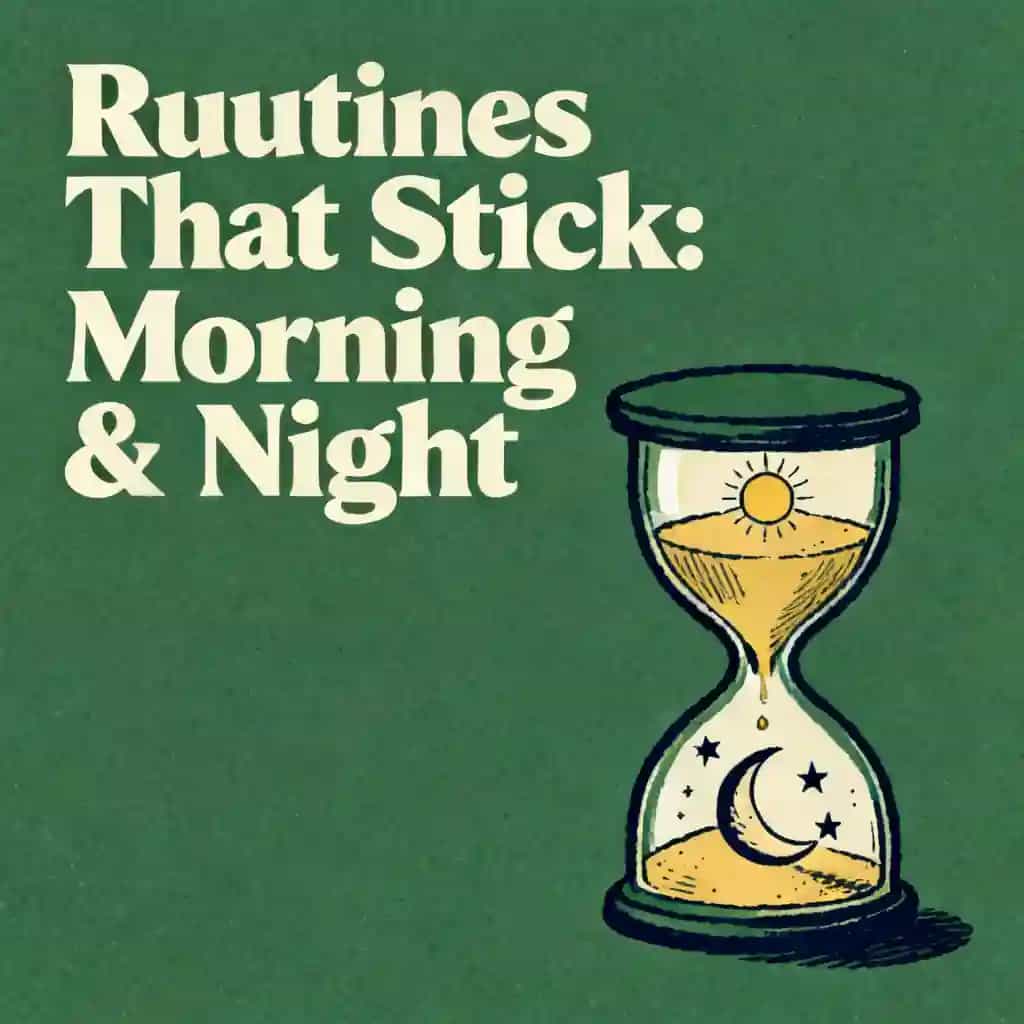
Stop starting your day stressed by your phone. Learn how simple biological anchors like light and movement reset your brain for a focused, calm morning.
Best quote from Morning routine habits for a better start
“
A perfect start isn't about willpower or a ten-step plan; it’s about biology and simple anchors like light, water, and movement.
”
D
Generated by DMN
Input question
The magic of waking up. What to do after waking up to have the perfect start of your day.
Host voices
Lena
Miles
Knowledge sources
Frequently Asked Questions
Delaying caffeine intake helps prevent the common afternoon energy crash. When you wake up, your body naturally uses cortisol to clear out adenosine, the molecule responsible for sleepiness. Caffeine works by blocking adenosine receptors rather than clearing the molecule away. By waiting, you allow your natural biological processes to clear the "sleep mist" first. If you drink coffee immediately, the adenosine remains trapped and floods back all at once when the caffeine wears off, leading to a sharp drop in energy.
Viewing natural light shortly after waking acts as a master signal for the suprachiasmatic nucleus (SCN), the brain's internal clock. When photons hit specific cells in the eyes, they trigger a biological timer that regulates the release of melatonin approximately 14 to 16 hours later. This means that exposure to morning light—ideally 2 to 10 minutes on a sunny day or up to 30 minutes on a cloudy day—effectively pre-programs your brain to feel tired at the appropriate time in the evening.
The Cortisol Awakening Response (CAR) is a natural and healthy hormonal surge where cortisol levels spike by 50 to 75 percent within the first 45 minutes of waking. While cortisol is often labeled a "stress hormone," this morning spike is actually a vital biological ignition switch that mobilizes glucose for energy, raises blood pressure to safe levels, and sharpens focus. A robust spike is a sign of a healthy nervous system and helps make the brain more resilient and rational throughout the day.
NSDR stands for Non-Sleep Deep Rest, a practice often based on Yoga Nidra that involves following a guided audio track to enter a state of deep relaxation without losing consciousness. Unlike traditional naps, which can cause "sleep inertia" and leave a person feeling groggy, NSDR allows the nervous system to downshift from a stressed state to a restorative one. It is used to restore dopamine levels and mental vigor, making it an effective tool for midday recovery that does not interfere with nighttime sleep.
Optic flow is the visual sensation of objects moving past your eyes as you walk forward. Research indicates that this specific type of visual processing reduces activity in the amygdala, the brain's center for fear and anxiety. By engaging in forward motion outdoors, you create an "alert-but-calm" mental state. Additionally, keeping your gaze at the horizon or slightly upward during this movement increases alertness, whereas looking down at a phone can promote a more internal, ruminative, and sleepy state.
From Columbia University alumni | built in San Francisco
BeFreed Brings Together A Global Community Of Curious Minds
4.7
avg rating
7.84k+ App Rating
BeFreed Community
Seriously I haven’t even explored this app fully yet but from using it the last few days I am so impressed... BeFreed is on a different level from any other learning app I have used. This makes it ultra engaging and can actually improve your concentration which is great for all the doom scrollers!
@ladyInfinity
I bought BeFreed exactly 23 days ago, and I have used it every single day since. It has completely embedded itself into my daily workflow and learning habit.
@jayallen
The truth is, the app has exceeded all my expectations. I can ask it to generate audio on any topic, whatever it may be, and the result is impressive. My professional field is a specialization in psychotherapy and it is multidisciplinary; however, the answers are very accurate.
@Raguipa
What I appreciate most is how much it's reduced my scrolling – I'm spending less time searching and more time absorbing information. The combination of full audiobooks, podcasts, the learning plans are brilliant.
@colonyofcreatorsNGO
I have been a PhotoReading Accelerated Learning Instructor for the past 24 years... books and reading and learning are my thing, and BeFreed has done a great job in providing an innovative approach to disseminating and delivering information in an easy to consume way.
@BeFreed user
It is not just a book summary app, I have used the 'fun reading' option and it's a much better summary and way to grasp ideas the traditional way, that alone is worth this deal.
@austinakon
I love this app. Used it for several days and I cannot stop listening. Such a great way to start.
@jcrules328
I really like the program; I have already tested it for around one month, and I feel that it's an amazing gem. It works so well because I can use BeFreed to create my own topics, and the voice is so good with unlimited choice of narrations.
@DanielCZ
Seriously I haven’t even explored this app fully yet but from using it the last few days I am so impressed... BeFreed is on a different level from any other learning app I have used. This makes it ultra engaging and can actually improve your concentration which is great for all the doom scrollers!
@ladyInfinity
I bought BeFreed exactly 23 days ago, and I have used it every single day since. It has completely embedded itself into my daily workflow and learning habit.
@jayallen
The truth is, the app has exceeded all my expectations. I can ask it to generate audio on any topic, whatever it may be, and the result is impressive. My professional field is a specialization in psychotherapy and it is multidisciplinary; however, the answers are very accurate.
@Raguipa
What I appreciate most is how much it's reduced my scrolling – I'm spending less time searching and more time absorbing information. The combination of full audiobooks, podcasts, the learning plans are brilliant.
@colonyofcreatorsNGO
I have been a PhotoReading Accelerated Learning Instructor for the past 24 years... books and reading and learning are my thing, and BeFreed has done a great job in providing an innovative approach to disseminating and delivering information in an easy to consume way.
@BeFreed user
It is not just a book summary app, I have used the 'fun reading' option and it's a much better summary and way to grasp ideas the traditional way, that alone is worth this deal.
@austinakon
I love this app. Used it for several days and I cannot stop listening. Such a great way to start.
@jcrules328
I really like the program; I have already tested it for around one month, and I feel that it's an amazing gem. It works so well because I can use BeFreed to create my own topics, and the voice is so good with unlimited choice of narrations.
@DanielCZ
I love the fact that I can get useful, condensed, information and ideas in a 8 - 15 minute podcast style audio. I'm not a general fan of podcasts because of all the fluff, but this cuts through all that.
@BeFreed user
I am finishing up my doctorate, and have to read a lot of unfamiliar material... With BeFreed, you simply enter a prompt, and the app finds source material for you and generates an audio podcast. I find the process in BeFreed to be more streamlined than NotebookLM.
@Brad
I often search YouTube for something to listen to whilst making breakfast, when I'm out walking, commuting, etc, and BeFreed has provided an even more targeted approach, without the adverts and the fluff!
@BeFreed user
The absolute best part about this platform is its versatility. There is literally no subject that is off-topic. It handles whatever you throw at it... It is rare to find an learning tool with zero limitations that actually delivers on its promises.
@jayallen
BeFreed is fantastic. The user-friendly design means I spend less time navigating and more time learning. The mix of audiobooks, podcasts, and learning plans is a genius combo that has completely changed my daily routine.
@BeFreed user
At the start I needed a while to understand how to create podcasts in italian language and boom! It is so great! I can ask to explain every argument and it does so well and so smartly!
@matteo77
BeFreed has become my daily app for audio books tools... What I like the most is the way you put your text and come with an audio that you can listen on the go.
@kotanzu1
I love the fact that I can get useful, condensed, information and ideas in a 8 - 15 minute podcast style audio. I'm not a general fan of podcasts because of all the fluff, but this cuts through all that.
@BeFreed user
I am finishing up my doctorate, and have to read a lot of unfamiliar material... With BeFreed, you simply enter a prompt, and the app finds source material for you and generates an audio podcast. I find the process in BeFreed to be more streamlined than NotebookLM.
@Brad
I often search YouTube for something to listen to whilst making breakfast, when I'm out walking, commuting, etc, and BeFreed has provided an even more targeted approach, without the adverts and the fluff!
@BeFreed user
The absolute best part about this platform is its versatility. There is literally no subject that is off-topic. It handles whatever you throw at it... It is rare to find an learning tool with zero limitations that actually delivers on its promises.
@jayallen
BeFreed is fantastic. The user-friendly design means I spend less time navigating and more time learning. The mix of audiobooks, podcasts, and learning plans is a genius combo that has completely changed my daily routine.
@BeFreed user
At the start I needed a while to understand how to create podcasts in italian language and boom! It is so great! I can ask to explain every argument and it does so well and so smartly!
@matteo77
BeFreed has become my daily app for audio books tools... What I like the most is the way you put your text and come with an audio that you can listen on the go.
Stop chasing influencer habits that lead to burnout. Learn how simple shifts in light, hydration, and caffeine timing can improve your sleep and focus.
Lena and Eli explore the fascinating biology behind morning routines, from Huberman's neuroscience protocols to proven strategies for optimizing energy, focus, and mood from sunrise onward.