Is Porn Mental Heroin? Understanding the Impact of Pornography
Explore the comparison between pornography and mental heroin. Understand how porn affects brain health, dopamine levels, and the path to addiction recovery.

Best quote from Is Porn Mental Heroin? Understanding the Impact of Pornography
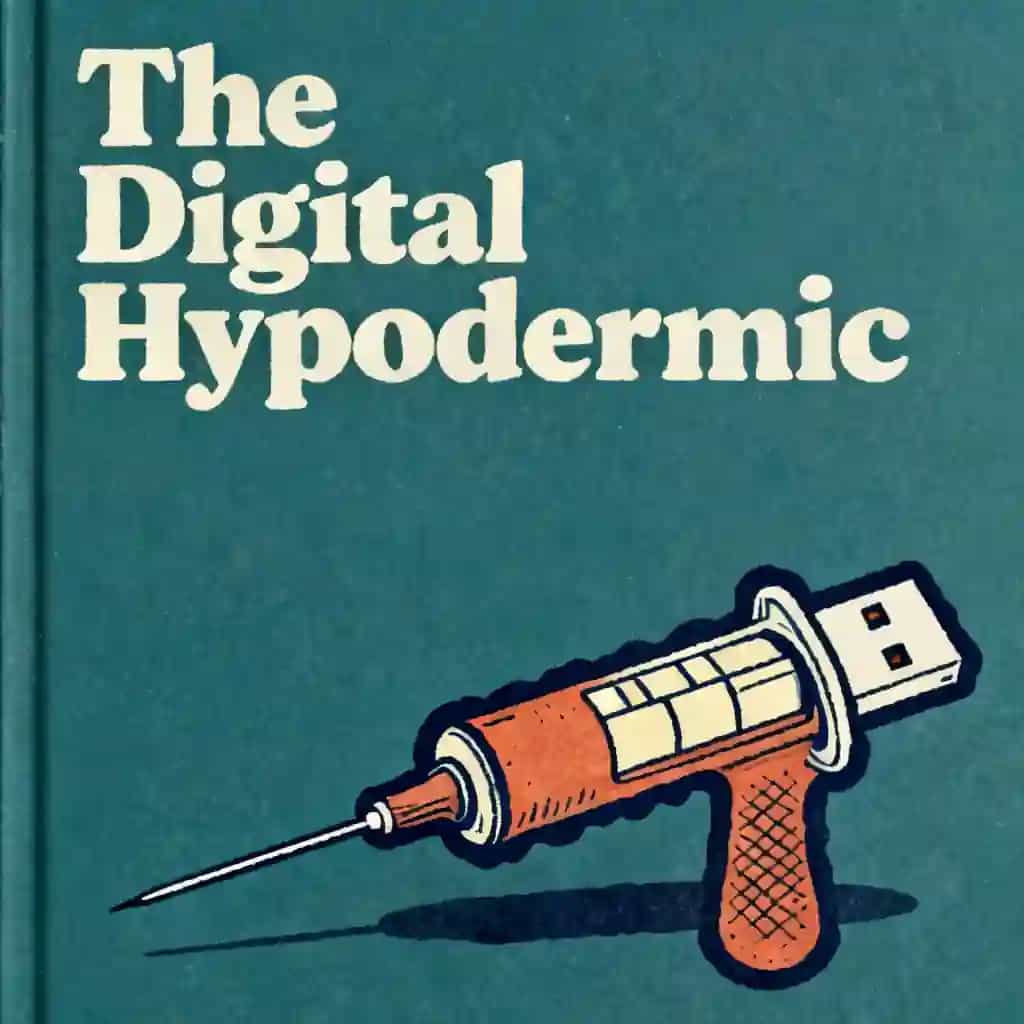
Our brains have these ancient survival mechanisms that are essentially being hijacked by a 'supernormal stimulus'—an artificial version of reality that is so much more intense than the real thing that our biology doesn't know how to handle it.
Generated by Subha
Porn is mental heroin






Frequently Asked Questions
The term mental heroin is used to describe how pornography impacts the brain's reward system, similar to powerful substances. By triggering massive releases of dopamine, it creates a high that can lead to compulsive behavior and long-term changes in brain health. Understanding this comparison helps individuals recognize the physiological intensity of pornography addiction and the importance of seeking structured recovery methods to reset the brain's natural chemistry.
Pornography acts as a supernormal stimulus that floods the brain with dopamine, the neurotransmitter responsible for pleasure and motivation. Over time, the brain may become desensitized to these spikes, requiring more frequent or extreme content to achieve the same effect. This cycle can disrupt normal brain health, making everyday activities feel less rewarding and reinforcing the cycle of pornography addiction that many find difficult to break without intervention.
The long-term effects of pornography can include decreased sensitivity to real-life intimacy, cognitive fog, and emotional numbness. Because it functions like mental heroin, it can rewire the brain's neural pathways, leading to symptoms of anxiety or depression when not consuming the content. Prioritizing brain health and understanding these pornography effects are crucial steps for anyone looking to regain control over their mental well-being and emotional life.
Addiction recovery typically involves a combination of education, behavioral changes, and community support. By understanding the science of dopamine and porn, individuals can implement strategies to avoid triggers and allow their brain chemistry to stabilize. Recovery focuses on restoring brain health, developing healthier coping mechanisms, and breaking the cycle of dependency that characterizes the mental heroin effect, ultimately leading to a more balanced and fulfilling lifestyle.
From Columbia University alumni built in San Francisco
"Instead of endless scrolling, I just hit play on BeFreed. It saves me so much time."


"I never knew where to start with nonfiction—BeFreed’s book lists turned into podcasts gave me a clear path."


"Perfect balance between learning and entertainment. Finished ‘Thinking, Fast and Slow’ on my commute this week."
"Crazy how much I learned while walking the dog. BeFreed = small habits → big gains."
"Reading used to feel like a chore. Now it’s just part of my lifestyle."

"Feels effortless compared to reading. I’ve finished 6 books this month already."
"BeFreed turned my guilty doomscrolling into something that feels productive and inspiring."

"BeFreed turned my commute into learning time. 20-min podcasts are perfect for finishing books I never had time for."
"BeFreed replaced my podcast queue. Imagine Spotify for books — that’s it. 🙌"

"It is great for me to learn something from the book without reading it."
"The themed book list podcasts help me connect ideas across authors—like a guided audio journey."
"Makes me feel smarter every time before going to work"
From Columbia University alumni built in San Francisco
"Instead of endless scrolling, I just hit play on BeFreed. It saves me so much time."
"I never knew where to start with nonfiction—BeFreed’s book lists turned into podcasts gave me a clear path."
"Perfect balance between learning and entertainment. Finished ‘Thinking, Fast and Slow’ on my commute this week."
"Crazy how much I learned while walking the dog. BeFreed = small habits → big gains."
"Reading used to feel like a chore. Now it’s just part of my lifestyle."
"Feels effortless compared to reading. I’ve finished 6 books this month already."
"BeFreed turned my guilty doomscrolling into something that feels productive and inspiring."
"BeFreed turned my commute into learning time. 20-min podcasts are perfect for finishing books I never had time for."
"BeFreed replaced my podcast queue. Imagine Spotify for books — that’s it. 🙌"
"It is great for me to learn something from the book without reading it."
"The themed book list podcasts help me connect ideas across authors—like a guided audio journey."
"Makes me feel smarter every time before going to work"
"Instead of endless scrolling, I just hit play on BeFreed. It saves me so much time."
"I never knew where to start with nonfiction—BeFreed’s book lists turned into podcasts gave me a clear path."
"Perfect balance between learning and entertainment. Finished ‘Thinking, Fast and Slow’ on my commute this week."
"Crazy how much I learned while walking the dog. BeFreed = small habits → big gains."
"Reading used to feel like a chore. Now it’s just part of my lifestyle."
"Feels effortless compared to reading. I’ve finished 6 books this month already."
"BeFreed turned my guilty doomscrolling into something that feels productive and inspiring."
"BeFreed turned my commute into learning time. 20-min podcasts are perfect for finishing books I never had time for."
"BeFreed replaced my podcast queue. Imagine Spotify for books — that’s it. 🙌"
"It is great for me to learn something from the book without reading it."
"The themed book list podcasts help me connect ideas across authors—like a guided audio journey."
"Makes me feel smarter every time before going to work"
"Instead of endless scrolling, I just hit play on BeFreed. It saves me so much time."
"I never knew where to start with nonfiction—BeFreed’s book lists turned into podcasts gave me a clear path."
"Perfect balance between learning and entertainment. Finished ‘Thinking, Fast and Slow’ on my commute this week."
"Crazy how much I learned while walking the dog. BeFreed = small habits → big gains."
"Reading used to feel like a chore. Now it’s just part of my lifestyle."
"Feels effortless compared to reading. I’ve finished 6 books this month already."
"BeFreed turned my guilty doomscrolling into something that feels productive and inspiring."
"BeFreed turned my commute into learning time. 20-min podcasts are perfect for finishing books I never had time for."
"BeFreed replaced my podcast queue. Imagine Spotify for books — that’s it. 🙌"
"It is great for me to learn something from the book without reading it."
"The themed book list podcasts help me connect ideas across authors—like a guided audio journey."
"Makes me feel smarter every time before going to work"