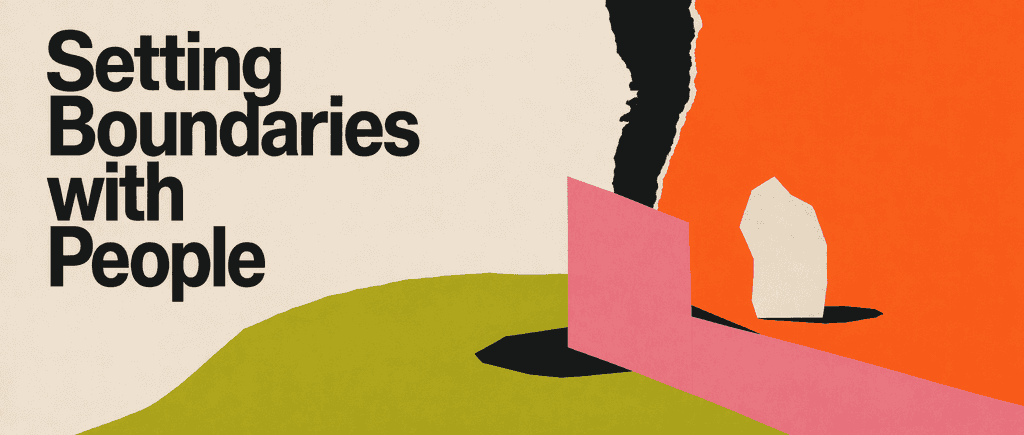
How to Stop Being in Love With a Friend & Manage Your Emotions
Struggling with unrequited love for a friend? Learn practical strategies for emotional regulation, managing anger, and moving past the friend zone effectively.

Best quote from How to Stop Being in Love With a Friend & Manage Your Emotions
Romantic love activates the brain’s reward system in the same way an addiction does, which is why unrequited feelings can feel like a literal chemical withdrawal. Recognizing this is a biological process can help lower the shame; you aren't 'crazy,' your brain is just stuck in an intense survival mode.
Generated by Armando
I’m having a lot of trouble not being in love with a girl that’s just a friend. I also want to learn how to manage my anger and emotions with her better.

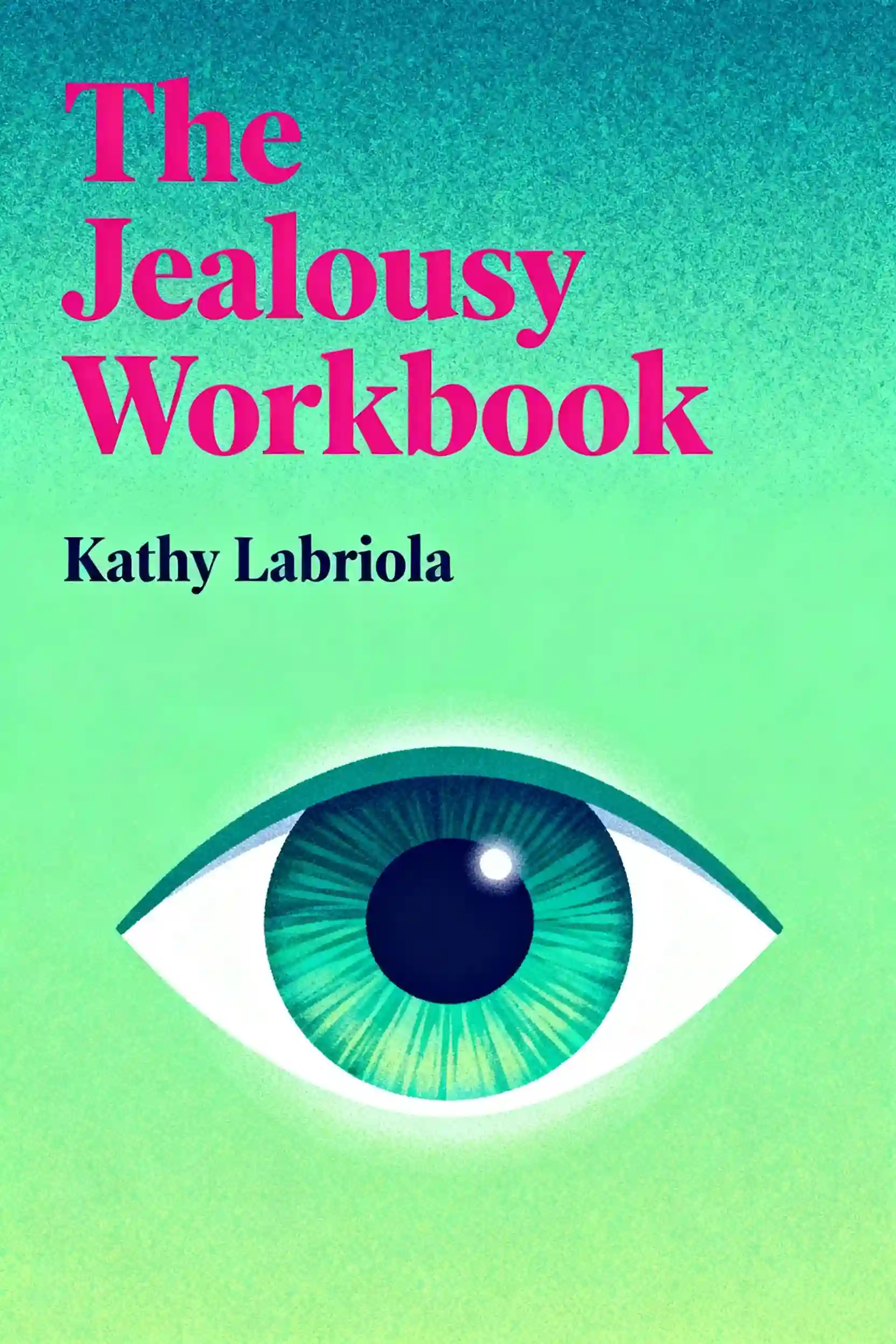
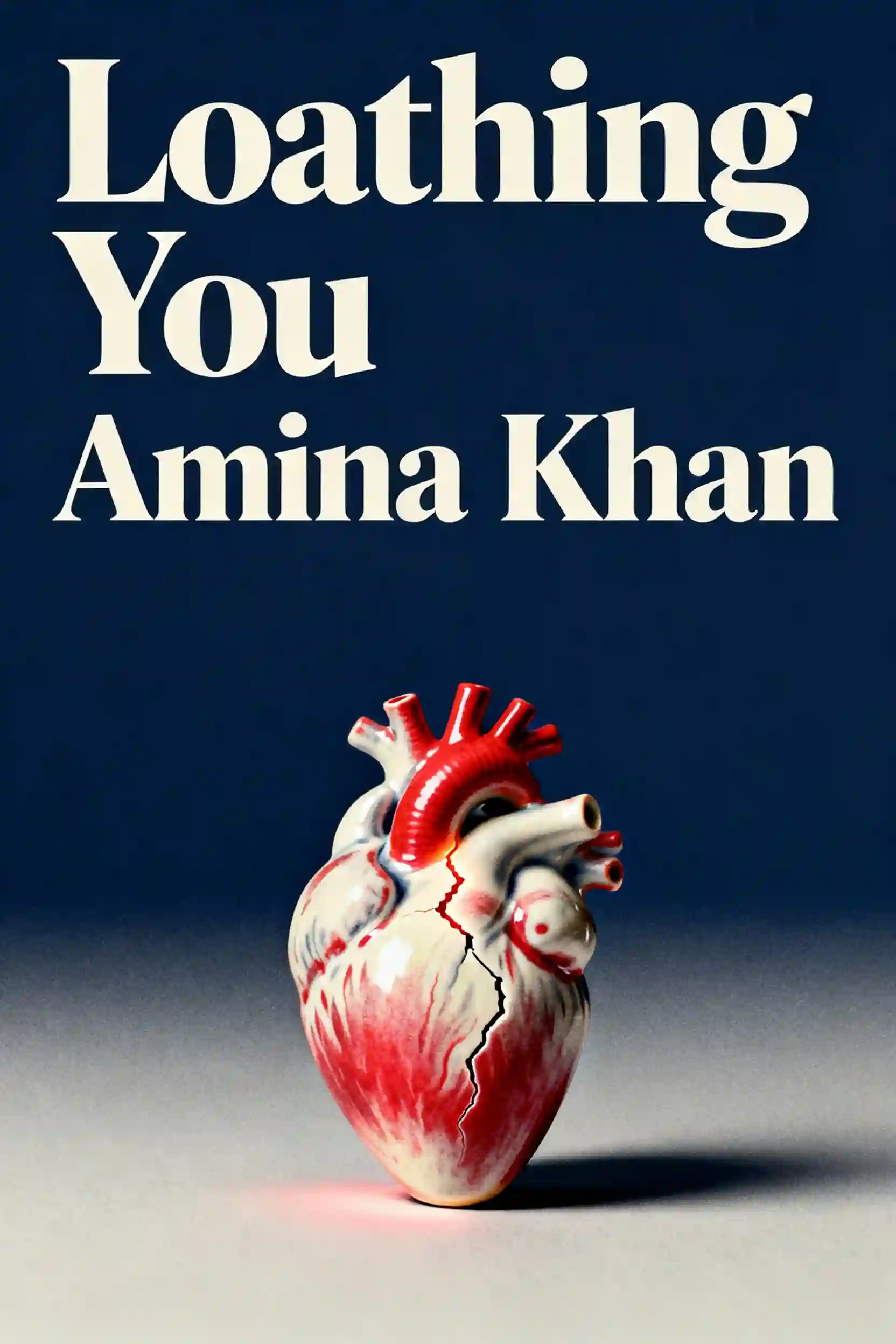
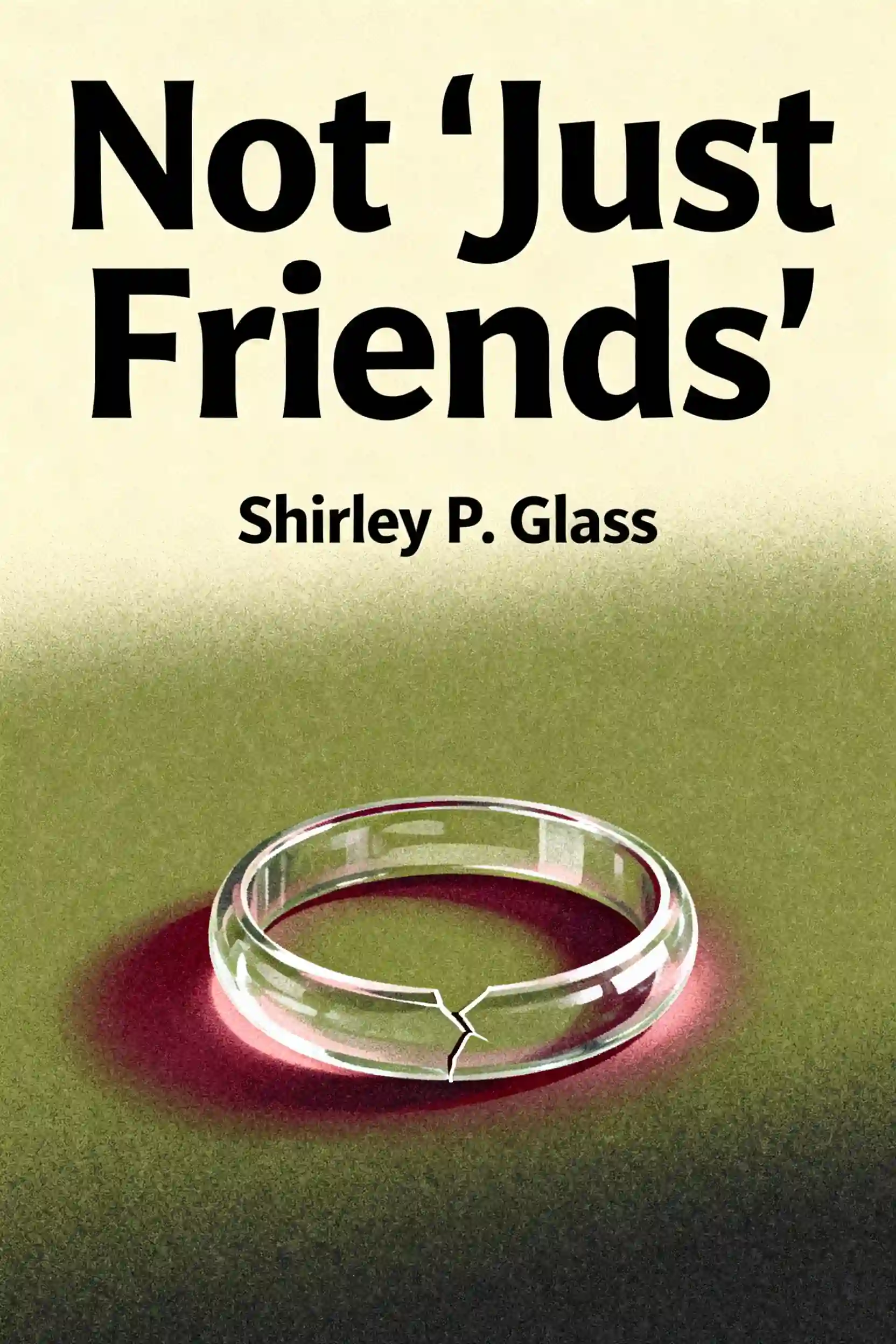
Frequently Asked Questions
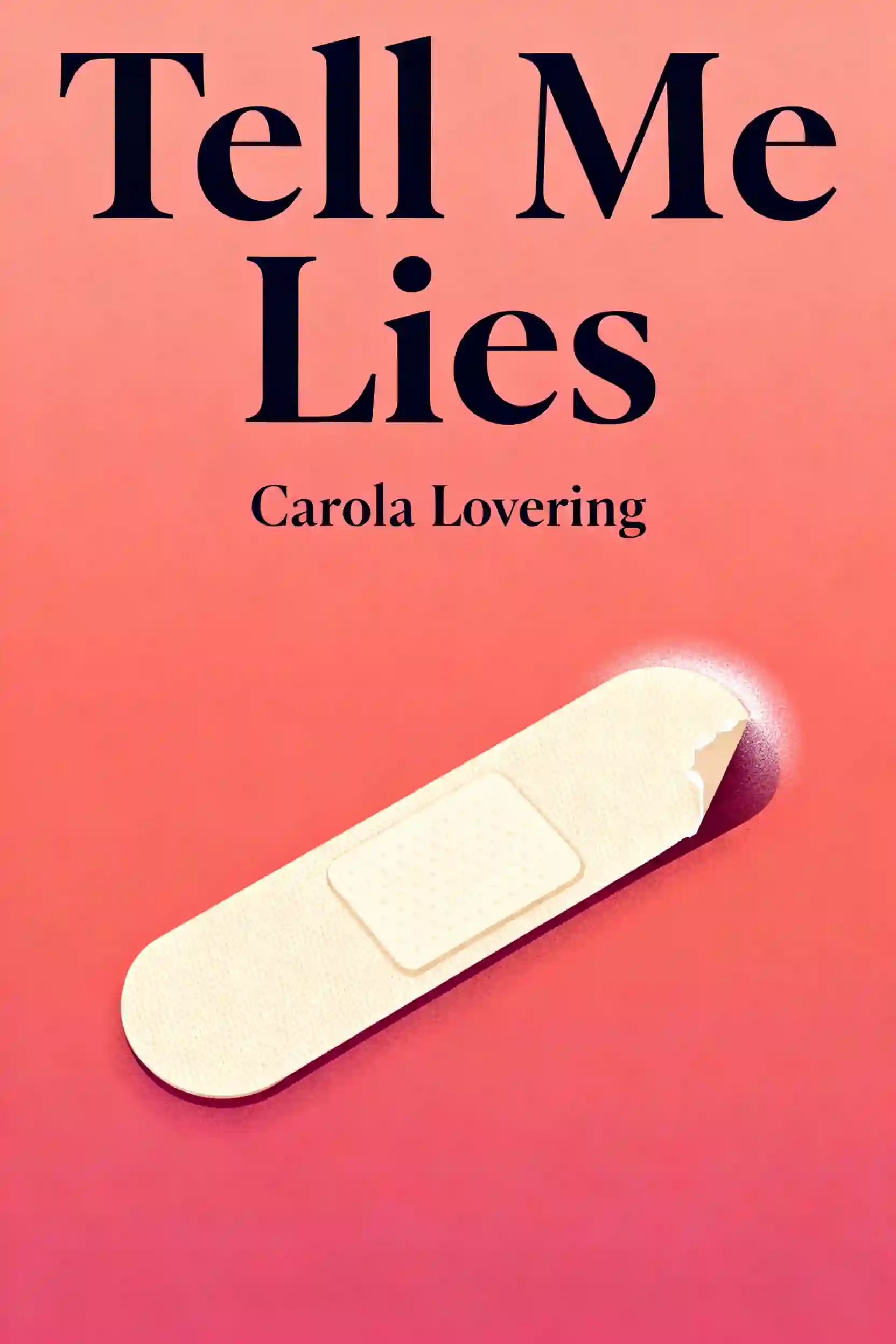
Moving on from unrequited love requires setting healthy boundaries and focusing on emotional regulation. It is important to acknowledge your feelings without letting them overwhelm your daily life. By practicing self-care and potentially creating some distance, you can begin to process the reality of the friend zone. This podcast episode offers relationship advice on how to shift your perspective and protect your peace of mind while maintaining your friendship.
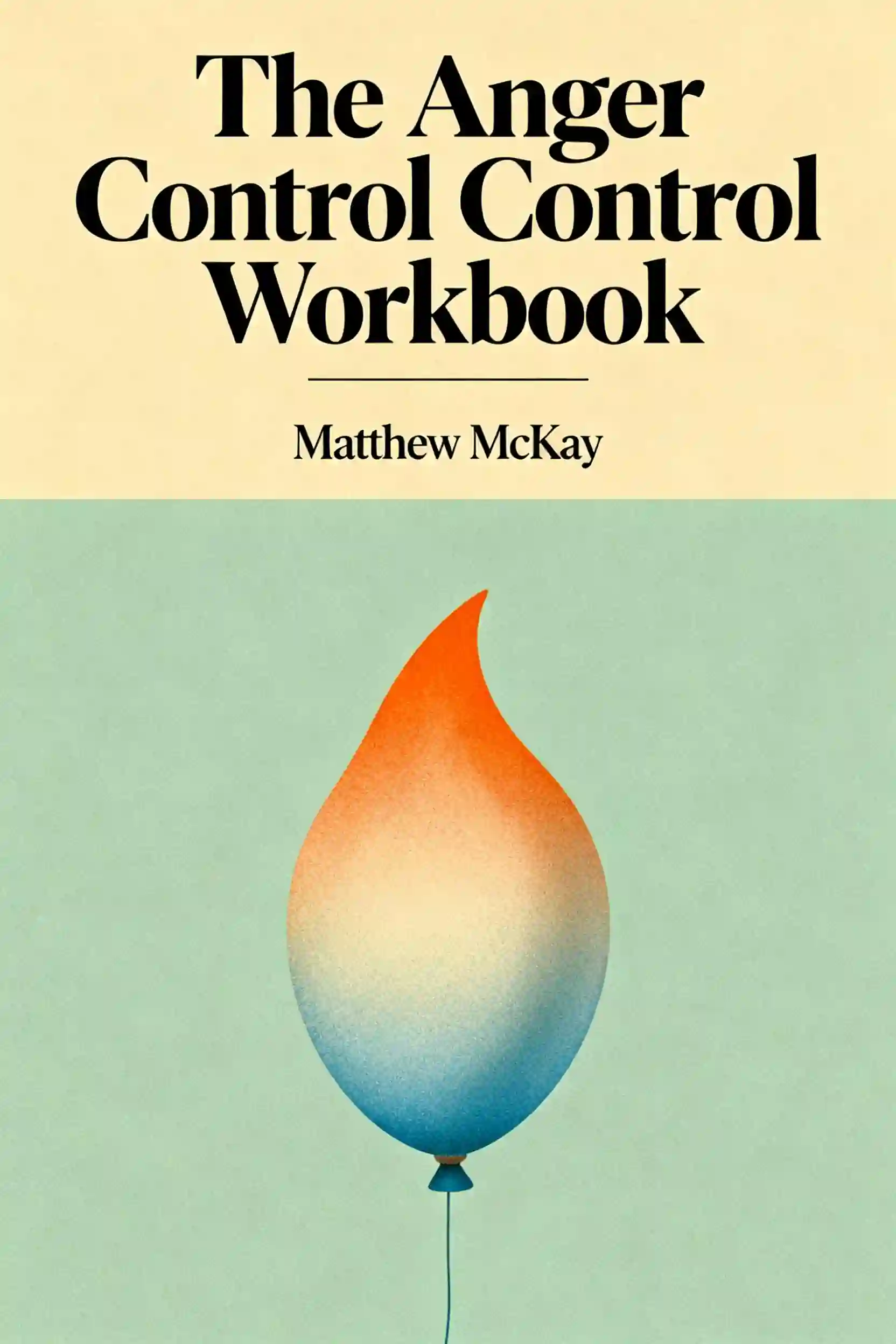
Managing emotions like anger or frustration when you have deep feelings for a friend is a common challenge. To improve your emotional regulation, try to identify specific triggers that cause your outbursts and practice mindfulness or breathing techniques before reacting. Learning how to communicate your needs calmly is essential for anger management in relationships. Our discussion provides actionable steps to help you stay composed and handle complex feelings with maturity and grace.
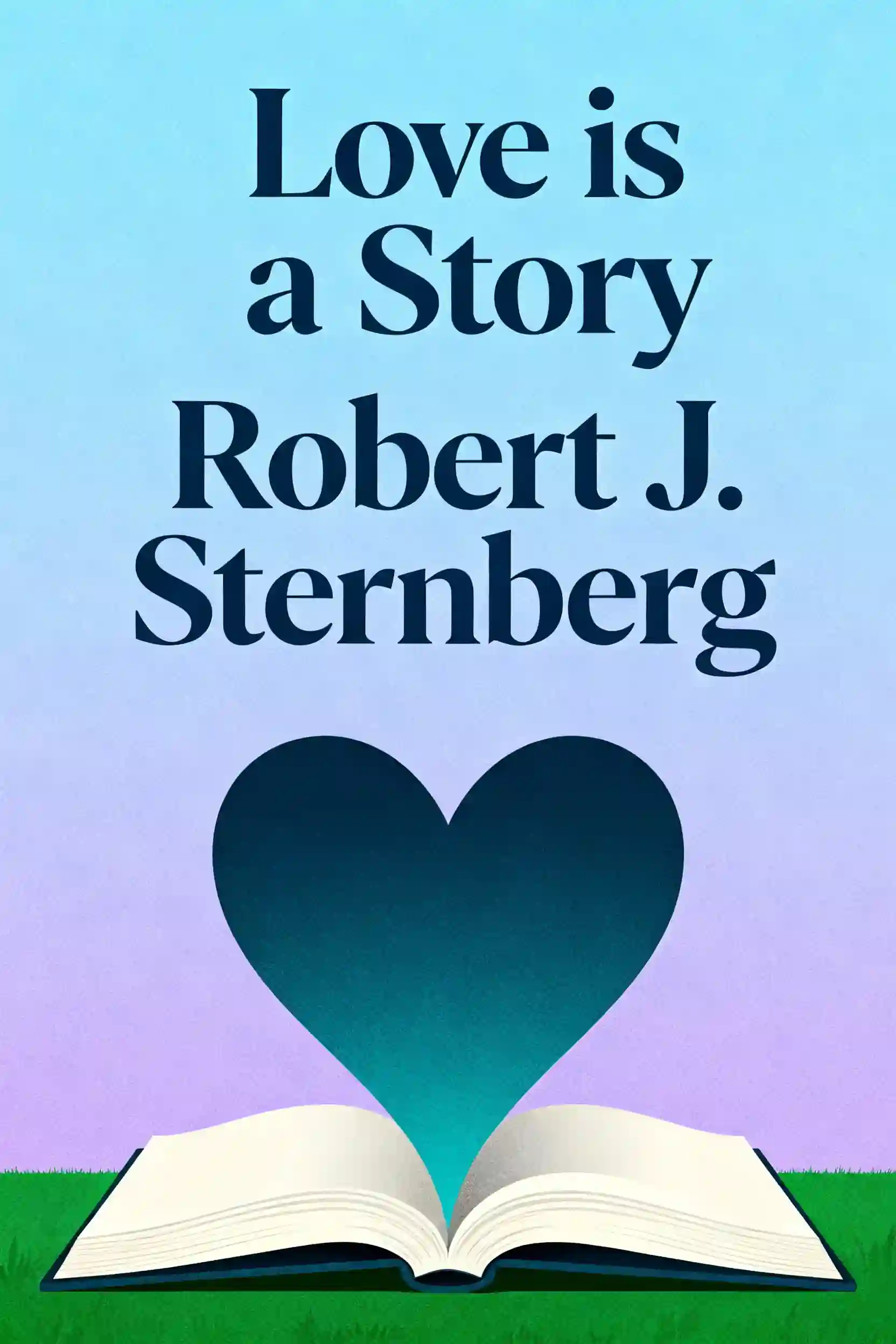
Falling for a friend is difficult because it complicates a pre-existing bond with the fear of rejection or loss. When you are in the friend zone, you may experience a mix of hope and resentment, which can lead to emotional instability. Understanding that these feelings are natural is the first step toward managing your emotions. This episode explores the psychological aspects of unrequited love and provides guidance on how to navigate these sensitive social dynamics without losing your cool.
From Columbia University alumni built in San Francisco
"Instead of endless scrolling, I just hit play on BeFreed. It saves me so much time."


"I never knew where to start with nonfiction—BeFreed’s book lists turned into podcasts gave me a clear path."


"Perfect balance between learning and entertainment. Finished ‘Thinking, Fast and Slow’ on my commute this week."
"Crazy how much I learned while walking the dog. BeFreed = small habits → big gains."
"Reading used to feel like a chore. Now it’s just part of my lifestyle."

"Feels effortless compared to reading. I’ve finished 6 books this month already."
"BeFreed turned my guilty doomscrolling into something that feels productive and inspiring."

"BeFreed turned my commute into learning time. 20-min podcasts are perfect for finishing books I never had time for."
"BeFreed replaced my podcast queue. Imagine Spotify for books — that’s it. 🙌"

"It is great for me to learn something from the book without reading it."
"The themed book list podcasts help me connect ideas across authors—like a guided audio journey."
"Makes me feel smarter every time before going to work"
From Columbia University alumni built in San Francisco
"Instead of endless scrolling, I just hit play on BeFreed. It saves me so much time."
"I never knew where to start with nonfiction—BeFreed’s book lists turned into podcasts gave me a clear path."
"Perfect balance between learning and entertainment. Finished ‘Thinking, Fast and Slow’ on my commute this week."
"Crazy how much I learned while walking the dog. BeFreed = small habits → big gains."
"Reading used to feel like a chore. Now it’s just part of my lifestyle."
"Feels effortless compared to reading. I’ve finished 6 books this month already."
"BeFreed turned my guilty doomscrolling into something that feels productive and inspiring."
"BeFreed turned my commute into learning time. 20-min podcasts are perfect for finishing books I never had time for."
"BeFreed replaced my podcast queue. Imagine Spotify for books — that’s it. 🙌"
"It is great for me to learn something from the book without reading it."
"The themed book list podcasts help me connect ideas across authors—like a guided audio journey."
"Makes me feel smarter every time before going to work"
"Instead of endless scrolling, I just hit play on BeFreed. It saves me so much time."
"I never knew where to start with nonfiction—BeFreed’s book lists turned into podcasts gave me a clear path."
"Perfect balance between learning and entertainment. Finished ‘Thinking, Fast and Slow’ on my commute this week."
"Crazy how much I learned while walking the dog. BeFreed = small habits → big gains."
"Reading used to feel like a chore. Now it’s just part of my lifestyle."
"Feels effortless compared to reading. I’ve finished 6 books this month already."
"BeFreed turned my guilty doomscrolling into something that feels productive and inspiring."
"BeFreed turned my commute into learning time. 20-min podcasts are perfect for finishing books I never had time for."
"BeFreed replaced my podcast queue. Imagine Spotify for books — that’s it. 🙌"
"It is great for me to learn something from the book without reading it."
"The themed book list podcasts help me connect ideas across authors—like a guided audio journey."
"Makes me feel smarter every time before going to work"
"Instead of endless scrolling, I just hit play on BeFreed. It saves me so much time."
"I never knew where to start with nonfiction—BeFreed’s book lists turned into podcasts gave me a clear path."
"Perfect balance between learning and entertainment. Finished ‘Thinking, Fast and Slow’ on my commute this week."
"Crazy how much I learned while walking the dog. BeFreed = small habits → big gains."
"Reading used to feel like a chore. Now it’s just part of my lifestyle."
"Feels effortless compared to reading. I’ve finished 6 books this month already."
"BeFreed turned my guilty doomscrolling into something that feels productive and inspiring."
"BeFreed turned my commute into learning time. 20-min podcasts are perfect for finishing books I never had time for."
"BeFreed replaced my podcast queue. Imagine Spotify for books — that’s it. 🙌"
"It is great for me to learn something from the book without reading it."
"The themed book list podcasts help me connect ideas across authors—like a guided audio journey."
"Makes me feel smarter every time before going to work"