Menopause affects more than just your cycle. Learn how to handle brain fog and sleep issues while protecting your heart and bones for a healthier future.
Best quote from Managing Menopause Symptoms and Your Long-Term Health
“
As Maya Angelou suggested, when we know better, we do better. Understanding these biological shifts can help us build a personalized toolkit for staying strong and feeling like ourselves again.
”
A
Generated by Alexandra
Input question
Going through menopause. Know my body in a better way and take care of it in a healthier way too
Host voices
Lena
Miles
Knowledge sources
Frequently Asked Questions
These symptoms occur because estrogen receptors are located throughout the entire body, including the brain, heart, joints, and connective tissues. When estrogen levels decline or fluctuate during perimenopause, the body undergoes a full-body recalibration. Joint pain often results from a loss of hormonal lubrication and anti-inflammatory protection in the tissues, while brain fog is linked to changes in the brain's energy metabolism and disrupted sleep patterns.
A major breakthrough in non-hormonal care involves NK3 receptor antagonists, such as fezolinetant and elinzanetant. These drugs perform a "precision strike" on the KNDy neurons in the hypothalamus, which act as the body's thermostat. By blocking these specific signals, the medication can "mute" the false alarms that trigger hot flashes without the use of hormones, making them a vital option for breast cancer survivors or those who cannot take HRT.
CBT functions as a mind-body intervention that changes a woman's relationship with her symptoms. While it may not stop the physiological occurrence of a hot flash, it reduces the "bothersome" nature of the symptom by preventing the brain from entering a catastrophic stress mode. By staying calm and reframing the sensation as a temporary physical event, the sympathetic nervous system remains stable, which can decrease the perceived intensity of the flash and improve overall quality of life.
The timing hypothesis suggests there is a "window of opportunity" for intervention, typically within ten years of menopause onset or before age 60. Starting hormone therapy or targeted lifestyle changes early in the transition can help maintain vascular flexibility and bone density. Waiting too long—such as fifteen years after menopause—may mean the blood vessels and bones have already undergone structural changes that alter the risk-to-benefit profile of certain treatments.
Resistance and strength training are considered clinical interventions during this stage because they protect bone density and help maintain muscle mass, which supports metabolic health and insulin sensitivity. Additionally, adopting a Mediterranean-style eating pattern can stabilize blood sugar and reduce the low-grade inflammation that exacerbates joint pain. Managing "triggers" like alcohol and caffeine is also recommended, as these substances can significantly disrupt sleep quality and trigger vasomotor symptoms.
From Columbia University alumni | built in San Francisco
BeFreed Brings Together A Global Community Of Curious Minds
4.7
avg rating
7.84k+ App Rating
BeFreed Community
Seriously I haven’t even explored this app fully yet but from using it the last few days I am so impressed... BeFreed is on a different level from any other learning app I have used. This makes it ultra engaging and can actually improve your concentration which is great for all the doom scrollers!
@ladyInfinity
I bought BeFreed exactly 23 days ago, and I have used it every single day since. It has completely embedded itself into my daily workflow and learning habit.
@jayallen
The truth is, the app has exceeded all my expectations. I can ask it to generate audio on any topic, whatever it may be, and the result is impressive. My professional field is a specialization in psychotherapy and it is multidisciplinary; however, the answers are very accurate.
@Raguipa
What I appreciate most is how much it's reduced my scrolling – I'm spending less time searching and more time absorbing information. The combination of full audiobooks, podcasts, the learning plans are brilliant.
@colonyofcreatorsNGO
I have been a PhotoReading Accelerated Learning Instructor for the past 24 years... books and reading and learning are my thing, and BeFreed has done a great job in providing an innovative approach to disseminating and delivering information in an easy to consume way.
@BeFreed user
It is not just a book summary app, I have used the 'fun reading' option and it's a much better summary and way to grasp ideas the traditional way, that alone is worth this deal.
@austinakon
I love this app. Used it for several days and I cannot stop listening. Such a great way to start.
@jcrules328
I really like the program; I have already tested it for around one month, and I feel that it's an amazing gem. It works so well because I can use BeFreed to create my own topics, and the voice is so good with unlimited choice of narrations.
@DanielCZ
Seriously I haven’t even explored this app fully yet but from using it the last few days I am so impressed... BeFreed is on a different level from any other learning app I have used. This makes it ultra engaging and can actually improve your concentration which is great for all the doom scrollers!
@ladyInfinity
I bought BeFreed exactly 23 days ago, and I have used it every single day since. It has completely embedded itself into my daily workflow and learning habit.
@jayallen
The truth is, the app has exceeded all my expectations. I can ask it to generate audio on any topic, whatever it may be, and the result is impressive. My professional field is a specialization in psychotherapy and it is multidisciplinary; however, the answers are very accurate.
@Raguipa
What I appreciate most is how much it's reduced my scrolling – I'm spending less time searching and more time absorbing information. The combination of full audiobooks, podcasts, the learning plans are brilliant.
@colonyofcreatorsNGO
I have been a PhotoReading Accelerated Learning Instructor for the past 24 years... books and reading and learning are my thing, and BeFreed has done a great job in providing an innovative approach to disseminating and delivering information in an easy to consume way.
@BeFreed user
It is not just a book summary app, I have used the 'fun reading' option and it's a much better summary and way to grasp ideas the traditional way, that alone is worth this deal.
@austinakon
I love this app. Used it for several days and I cannot stop listening. Such a great way to start.
@jcrules328
I really like the program; I have already tested it for around one month, and I feel that it's an amazing gem. It works so well because I can use BeFreed to create my own topics, and the voice is so good with unlimited choice of narrations.
@DanielCZ
I love the fact that I can get useful, condensed, information and ideas in a 8 - 15 minute podcast style audio. I'm not a general fan of podcasts because of all the fluff, but this cuts through all that.
@BeFreed user
I am finishing up my doctorate, and have to read a lot of unfamiliar material... With BeFreed, you simply enter a prompt, and the app finds source material for you and generates an audio podcast. I find the process in BeFreed to be more streamlined than NotebookLM.
@Brad
I often search YouTube for something to listen to whilst making breakfast, when I'm out walking, commuting, etc, and BeFreed has provided an even more targeted approach, without the adverts and the fluff!
@BeFreed user
The absolute best part about this platform is its versatility. There is literally no subject that is off-topic. It handles whatever you throw at it... It is rare to find an learning tool with zero limitations that actually delivers on its promises.
@jayallen
BeFreed is fantastic. The user-friendly design means I spend less time navigating and more time learning. The mix of audiobooks, podcasts, and learning plans is a genius combo that has completely changed my daily routine.
@BeFreed user
At the start I needed a while to understand how to create podcasts in italian language and boom! It is so great! I can ask to explain every argument and it does so well and so smartly!
@matteo77
BeFreed has become my daily app for audio books tools... What I like the most is the way you put your text and come with an audio that you can listen on the go.
@kotanzu1
I love the fact that I can get useful, condensed, information and ideas in a 8 - 15 minute podcast style audio. I'm not a general fan of podcasts because of all the fluff, but this cuts through all that.
@BeFreed user
I am finishing up my doctorate, and have to read a lot of unfamiliar material... With BeFreed, you simply enter a prompt, and the app finds source material for you and generates an audio podcast. I find the process in BeFreed to be more streamlined than NotebookLM.
@Brad
I often search YouTube for something to listen to whilst making breakfast, when I'm out walking, commuting, etc, and BeFreed has provided an even more targeted approach, without the adverts and the fluff!
@BeFreed user
The absolute best part about this platform is its versatility. There is literally no subject that is off-topic. It handles whatever you throw at it... It is rare to find an learning tool with zero limitations that actually delivers on its promises.
@jayallen
BeFreed is fantastic. The user-friendly design means I spend less time navigating and more time learning. The mix of audiobooks, podcasts, and learning plans is a genius combo that has completely changed my daily routine.
@BeFreed user
At the start I needed a while to understand how to create podcasts in italian language and boom! It is so great! I can ask to explain every argument and it does so well and so smartly!
@matteo77
BeFreed has become my daily app for audio books tools... What I like the most is the way you put your text and come with an audio that you can listen on the go.
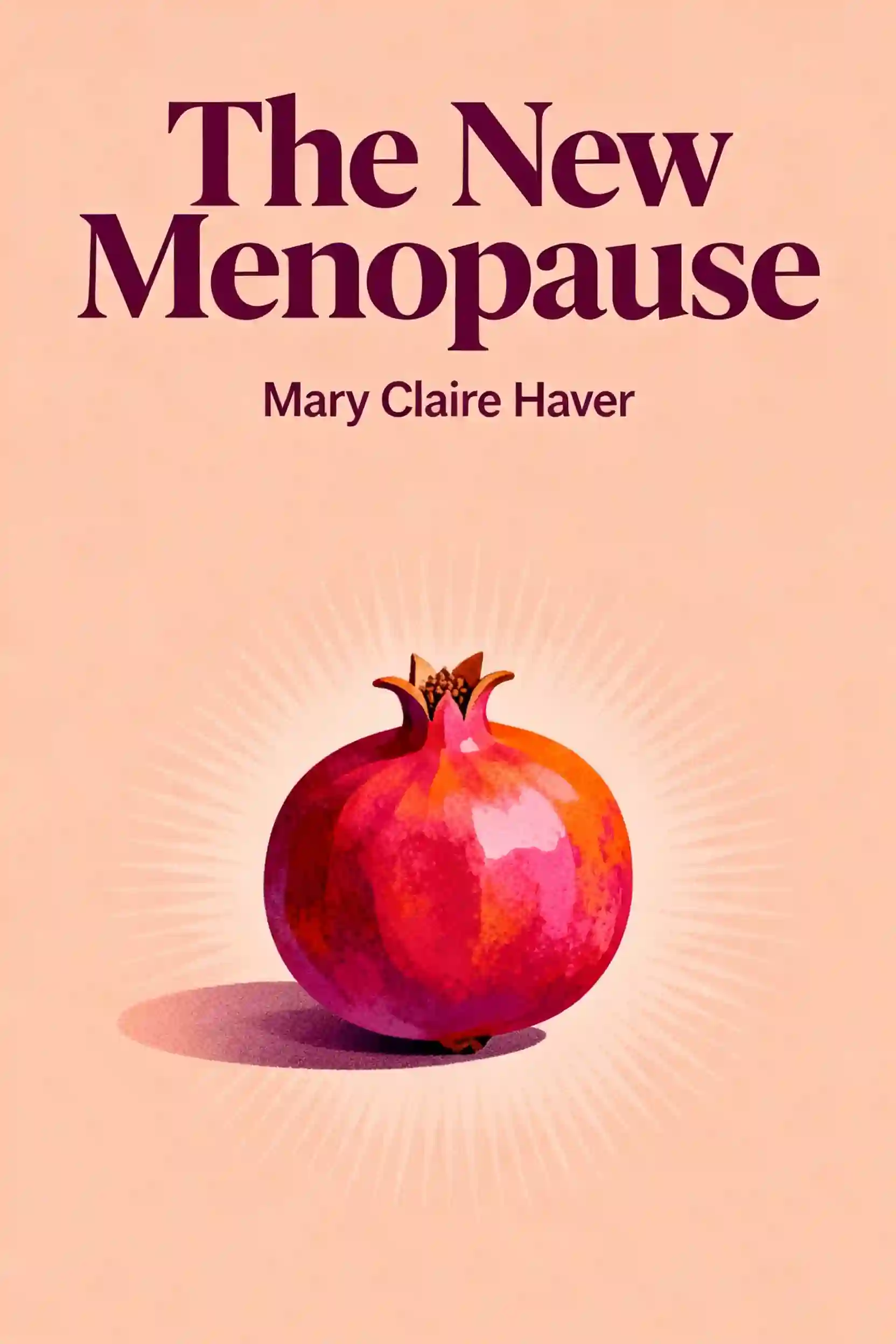
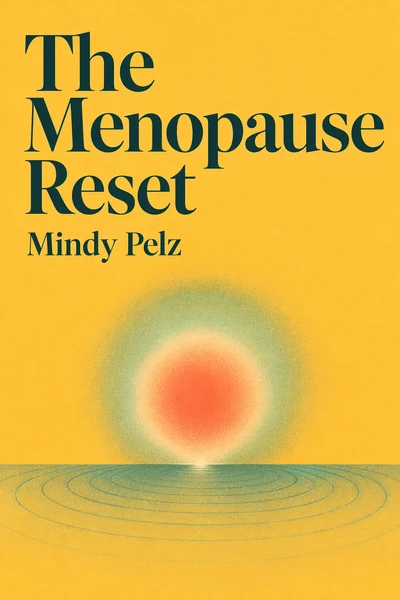
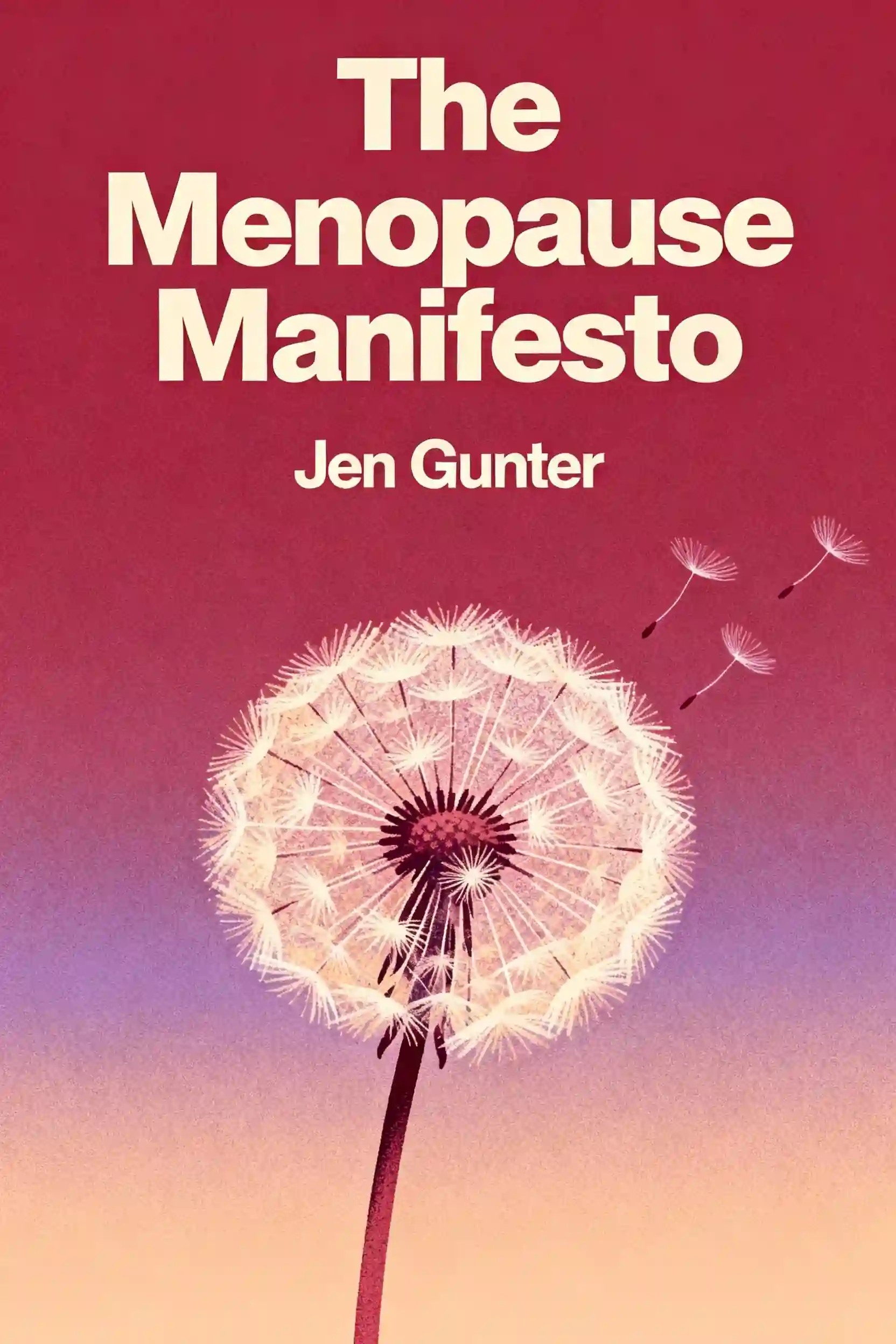
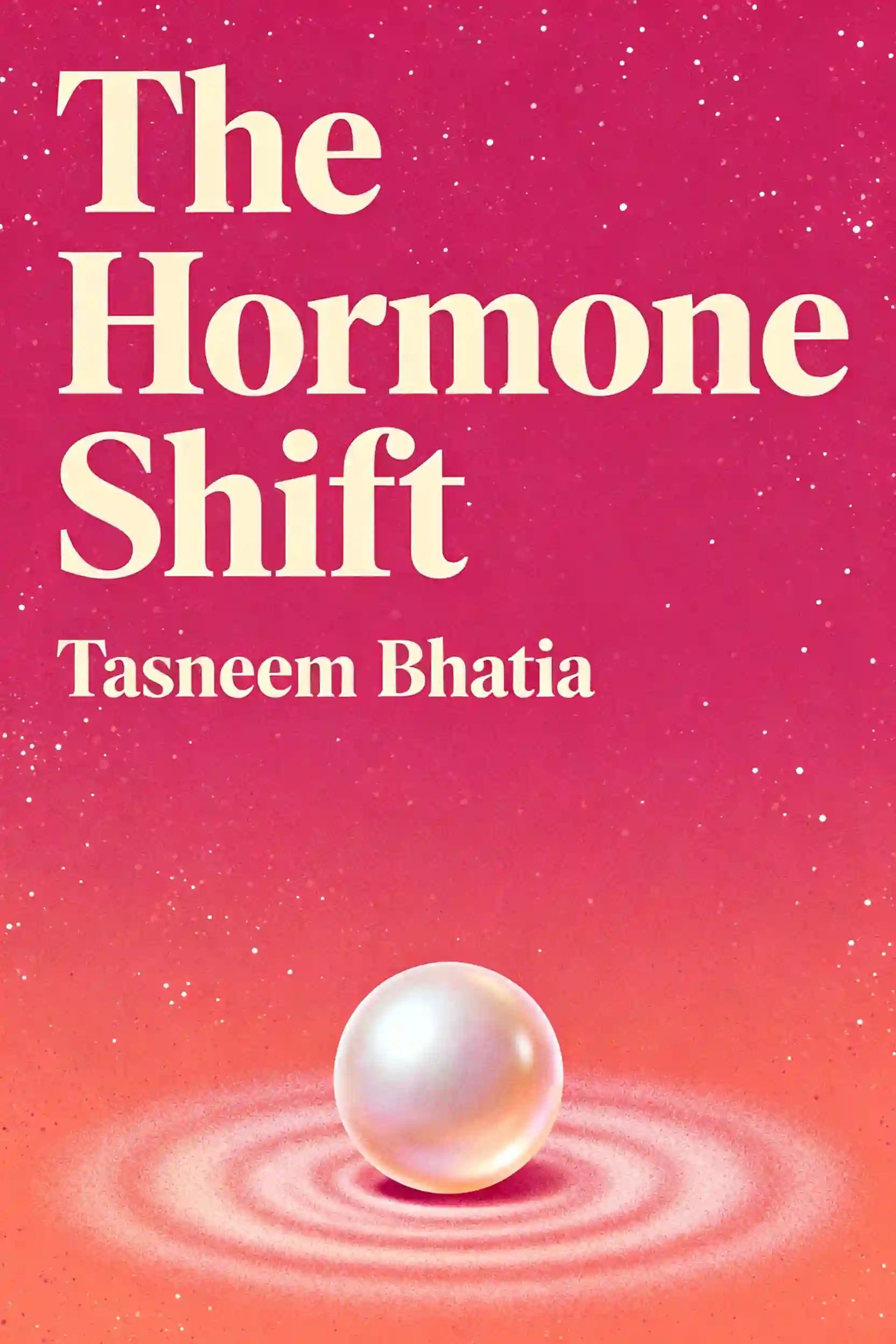
Discover why menopause isn't something to just endure - learn evidence-based strategies, treatment options, and actionable frameworks to take control of this natural transition with confidence.
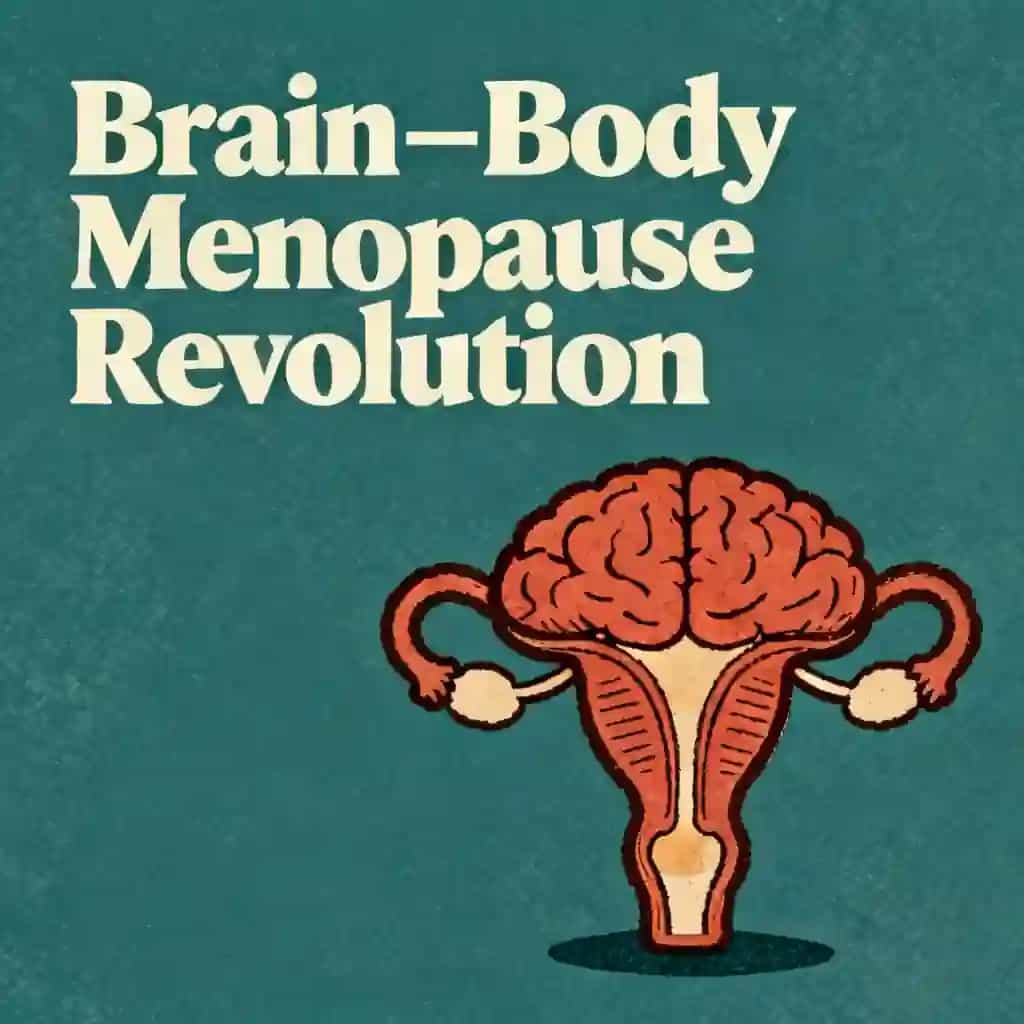
Discover how menopause rewires your brain and transforms body composition, plus science-backed strategies for navigating these neurological and physical changes to thrive in midlife.
Explore the decade-long menopause journey that starts in your 40s, from understanding symptoms to advocating for personalized care in this empowering guide.