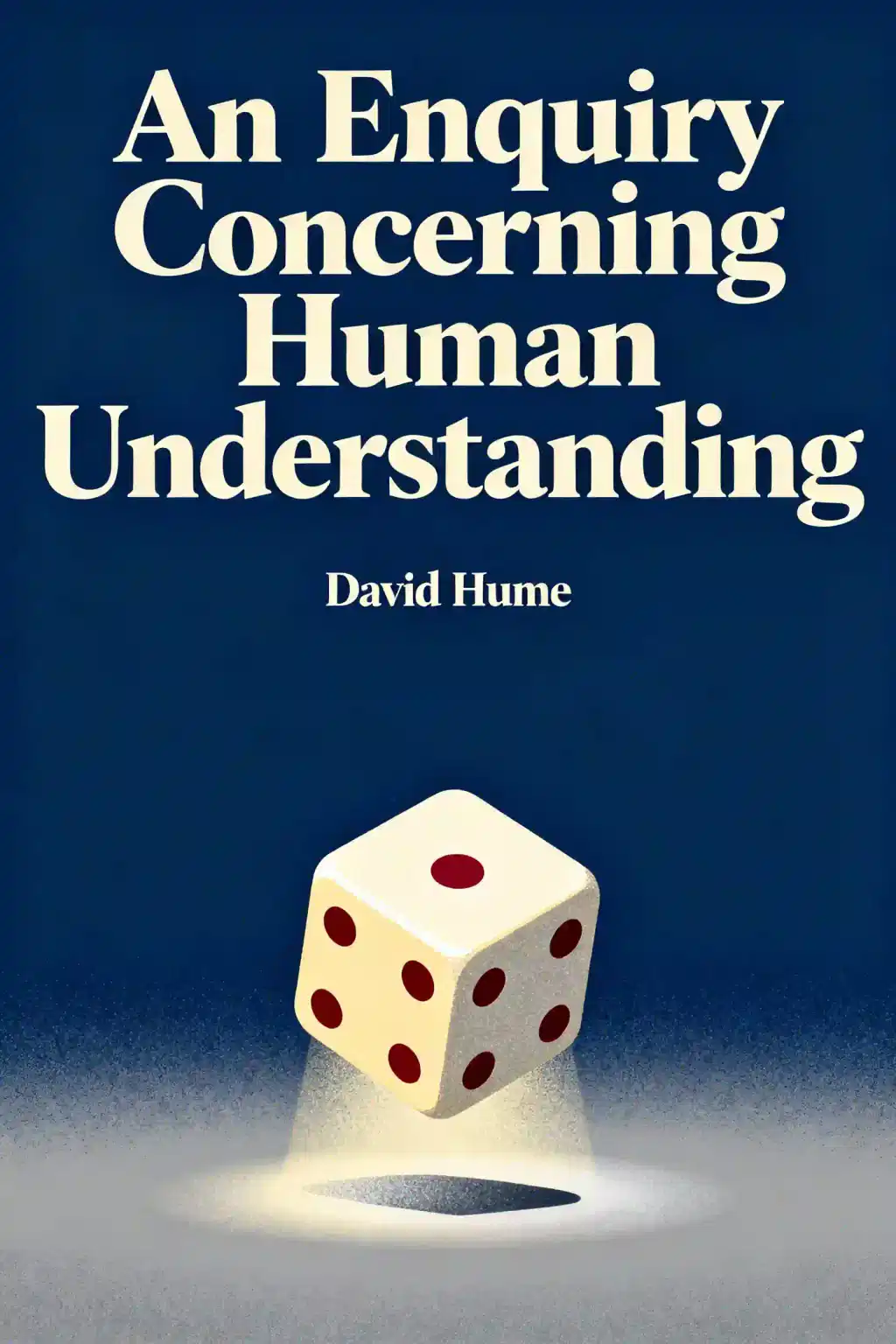
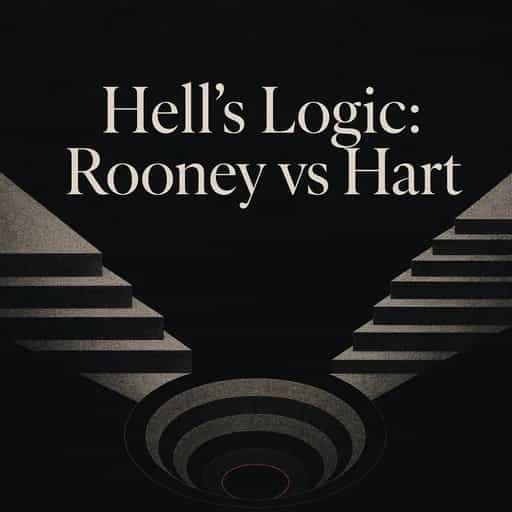
Logical Fallacies of the Bible and Christian Doctrines Explained
Explore the logical fallacies of the Bible and Christian doctrines. Analyze the nitty-gritty flaws in church dogmas and theological arguments in this episode.

Best quote from Logical Fallacies of the Bible and Christian Doctrines Explained
If we establish a universal rule and say the universe is in that class, we have to ask: why is God the only one exempt? If the rule is 'everything that exists has a cause,' and we suddenly stop that rule at God, aren't we just moving the goalposts?
Generated by Ezra
Logical fallacies of the Bible and Christian doctrines. The nitty gritty fallacies of the church in its unifying doctorines and dogmas.


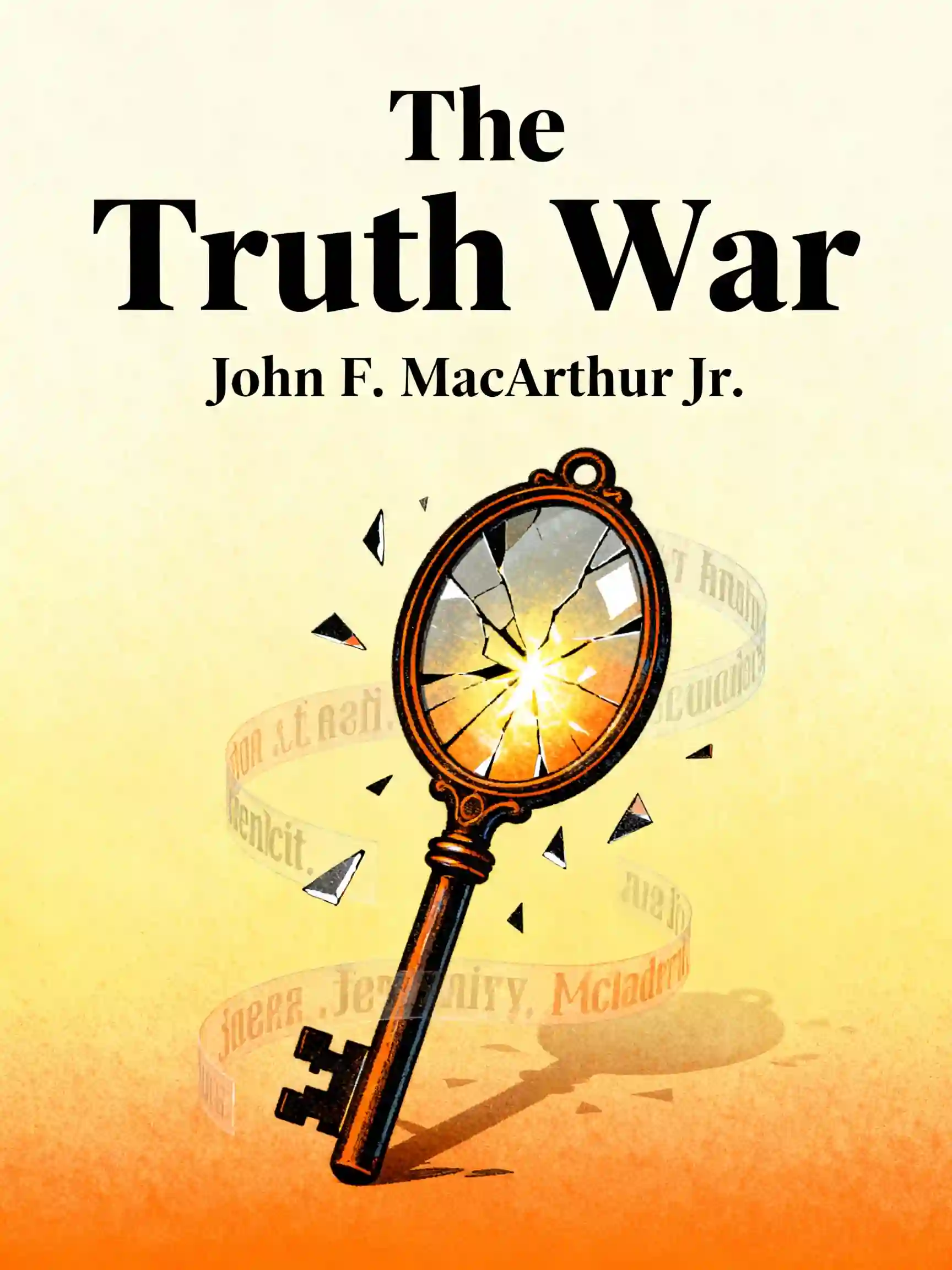
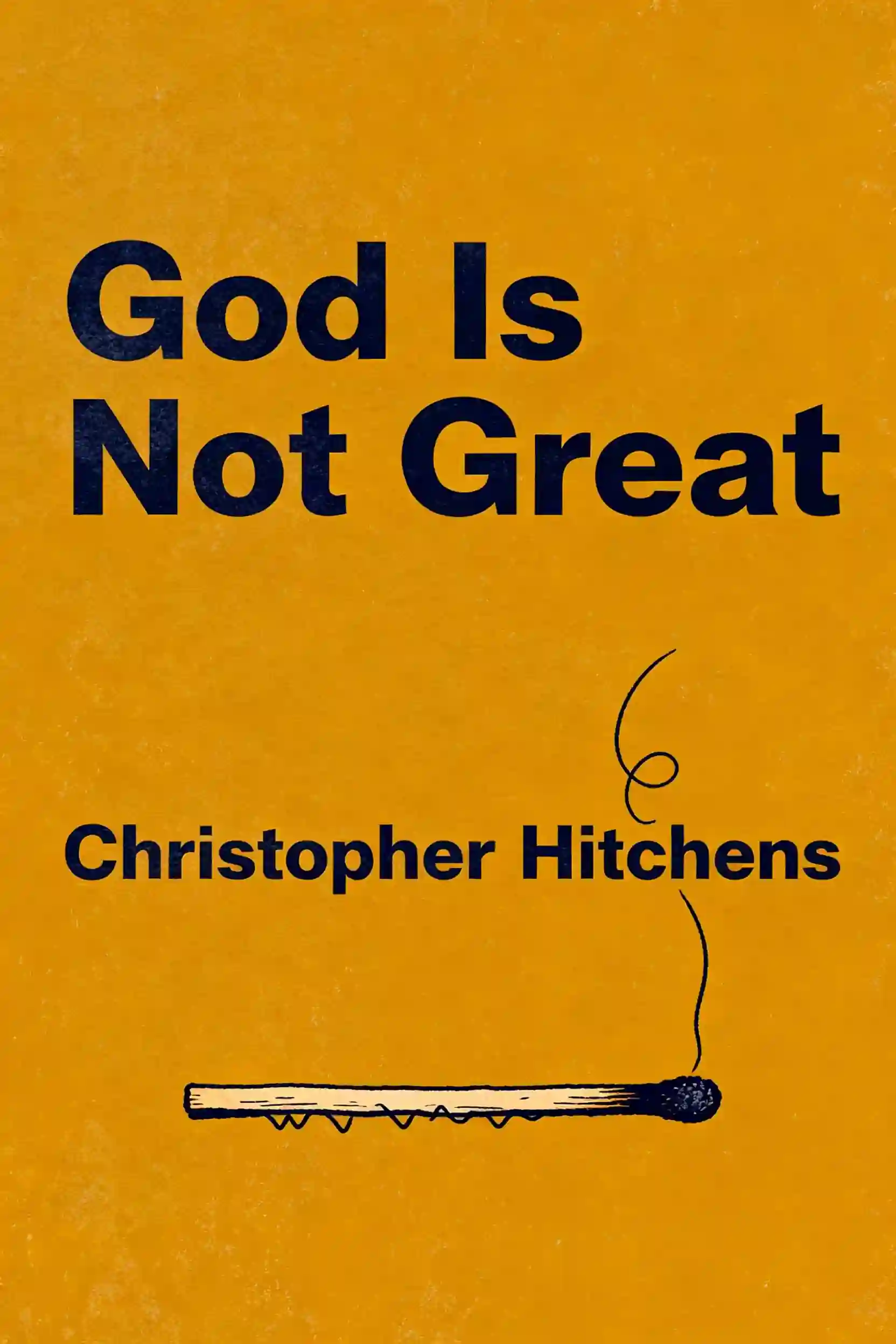
Frequently Asked Questions
This episode examines specific logical fallacies of the Bible that often surface during theological arguments and religious apologetics. We break down the nitty-gritty inconsistencies found within various texts and how they impact the overall logic of the scriptures. By analyzing these biblical fallacies, listeners can better understand the structural gaps that critics and scholars often point out when discussing the historical and literary merits of the text.
Christian doctrines and church dogmas are often built upon foundational premises that may contain logical inconsistencies. This discussion explores how these unifying beliefs are constructed and where the logic might fail under critical scrutiny. We look at how certain dogmas are maintained despite these fallacies and what that means for the internal consistency of Christianity logic as a whole, providing a deeper look into the mechanics of religious belief systems.
Analyzing religious apologetics is essential for understanding how theological arguments are defended against modern critique. By identifying logical fallacies within these defenses, one can distinguish between sound reasoning and circular or flawed justifications. This episode provides a framework for evaluating the nitty-gritty details of church teachings, helping listeners engage more thoughtfully with the complex relationship between faith, tradition, and formal logic in a religious context.
From Columbia University alumni built in San Francisco
"Instead of endless scrolling, I just hit play on BeFreed. It saves me so much time."


"I never knew where to start with nonfiction—BeFreed’s book lists turned into podcasts gave me a clear path."


"Perfect balance between learning and entertainment. Finished ‘Thinking, Fast and Slow’ on my commute this week."
"Crazy how much I learned while walking the dog. BeFreed = small habits → big gains."
"Reading used to feel like a chore. Now it’s just part of my lifestyle."

"Feels effortless compared to reading. I’ve finished 6 books this month already."
"BeFreed turned my guilty doomscrolling into something that feels productive and inspiring."

"BeFreed turned my commute into learning time. 20-min podcasts are perfect for finishing books I never had time for."
"BeFreed replaced my podcast queue. Imagine Spotify for books — that’s it. 🙌"

"It is great for me to learn something from the book without reading it."
"The themed book list podcasts help me connect ideas across authors—like a guided audio journey."
"Makes me feel smarter every time before going to work"
From Columbia University alumni built in San Francisco
"Instead of endless scrolling, I just hit play on BeFreed. It saves me so much time."
"I never knew where to start with nonfiction—BeFreed’s book lists turned into podcasts gave me a clear path."
"Perfect balance between learning and entertainment. Finished ‘Thinking, Fast and Slow’ on my commute this week."
"Crazy how much I learned while walking the dog. BeFreed = small habits → big gains."
"Reading used to feel like a chore. Now it’s just part of my lifestyle."
"Feels effortless compared to reading. I’ve finished 6 books this month already."
"BeFreed turned my guilty doomscrolling into something that feels productive and inspiring."
"BeFreed turned my commute into learning time. 20-min podcasts are perfect for finishing books I never had time for."
"BeFreed replaced my podcast queue. Imagine Spotify for books — that’s it. 🙌"
"It is great for me to learn something from the book without reading it."
"The themed book list podcasts help me connect ideas across authors—like a guided audio journey."
"Makes me feel smarter every time before going to work"
"Instead of endless scrolling, I just hit play on BeFreed. It saves me so much time."
"I never knew where to start with nonfiction—BeFreed’s book lists turned into podcasts gave me a clear path."
"Perfect balance between learning and entertainment. Finished ‘Thinking, Fast and Slow’ on my commute this week."
"Crazy how much I learned while walking the dog. BeFreed = small habits → big gains."
"Reading used to feel like a chore. Now it’s just part of my lifestyle."
"Feels effortless compared to reading. I’ve finished 6 books this month already."
"BeFreed turned my guilty doomscrolling into something that feels productive and inspiring."
"BeFreed turned my commute into learning time. 20-min podcasts are perfect for finishing books I never had time for."
"BeFreed replaced my podcast queue. Imagine Spotify for books — that’s it. 🙌"
"It is great for me to learn something from the book without reading it."
"The themed book list podcasts help me connect ideas across authors—like a guided audio journey."
"Makes me feel smarter every time before going to work"
"Instead of endless scrolling, I just hit play on BeFreed. It saves me so much time."
"I never knew where to start with nonfiction—BeFreed’s book lists turned into podcasts gave me a clear path."
"Perfect balance between learning and entertainment. Finished ‘Thinking, Fast and Slow’ on my commute this week."
"Crazy how much I learned while walking the dog. BeFreed = small habits → big gains."
"Reading used to feel like a chore. Now it’s just part of my lifestyle."
"Feels effortless compared to reading. I’ve finished 6 books this month already."
"BeFreed turned my guilty doomscrolling into something that feels productive and inspiring."
"BeFreed turned my commute into learning time. 20-min podcasts are perfect for finishing books I never had time for."
"BeFreed replaced my podcast queue. Imagine Spotify for books — that’s it. 🙌"
"It is great for me to learn something from the book without reading it."
"The themed book list podcasts help me connect ideas across authors—like a guided audio journey."
"Makes me feel smarter every time before going to work"

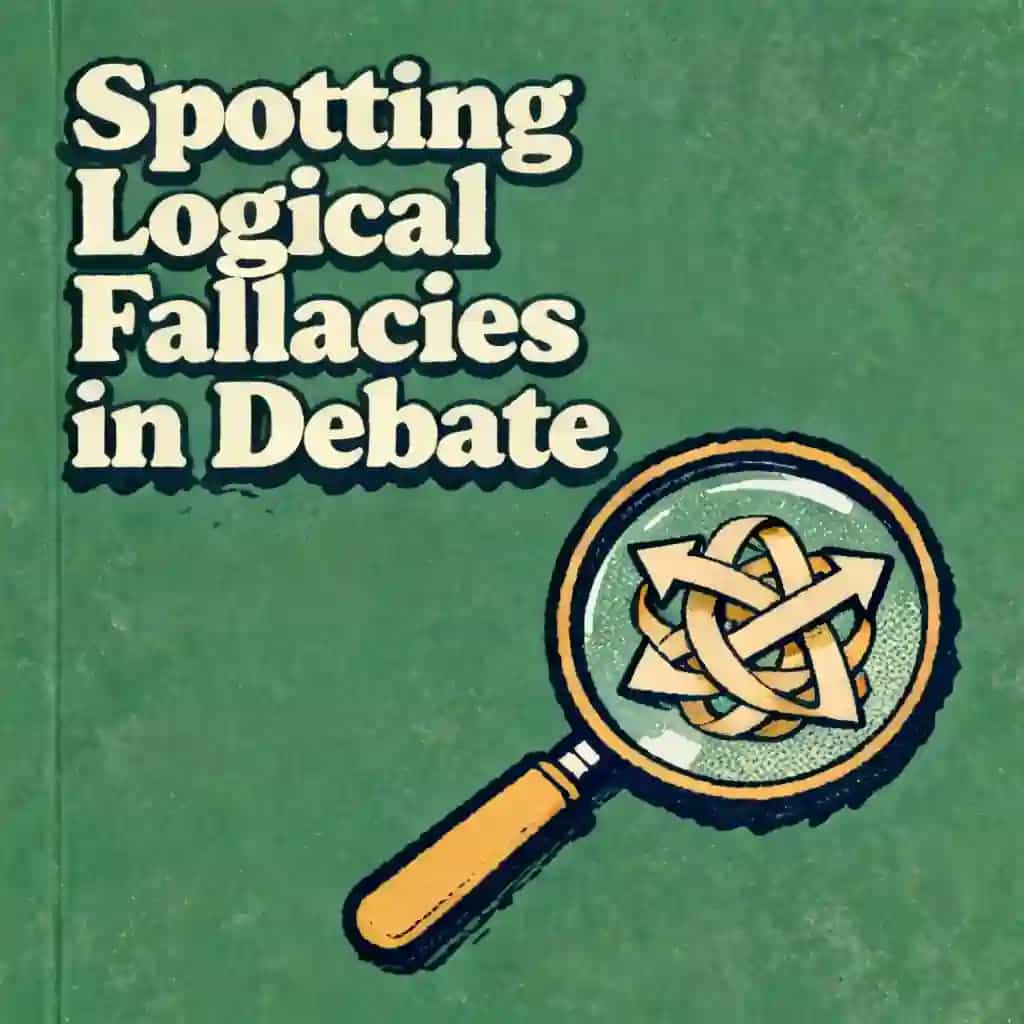

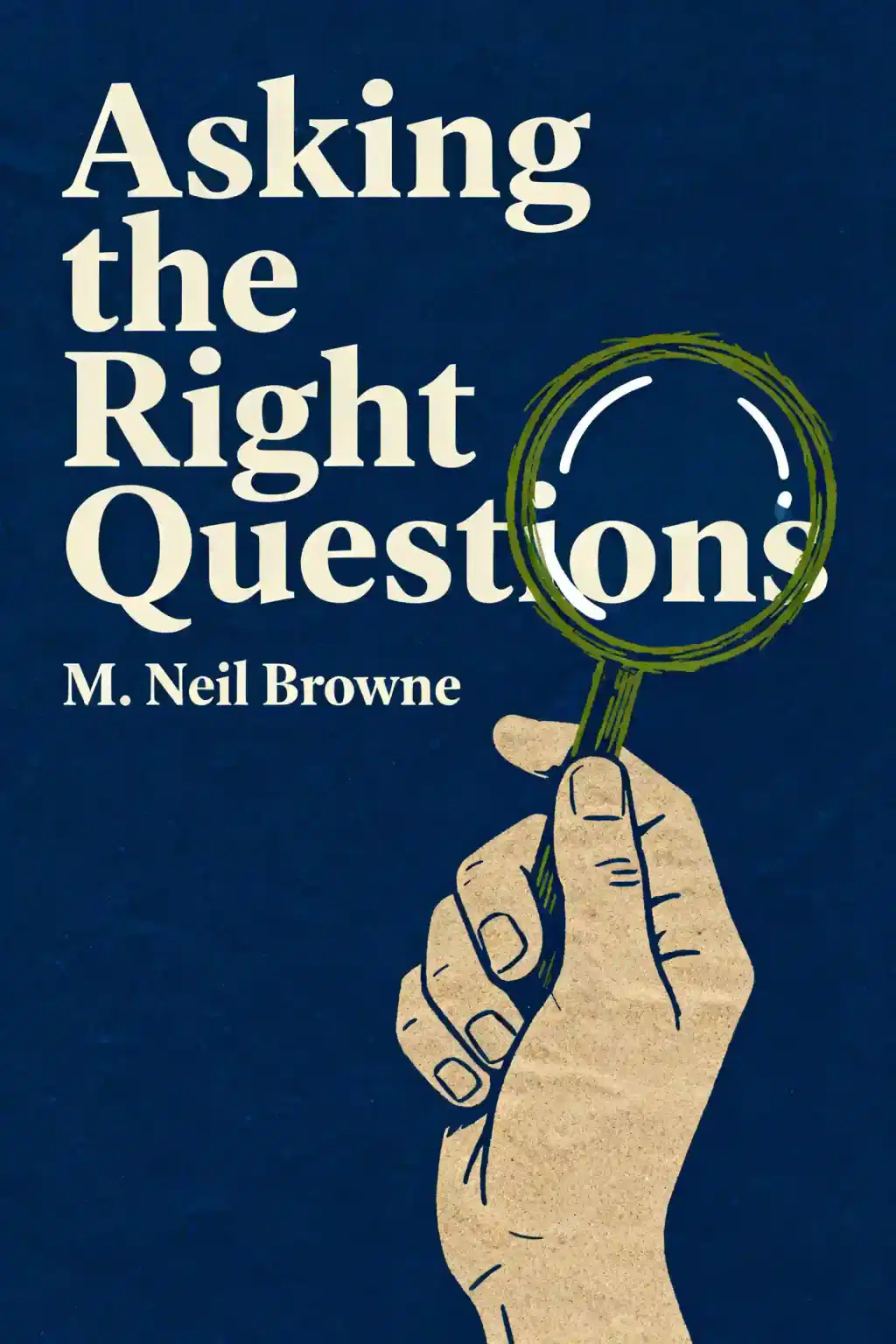


![[8a0454c0-4a56-4487-8b98-8ccf04a71353:c0001] Google Drive PDF p1-1](/_next/image?url=https%3A%2F%2Fd1y2du6z1jfm9e.cloudfront.net%2Fassets%2Fpodcast%2Fblue.png&w=1024&q=50)
![[8a0454c0-4a56-4487-8b98-8ccf04a71353:c0002] Google Drive PDF p1-1](/_next/image?url=https%3A%2F%2Fd1y2du6z1jfm9e.cloudfront.net%2Fassets%2Fpodcast%2Fgreen.png&w=1024&q=50)
![[8a0454c0-4a56-4487-8b98-8ccf04a71353:c0003] Google Drive PDF p1-1](/_next/image?url=https%3A%2F%2Fd1y2du6z1jfm9e.cloudfront.net%2Fassets%2Fpodcast%2Fpurple.png&w=1024&q=50)