Lena: As we wrap up our deep dive into the Social Security Fund, I'm curious about where this is all heading. What does the future look like for social security in Nepal?
Miles: It's actually quite exciting to think about! The SSF represents a fundamental shift in how Nepal approaches social protection. We're moving from a system where social security was primarily available to government employees to one where every worker—formal or informal—can have access to comprehensive coverage.
Lena: That's a massive transformation. Do you think it's sustainable long-term?
Miles: The early indicators are promising. The fund is growing rapidly, both in terms of contributors and accumulated assets. With nearly a million contributors already and the investment returns helping to grow the fund, the financial foundation seems solid.
Lena: But what about the broader implications? How might this change Nepali society?
Miles: I think we're looking at a generational shift. When people know they have healthcare coverage, disability protection, and retirement security, they make different choices. They might be more willing to start businesses, change careers, or invest in education because they have that safety net.
Lena: So it could actually increase economic dynamism rather than just providing security?
Miles: Exactly! Social security systems often have that paradoxical effect—by reducing individual risk, they can increase overall economic risk-taking and innovation. People are more entrepreneurial when they know they won't lose everything if they get sick or injured.
Lena: And what about the regional offices like Biratnagar? How do you see their role evolving?
Miles: I think they'll become increasingly important as the system matures. They're not just administrative offices—they're becoming community resources for financial planning, business development support, and economic education. The Biratnagar office might eventually offer workshops on retirement planning or small business management.
Lena: That's fascinating—so they could evolve into comprehensive financial service centers?
Miles: That's one possibility. The SSF already offers loans, manages investments, and provides various benefits. It's not hard to imagine them expanding into other financial services that support their core mission of social security.
Lena: What challenges do you think they'll face as the system grows?
Miles: Scale will be the biggest challenge. Managing millions of contributors, processing thousands of benefit claims, and maintaining service quality while growing rapidly—that's incredibly complex. They'll need to continue investing in technology and staff development.
Lena: And there are probably lessons they can learn from other countries' social security systems?
Miles: Absolutely! Nepal's SSF is already connected to international organizations like the International Social Security Association. They can learn from both successes and failures in other countries and adapt those lessons to Nepal's specific context.
Lena: Looking at this from our listeners' perspective, what should they be watching for as the system evolves?
Miles: I'd watch for benefit expansions, new service offerings, and improvements in the digital platform. The SSF has been quite responsive to user feedback, so contributors who engage with the system and provide input can actually influence how it develops.
Lena: That's empowering—the idea that people can help shape their own social security system.
Miles: It really is. And I think that participatory aspect will be crucial for the long-term success of the system. When people feel ownership and see their input reflected in improvements, they're more likely to support and comply with the system.
Lena: So as we bring this conversation to a close, what's the key takeaway for our listeners about the Social Security Fund and the work being done in places like Biratnagar?
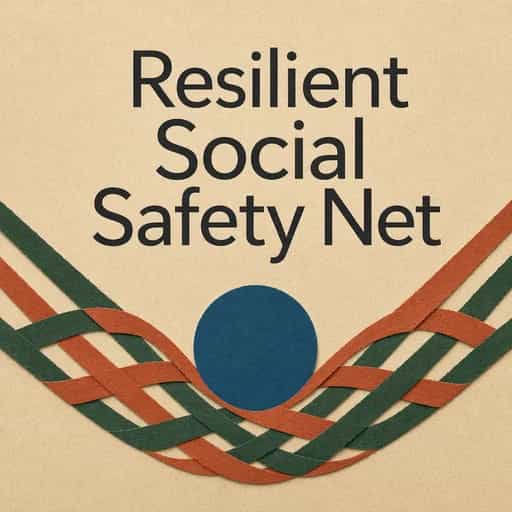
Miles: I think the key takeaway is that we're witnessing the construction of a comprehensive social safety net in real-time. The SSF isn't just about retirement savings or healthcare coverage—it's about creating the foundation for a more secure and prosperous society. The work happening in regional offices like Biratnagar is literally building the infrastructure for Nepal's economic and social future.
Lena: And for individuals, whether they're currently in the system or thinking about joining, the message is to engage actively with their social security benefits?
Miles: Absolutely! Don't treat it as something that just happens to you—understand your benefits, track your contributions, use the services available to you, and plan for your future with these tools in mind. The SSF can be a powerful partner in building financial security, but only if people actively engage with it.
Lena: Well, Miles, this has been an incredibly enlightening conversation. I had no idea the Social Security Fund was doing so much beyond basic retirement benefits. The scope and ambition of what they're building is really impressive.
Miles: It's been great exploring this with you, Lena. The SSF story is still being written, and I think our listeners will find it fascinating to follow how this system continues to evolve and impact people's lives across Nepal.
Lena: To everyone who's been listening, we'd love to hear about your experiences with social security systems, whether in Nepal or elsewhere. How have these programs affected your life or career decisions? Drop us a line and let us know what you think about the topics we've covered today.
Miles: And if you found this deep dive valuable, consider sharing it with friends or colleagues who might benefit from understanding how modern social security systems work. These programs affect millions of people, and the more we understand them, the better we can engage with them effectively.
Lena: Thanks for joining us for this exploration of Nepal's Social Security Fund and the important work being done in regional offices like Biratnagar. Until next time, keep learning and stay curious!