BeFreed
    Categories>History & Society>Inside North Korea: Daily Life Behind the World's Most Isolated Regime

    Inside North Korea: Daily Life Behind the World's Most Isolated Regime

    15 min
    |
    |
    Sep 21, 2025
    • History & Society
    • Politics

    Peek behind the bamboo curtain into the complex reality of 25 million North Koreans navigating two economies, digital surveillance, and information control. Drawing from Barbara Demick's 'Nothing to Envy,' defector testimonies, and UN reports, discover how ordinary people create normalcy under extraordinary constraints.

    Inside North Korea: Daily Life Behind the World's Most Isolated Regime
    0:00 / 0:00
    Choose how it's told

    One episode. Many ways to hear it.

    Same ideas from Inside North Korea: Daily Life Behind the World's Most Isolated Regime. Pick the voice, depth, and pace that fits you. Switch anytime.

    Transcript & chapters

    Chapter 1

    Behind the Bamboo Curtain

    Nia: Welcome to the BeFreed Podcast, where we distill the world's best sources into personalized insights you can actually finish. I'm Nia, and today we're diving into one of the most secretive societies on Earth.

    Jackson: And I'm Jackson. We're exploring "What It's Truly Like Living in North Korea" - not the propaganda or oversimplified headlines, but the complex reality of daily life for 25 million people living under the world's most isolated regime.

    Nia: Exactly! And we've pulled from an incredible range of sources - Barbara Demick's "Nothing to Envy" which follows ordinary families in the provincial city of Chongjin, Andrei Lankov's policy analysis, defector memoirs, UN human rights reports, and even cybercrime podcasts like the BBC's "Lazarus Heist." It's like putting together pieces of a mosaic.

    Jackson: Because when a country is this closed off, you need multiple perspectives to see the full picture. Ready to peek behind the bamboo curtain?
    Chapter 2

    Morning Routines and Market Life

    Nia: So Jackson, what does a typical morning look like for a North Korean family?

    Jackson: Well, it often starts with the inminban - neighborhood unit leaders, usually middle-aged women who essentially function as both community organizers and surveillance. They coordinate everything from dawn sanitation duties to keeping tabs on who visits whom, and they report to security agents twice daily.

    Nia: Wait, so your neighbor is essentially reporting on you? That's intense. What happens after that wake-up call?

    Jackson: Then it's off to work - if you have a formal job - or to the markets if you don't. And this is fascinating: after the state food distribution system collapsed during the 1990s famine, women became the backbone of these jangmadang markets. They're importing goods from China, creating logistics networks, and essentially keeping the economy afloat.

    Nia: I remember reading in Barbara Demick's "Nothing to Envy" about how these markets became survival mechanisms. It's like an entire parallel economy emerged.

    Jackson: Exactly! And as Daniel Tudor and James Pearson document in "North Korea Confidential," there's now a whole consumer culture around these markets - fashion trends, cosmetics, even knockoff South Korean styles circulating under the radar. It's this fascinating blend of hustle, haggling, and navigating bribes to keep your business going.

    Nia: So people are essentially living in two worlds - the official state economy and this gray market that actually keeps them fed?

    Jackson: Precisely. Stephan Haggard and Marcus Noland's research shows how this bottom-up marketization became both a survival strategy and a political shock absorber. It kept people alive without forcing the regime to reform from above.

    Keep learning with this episode

    Take the ideas from this episode into a guided learning experience in BeFreed.

    Chapter 3

    The Food-Energy Paradox

    Nia: Let's talk about something basic - food. How do ordinary North Koreans eat?

    Jackson: Food remains a daily preoccupation. The legacy of the 1990s famine is still visible in anthropometric research - studies of height, weight, and body measurements. Children measured in North Korea in the early 2000s were substantially shorter and lighter than their South Korean counterparts.

    Nia: That's heartbreaking. So even decades later, you can literally see the impact of policy failures in people's bodies?

    Jackson: Absolutely. And it's not just food scarcity - energy scarcity shapes daily life too. NASA's night-time satellite imagery from January 2024 shows South Korea ablaze with light while North Korea is almost completely dark except for Pyongyang and a few dots.

    Nia: I've seen those images! It's stunning - like looking at two different planets.

    Jackson: That darkness translates to real-life adaptations: work shifts aligned with daylight hours, careful rationing of appliances, and a cottage industry of batteries and inverters for those who can afford them. Imagine planning your entire day around when you might have electricity.

    Nia: It makes our complaints about Wi-Fi outages seem pretty trivial, doesn't it? But I'm curious - does everyone experience these hardships equally?

    Chapter 4

    The Social Physics of Control

    Jackson: Not at all, and that brings us to songbun - North Korea's hereditary social classification system that divides citizens into "core," "wavering," or "hostile" categories with dozens of subtypes.

    Nia: So it's like a caste system? How do people even know what category they're in?

    Jackson: That's the thing - you don't get a letter telling you your class. You discover it indirectly when a school opportunity vanishes or a move to Pyongyang is quietly denied. Human rights researchers describe it as social gravity - felt, not seen.

    Nia: That sounds incredibly frustrating - having invisible barriers but never being told exactly why opportunities aren't available to you.

    Jackson: And then there's saenghwal chonghwa - weekly or monthly "life criticism" sessions at work or in your neighborhood, where you confess your shortcomings and others critique you.

    Nia: Wait, you have to publicly confess your "faults" regularly? That sounds psychologically exhausting.

    Jackson: It's part therapy, part performance, part discipline. Most people have learned to perform these with minimal risk - unless the state decides to make an example of someone. It's this constant background pressure to conform.

    Nia: And I imagine that creates a lot of self-censorship too. You're always watching what you say and do.

    Keep learning with this episode

    Take the ideas from this episode into a guided learning experience in BeFreed.

    Chapter 5

    Digital Surveillance 2.0

    Jackson: Absolutely, and that surveillance has gone digital. If you picture North Korea frozen in 1984-style control, you'll miss one of the biggest changes of the last decade: a managed, domestic digital ecosystem.

    Nia: Wait, North Koreans have smartphones?

    Jackson: Many do! But they're domestic models, often based on Chinese hardware with heavily customized software. They connect mainly to Kwangmyong - the sealed national intranet, not the global internet. The operating systems watermark files, log media consumption, and make unsanctioned files unplayable.

    Nia: So the phones are essentially tracking devices?

    Jackson: Security researchers who examined Red Star OS - the government's desktop operating system - found it's a custom Linux build with file-watermarking that tracks who opened what files, where, and when. As one researcher put it, the devices are designed to be "completely compromised." It's state control, updated for the mobile era.

    Nia: That changes how I picture North Korea. I was thinking 1950s-style propaganda posters, but they've actually adapted modern technology for surveillance.

    Jackson: Exactly! The control mechanisms evolve with the technology. If you're living there, this shapes what you dare to watch, trade, or share - even how you borrow a neighbor's thumb drive.

    Chapter 6

    The Information Underground

    Nia: But people still find ways to access outside information, right?

    Jackson: Absolutely! Despite the controls, outside media still circulates - K-dramas, South Korean slang, Hollywood action films - smuggled on microSD cards or viewed on Chinese phones near the border.

    Nia: I read Jieun Baek's "North Korea's Hidden Revolution" about this information underground. It's not just entertainment; it completely resets people's expectations about how life can look.

    Jackson: And the state's response has been brutal. The 2020 "Anti-Reactionary Thought and Culture" law criminalizes possession of South Korean media with penalties up to life imprisonment or death in serious cases. A 2024 South Korean ministry report documented executions tied to K-pop.

    Nia: Wait, people are being executed for watching K-pop? That seems so disproportionate.

    Jackson: It shows how threatening information is to the regime. In 2023, they doubled down with the Pyongyang Cultural Language Protection Act, which punishes using South Korean slang or even intonation. Human Rights Watch noted reports of public trials and labor sentences for youth caught speaking in what they call "puppet language."

    Nia: So correcting your speech - and monitoring your teenager's slang - becomes part of everyday vigilance. That's chilling.

    Keep learning with this episode

    Take the ideas from this episode into a guided learning experience in BeFreed.

    Chapter 7

    A Tale of Two Koreas

    Jackson: And all of this varies dramatically depending on where you live. Pyongyang is essentially a showcase capital - cleaner, better lit, better supplied, and heavily curated. Membership there is a privilege.

    Nia: So there's a geographic hierarchy too?

    Jackson: Absolutely. Residents with elite songbun, party status, and proven loyalty get better housing, less intrusive policing, and access to special shops. The farther you go from the capital, the more things look like those markets we talked about - hustle, barter, informal transport networks.

    Nia: Barbara Demick's portraits of life in Chongjin really highlight that divide. To live in Pyongyang is to act like you belong to the elite; to live outside is to act like you can't afford to be noticed.

    Jackson: And that educational divide is stark too. Author Suki Kim went undercover in 2011 to teach English at Pyongyang University of Science and Technology. In her TED talk, she describes a closed campus where students - sons of the elite - had never used the internet and lived in a curated reality where every conversation somehow circled back to praising the leader.

    Nia: So even the most privileged students are living in this information bubble?

    Jackson: Exactly. That's not every classroom in North Korea, but it captures how education functions there: not to build independent inquiry but to reproduce the state's narrative. If you're a parent, you measure every word at home; if you're a student, you learn to speak the language of loyalty while privately fencing off questions.

    Chapter 8

    The Paradox of Ordinary Life

    Nia: What strikes me is how people manage to create normalcy within such abnormal conditions.

    Jackson: That's the paradox of daily life there. In 2024-2025, North Korea revised its constitution to define South Korea as a "hostile state" and explicitly abandon the goal of peaceful unification. That rhetorical hardening matters less to a farmer deciding whether to trade potatoes for soap, and more to a teenager weighing whether a slang word could get them hauled before a public trial.

    Nia: So there's this constant tension between just living your life and navigating the system's demands?

    Jackson: Exactly. And the border situation has changed dramatically. COVID sealed North Korea more tightly than at any time since the famine. For three years, defections plummeted, smugglers lost their livelihood, and cross-border family calls dried up.

    Nia: I heard on Modern Wisdom's podcast with Yeonmi Park that the border she once crossed had become, by the late 2010s, a "concentration camp" line of electrified fences, guns, and mines.

    Jackson: The practical point is clear: after COVID, escape became much, much harder. And there's another dimension most citizens never see: cyber-heists and crypto laundering that help fund the regime. The BBC's Lazarus Heist podcast documents how billions have been stolen to bankroll missiles, keep elites rewarded, and reduce dependence on taxable domestic growth.

    Nia: So the average person doesn't hear about these cyber operations, but they feel the effects through the state's continued ability to fund itself despite sanctions?

    Jackson: Precisely. It's all part of the complex reality that shapes daily life there.

    Keep learning with this episode

    Take the ideas from this episode into a guided learning experience in BeFreed.

    Chapter 9

    The Freedom to Imagine Otherwise

    Nia: So after all our research, what's the takeaway? What does life in North Korea in 2025 really look like?

    Jackson: I think it comes down to three questions that shape daily life: "Can I trade?" "Can I speak?" "Can I watch?" And the answers are "yes, with risk," "yes, with ritual," and "yes, with fear."

    Nia: That's a powerful framework. So people are constantly calculating risk versus reward for basic activities.

    Jackson: Exactly. The UN's 2025 update is blunt: surveillance has intensified, punishments for accessing outside information have become harsher, and forced labor remains systemic. But the same report notes marginal improvements in detention-site violence and small procedural changes - reminders that pressure and scrutiny do matter.

    Nia: So there's still hope for gradual change?

    Jackson: I think Jieun Baek's research puts it best: outside information doesn't cause a revolution overnight, but it fractures the monopoly on imagination. If you can picture a different future, you act a little differently today.

    Nia: And that's perhaps the most powerful takeaway - the freedom to imagine otherwise.

    Jackson: The rest of life - falling in love during a blackout, snacking on noodles in a back alley, fixing a broken generator with friends - happens in the spaces those constraints leave open. People find ways to be human, even in the most restrictive environments.

    Chapter 10

    The Quiet Revolution of Everyday Life

    Nia: So what can we learn from North Koreans' resilience in such challenging circumstances?

    Jackson: I think there are five key insights: First, almost everyone is a pragmatist. People know when electricity will likely be on, who's safe to trade with, which neighbor gossips too much. They're not brainwashed robots or secret dissidents - they're survivors.

    Nia: That makes so much sense. They're just people trying to navigate an incredibly difficult system.

    Jackson: Second, markets and repression co-evolve. Kim Jong Un didn't end markets; he licensed some and punished others, while building new legal tools and tech to keep minds within the fence.

    Nia: Third, geography is destiny - Pyongyang versus the borderlands versus interior cities all have different realities.

    Jackson: Fourth, information is oxygen. A K-drama episode doesn't just entertain; it resets the idea of what a relationship, a kitchen, a street can look like. That's why the state treats a USB stick like a weapon.

    Nia: And finally, the story keeps changing. When the constitution calls the South a "hostile state," you should expect more pressure on slang, fashion, and any behavior seen as "South-style."

    Jackson: Exactly. None of that shows up on glossy Pyongyang postcards - but it shows up in how a mother corrects her daughter's speech on the walk home.

    Nia: This conversation has completely transformed how I think about North Korea - not as some monolithic evil empire, but as a place where 25 million people are trying to live their lives under extraordinary constraints.

    Jackson: And that's what makes their resilience so remarkable. The quiet revolution isn't just about politics - it's about preserving humanity in small, everyday acts of normalcy.

    Nia: That's your daily dose of smarter from BeFreed Podcast. If your brain liked it, come back tomorrow - we've got more where that came from. I'm your host, Nia.

    Jackson: And I'm Jackson. Until next time, stay curious!

    ★★★★★

    You made it to the end of Inside North Korea: Daily Life Behind the World's Most Isolated Regime

    “23 days in and I have used it every single day. It is part of my daily habit now.”

    jayallen

    Best quote from Inside North Korea: Daily Life Behind the World's Most Isolated Regime

    “

    Outside information doesn't cause a revolution overnight, but it fractures the monopoly on imagination. If you can picture a different future, you act a little differently today.

    ”
    F

    Generated by Freedee_BE9DDE1A

    Input question

    What is daily life really like for ordinary people in North Korea?

    Host voices
    Niaplay
    Jacksonplay
    Knowledge sources
    Nothing to Envy: Ordinary Lives in North Korea
    link
    https://www.befreed.ai/book/nothing-to-envy-by-barbara-demick
    In Order to Live: A North Korean Girl's Journey to Freedom
    link
    https://www.befreed.ai/book/in-order-to-live-by-yeonmi-park
    A River in Darkness: One Man's Escape from North Korea
    link
    https://www.befreed.ai/book/a-river-in-darkness-by-masaji-ishikawa
    Becoming Kim Jong Un: A Former CIA Officer's Insights into North Korea's Enigmatic Young Dictator
    link
    https://www.befreed.ai/book/becoming-kim-jong-un-by-jung-h-pak
    The Real North Korea: Life and Politics in the Failed Stalinist Utopia
    link
    https://www.goodreads.com/en/book/show/16248578
    North Korea’s Hidden Revolution: How the Information Underground Is Transforming a Closed Society
    link
    https://www.jieunbaek.com/north-koreas-hidden-revolution/

    From Columbia University alumni | built in San Francisco

    BeFreed Brings Together A Global Community Of Curious Minds

    4.7

    avg rating

    7.84k+ App Rating

    BeFreed Community

    Seriously I haven’t even explored this app fully yet but from using it the last few days I am so impressed... BeFreed is on a different level from any other learning app I have used. This makes it ultra engaging and can actually improve your concentration which is great for all the doom scrollers!

    @ladyInfinity

    I bought BeFreed exactly 23 days ago, and I have used it every single day since. It has completely embedded itself into my daily workflow and learning habit.

    @jayallen

    The truth is, the app has exceeded all my expectations. I can ask it to generate audio on any topic, whatever it may be, and the result is impressive. My professional field is a specialization in psychotherapy and it is multidisciplinary; however, the answers are very accurate.

    @Raguipa

    What I appreciate most is how much it's reduced my scrolling – I'm spending less time searching and more time absorbing information. The combination of full audiobooks, podcasts, the learning plans are brilliant.

    @colonyofcreatorsNGO

    I have been a PhotoReading Accelerated Learning Instructor for the past 24 years... books and reading and learning are my thing, and BeFreed has done a great job in providing an innovative approach to disseminating and delivering information in an easy to consume way.

    @BeFreed user

    It is not just a book summary app, I have used the 'fun reading' option and it's a much better summary and way to grasp ideas the traditional way, that alone is worth this deal.

    @austinakon

    I love this app. Used it for several days and I cannot stop listening. Such a great way to start.

    @jcrules328

    I really like the program; I have already tested it for around one month, and I feel that it's an amazing gem. It works so well because I can use BeFreed to create my own topics, and the voice is so good with unlimited choice of narrations.

    @DanielCZ

    Seriously I haven’t even explored this app fully yet but from using it the last few days I am so impressed... BeFreed is on a different level from any other learning app I have used. This makes it ultra engaging and can actually improve your concentration which is great for all the doom scrollers!

    @ladyInfinity

    I bought BeFreed exactly 23 days ago, and I have used it every single day since. It has completely embedded itself into my daily workflow and learning habit.

    @jayallen

    The truth is, the app has exceeded all my expectations. I can ask it to generate audio on any topic, whatever it may be, and the result is impressive. My professional field is a specialization in psychotherapy and it is multidisciplinary; however, the answers are very accurate.

    @Raguipa

    What I appreciate most is how much it's reduced my scrolling – I'm spending less time searching and more time absorbing information. The combination of full audiobooks, podcasts, the learning plans are brilliant.

    @colonyofcreatorsNGO

    I have been a PhotoReading Accelerated Learning Instructor for the past 24 years... books and reading and learning are my thing, and BeFreed has done a great job in providing an innovative approach to disseminating and delivering information in an easy to consume way.

    @BeFreed user

    It is not just a book summary app, I have used the 'fun reading' option and it's a much better summary and way to grasp ideas the traditional way, that alone is worth this deal.

    @austinakon

    I love this app. Used it for several days and I cannot stop listening. Such a great way to start.

    @jcrules328

    I really like the program; I have already tested it for around one month, and I feel that it's an amazing gem. It works so well because I can use BeFreed to create my own topics, and the voice is so good with unlimited choice of narrations.

    @DanielCZ

    I love the fact that I can get useful, condensed, information and ideas in a 8 - 15 minute podcast style audio. I'm not a general fan of podcasts because of all the fluff, but this cuts through all that.

    @BeFreed user

    I am finishing up my doctorate, and have to read a lot of unfamiliar material... With BeFreed, you simply enter a prompt, and the app finds source material for you and generates an audio podcast. I find the process in BeFreed to be more streamlined than NotebookLM.

    @Brad

    I often search YouTube for something to listen to whilst making breakfast, when I'm out walking, commuting, etc, and BeFreed has provided an even more targeted approach, without the adverts and the fluff!

    @BeFreed user

    The absolute best part about this platform is its versatility. There is literally no subject that is off-topic. It handles whatever you throw at it... It is rare to find an learning tool with zero limitations that actually delivers on its promises.

    @jayallen

    BeFreed is fantastic. The user-friendly design means I spend less time navigating and more time learning. The mix of audiobooks, podcasts, and learning plans is a genius combo that has completely changed my daily routine.

    @BeFreed user

    At the start I needed a while to understand how to create podcasts in italian language and boom! It is so great! I can ask to explain every argument and it does so well and so smartly!

    @matteo77

    BeFreed has become my daily app for audio books tools... What I like the most is the way you put your text and come with an audio that you can listen on the go.

    @kotanzu1

    I love the fact that I can get useful, condensed, information and ideas in a 8 - 15 minute podcast style audio. I'm not a general fan of podcasts because of all the fluff, but this cuts through all that.

    @BeFreed user

    I am finishing up my doctorate, and have to read a lot of unfamiliar material... With BeFreed, you simply enter a prompt, and the app finds source material for you and generates an audio podcast. I find the process in BeFreed to be more streamlined than NotebookLM.

    @Brad

    I often search YouTube for something to listen to whilst making breakfast, when I'm out walking, commuting, etc, and BeFreed has provided an even more targeted approach, without the adverts and the fluff!

    @BeFreed user

    The absolute best part about this platform is its versatility. There is literally no subject that is off-topic. It handles whatever you throw at it... It is rare to find an learning tool with zero limitations that actually delivers on its promises.

    @jayallen

    BeFreed is fantastic. The user-friendly design means I spend less time navigating and more time learning. The mix of audiobooks, podcasts, and learning plans is a genius combo that has completely changed my daily routine.

    @BeFreed user

    At the start I needed a while to understand how to create podcasts in italian language and boom! It is so great! I can ask to explain every argument and it does so well and so smartly!

    @matteo77

    BeFreed has become my daily app for audio books tools... What I like the most is the way you put your text and come with an audio that you can listen on the go.

    @kotanzu1

    See more on how BeFreed is discussed
    129.7K19.5K
    55.2K19.2K
    154.2K10827355
    48.1K2.5K
    81.2K6.6K
    82.3K1.8K
    Start your learning journey, now
    BeFreed app
    BeFreed

    Learn Anything, Personalized

    DiscordLinkedIn
    Featured book summaries
    Crucial ConversationsThe Perfect MarriageInto the WildNever Split the DifferenceAttachedGood to GreatSay Nothing
    Trending categories
    Self HelpCommunication SkillRelationshipMindfulnessPhilosophyInspirationProductivity
    Celebrities' reading list
    Elon MuskCharlie KirkBill GatesSteve JobsAndrew HubermanJoe RoganJordan Peterson
    Award winning collection
    Pulitzer PrizeNational Book AwardGoodreads Choice AwardsNobel Prize in LiteratureNew York TimesCaldecott MedalNebula Award
    Featured Topics
    ManagementAmerican HistoryWarTradingStoicismAnxietySex
    Best books by Year
    2025 Best Non Fiction Books2024 Best Non Fiction Books2023 Best Non Fiction Books
    Featured authors
    Chimamanda Ngozi AdichieGeorge OrwellO. J. SimpsonBarbara O'NeillWinston ChurchillCharlie Kirk
    BeFreed vs other apps
    BeFreed vs. Other Book Summary AppsBeFreed vs. ElevenReaderBeFreed vs. ReadwiseBeFreed vs. Anki
    Learning tools
    Knowledge VisualizerAI Podcast Generator
    Information
    About Usarrow
    Pricingarrow
    FAQarrow
    Blogarrow
    Careerarrow
    Partnershipsarrow
    Ambassador Programarrow
    Directoryarrow
    BeFreed
    Try now
    © 2026 BeFreed
    Term of UsePrivacy Policy
    BeFreed

    Learn Anything, Personalized

    DiscordLinkedIn
    Featured book summaries
    Crucial ConversationsThe Perfect MarriageInto the WildNever Split the DifferenceAttachedGood to GreatSay Nothing
    Trending categories
    Self HelpCommunication SkillRelationshipMindfulnessPhilosophyInspirationProductivity
    Celebrities' reading list
    Elon MuskCharlie KirkBill GatesSteve JobsAndrew HubermanJoe RoganJordan Peterson
    Award winning collection
    Pulitzer PrizeNational Book AwardGoodreads Choice AwardsNobel Prize in LiteratureNew York TimesCaldecott MedalNebula Award
    Featured Topics
    ManagementAmerican HistoryWarTradingStoicismAnxietySex
    Best books by Year
    2025 Best Non Fiction Books2024 Best Non Fiction Books2023 Best Non Fiction Books
    Learning tools
    Knowledge VisualizerAI Podcast Generator
    Featured authors
    Chimamanda Ngozi AdichieGeorge OrwellO. J. SimpsonBarbara O'NeillWinston ChurchillCharlie Kirk
    BeFreed vs other apps
    BeFreed vs. Other Book Summary AppsBeFreed vs. ElevenReaderBeFreed vs. ReadwiseBeFreed vs. Anki
    Information
    About Usarrow
    Pricingarrow
    FAQarrow
    Blogarrow
    Careerarrow
    Partnershipsarrow
    Ambassador Programarrow
    Directoryarrow
    BeFreed
    Try now
    © 2026 BeFreed
    Term of UsePrivacy Policy

    More like this

    Nothing To Envy book cover
    Nothing To Envy
    Barbara Demick
    An eye-opening journey into North Korea, revealing the stark realities of life under the world's most repressive regime.
    34 min
    When Reunification Dreams Die: North Korea's Ideological Revolution book cover
    Recap: Everything that happened at North Korea's Ninth Party Congress | NK PRONorth Korea's Ninth Party Congress and the Future of Inter-Korean ...The Ninth Party Congress aftermath: What Kim Jong Un's era really ...The Ninth Congress of the Workers' Party of Korea - Valdai Club
    6 sources
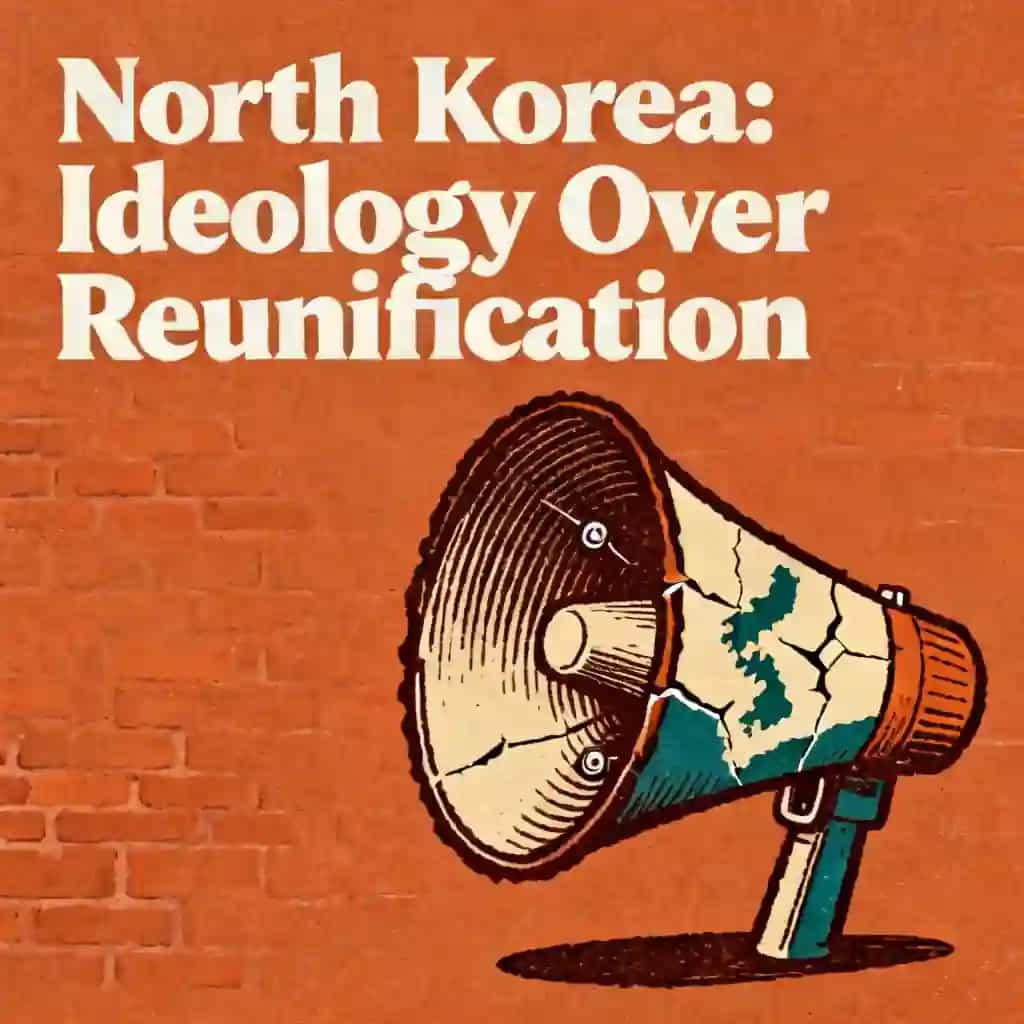
    When Reunification Dreams Die: North Korea's Ideological Revolution
    Explore how North Korea's Ninth Party Congress officially abandoned reunification, transforming decades of hope into permanent hostility through intimate stories of families navigating this seismic shift from sacred promise to harsh reality.
    16 min
    Becoming Kim Jong Un book cover
    Becoming Kim Jong Un
    Jung H. Pak
    Former CIA analyst provides unprecedented insights into North Korea's enigmatic young dictator and his rise to power.
    25 min
    In Order to Live book cover
    In Order to Live
    Yeonmi Park
    24 min
    Hell Joseon: The Reality Behind K-Drama Brutality book cover
    The Influence of Chaebol Solidarity on School Violence in South Korea: Insights from The Glory[Lim Woong] What Korea's school crisis is really about - The Korea HeraldHell Joseon | Asia SocietyA Contemporary History of Bullying & Violence in South Korean Schools
    6 sources
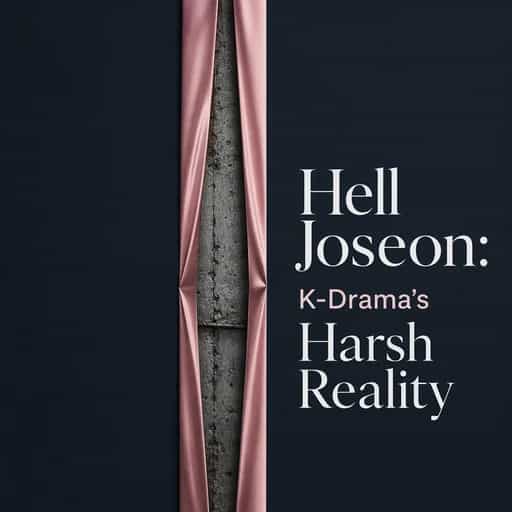
    Hell Joseon: The Reality Behind K-Drama Brutality
    Why is South Korean media so violent? Explore how a hyper-competitive school system and social inequality turn the classroom into a pressure cooker.
    1037 min
    Escaping Korea's Productivity Prison: What I Learned book cover
    source 1source 2South Korea: 6th in Hours, 31st in Productivity - Boost Productivity FirstKorea's work-life balance lags behind other OECD nations  - The Korea Times
    6 sources
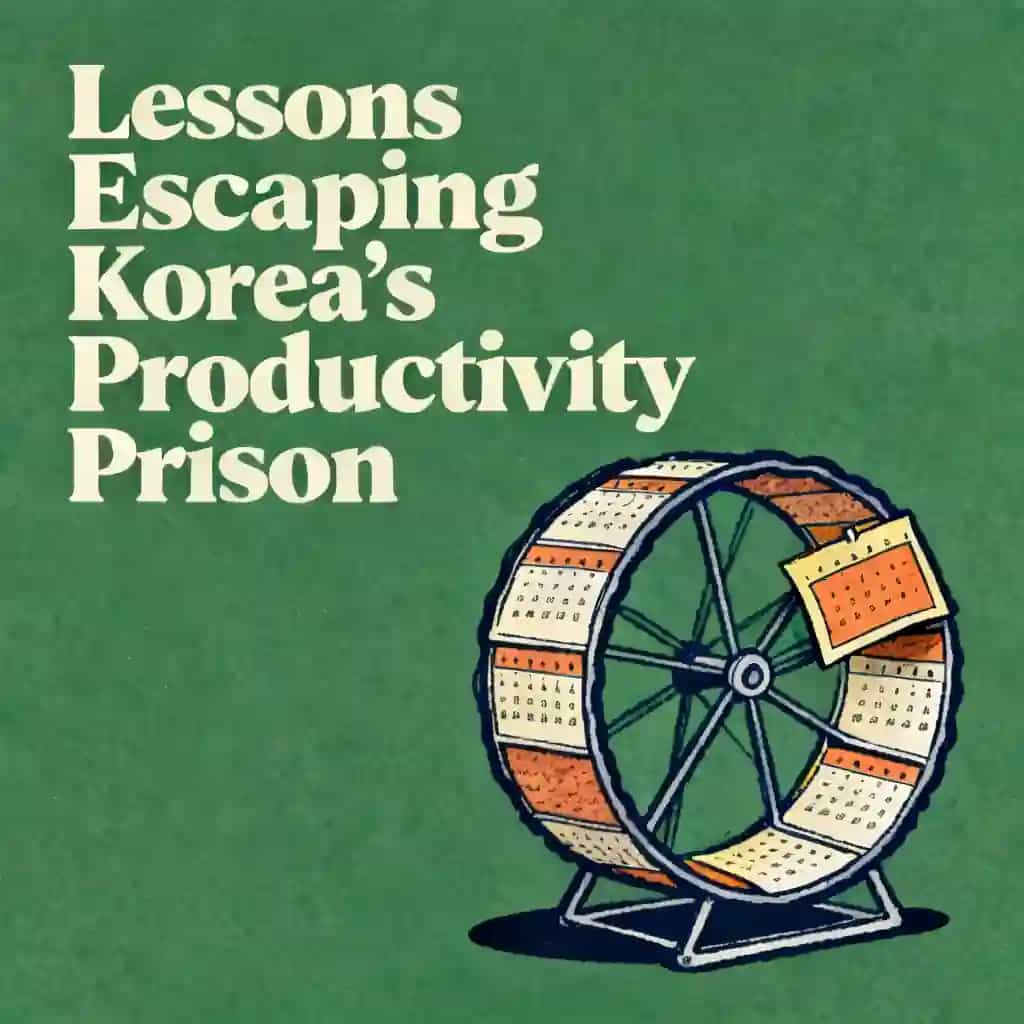
    Escaping Korea's Productivity Prison: What I Learned
    A personal journey through Korean work culture reveals the toxic lies of productivity obsession and why choosing rest over relentless grinding might be the smartest career move you'll ever make.
    9 min
    River in Darkness book cover
    River in Darkness
    Masaji Ishikawa
    A harrowing memoir of survival and escape from North Korea's brutal regime, exposing the country's dark realities.
    24 min
    The Invisible Shield: Military Life and Sacrifice book cover
    Why Is It Important to Support the Military? · United Service OrganizationsWhy Vets’ Service Is Worthy of Reflection on Veterans Day—and the Rest of the Year | The Heritage FoundationWar and Sacrifice in the Post-9/11 EraArmy Values
    5 sources
    The Invisible Shield: Military Life and Sacrifice
    Most people take daily stability for granted without seeing the families holding it together. Explore the reality of service and how to bridge the gap.
    22 min

    Recommended Learning Plans

    Ordinary Lives in Extraordinary Times
    LEARNING PLAN

    Ordinary Lives in Extraordinary Times

    This plan provides a unique look at history through the eyes of the working class rather than political elites. It is ideal for students of sociology, urban planning, or history who want to understand how ordinary people shaped the modern world.

    1 h•3 Sections
    The Hidden Logic of Daily Life
    LEARNING PLAN

    The Hidden Logic of Daily Life

    This plan is designed for professionals and leaders who want to master the unseen forces influencing behavior and teamwork. By bridging the gap between individual habits and group systems, it provides the tools necessary to optimize personal performance and collective output.

    1 h 30 m•3 Sections
    Power, Money, and Daily Life
    LEARNING PLAN

    Power, Money, and Daily Life

    This learning plan is essential for anyone seeking to understand the invisible forces of governance and economics that shape our world. It is designed for curious minds and aspiring policy thinkers who want to move beyond headlines to grasp how power and capital actually function.

    2 h•4 Sections
    The Hidden Operating System of Human Behavior
    LEARNING PLAN

    The Hidden Operating System of Human Behavior

    This plan bridge the gap between abstract psychology and practical application, revealing the invisible forces that govern our daily choices. It is essential for leaders, marketers, and anyone seeking to master influence and understand the mechanics of the human mind.

    1 h 30 m•3 Sections
    Stealth Styling for Conservative Environments
    LEARNING PLAN

    Stealth Styling for Conservative Environments

    This plan is essential for individuals needing to navigate restrictive or hostile social environments while maintaining their safety and privacy. It provides practical, life-saving techniques for those who must prioritize blending in over visible self-expression to survive and thrive.

    1 h 30 m•3 Sections
    The Soul of Okinawa
    LEARNING PLAN

    The Soul of Okinawa

    This plan offers a deep dive into the unique cultural and social fabric of Okinawa, moving beyond tourism to explore its spiritual and political heart. It is ideal for students of sociology, history, or public health interested in how identity and community structures influence well-being.

    1 h 45 m•4 Sections
    The Human Book: Decoding Hidden Intent
    LEARNING PLAN

    The Human Book: Decoding Hidden Intent

    In an era of complex communication, understanding what remains unsaid is a critical competitive advantage. This plan is essential for leaders, negotiators, and recruiters who need to master behavioral baselines, facial analysis, and linguistic markers to navigate high-stakes interactions.

    1 h 30 m•3 Sections
    Deep Work Daily Rituals
    LEARNING PLAN

    Deep Work Daily Rituals

    In an era of constant digital distraction, the ability to focus deeply is a rare and valuable competitive advantage. This plan is designed for professionals and creatives who need to move beyond busywork to produce elite-level results by mastering their environment and schedule.

    1 h 30 m•3 Sections